How to Select CNC Router Speed for NEMA CE Sheet Processing?
Selecting appropriate CNC router speed for NEMA CE Sheet processing demands careful evaluation of material characteristics, tool specifications, and operational goals. NEMA CE sheets—phenolic cotton laminates widely used in electrical and mechanical insulation—require spindle speeds typically ranging from 12,000 to 18,000 RPM, paired with feed rates between 1.5 and 3 meters per minute depending on sheet thickness and tooling. Balancing these parameters optimizes surface finish, dimensional accuracy, and tool longevity while meeting stringent compliance standards critical to electrical manufacturers and industrial machinery builders.
Understanding NEMA CE Sheets and Their Processing Requirements
What Defines NEMA CE Sheet Materials
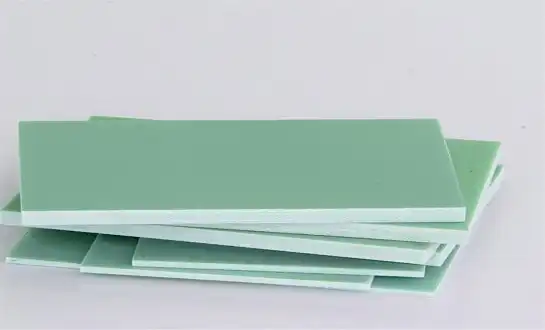
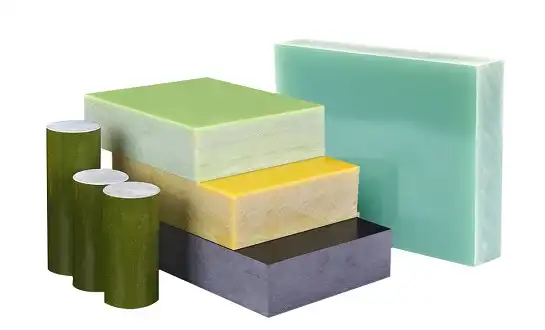
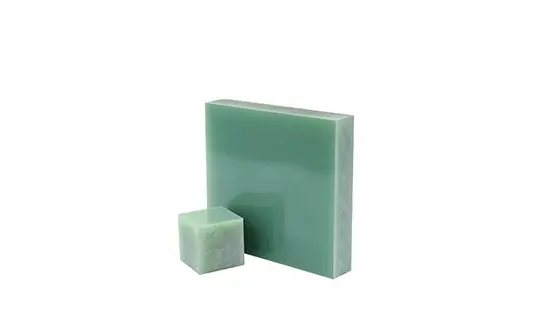
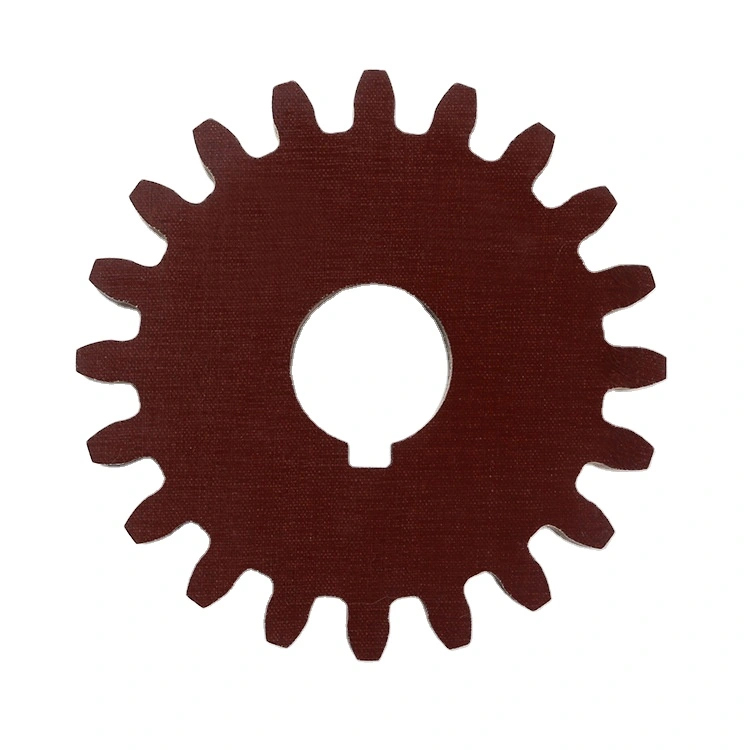
NEMA CE Sheets are made by mixing knitted cotton cloth with a thermosetting phenolic resin under high pressure and temperature. They are part of the phenolic cotton laminate family. Compared to paper-based phenolic grades, this composite structure is much more resistant to impact and lasts longer mechanically. The specific gravity of the material stays between 1.35 and 1.38, and its Rockwell Hardness is between 100 and 105 on the M Scale. This means it can be used in high-stress mechanical applications. Unlike FR4 fibreglass composites, which focus on fire and electrical insulation, NEMA CE Sheets are great when toughness, machinability, and vibration damping are needed. Manufacturers of industrial machinery use this balance to make gears, bearing pads, and structural spaces that can withstand constant mechanical pressure.
Key Technical Specifications That Influence Machining
Knowing the physical features of phenolic cotton laminates has a direct effect on how CNC routers are used. The material has an impact strength of 1.6 to 2.0 ft-lb per inch of notch and a bending strength of over 15,000 psi along its length. Different grades have different dielectric strengths. For example, CE and LE grades are better at keeping electricity from flowing through them than purely mechanical grades. NEMA CE Sheets are safe during coolant-assisted machining because they don't react with strong acids, solvents, or oils. However, workers should stay away from strong alkaline environments. Following the guidelines set by MIL-I-24768 and ASTM D709 for materials ensures that batch quality is the same all over the world, which lowers the range of results that can be achieved when cutting. When purchasing these laminates, the teams in charge must make sure that the thickness limits and surface finish requirements are met. This is to stop tool noise and dimensional drift during CNC operations.
How Material Composition Affects CNC Parameters
Because they are made of both textiles and resin, phenolic cotton laminates have special cutting properties. The layers of cotton fabric make it tough, but too much heat can cause them to fray or separate, so cutting speeds need to be controlled and carbide tools need to be sharp. Different directions of the layered architecture create different strengths. For example, cuts that are parallel to the laminations tend to have smoother edges than cuts that are perpendicular to the laminations. The width of the material directly affects how well chips are evacuated; sheets thicker than 10 mm need more than one shallow pass instead of a single bold pass. The machinability is affected by the amount of moisture in the material. Sheets that are kept in places with a lot of humidity may soften or lose their resin, which means they need to be pre-conditioned in controlled settings. By understanding how these materials behave, engineering teams can create strong processing protocols that reduce the amount of waste and keep the same dimensions across production batches.
Challenges in CNC Routing of NEMA CE Sheets
Common Defects Caused by Improper Speed Settings
When cutting phenolic laminates with speed factors that aren't matched, surface damage is the most common quality problem. Too high of a spindle RPM creates frictional heat that breaks the phenolic resin binder, which marries the edges and changes their colour. On the other hand, if the router speed is too slow or the feed rate is too fast, micro-fractures form along the edges of the laminates, which lowers the mechanical strength of the finished parts. When cutting edges don't neatly cut through cotton fibres, they leave behind fuzzy bits that need to be removed in a second step. When the wrong speed-feed ratios cause too much horizontal force during cutting, the tool deflects, which leads to errors in the dimensions. These flaws make it more likely that products will be rejected and cost more to fix, which has a direct effect on the profits of electrical makers and machinery builders who depend on tight tolerances for assembly.
Root Causes of Processing Inefficiencies
Differences in the hardness of materials in phenolic laminates are caused by differences in how the resin cures during production. Rockwell hardness may be slightly different in sheets from different production batches, so cutting speeds need to be changed for the best results. Routing rough cotton fibres with dull cutters speeds up tool wear because the cutting forces are higher, which requires more spindle power. The environment has a big effect on how stable the processing is. For example, temperatures above 30°C soften resin matrices, and dust buildup clogs hoover systems and makes it harder for chips to escape. If the machine isn't stiff enough, vibrations can get through during high-speed handling, which lowers the quality of the surface finish. Procurement experts need to work with machine tool providers to make sure that spindle runout limits are less than 0.01 mm and that there are enough coolant delivery systems in place to keep the machines from breaking down during long production runs.
Balancing Production Speed and Quality Standards
Manufacturers are always under pressure to keep up with UL and ROHS rules for electrical insulation parts while also increasing output. Increasing the spindle speed past the limits that are safe for the material speeds up production, but it also increases the risk of thermal damage that weakens the dielectric, which is a major failure mode for switchgear applications. Lowering feed rates makes the surface finish better, but it also makes cycle times longer, which raises the cost of making one unit. Tool life management makes things more complicated. Carbide plugs that are made to work with phenolic materials can usually handle 8 to 12 hours of constant routing before they need to be replaced. Engineering managers need to set adjustable windows that meet quality standards without putting too much strain on budgets for tool repair. Using real-time tracking systems to keep an eye on spindle load, vibration amplitude, and part temperature lets workers make changes to parameters on the fly, which helps them meet production goals and keeps products safe during shift operations.
Principles for Selecting Optimal CNC Router Speed
The Relationship Between RPM and Feed Rate
Router speed (in rotations per minute) and feed rate (linear travel speed) are two important factors that affect each other and together determine the machining performance of NEMA CE Sheet. When the RPM is increased, there are more cutting edge engagements per unit distance, which can improve the surface finish of NEMA CE Sheet while also creating more contact heat. The feed rate controls the chip thickness during NEMA CE Sheet machining. Faster linear movement creates thicker chips that remove heat more effectively, but it also requires greater cutting force. To select the correct parameters for NEMA CE Sheet, the feed rate should be divided by the RPM and the number of flutes to calculate the chip load. For phenolic cotton laminates, the chip load should generally remain between 0.15 and 0.25 mm per tooth to balance tool wear and surface quality. When automotive part suppliers machine NEMA CE Sheet for battery pack barriers, maintaining stable dimensions is essential, so moderate RPM ranges of around 15,000 with properly calibrated feed rates should be used. When processing NEMA CE Sheet with thicknesses above 6 mm, this relationship becomes especially important because poor chip evacuation can cause re-cutting, heat buildup, and faster tool wear. Proper control of RPM and feed rate ensures consistent machining quality and reliable performance of NEMA CE Sheet components.
Industry-Recommended Speed Ranges by Application
When working with 3–8 mm phenolic sheets, power distribution companies that make insulation shields for transformer units usually use spindle speeds of 12,000 to 16,000 RPM. Appliance companies that make motor mounts often raise the speeds to 16,000 to 18,000 RPM for materials less than 5 mm thick. This is done to get faster cycle times by taking advantage of the lower cutting forces. For industrial machines with thicker structural parts, like mechanical spacers that are more than 10 mm in diameter, slower speeds of 10,000 to 12,000 RPM and cuts of 2 to 3 mm in depth each pass are needed. The best RPM depends on the diameter of the tool. End mills with a diameter of 3 to 6 mm can handle higher spindle speeds while still keeping the safe surface speed below 300 meters per minute. When purchasing CNC routers for processing phenolics, procurement teams should make sure that the spindle power rating is higher than 5kW so that cutting forces can be maintained during heavy stock removal. This is especially important when machining wear-resistant parts that need fast material removal rates.
Managing Trade-offs Between Efficiency and Tool Longevity
Spindle speeds that are pushed to their limits shorten cycle times for each part but speed up the wear on carbide tools by increasing heat cycling and edge friction. When making heat-resistant fittings for the auto industry, R&D engineers have to balance the need for accuracy with the frequency of tool replacements. For example, running at 18,000 RPM may cut machining time in half, but it doubles the cost of tools when the cutting edge life drops below 4 hours. Using methods to check the state of tools that measure vibrations and sound waves can help figure out the best times to replace tools before they break completely. Choosing the right coolant can change this balance. Air blast systems reduce heat damage but don't provide lubrication, while oil-mist delivery increases tool life by 30 to 40 percent but makes the system more complicated. Energy use doesn't go up or down in a straight line with spindle speed. For example, running at maximum RPM can use 50% more power than running at modest speeds, which can hurt the budgets of mass-production plants. When manufacturers choose the right speed based on expected production volume, they can get the best overall cost of ownership for their tools, energy, and labour.
Practical Steps and Case Studies of CNC Routing NEMA CE Sheets
Pre-Processing Evaluation and Setup
Before starting production runs, engineering teams have to check the materials thoroughly to make sure the phenolic grade, thickness tolerance, and moisture content are all within acceptable ranges. The accuracy of machining depends on how flat the sheet is. Materials that are warped need vacuum table hold-downs or mechanical clamping systems that keep the surface parallel across the work envelope to within 0.1 mm. The shape of the carbide end mill is the first thing that you should look at when choosing a tool. Two-flute designs with 30-degree helix angles are good for chip removal in phenolic laminates, while four-flute designs are better for finishing passes that need a high-quality surface. As part of setting up the machine, you have to make sure that the spindle runout is less than 0.008mm and that the tool doesn't slip when it's under cutting loads. Setting up reference material samples with known machining parameters lets workers check standard performance before working on production batches. This cuts down on setup waste and speeds up qualification cycles.
Iterative Parameter Optimization Through Test Runs
For the first test cuts, use safe settings like a spindle speed of 12,000 RPM, a feed rate of 1.8 meters per minute, and a depth of cut of 2 mm. Keep an eye on the surface finish, edge quality, and accuracy of the measurements. By gradually raising the RPM in 1,000-step increments, the point at which the resin starts to soften can be found. This is usually shown by edges becoming discoloured or the surface becoming rougher. After the spindle speed is optimised, the feed rate is changed. Changes of 0.3 meters per minute help find the fastest stable cutting speed before tool noise starts to show up. By measuring the size of a part in several places on the work area, temperature growth effects that make it harder to meet tolerances can be found. Keeping track of the spindle load percentages during test runs shows if the machine's power output matches the amount of material that needs to be removed. Loads that stay above 80% suggest lowering the feed rate or changing the depth of the cut. This methodical approach cuts down on the waste of trial and error while building a library of confirmed parameters that speeds up the creation of new processes for similar phenolic grades in the future.
Real-World Case Study: Transformer Insulation Component Production
When making arc barriers from 6mm NEMA CE Sheets for medium-voltage switchgear, a company that makes power equipment had to deal with repeated differences in size. When the initial settings were used—18,000 RPM and 2.5 meters per minute feed—the surface finish was fine, but the part sizes changed by 0.3 mm between production runs. A root cause study showed that too fast of cutting speeds caused heat expansion. The technical team slowed down the spinning to 14,000 RPM and sped up the feed rate to 2.8 meters per minute, which kept the same rate of material removal. This change reduced the temperature in the cutting zone by about 15%, which stopped changes in size to within ±0.08mm. The tool's life went from 6 hours to 9.5 hours between insert changes, which cut the cost of tools by 35%. While production throughput stayed the same, scrap rates dropped from 8% to below 2%. This shows how important it is to choose parameters that are balanced and in line with thermal management priorities.
Purchasing Considerations for NEMA CE Sheet Processing Solutions
Selecting CNC Routers for Phenolic Laminate Applications
When purchasing managers look at CNC routers for NEMA CE Sheet processing, they should focus on models with high-frequency spindles that can work steadily between 10,000 and 24,000 RPM. Power levels for the spindle between 5.5kW and 7.5kW give you enough strength to cut thicker materials without stopping or overheating. Variable speed drives let workers fine-tune the RPM in 100-step increments, so they can set the best settings for different sheet types and thicknesses. Rigid gantry construction keeps movement to a minimum while cutting, and machines with linear guide systems that are rated for 10,000-hour service intervals keep their positions accurately throughout their entire output lives. When moving cotton-based laminates, the ability to remove dust becomes very important. Systems that provide at least 1,500 cubic meters of airflow per hour keep the hoover table hold-down working well and protect workers' lungs. Adding automation through CNC controllers that support Industry 4.0 protocols lets you log parameters in real time and watch the process from afar, which makes it easier to plan maintenance ahead of time and cut down on unplanned downtime.
Sourcing NEMA CE Sheets with Verified Quality Assurance
Reliable phenolic sheet providers have quality systems that are ISO 9001-certified and keep records of resin batch tracking, cure cycle parameters, and inspection data after production. Certificates of conformance should show that the product meets the requirements of ASTM D709 and MIL-I-24768. They should also show that the mechanical qualities and size tolerances are within the acceptable ranges. Sample testing methods let buyers check the properties of materials before placing large orders. Asking for test papers that show measures of flexural strength, impact resistance, and hardness protects against batches that aren't up to par. Suppliers who offer custom thickness grinding make sure that sheets arrive with precise tolerances of less than ±0.15mm, which means that no pre-machining preparation steps are needed. Logistics skills are important for planning production plans because vendors with their own delivery networks can supply materials on time, which lowers the cost of keeping inventory on hand. Long-term procurement experts can speed up the process development timelines by forming strategic partnerships with suppliers who offer technical support for machining optimisation. These suppliers can share their knowledge gained from working on a wide range of customer projects.
Balancing Cost, Lead Times, and Customization Requirements
When appliance makers need a lot of insulation frames, they look for the cheapest ones and make sure that each batch is the same so that automatic assembly processes can work. Volume price structures usually offer discounts of 15-20% for orders over 500 sheets. This makes it worth investing in inventory when production plans support buying in bulk. Managing leads becomes very important when a new product comes out. Suppliers with regional warehouses can fill emergency orders within 48 to 72 hours, which keeps the production line running. Some providers offer pre-cut blanks or CNC-routed semi-finished parts that lessen the need for in-house machining. Customisation options go beyond thickness specs. Tier-1 supply chain managers in the automotive industry are asking for supplier-managed inventory programs more and more. In these programs, material providers track how quickly materials are used up and automatically send more to be ordered, which speeds up the procurement process. When you figure out the total cost of ownership, you have to look at things like material yield rates, machining time savings from premium-grade sheets, and quality-related scrap costs. It may seem like more expensive per sheet, but it often ends up being more valuable because it makes machining better and lowers the number of rejects.
Conclusion
To choose the best CNC router speeds for processing NEMA CE Sheets, you need to carefully look at the qualities of the material, the machine's capabilities, and your output goals. For electrical makers and industrial machinery builders, phenolic cotton laminates need to be made with parameters that are well-balanced so that thermal damage doesn't happen and efficiency goals are met. Engineering teams set up strong cutting routines that make sure dimensions are correct and surface quality is met. They do this by checking the materials before they are processed, testing them over and over, and seeing how well they work in the real world. Buying CNC equipment and laminate materials from trusted sources is the best way to make sure your business will be successful in the long run. This is because the power distribution, automobile, and appliance industries all need high standards of precision and dependability.
FAQ
What Router Speed Should I Use for Different NEMA CE Sheet Thicknesses?
The best spinning speed choice is directly related to the thickness of the material. For various NEMA CE Sheet Thicknesses, sheets that are 3 to 5 mm thick can usually handle higher speeds of 16,000 to 18,000 RPM and feed rates of about 2.5 meters per minute. This makes clean edges without too much heat buildup. It works best at 14,000 to 16,000 RPM for thicknesses between 6 and 8 mm, which is a good balance between cutting speed and heat management. For materials thicker than 10 mm, slow speeds around 12,000 RPM and several shallow depth passes are needed to keep the tool from getting too heavy and the dimensions stable during the cutting process.
What Risks Arise from Incorrect Speed Settings?
When you run at speeds faster than what is safe, the plastic matrix breaks down due to frictional heating, which lowers the dielectric strength that is needed for electrical shielding. When speeds aren't fast enough, cutting forces are too high, which deflects tools and causes mistakes in measurements and speeds up machine wear. When the wrong parameters are combined, edge delamination happens, which is when the layers of cotton cloth separate. This requires expensive secondary finishing steps that raise the cost of production and make wait times longer.
Must Parameters Change Between Different Phenolic Grades?
Changes in material grade have a big effect on the cutting needs. Electrical grades with better dielectric qualities can handle more severe conditions than mechanical grades. Because different storage batches have different amounts of moisture, parameters need to be changed. Pre-conditioning sheets in controlled humidity environments makes the behaviour of the material more consistent. Checking the certificates of suppliers and making test cuts on samples before starting production stops quality problems caused by grade-specific cutting features that change the surface finish and accuracy of measurements.
Partner with J&Q for Expert NEMA CE Sheet Solutions
To make the most of your CNC routing operations, you need more than just theory. You also need tried-and-true materials and technical advice from people who have done it before. J&Q has been making insulation sheets for over 20 years and has also been trading internationally for 10 years. This makes us a reliable NEMA CE Sheet provider for demanding electrical and mechanical uses. Our certified phenolic cotton laminates meet strict ASTM and MIL standards. They have consistent machinability that makes it easier to develop parameters and lowers production variability. With our fully integrated transportation network, we can handle everything for you, from choosing the materials to making sure they get delivered on time. This keeps your production plans on track. Get in touch with our expert team at info@jhd-material.com to talk about your unique machining problems and find out how our quality-assured materials can help you make better products.
References
1. National Electrical Manufacturers Association (NEMA). "Industrial Laminating Thermosetting Products Standards." NEMA Standards Publication LI 1-2019, Washington, DC.
2. ASTM International. "Standard Specification for Laminated Thermosetting Materials." ASTM D709-19, West Conshohocken, PA.
3. Technical Association of the Pulp and Paper Industry. "Phenolic Resin Impregnated Laminated Products: Mechanical and Electrical Properties." TAPPI Monograph Series No. 42, Atlanta, GA.
4. Society of Manufacturing Engineers. "CNC Machining of Composite Materials: Parameter Optimization Strategies." SME Technical Paper Series, Dearborn, MI.
5. Military Specifications and Standards. "Plastics: Laminated, Thermosetting, Sheets." MIL-I-24768/27 Type GEE-F, U.S. Department of Defense.
6. International Organization for Standardization. "Industrial Laminates Based on Thermosetting Resins for Electrical Purposes." ISO 1642:2004, Geneva, Switzerland.

Get a complete product list and quotation

J&Q New Composite Materials Company