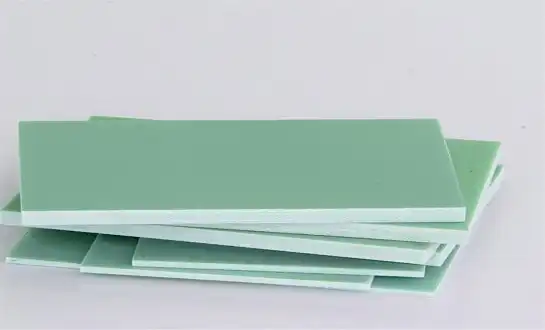
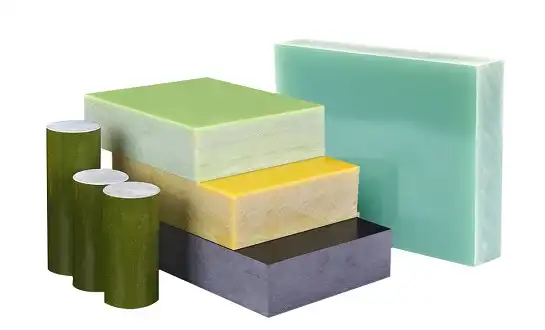
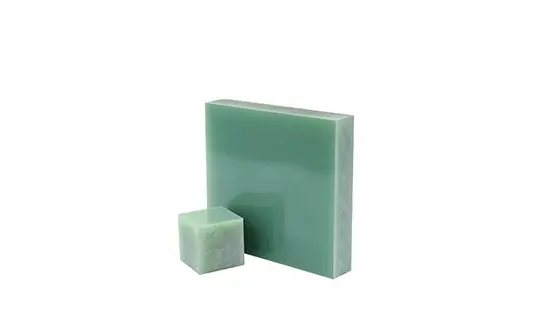
The Use of 3240 Epoxy Sheets in High-Voltage Transformer Insulation
When it comes to high-voltage transformers, the shielding materials need to be able to handle a lot of electrical stress, high temperatures, and mechanical load. The 3240 epoxy sheet has become a reliable choice for these important uses because it has a special mix of dielectric strength, heat endurance, and mechanical strength. The insulating material is made of electrical-grade fiberglass cloth that has been impregnated with epoxy resin and then precisely hot pressed. It makes sure that transformers are reliable and keep their shape in harsh settings where failure is not an option.
Understanding 3240 Epoxy Sheets – Specifications and Properties
Material Composition and Manufacturing Process
The way epoxy laminate is put together determines how well it works. Manufacturers make these sheets by mixing specially made epoxy resin systems with woven fiberglass cloth and then controlling the drying and hot pressing stages. This process makes a structure that is thick and free of holes. This gets rid of any weak spots where electricity could break down. The density of the material is between 1.90 and 2.0 g/cm³, which helps explain why it has such good mechanical qualities and doesn't break easily during installation or use.
Quality standards say that surfaces must stay flat and free of any bubbles, pits, or wrinkles that could make the insulation less effective. Minor flaws, like light scratches or spots, are only okay as long as they don't get in the way of the material's functionality. The edges must be cut cleanly, and the end faces should not have any signs of cracks or delamination that could spread when the wires are stressed electrically.
Physical and Electrical Characteristics
When engineers look at insulation materials for high-voltage uses, they focus on a few key criteria. The epoxy resin laminate has very high volume resistance, which means that it keeps its insulating qualities even when it comes in contact with amounts of wetness that would break down other materials. Water absorption stays below 0.1%, which keeps the dimensions stable and the electrical performance stable even when the humidity level changes.
In transformer uses, dielectric strength is a very important factor. When tested in transformer oil, these sheets show breakdown voltage ratings above 30kV, which gives a lot of safety gaps for high-voltage areas. The material keeps these qualities even at high temperatures. Standard grades are classed as Class B (130°C), and premium forms can withstand temperatures up to Class F (155°C).
In transformer uses, mechanical strength works well with electrical performance. The material can handle a lot of mechanical stress during assembly and use because its tensile strength is higher than 300 MPa and its flexural strength is higher than 340 MPa. This mix of qualities makes the material very useful for supporting busbars, making parts for tap changers, and making coil insulation barriers, all of which need to keep electricity from getting in and keep the structure strong.
Thickness Ranges and Customization Options
Engineers can give exact needs for different transformer designs when measurements are flexible. Standard production usually covers widths between 0.5 mm and 50 mm, which is wide enough for most common uses. Custom production up to 150 mm can be used for specific projects that need thicker materials, but they need to be planned ahead of time to account for manufacturing wait times.
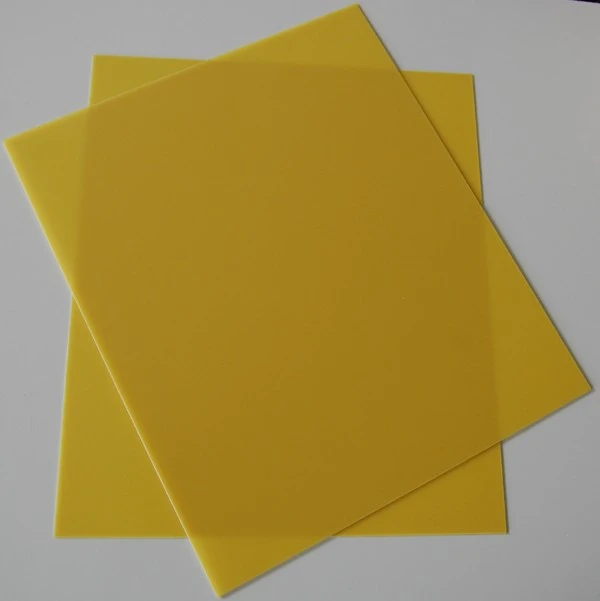
Different hardening agents and dyes used during production cause color changes from yellow to green, red, and black. Color tastes may match up with visual identification systems in factories, but electrical factors set by international standards are still the best way to tell if something is of good quality, no matter what it looks like.
Why 3240 Epoxy Sheets Are Ideal for High-Voltage Transformer Insulation?
Superior Dielectric Performance Under Electrical Stress
The insulation around a transformer has to be able to handle constant electrical stress while also stopping partial discharge events that cause the transformer to fail too soon. Because its molecules are structured in a way that stops electrons from moving, the epoxy glass material works very well in this tough environment. Unlike other materials that break down when they are subjected to corona discharge or arcing, this laminate stays strong for long periods of time.
Comparative testing shows that this material has big benefits over other materials. When it comes to electronics, FR4 is good because it doesn't catch fire, but the 3240 epoxy sheet works better in oily generator settings because it is stronger and doesn't absorb oil. Even though G10 materials are strong mechanically, they don't have the thermal endurance needed for power transfer tools to work at high temperatures all the time.
Thermal Stability and Heat Dissipation
Managing heat is always a problem in the design of transformers. Not only do insulation materials have to be able to handle high temperatures, they also have to be able to move heat around so that there aren't any hot places. Because fiberglass epoxy sheets are thermally conductive, they let heat escape while keeping electricity from flowing through them. This balance is very important for keeping thermal runaway conditions from happening, which happen when rising temperatures speed up the breakdown of insulation.
When there is an overload or a fault, transformer temperatures can rise very quickly. The thermal durability of properly stated epoxy laminates makes sure that they will survive these short-term events without getting damaged permanently. Case studies from power distribution networks show that transformers that use these insulation materials fail less often because of heat breakdown than units that use older paper-based or phenolic insulation systems.
Chemical and Environmental Resistance
Transformers work in a variety of settings where the insulation materials are exposed to different elements. These sheets are very resistant to transformer oil, industrial cleaners, and other chemicals that are often found in electrical equipment. This resistance stops the breakdown that would eventually hurt the insulation's performance. This makes the transformer last longer and require less upkeep.
Environmental factors like changes in humidity and weather are always putting insulation materials to the test. The ability to absorb little water makes sure that the electrical properties stay stable even when the weather changes and in places where it's wet. When materials take water, their dielectric strength goes down and their chance of tracking failure goes up. These problems can be avoided by choosing the right materials.
Procurement Guide – Purchasing 3240 Epoxy Sheets for Industrial Use
Identifying Qualified Suppliers and Evaluating Capabilities
When choosing where to get important insulation products, you need to carefully look at each seller. Teams in charge of buying things should make sure that any possible sellers have full quality management systems that are in line with international standards. Years of experience in manufacturing show that the process is mature and that the person knows the technical details that are needed to keep the standard of the product high.
Lead times and supply dependability are affected by how much can be made. Suppliers with their own specialized production lines can handle both small batches of prototypes for new designs and large amounts of production for well-known transformer platforms. Before being shipped, each production batch is checked in-house by electrical and mechanical testing labs to make sure it meets certain standards. This cuts down on quality-related delays.
Pricing Structures and Volume Considerations
The cost of materials is one part of the total cost of buying. Buyers with a lot of experience look at price in the context of delivery reliability, expert help, and the ability to make changes. When you commit to buying a lot of something, you can often get better prices, but you have to weigh these benefits against the costs of keeping goods and the space they take up.
Pricing is directly affected by thickness requirements and measurement limits. Standard sizes that are made on a daily basis have the most affordable prices. Custom sizes, on the other hand, need more setup time and tooling changes. Planning purchases around standard products when you can helps you stick to your budget without sacrificing style needs.
Customization and Technical Collaboration
Manufacturers of transformers often need particular sizes, finishes on the surface, or ways to package their products. Advanced CNC machining suppliers can send parts that are already precisely cut and ready to be put together, which cuts down on labor costs and improves the accuracy of installation. When producers know how the materials will be used, they can make positive suggestions for how to make them work better.
For lead time management to work, the production plans of engineering, buying, and suppliers must all be coordinated. Standard materials usually ship within an acceptable amount of time, but special specs need more time to plan. Just-in-time manufacturing methods can be helped by suppliers who keep strategic stock levels of standard specifications and can give faster shipping.
Best Practices for Handling and Using 3240 Epoxy Sheets in Transformer Insulation
Storage and Pre-Installation Conditioning
Keeping things in the right way saves investments and makes sure they work at their best. These 3240 epoxy sheets need to be kept on flat boxes in controlled settings that are less than 25°C and have a relative humidity of less than 75%. When things are stored vertically or exposed to changing humidity levels, they twist, which makes it harder to machine and put together. To keep surface contamination from making tracking tracks during high-voltage operation, storage places should stay clean and dust-free.
Materials should get used to the conditions on the shop floor before they are machined or installed. This method keeps size changes to a minimum while the transformer is being made and makes sure that the parts fit correctly when they are put together. When moving things around, you should be careful not to damage the edges or leave scratches on the surface that could act as electrical stress points.
Cutting and Machining Techniques
Even though epoxy glass composite materials are hard, they are easy to work with if you have the right tools. When used at the right speeds and feed rates, carbide-tipped cutting tools give you clean lines that don't tear. When drilling, you need sharp bits and enough cooling to keep the resin from breaking down or delaminating around the edges of the holes.
Dust extraction systems collect the airborne particles that are made when machines are used. This keeps workplaces clean and protects workers' health. The choice of cutting fluid relies on how the parts will be cleaned later and whether it is compatible with transformer oil if the parts will be submerged in oil. Many places cut things without cleaning them first and then collect the pieces with a vacuum, which speeds up the working time.
Installation Procedures and Quality Verification
The efficiency of an insulation device is directly affected by how it is installed. It is important to keep surfaces clean and free of grease and other things that weaken the dielectric strength. Installers should wear clean gloves so that skin oils don't stick to the insulation. Fixtures for putting things together should hold parts securely without putting too much stress on them, which could cause cracks to spread.
An check after installation makes sure that everything is in the right place and there is no damage. A visual inspection finds any flaws on the surface or damage to the edges that happened during assembly. Before it is turned on, electrical testing makes sure that the insulation resistance meets the design requirements. Writing down the installation settings and test results gives you a starting point for future upkeep tasks and troubleshooting.
Future Trends & Innovations in Epoxy Sheet Insulation for High-Voltage Transformers
Advanced Resin Formulations and Performance Enhancement
As material science progresses, epoxy resin solutions for electrical uses keep getting better. The main goal of research is to improve thermal conductivity while keeping electrical separation. This will allow for smaller transformer designs that can get rid of heat more efficiently. Because modified resin formulations increase the temperature ranges that equipment can work in, it can be used in harsh areas without degrading.
Using nanotechnology together is a new area of study. Nanoparticle additives can make materials more resistant to tracking, less vulnerable to partial discharge, and better at their dynamic qualities without making the materials much more expensive. These improvements make transformers last longer and lower the number of times they break down in important power transfer networks.
Sustainability and Environmental Compliance
Environmental laws are having a bigger impact on the choices people make about what materials to use. Manufacturers come up with recipes that get rid of harmful ingredients while still meeting performance standards. End-of-life disposal issues are dealt with by recycling programs, and study is looking into ways to get useful fiberglass and resin parts from old equipment.
Lifecycle assessment tools help buying teams figure out how a material will affect the environment over its whole life, not just its original qualities. Suppliers who promise to using sustainable manufacturing methods are in line with the goals of business responsibility while also providing good technical performance. This all-around method to choosing materials helps with both operational success and caring for the environment.
Strategic Supplier Partnerships
Long-term ties with suppliers give you an edge in markets that change quickly. Through collaborative partnerships, suppliers and customers can work together to create the best solutions for specific uses. This is made possible by the understanding of both the seller and the customer about the use. Problem-solving and new ideas are sped up by technical exchange programs where experts from both groups work together.
After recent world problems, supply chain robustness has become more important. Diversified buying strategies and strategic partnerships work together to make sure that materials are always available and that quality standards are always met. Integration of shipping skills by suppliers adds value by making delivery easier and transportation less complicated.
Conclusion
For high-voltage transformer insulation, you need materials that work consistently well in electrical, thermal, and mechanical conditions. The 3240 epoxy sheet meets these needs because it has special features that come from modern manufacturing methods and carefully designed resin systems. When engineers choose insulation materials, they have to find a balance between short-term performance needs and long-term stability standards. They have to think about things like dielectric strength and resistance to the environment. Strategic relationships with experienced suppliers make sure that you can get high-quality parts and encourage new ideas in transformer design. As power delivery networks move toward higher levels and greater efficiency, insulation materials keep getting better to keep up.
FAQ
What makes this material different from FR4 for use in transformers?
Application-specific performance is what makes this difference. With UL94 V-0 ratings, FR4 materials put flame retardancy first, which makes them perfect for electronics where fire safety rules apply. The 3240 epoxy sheet is better for power equipment than computer systems because it focuses on mechanical strength and resistance to transformer oil. Cost is also different, with the 3240 epoxy sheet being more cost-effective when flame rates are not needed but structure stability under mechanical stress is still very important.
How does wetness affect how well insulation works?
The most important way that electricity shielding fails is by absorbing water. Water molecules raise the chance of early failure by lowering breakdown voltage and increasing dielectric loss. The very low rate of moisture absorption, less than 0.1%, provides steady performance in damp places where hygroscopic materials would lose a lot of their properties. This feature is especially useful for setups outside and in hot areas where it's hard to control the humidity.
Can changes in color show differences in quality?
The fixing agents and dyes used during production determine the color, not how well the product works. When epoxy resin dries naturally, it turns yellow. Some chemicals, on the other hand, make it green. Instead of looking at how something looks, quality measurement must be based on written electrical factors, mechanical test results, and compliance with known standards. Reliable providers give full test certificates that prove they meet the requirements, no matter what color the product is.
Partner with J&Q for Premium 3240 Epoxy Sheet Solutions
J&Q can meet your high-voltage insulation needs because they have been making high-quality products for over 20 years and have done a lot of business with other countries. Our factories make sure that every step of the manufacturing process is done with strict quality control. This makes sure that every 3240 epoxy sheet meets the strict electrical and mechanical requirements needed for transformer uses. Your design staff and engineering support teams work together to make sure that the materials you choose, the sizes you need, and the shipping times you need all work with the project's plan. Our integrated transportation system makes it easy to coordinate everything from production to delivery, which makes buying things easier and makes the supply chain less complicated. Contact info@jhd-material.com to talk about your specific insulation needs and get full technical specs from 3240 epoxy sheet makers with a lot of experience who understand your technical needs.
References
International Electrotechnical Commission. (2019). Specifications for Industrial Rigid Laminated Sheets Based on Thermosetting Resins for Electrical Purposes. IEC 60893 Series Standards.
Smith, J.R. & Peterson, M.L. (2020). Dielectric Materials in High-Voltage Power Equipment: Performance Characteristics and Application Guidelines. Electrical Insulation Magazine, Volume 36, Issue 4.
Anderson, K.T. (2021). Thermal Management in Power Transformers: Material Selection and Design Optimization. IEEE Transactions on Power Delivery, Volume 36, Issue 2.
National Electrical Manufacturers Association. (2018). Industrial Laminated Thermosetting Products Standards Publication. NEMA LI 1-2018.
Chen, W.H. & Roberts, D.F. (2022). Moisture Effects on Electrical Insulation Performance in High-Voltage Applications. Journal of Materials Science: Materials in Electronics, Volume 33, Issue 8.
Thompson, R.A. (2020). Advances in Epoxy Resin Technology for Electrical Insulation Systems. Polymer Engineering and Science, Volume 60, Issue 11.

Get a complete product list and quotation
J&Q New Composite Materials Company