Custom Phenolic Cotton Sheet Components for Heavy-Duty Industrial Gears
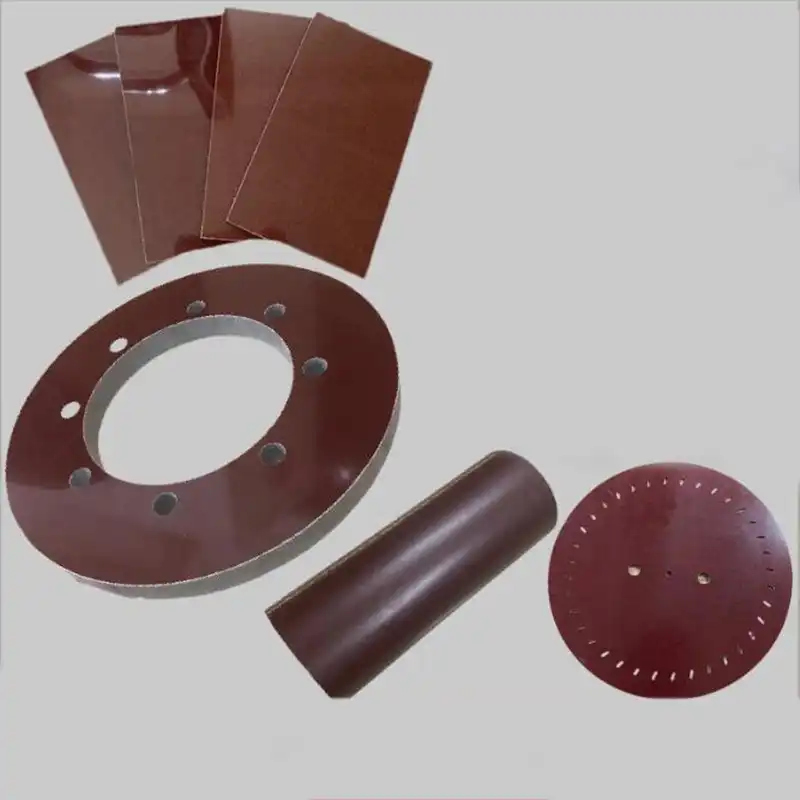
Heavy-duty gear systems with custom phenolic cotton sheet components work very well to move industrial machinery that needs to be precise and reliable. These laminated materials are made from cotton cloth that has been soaked in phenolic resin. They are strong mechanically and automatically lubricate themselves, which makes them essential for use in textile machinery, naval propulsion, and power transfer. This detailed guide shows buying workers how to choose the best gear components and keep their operations running smoothly for a long time. It covers basic material information, customization options, and evaluating suppliers.
Understanding Phenolic Cotton Sheets for Industrial Gears
Phenolic cotton sheets are a special kind of industrial laminates that are made using a complicated process that balances chemical stability with mechanical toughness. After 20 years of making insulation materials, we know how important it is to understand these basic material properties before choosing components.
Material Composition and Manufacturing Process
The process starts with layers of cotton cloth, which come in both coarse and fine weaves, that are soaked with thermosetting phenolic resin under controlled conditions. After being fully immersed, the layers are heated and pressed together at high temperatures, making a solid mixture with a density of 1.35 to 1.45 g/cm³. The curing process connects the molecules of the resin, which locks the cotton fibers into a stiff material that stays the same size even when the working conditions change. The end result is a laminate material with a bending strength of more than 100 MPa, a compressive strength good for load-bearing uses, and impact protection that keeps it from breaking in a big way when it's hit with shock loads.
Key Technical Specifications for Gear Applications
The material is categorized according to NEMA standards. The CE grade (Canvas-Coarse weave) is best for gear teeth and high-impact mechanical parts, while the LE grade (Linen-fine weave) is best for precision-machined parts that need smoother surfaces. The heat grade is Class E insulation, which means that the structure will stay strong at temperatures up to 120°C. When this point is reached, the cotton base starts to turn into carbon and the resin becomes more easily broken down, which affects both its mechanical and electrical qualities. Engineers should know that the dielectric strength isn't as good as epoxy glass composites, even though it's good enough for low-voltage structure insulation. This means that the electrical environment of the application affects the choice of material.
Comparison with Alternative Industrial Laminates
When phenolic cotton sheets are compared to other options like phenolic paper laminates or epoxy resin boards, their tribological performance is what sets them apart. When used with steel counterfaces, the cotton base naturally lubricates them, which greatly lowers the friction coefficients and wear rates in dynamic gear contact. Phenolic paper laminates are better at keeping electricity out, but they are weaker when it comes to mechanical impact. Epoxy glass sheets work great in high-voltage situations, but they are harder on cutting tools and cost more to make. By knowing about these trade-offs, procurement teams can choose materials that are in line with practical goals instead of just going with options they know.
Customizing Phenolic Cotton Sheet Components for Heavy-Duty Gears
Customization turns plain phenolic cotton sheet into precisely designed parts that fit into complicated gear systems without any problems. We've learned from years of working in foreign trade with a wide range of industries that there are important customization factors that affect how well parts work and whether they can be made.
Thickness Variations and Dimensional Tolerances
Phenolic cotton sheets can be made in a range of sizes, from thin layers of insulation to thick plates for building structures. For heavy-duty gear uses, profiles need to be thicker so they can handle loads that are concentrated at the tooth contact places. It is important to keep thickness standards tight because differences in dimensions cause uneven load distribution, which speeds up wear. Reputable makers use statistical process control during lamination to make sure that the width is the same within certain tolerance bands. This makes sure that all production runs work the same.
Precision Machining Techniques
For example, cutting phenolic cotton sheet parts needs different techniques than cutting metal or plastic parts. The material is much easier to work with than epoxy glass and causes less tool wear. However, it creates phenolic dust that needs to be properly ventilated and collected. Using carbide-tipped or diamond tools keeps the surface finish from burning during high-speed cutting activities. With CNC machining, it is possible to cut complicated gear shapes with repeated accuracy, such as involute profiles, keyways, and mounting holes. Because the material is self-lubricating, it can be machined dry without coolants in most situations. This makes the production process easier and has less of an effect on the environment.
Quality Control and Testing Protocols
Strict inspection systems separate sellers who are trusted from those who aren't. Coordinate measuring tools are used for dimension verification to make sure that machined parts match CAD specs within acceptable ranges. Tensile strength, compressive strength, and impact resistance are checked against material datasheets using mechanical tests. Chemical resistance testing with fluids that are similar to those used in the working environment proves compatibility and gives an idea of how long something will last. Visual inspection finds delamination, holes, or places with a lot of glue that could weaken the structure. Documentation kits that come with approved parts make it possible to track them and help with quality checks all along the supply chain.
How to Choose the Right Phenolic Cotton Sheet for Your Industrial Gear Needs?
When choosing the right laminate materials, you have to think about a lot of different performance factors, as well as your budget and the practicalities of the supply chain. This choice framework makes the review process easier for people who work in procurement.
Operational Demands Assessment
Start by giving a full description of the working setting. The minimum mechanical strength levels are set by the load capacity needs, and the thermal class is chosen based on the constant working temperatures. Chemical contact from oils, coolants, or process fluids affects the choice of materials that will work together. Predictions of wear rates are based on rotational speeds and contact cycles, which help figure out how often parts need to be replaced. For operations that need to be quiet, the vibration-damping properties of phenolic cotton sheet materials may be better than those of steel options. By writing down these operational factors, we can use them as objective standards to measure the quality of possible materials.
Material Grade Comparison
The difference between NEMA CE and LE grades is not just the weave pattern; there are also changes in how well they work in real life. With its coarser canvas weave, CE grade offers better impact strength and load-bearing capacity, making it the best choice for gear teeth that are exposed to shock loads and high torque transfer. Because the linen weave structure is tighter, LE grade has finer surface finishes and better resistance to moisture. It is best for precision bushings and bearing surfaces that need to stay the same size in damp places. Knowing these little details keeps you from applying them incorrectly, which could cause something to fail early, or from specifying too much, which raises costs without need.
Price-Performance Analysis and Supplier Evaluation
Costs aren't just about how much a kilogram of material costs; they also include the total cost of ownership. Lower-priced materials may not last as long, which means they need to be replaced more often and cost more in downtime. How good a supplier is at custom machining, expert help, and quick communication all have an effect on how quickly problems are fixed and how long projects take to finish. Minimum order numbers affect the cost of keeping supplies and the amount of cash that is needed, while lead times affect the flexibility of production schedules. Delivery reliability and logistics skills—areas where our combined logistics services really shine—determine whether parts show up when they're supposed to or cause delays in the whole assembly process.
Benefits of Using Custom Phenolic Cotton Sheet Components in Heavy-Duty Gears
The widespread use of phenolic cotton sheet parts in industrial gear systems is due to a number of performance benefits that provide real operating benefits in a wide range of settings.
Enhanced Durability and Wear Resistance
The material is very durable in situations where metal or plastic options would break down quickly. When the gears connect, the self-lubricating features cut down on friction and heat production, which makes the part last a lot longer. Studies of textile industry silent gears show that phenolic cotton sheet pinions usually last longer than five years when they are used continuously, compared to having to be replaced every year for materials that weren't properly defined. The ability to fight wear is especially useful in situations where grease isn't always present or where abrasive particles would speed up the breakdown of metal parts.
Operational Efficiency Improvements
In addition to lasting longer, phenolic cotton sheet gears help improve the performance of the whole system. The material's natural noise-canceling properties make working settings much quieter than when metal-on-metal gears engage. This is necessary to meet workplace noise standards. The smooth contact lowers the vibrations that reach the mounting structures. This keeps nearby parts from getting fatigued and increases the life of the equipment as a whole. Less friction leads to higher energy efficiency, which directly leads to lower power use and running costs over the lifespan of the equipment.
Safety and Compliance Advantages
Even though the material isn't meant to be exposed to high temperatures all the time, its ability to fight fire is an important safety feature in industrial settings. Chemical resistance to mineral oils, greases, and hydraulic fluids keeps parts from breaking down in oily places like naval stern tube bearings and generator bushings. Following international standards for industrial materials makes it easier to get tools certified and approved by regulators in global markets. The fact that the material doesn't spark makes it less likely that it will catch fire in places where there are flammable vapors or dusts.
Cost-Effectiveness and Total Ownership Value
Even though the initial prices of materials may be higher than those of some other options, phenolic cotton sheet components are highly recommended for certain uses because they have lower total costs. Longer replacement intervals cut down on the amount of repair work that needs to be done and the amount of time that planned downtime interrupts production. The benefits of being machinable mean that they are cheaper to make than harder materials that need special tools. Inventory simplification happens when a single grade of material can be used in more than one way across a building. This makes having stock easier and lowers the costs of doing so.
Working with Trusted Phenolic Cotton Sheet Suppliers
Choosing a supplier is one of the most important steps in the procurement process because it has a direct effect on the quality of the parts, the reliability of delivery, and the efficiency of expert support. The qualities that set excellent suppliers apart from average ones have become clear to us through working with many domestic and foreign trade partners.
Evaluating Supplier Credibility and Capabilities
While brand image is a good starting point, it needs to be backed up by objective proof before it can be trusted. Ask for certificates that show you've followed the quality control systems and material standards that are important for your application. Check to see if the technical documentation is full and if the datasheets give complete information about the properties or just show the good ones. Directly check the company's manufacturing skills by asking about their laminate equipment, cutting capacity, and quality control tools. From processing raw materials to delivering finished parts, suppliers who keep their operations vertically merged usually offer better quality stability and quick response times to custom specification needs.
Communication and Order Specification
Misunderstandings that lead to wrong parts and project delays can be avoided by using clear communication methods. Order standards are clear when there are detailed models with tolerances for sizes, material grade requirements, and surface finish requirements. Before production starts, suppliers should do a technical review of the specs that have been sent in. This will help find problems that might make the product impossible to make or suggest ways to make the design better. Our technical team works with customers throughout the whole specification process. With 20 years of experience in production, they can predict problems and suggest tried-and-true methods that meet both performance standards and the needs of manufacturing.
International Trade Considerations
Cross-border buying adds another level of complexity that requires suppliers to know about customs rules, required paperwork, and coordinating operations. Understanding harmonized tariff classes changes how landing costs are calculated and how much import tax is due. Standards for packing must keep things safe while they're being shipped across international borders and must also follow rules about wood packaging materials and declaring dangerous goods. Payment terms and managing foreign exchange risk need to be negotiated in a way that balances the buyer's financial liability with the supplier's need for cash flow. Having our own logistics company gives us a way to simplify these issues by giving us control over the whole supply chain, from the plant to the customer's building.
Conclusion
Customized phenolic cotton sheet parts have been shown to work better in heavy-duty industrial gear situations where strength, resistance to wear, and dependability are important. When buying teams know about the basics of materials, how they can be customized, and how to evaluate suppliers, they can make decisions that improve both the performance of parts and the total cost of ownership. As industrial machinery gets more complicated and needs to perform better, working with experienced makers is becoming more and more important for getting a competitive edge through better part quality and quick expert support.
FAQ
Can phenolic cotton sheets withstand submersion in hydraulic oils?
The substance is very resistant to natural oils and hydraulic fluids made from petroleum. This is why it is commonly used for oil-soaked switchgear parts and hydraulic wear pads. When graded correctly, the cotton base doesn't swell too much, and the phenolic resin structure stays chemically stable. Transformer bushings that work in dielectric oil and naval stern tube bearings that use oil or seawater to lubricate systems where metal bearings would rust are some examples.
What happens when the temperature in the workplace goes above 120°C?
Long-term contact to temperatures above the Class E grade breaks down materials over time. The cotton base starts to turn into carbon, and the phenolic resin breaks down at high temperatures, which weakens the material. When interlayer bonds get weaker, delamination happens, and both mechanical strength and electrical resistance drop dramatically. Temperature spikes can be accepted for a short time, but running at or above the recommended level all the time shortens the life of parts and increases the chance of a sudden failure.
How do I give gear parts their own specific sizes?
Give thorough engineering sketches that show all the important measurements with the right tolerances, the gear tooth profiles with module or diametral pitch requirements, and the surface finish needs for the surfaces that will be mating. Choose the material type you want based on the needs of the application and write down any special things that need to be thought about, like chemical exposure or electrical protection needs. Reliable providers will look over the specs and suggest changes if any parts of the design make production harder or affect performance.
Partner with J&Q for Superior Phenolic Cotton Sheet Solutions
J&Q is ready to provide the solid, high-performance parts your heavy-duty industrial gears need. With more than 20 years of experience in production and 10 years of experience in foreign trade, we know exactly what you need when you buy something. Our ability to process raw materials, do custom work, and handle transportation all in-house makes sure that quality is always high and that orders are delivered on time. As a well-known company that makes phenolic cotton sheets for the electrical, machinery, and power industries around the world, we offer expert advice that turns material specs into the best possible part solutions. Contact our engineering team at info@jhd-material.com to talk about your unique application needs, get technical datasheets, or get reasonable quotes for custom phenolic cotton sheet parts that will improve the performance and reliability of your equipment.
References
Harper, C.A. (2002). Handbook of Plastics, Elastomers, and Composites. McGraw-Hill Professional Publishing.
Margolis, J.M. (2006). Advanced Thermoset Composites: Industrial and Commercial Applications. Woodhead Publishing Limited.
National Electrical Manufacturers Association. (2018). NEMA Standards Publication LI 1-2018: Industrial Laminated Thermosetting Products.
Kutz, M. (2011). Applied Plastics Engineering Handbook: Processing, Materials, and Applications. William Andrew Publishing.
Davis, J.R. (2004). Tensile Testing, Second Edition. ASM International Materials Park.
Chanda, M. and Roy, S.K. (2008). Plastics Technology Handbook, Fourth Edition. CRC Press Taylor & Francis Group.

Get a complete product list and quotation

J&Q New Composite Materials Company