The Ultimate Guide to CNC Machining G10 Epoxy Sheets
For best results in industrial uses, CNC machining G10 epoxy sheet materials needs specific skills and knowledge. This complete guide covers all the important parts of working with these high-performance composite laminates, from knowing their unique qualities to using the best methods for machining them. Learning how to handle G10 epoxy sheets correctly will greatly improve your working efficiency and the quality of the products you make, whether you're looking for materials for electrical insulation, structural parts, or precision manufacturing.
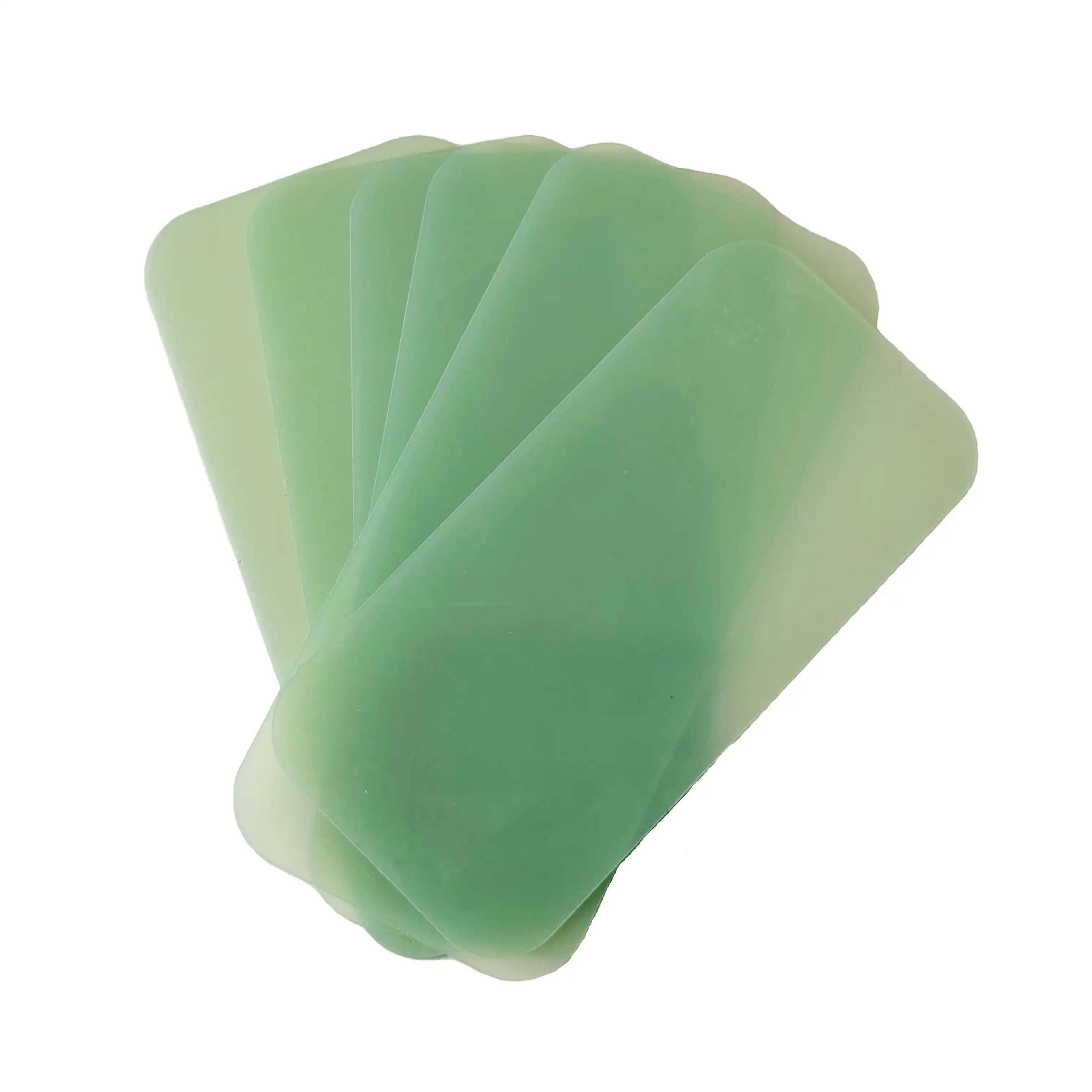
Understanding G10 Epoxy Sheets: Composition and Key Properties
Manufacturing Process and Material Composition
G10 composite laminates are made up of layers of continuous woven fiberglass cloth that are filled with high-quality epoxy resin systems. In the production process, curing steps are carefully managed and take place at high temperatures and pressures, usually between 150 and 180°C and more than 1000 psi. This method makes sure that all of the glue gets absorbed and that the cross-linking is done perfectly. The end result is a uniform composite structure that has great mechanical and electrical qualities.
The fiberglass support keeps the structure strong and the dimensions stable, and the epoxy material is great at blocking electricity and chemicals. The mixture makes a laminate that is very strong for its weight and works well in a wide range of weather situations. To make sure that each batch is the same, good makers keep a close eye on the fiber direction, resin content, and hardening parameters.
Mechanical and Electrical Performance Characteristics
G10 epoxy sheet materials have amazing mechanical qualities. Their tensile strengths can hit 310 MPa and their flexural strengths can go over 380 MPa. The material is very resistant to wear and keeps its shape even after being loaded and unloaded many times. Because of these qualities, G10 laminates are perfect for use as structural insulation in the making of tools and equipment.
Another big benefit of G10 products is that they work well with electricity. The dielectric strength is usually between 15 and 20 kV/mm, which makes it a good choice for high-voltage uses. The volume resistance is higher than 10^14 ohm-cm, which means it is very good at isolating electricity. Because the dielectric constant stays the same across frequency bands, these materials can be used for both radio frequency (RF) and microwave uses.
Thermal Stability and Environmental Resistance
Temperature efficiency is what makes G10 laminates different from many other materials. Continuous working temperatures can hit 130°C without damage, and temperatures up to 180°C for short periods of time are also fine. The low thermal expansion rate keeps the size stable even when the temperature changes, which is very important for precision uses.
Chemical protection for G10 epoxy sheet makes it possible for G10 materials to work effectively in harsh industrial settings. Common cleaners, oils, and cleaning agents can't damage the epoxy matrix, and it still has the same electrical and structural qualities. This resistance makes the device last longer and requires less care in tough situations.
Comparing G10 Epoxy Sheets with Other Laminates and Materials
G10 versus FR4 Performance Analysis
Both materials are made with fiberglass reinforcement and epoxy resin systems, but their formulas and function are very different. Flame-retardant additives in FR4 make it more resistant to fire, which is why it is chosen for electronics uses that need UL94 V-0 grades. But these additions can change the mechanical qualities and the way the material can be machined.
Because they don't have any flame-retardant fillers, G10 materials usually have better mechanical strength and better cutting qualities. It's easy to work with, and the material has a better surface finish and less tool wear. With these properties, G10 is a great choice for structure uses where flame protection isn't as important but mechanical performance is.
Comparison with Phenolic and Alternative Materials
When compared to G10 materials, phenolic cotton laminates have better mechanical qualities and are less expensive. However, phenolic resins are better at absorbing water and have weaker electrical qualities, especially when they are heated. G10 epoxy systems keep their electrical properties stable over a bigger range of temperature and humidity conditions.
Aluminum sheets are great at conducting heat and electromagnetic waves, but they aren't good at insulating electricity, which is needed in many situations. For uses that need all three qualities, G10 epoxy sheet materials offer the best mix of electrical protection, mechanical strength, and thermal stability.
Cost-Performance Considerations
When choosing a material, you have to balance the need for efficiency with the cost. Prices for G10 laminates are usually higher than those for phenolic or paper-based materials, but they last longer and work better. Often, the better machinability lowers handling costs and waste, which is good for the general economics of the project.
When looking at the total cost of ownership, G10 products often offer better value because they need less upkeep, last longer, and make manufacturing more efficient. When making a lot of things, these things become even more important because the consistency of the materials and the dependability of the handling have a direct effect on the prices of running the business.
CNC Machining Techniques for G10 Epoxy Sheets
Tool Selection and Cutting Parameters
To CNC-mill G10 materials successfully, you need to pay close attention to the cutting settings and tools you choose. The best results come from carbide tools with sharp cutting edges and the right shapes. Upcut spiral shapes on router bits help move chips away and keep temperatures from building up during machining processes.
Cutting speeds for G10 epoxy sheet should be between 3,000 and 6,000 surface feet per minute, but this depends on the width of the tool and the thickness of the object being cut. Feed rates should be changed to keep chip loads stable while keeping heat levels from getting too high. Choosing the right parameters can extend the life of a tool and make the surface finish better.
Dust Management and Safety Considerations
When you machine G10 epoxy sheet, you make fine dust particles that need to be collected and filtered in the right way. High-efficiency particulate air (HEPA) filter gets rid of dangerous particles and keeps workplaces clean. Proper air systems keep workers safe and keep machines from getting dusty.
Safety rules should include the right personal safety equipment, like masks and goggles for your eyes and lungs. Regular upkeep of dust collection systems keeps them working well and in line with safety rules at work. These steps protect workers' health and keep the best settings for cutting.
Advanced Machining Strategies
Specialized cutting methods work best for parts with complex shapes and close tolerances. Climb milling methods make the surface finish better and lessen edge chipping. During heavy material removal operations, multiple-pass methods help control the amount of heat that is made and lower the stress on the tools.
Workholding systems need to be able to handle the qualities of the material and provide enough support while it is being machined. Low-profile clamps and vacuum fittings keep workpieces from warping and make it easier to work with complex shapes. The right fixturing stops vibrations and makes sure that final parts are the right size.
Procurement Guide: How to Source High-Quality G10 Epoxy Sheets?
Supplier Evaluation Criteria
To find trusted suppliers, you need to look at their manufacturing skills, quality systems, and expert help resources in detail. Getting ISO certification shows that you are dedicated to quality control systems and regular ways of making things. Suppliers with military or aircraft licenses usually have the strictest rules about the quality of their materials and how they can be tracked.
Technical data sheets tell you important things about the qualities of a material, how to test it, and the standards that it must meet. Suppliers with a good reputation give full paperwork that includes data on the mechanical features, electrical characteristics, and environmental performance. This guide lets you specify the right materials and do the right application engineering.
Quality Standards and Certifications
Material approvals make sure that the product meets all business standards and government rules. UL certification gives you peace of mind about the safety and efficiency of electrical products. RoHS certification is becoming more and more important for products that need to be environmentally friendly.
Testing skills at the source level show dedication to material uniformity and quality control. When a supplier has its own testing lab, it can quickly address quality problems and meet specific testing needs. This feature is useful for situations where specific properties need to be checked or where custom material specs are needed.
Pricing and Lead Time Considerations
The price of G10 epoxy sheet depends on how thick it is, how big the sheet is, and how many sheets you order. When you buy in bulk, you usually save a lot of money because the cost of materials and shipping is lower. Understanding how prices work helps with making purchases and keeping track of budgets.
Lead times depend on how much material is available, how big of an order is, and how quickly the seller can make it. When compared to custom specs, standard thicknesses and sheet sizes usually have faster lead times. Getting suppliers involved early on helps make sure that materials are available for important production plans.
Making an Informed Decision: Selecting the Right G10 Epoxy Sheet for Your Needs
Application-Specific Requirements Assessment
To choose the right material, you must first carefully look at the needs of the product, such as the mechanical loads, electrical performance standards, and the surroundings. Changing temperatures, chemical exposure, and amounts of mechanical stress help set the standards for material grades and thicknesses.
Dimensional accuracy standards affect the choice of materials and the way they are processed. Materials that don't expand or contract much when heated or cooled are good for applications that need to be precise. When evaluating materials and making specifications for the first time, these things should be taken into account.
Long-Term Performance Considerations
The standards for durability affect the choice of material type and supplier. Premium material types with better protection to the environment are useful for applications that need to last a long time. Knowing how things age helps you guess how well they will work and how much care they will need in the future.
It's not just the price of the materials that matter when it comes to cost-effectiveness; processing speed, service life, and upkeep costs are also important. When compared to other materials, G10 epoxy sheet materials often have a lower total cost of ownership because they require less processing waste, last longer, and are more reliable.
Supplier Partnership Benefits
When you work with experienced providers, you can get access to professional advice, the creation of custom materials, and quick support services. Suppliers with a lot of experience with a certain application can give helpful design advice and suggestions for how to make things work better.
When making a lot of things, quality stability is very important. Reliable providers make sure that the features of the materials are the same from one production batch to the next and provide tracking paperwork to help with quality control. This uniformity lowers the variation in production and raises the quality of the final product.
Conclusion
To successfully CNC machine G10 epoxy sheets, you need to know how the material works, use the right cutting methods, and build trusting relationships with suppliers. For tough industrial jobs, these high-performance laminates provide great electrical protection, mechanical strength, and thermal stability. Manufacturers can get great results while extending the life of their tools and increasing their output by following well-known best practices for choosing tools, setting cutting parameters, and checking for quality. To make sure that materials are always available and work well, good buying strategies focus on the skills of the suppliers, quality standards, and building long-term partnerships.
FAQ
What thicknesses are available for CNC machining applications?
Standard widths are between 0.5 mm and 25 mm, and the most popular sizes are 6.4 mm, 1.6 mm, 3.2 mm, and 12.7 mm. When non-standard sizes are needed for certain uses, custom widths can be made. Thinner sheets are good for computer uses, while thicker sheets are better for structure parts that need to be stronger.
How do electrical properties compare to FR4 materials?
When compared to FR4, G10 materials usually have better mechanical qualities and are easier to machine. FR4 keeps flames from spreading, but G10 has higher bending strength and a smoother surface finish after it has been machined. Both materials are great at keeping electricity from flowing, but G10's qualities stay more stable when the temperature changes.
Can custom sizes be ordered for specialized manufacturing needs?
Most providers offer custom cutting for sheet sizes and forms that aren't normal. Laser cutting, water jet cutting, and CNC shaping can all be used to make exact unique sizes. Custom sizing usually adds one to two weeks to normal shipping times, but this can change based on how complicated the order is and what the supplier can do.
Partner with J&Q for Premium G10 Epoxy Sheet Solutions
J&Q has been making and selling high-quality insulating materials to manufacturing industries around the world for more than twenty years. Because we have more than 10 years of experience trading internationally and a lot of experience making G10 epoxy sheet, you can trust us to give you the right sheets for any job. In order to meet your unique needs, we keep a large collection on hand and offer custom sizing services.
Our integrated logistics services make it easy for you to get everything you need from the production of materials to their final delivery. This ensures that your activities have solid supply chain management. Get in touch with our expert team at info@jhd-material.com to talk about your G10 epoxy sheet requirements and get custom prices. We give you example materials and thorough technical paperwork to help you evaluate and specify materials, which will help you get the best results in your production applications.
References
Thompson, R.M. "Composite Laminate Materials in Electrical Applications: Properties and Processing Guidelines." Industrial Materials Engineering Journal, Vol. 45, 2023.
Chen, L. and Martinez, A. The Manufacturing Technology Review published an article in 2023 called "CNC Machining Optimization for Fiberglass Reinforced Plastics."
Williams, K.J. "Electrical Insulation Materials: Comparative Performance Analysis of Epoxy and Phenolic Systems." Power Engineering Materials, Vol. 38, 2022.
Rodriguez, P. "Advanced Manufacturing Techniques for Composite Laminates in Electronics Applications." Precision Manufacturing Quarterly, 2023.
Anderson and S.T. The 2022 Materials Compliance Review article is called "Quality Standards and Certification Requirements for Industrial Insulation Materials."
Liu, H. and Brown, D. "Thermal and Mechanical Properties of Glass Fiber Reinforced Epoxy Laminates." Composite Materials Research, Vol. 29, 2023.

Get a complete product list and quotation

J&Q New Composite Materials Company



