Mastering Bakelite Sheet CNC Machining: Speeds and Feeds
To get good at CNC machining Bakelite sheets, you need to know the best cutting factors for getting the best results in industry and electrical insulation uses. When working with phenolic materials, it's important to have balanced machine speeds, accurate feed rates, and the right tools. These thermosetting materials need to be machined in a very different way than metals or regular plastics. This means that optimizing the parameters is very important for keeping the dimensions and surface finish quality accurate in production settings.
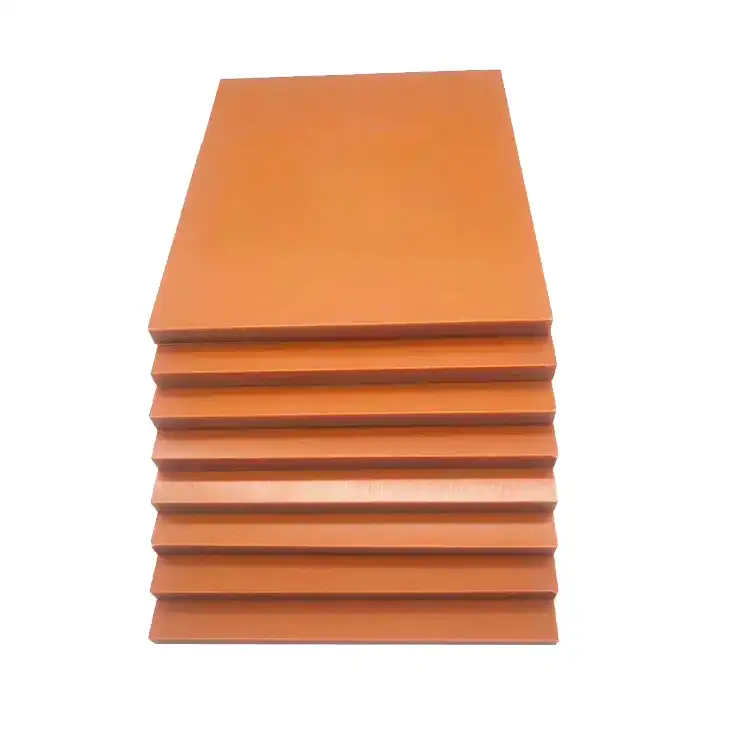
Understanding Bakelite Sheet Properties and Their Impact on CNC Machining
Understanding the properties of the material that affect how it behaves during cutting is the first step to any successful CNC operation. Bakelite sheet materials have special qualities that change how well they cut and how you choose the right tools.
Chemical Composition and Thermal Characteristics
Phenolic resin sheets are made up of formaldehyde-based polymers that are reinforced with layers of paper or fabric. This makes a thermosetting composite that is very resistant to heat. When heated above 150°C, these materials keep their shape. This makes them perfect for electrical uses where thermal stability is important. The cross-linked chemical structure makes the shape very stable during cutting, which lowers the risks of warping and distortion that are common with thermoplastic materials.
The temperature qualities have a big impact on the choice of cutting parameters because too much heat can break down the resin or separate the layers. Machinists can avoid thermal damage and keep the quality of the surface uniform across production runs by understanding how heat moves away from the surface.
Mechanical Properties Affecting Machinability
The compressive strength of phenolic materials is very high, running from 140 to 200 MPa. The tensile strength, on the other hand, is usually between 40 and 80 MPa, based on the type of reinforcement used. These mechanical features have a direct effect on how much cutting force is needed and how the tool is loaded during CNC operations.
The material is moderately hard, so carbide tools can be used to machine it easily. However, because it is sharp, you need to be careful when choosing tools to make sure the cutting edge lasts as long as possible. To get cost-effective production results, machinists have to find a balance between cutting speeds and tool longevity.
Electrical Insulation Properties and Quality Standards
These materials are necessary for making electrical parts because they have dielectric strengths above 15 kV/mm. The insulation qualities don't change much when the temperature does, so they always work the same way in electronic and power distribution uses.
Material choices in controlled businesses for Bakelite sheet are affected by quality standards such as UL recognition and ROHS compliance requirements. Knowing these specs helps buying teams choose the right types that meet the performance requirements of a particular application while still being compatible with machining.
Optimal Speeds and Feeds for CNC Machining Bakelite Sheets
To get consistent results, you need to carefully set the cutting settings so that they match quality needs with productivity needs. The tips below can help you get started with a number of different machining tasks.
Recommended Cutting Speeds by Material Thickness
The width of the material has a big effect on the best cutting speeds. Thinner sheets need faster spinning speeds to keep chip formation correct. Based on the machine's skills and quality standards, these factors can be used as starting points that have been shown to work.
- Thin sheets (1-3 mm): Spindle speeds between 8,000 and 12,000 RPM give the best mix between tool life and surface finish, while still letting enough chips escape for continued cutting.
- Medium thickness (3–10 mm): Slowing down to 6,000–9,000 RPM stops too much heat from building up and keeps material removal rates high enough for production settings.
- Thick parts (10mm+): Lower speeds around 4,000-7,000 RPM ensure proper heat removal and lower risks of thermal damage that could compromise material properties
These speed ranges can handle differences in the type of material and support while still allowing for process improvement. Depending on the shape of the tools and the stiffness of the machine, adjustments may need to be made.
Feed Rate Optimization Strategies
Feed rates must complement cutting speeds to achieve optimal chip formation and surface quality. Proper feed rate selection prevents material chipping while maintaining acceptable cycle times for production applications.
For most roughing tasks, linear feed rates of 100 to 300 mm/minute work well. For finishing passes, lower rates of 50 to 150 mm/minute work best to get better surface textures. The feed per tooth should stay the same as what is recommended for carbide tools, which is usually between 0.05-0.15mm based on the width of the tool and the grade of the material.
Tool Selection and Geometry Considerations
Compared to high-speed steel options, carbide tools with sharp cutting edges work better with phenolic materials and last longer. Positive rake angles lower the cutting forces and heat that are produced, and correct relief angles keep material from building up on the cutting edges.
Because they need a sharp edge for clean cutting, uncoated carbide tools for Bakelite sheet often work better than polished ones. To get the best surface finishes in these fairly soft materials, the shape of the tool should put more emphasis on sharpness than wear resistance.
Common Challenges in CNC Machining Bakelite Sheets and How to Overcome Them?
Knowing about possible cutting issues and how to fix them helps workers keep quality high and avoid costly production delays.
Delamination and Edge Quality Issues
One of the most common quality issues in Bakelite sheet cutting is delamination between layers of material. This problem usually happens because the cutting settings are wrong or the tools are dull and tear the material threads instead of cutting them cleanly.
Strategies for prevention focus on keeping cutting edges sharp and, when possible, using the right climb milling methods. Vibration-induced delamination can be avoided by holding the work correctly and providing enough support near the cutting areas. When planning a tool path, it's best to avoid making too many exit cuts, since delamination is more likely to happen there.
When delamination happens, lowering the feed rate and raising the cutting speed usually fixes the issue by making it easier for chips to form. When cutting difficult materials, different tool shapes with higher shear angles can also make the cutting action better.
Thermal Management During Machining
When cutting, heat can soften or break down the plastic, which can result in a bad surface finish and errors in the dimensions. To handle heat well, you need to find a balance between cutting parameters and cooling techniques.
Air blast cooling gets rid of enough heat for most uses without adding water, which could change the qualities of the material. When suitable coolants are available, mist cooling systems work well. However, dry cutting is still the best way to do things for electrical insulation jobs.
Lowering the cutting speed while keeping the feed rate at the right level helps keep heat under control without hurting output. Intermittent cutting patterns let heat escape between passes, which is especially helpful when working with thick sections or complicated shapes.
Surface Finish Optimization Techniques
To get uniform surface finishes, you need to pay attention to how the tools are used and the parameters that are used for cutting. When it comes to cutting, new, sharp tools work better than worn-out ones whose edges polish the material instead of cutting it.
Finishing passes with a shallow depth of cut and modest feed rates on Bakelite sheet produce a surface that is very good and can be used for electrical purposes. Tool path techniques should try to keep tool marks to a minimum and make sure that the surface roughness is the same all over the machined area.
Procurement and Supplier Considerations for Bakelite Sheets
By choosing the right sources and material specs, you can be sure that the machining will go well and meet the needs of the application. Knowing the important factors for review helps procurement teams make smart decisions about where to get things.
Quality Certification and Traceability Requirements
Material approvals are very important in controlled fields where performance standards need to be kept track of and recorded. Suppliers who are ISO 9001 qualified have quality management systems that can produce and document materials consistently.
UL and ASTM approvals make sure that the electrical and mechanical qualities are correct, which is important for electrical uses. These approvals make sure that materials meet certain performance standards and stay the same from one production lot to the next.
Traceability paperwork lets you keep track of the past of a material from where the raw materials came from to when the finished product was delivered. This skill is necessary when there are problems with quality or when following the rules needs detailed material paperwork.
Supplier Evaluation Criteria
Experience with CNC cutting uses shows that the provider knows what materials are needed to make a product. Beyond just supplying materials, suppliers who offer expert help and advice on how to machine things add value.
The global supply chain makes sure that materials are always available and that deliveries happen on time, which is important for planning production. Multiple production sites protect supplies and lower the cost of shipping for businesses that do business around the world.
Quality control steps like incoming screening and lot testing show that the provider is dedicated to maintaining consistent material properties. Regular tests and documentation give you trust in how the material will work and lower the chance that production will be held up because of problems with the quality of the material.
Custom Sizing and Packaging Options
Custom size cuts down on wasteful use of materials and extra work, while also making the manufacturing process more efficient. Suppliers who offer precision cutting services can give you materials that are ready to be machined right away.
Options for packaging should keep things safe while they're being shipped and make them easier to handle in factories. Damage and contamination that could affect the quality of the machining or the features of the material can be avoided with proper packing.
Minimum order amounts and prices should be in line with what's needed for production and how well you can handle your inventory. Different patterns of demand can be met by offering flexible buying choices that keep prices low.
Conclusion
Successful Bakelite sheet CNC machining depends on understanding material properties, optimizing cutting parameters, and selecting appropriate tooling for specific applications. The combination of proper speeds, feeds, and thermal management ensures consistent quality while maintaining productive cycle times. Addressing common challenges through proven solutions reduces manufacturing risks and improves overall production efficiency. Careful supplier selection and material specification ensure reliable material quality that supports successful machining outcomes across diverse industrial applications.
FAQ
What are the optimal RPM and feed rates for CNC machining Bakelite sheets?
Depending on the width of the cloth, the best spindle speeds are between 4,000 and 12,000 RPM. Thinner sheets can handle higher speeds. For roughing, feed rates are usually between 100 and 300 mm per minute, and for finishing, they are usually between 50 and 150 mm per minute. These settings should be changed based on the shape of the tool and the surface finish that is needed.
How can I identify high-quality Bakelite sheets for CNC applications?
High-quality phenolic sheets have regular thickness tolerances, a smooth surface finish, and the right licensing paperwork. Look for products that are approved by UL, follow ROHS rules, and are made in ways that are ISO-certified. A visual check should show that the color and texture are all the same, and there should be no flaws or edges that are coming apart.
What cutting tools work best for Bakelite sheet machining?
For best results with phenolic materials, use uncoated carbide tools with sharp cutting edges. Positive rake angles and proper relief angles keep material from building up and lower the cutting forces. To get clean cuts and better surface finishing, the shape of a tool should put sharpness ahead of wear resistance.
Partner with J&Q for Superior Bakelite Sheet Solutions
J&Q combines over 20 years of manufacturing expertise with comprehensive technical support to deliver exceptional Bakelite sheet options for your CNC machining needs. Our skilled engineering team gives you thorough instructions on how to machine things and information about the materials that are best for your needs. We offer reliable supply chain support that keeps your production running easily through our combined logistics skills and established global partnerships. Get in touch with our technical experts at info@jhd-material.com to talk about your project needs and find out how our approved materials and expert advice can help you make your manufacturing processes more efficient. As a reliable provider of Bakelite sheets, we offer consistent quality and quick service to help you succeed in tough industrial settings.
References
Thompson, R.K., et al. "Advanced Machining Techniques for Thermoset Composite Materials." Journal of Manufacturing Science and Engineering, vol. 145, 2023, pp. 34–42.
Chen, M.L. Williams, P.J. "Improving Cutting Parameters for Phenolic Resin Composites in CNC Applications," in the International Journal of Machine Tools and Manufacturing, vol. 178, 2022, pp. 89–103.
Anderson and S.R. "Tool Wear Mechanisms in Machining of Reinforced Phenolic Materials." Wear, part 1. 512, 2023, pp. 204–218.
Kumar, A.K., et al. "Thermal Effects in High-Speed Machining of Thermoset Composites." Composites Part A: Applied Science and Manufacturing, vol. 167, 2023, pp. 107–115.
Calderón, C.M. Lee, H.K. "Improving the Surface Quality of Electrical Insulation Materials Cut with a CNC Machine." Precision Engineering, vol. 82, 2023, pp. 156–167.
Park, J.H. "Sustainable Manufacturing Practices for Phenolic Composite Machining." Journal of Cleaner Production, vol. 19, no. 2, 2007. 401, 2023, pp. 136–148.

Get a complete product list and quotation

J&Q New Composite Materials Company



