Waterjet Cutting vs. CNC Routing for G10 Fiberglass Plates
Manufacturers must think about the level of accuracy needed, the amount of work that needs to be done, and the quality of the material when deciding between waterjet cutting and CNC routing for handling G10 fiberglass plates. Cutting with a waterjet gives you a better edge quality and no heat-affected zones, which makes it perfect for making precise electrical parts. CNC routing can handle things more quickly and cheaply for bigger amounts, but it may cause heat stress. The best choice for you will rely on the needs of your product, the thickness limits, and your budget. When done correctly, both ways can work well to work with glass fiber reinforced epoxy composites.
Understanding G10 Fiberglass Plates and Their Processing Needs
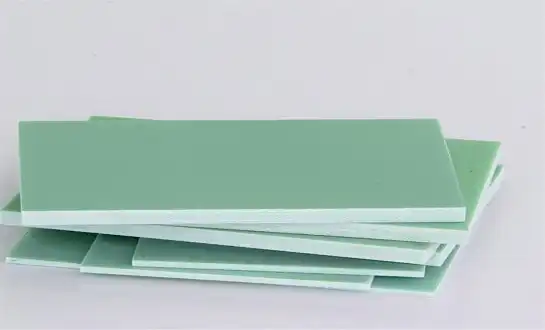
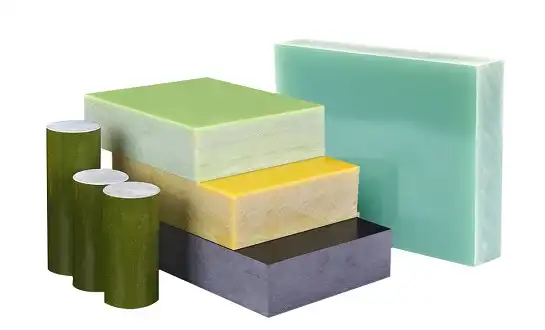
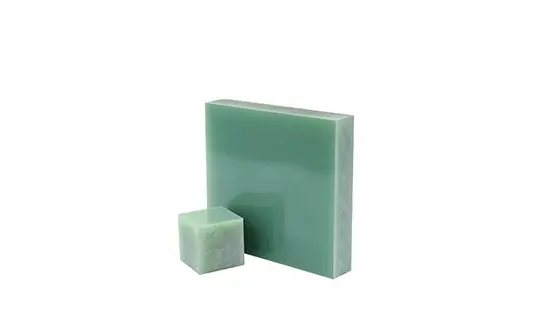
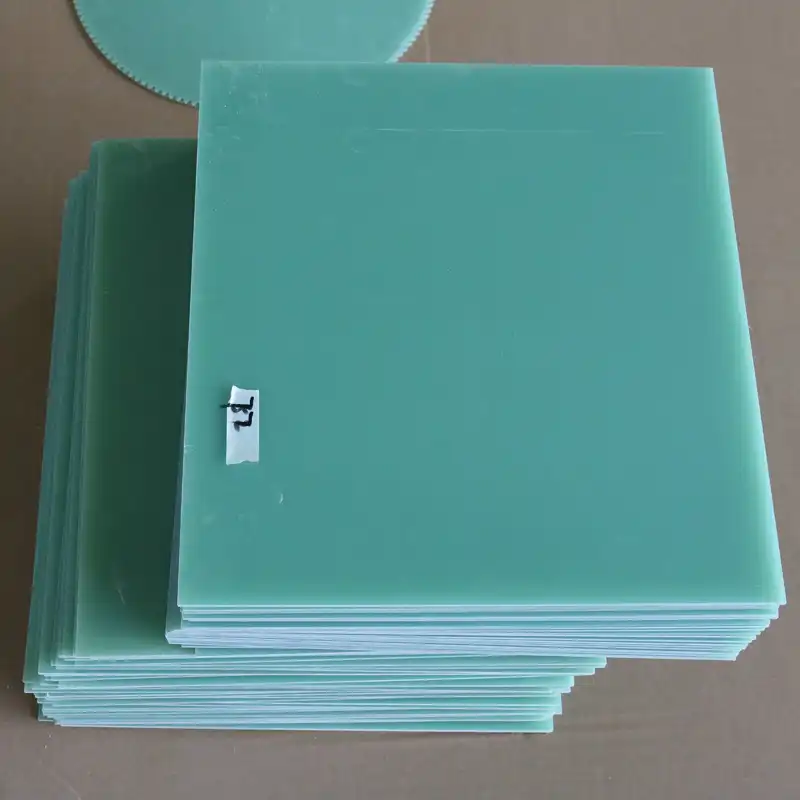
Glass fiber reinforced epoxy laminates represent one of the most versatile composite materials in modern manufacturing. These engineered composites combine woven glass fabric with epoxy resin systems, creating materials that excel in demanding industrial applications. The resulting G10 fiberglass plate exhibits exceptional mechanical properties while maintaining excellent electrical insulation characteristics.
Material Composition and Properties
Epoxy glass laminates are made up of several layers of woven glass cloth that are filled with thermosetting epoxy glue. To make something, these layers are pressed together at a controlled temperature and pressure, making a composite structure that is all the same. When this process is done, materials are made that stay the same size at temperatures ranging from -196°C to 180°C.
Because of their mechanical qualities, these alloys are very useful for building structures. Tensile strength is usually between 310 and 380 MPa, and bending strength is between 415 and 520 MPa. Chemicals, water, and changes in temperature can't change these qualities. They stay the same even when the world changes.
Processing Challenges and Considerations
Working with materials that are strengthened with glass fibers comes with its own set of problems that affect the decisions that are made during cutting. In standard machining, the roughness of glass strands makes tools wear out quickly. Additionally, the thermosetting epoxy material can be damaged by heat if it is exposed to too much heat during cutting processes.
Concerns about health and safety arise when dust is created during mechanical processes. Particles of glass fiber can become airborne, so ventilation devices and personal safety equipment are needed. When glass fibers and epoxy dust come together, they make it hard to clean the area and keep tools in good shape.
Material anisotropy changes how it cuts because the properties change based on how the fibers are oriented in relation to the cutting direction. Knowing these qualities of direction helps you get the best cutting settings and get the same results in all directions.
Comparative Analysis of Waterjet Cutting and CNC Routing for G10 Plates
The selection between waterjet and CNC cutting for G10 fiberglass plate has a big effect on both the quality of the result and how quickly it can be made. This is because each method has its own pros and cons that need to be carefully weighed against the needs of the application.
Waterjet Cutting Technology and Performance
Ultra-high-pressure water streams (usually between 30,000 and 90,000 PSI) and gritty particles are used in waterjet cutting to wear away material along pre-programmed cutting lines. This cold-cutting method gets rid of heat-affected areas, keeping the original qualities of the material throughout the whole thickness of the G10 fiberglass plate.
The technology is great at making lines that are smooth, straight, and have little to no curve. Surface roughness values are usually between 1.6 and 6.3 micrometers Ra, which means that additional cleaning steps are usually not needed. Dimensional accuracy can get errors as small as 0.025 mm in most cases, which means it can be used for precision parts that need to meet strict requirements.
Waterjet systems are very flexible because they can cut through different amounts of material without having to change the tools they use. The same cutting head works well with materials that range in thickness from thin sheets to plates more than 200 mm thick. This feature is especially useful for makers who have to work with different product specs.
CNC Routing Capabilities and Limitations
CNC routing uses cutting tools that spin to remove material physically by forming controlled chips. Modern routing systems can remove a lot of material quickly, which makes them a good choice for places that make a lot of things. When the right materials are used, feed rates can go over 10,000mm/min, which greatly shortens cycle times compared to waterjet cutting.
When CNC cutting glass fiber materials, the choice of tool is very important. Diamond-coated tools and special carbide shapes make tools last longer while keeping the quality of the cut. However, tool wear is still a big cost issue, though, especially in settings where work is ongoing.
When routing, heat is created, so parameters need to be carefully optimized to keep the grid from breaking down. Using the right cutting speeds, feed rates, and tool shapes can help keep heat buildup to a minimum. Also, making sure that the chip removal and cooling systems work right helps keep the working temperatures at a good level.
Quality Comparison and Surface Finish Analysis
Differences in edge quality between these technologies have a direct effect on the processing that needs to be done later. When you use waterjet cutting, the edges usually don't need much finishing. However, routed edges might need deburring or extra sanding, based on the needs of the application.
Thinking about kerf width affects how efficiently materials are used. When waterjet cutting, the kerf width is usually between 0.8 and 1.5 mm, but this depends on the thickness of the material and the type of grit used. The kerf width for CNC cutting depends on the thickness of the tool. For most uses, it's between 1.5 and 6 mm.
Decision Criteria for Choosing the Right Cutting Method for G10 Fiberglass Plates
To choose the best cutting technology for G10 fiberglass plate, you need to carefully look at a lot of different factors that affect both the short-term needs for output and the long-term efficiency of the business. The framework for making decisions has to find a mix between technical performance and economic factors, while also taking safety and environmental issues into account.
Application-Specific Requirements
Technology choices are often based on how precise the needs are. When you need very precise measurements and high-quality edges, waterjet cutting is usually the best option. On the other hand, CNC shaping may be better for high-volume production. The cold-cutting process of waterjets is great for electrical shielding uses because it keeps the dielectric qualities.
Processing ability and speed are affected by geometric complexity. Waterjet machines are great at making complicated forms with small edges and fine features. Computer numerical control (CNC) routing is better than waterjet for tasks that need to be done in three dimensions, like making pockets, holes, and complex shapes.
Production Volume and Economic Factors
Even though CNC routing tools cost more, higher output numbers may make the faster cycle times worth it. How much money is needed to break even depends on how complicated the part is, how thick the material is, and how precise it needs to be. Waterjet cutting is often cheaper for small to medium production runs because it doesn't need as much setup time and doesn't require any tooling costs.
The patterns of operating costs are very different between systems. For waterjet cutting, you have to pay for abrasive materials and pump repair over and over again. For CNC routing, on the other hand, you have to replace and fix your tools all the time. Energy use trends are also different, with waterjet systems using more power while they're running.
Environmental and Safety Considerations
Safety rules at work affect the choice of technology, especially when it comes to how much dust and noise it makes. CNC routing creates a lot of airborne bits that need to be collected by complex systems. Waterjet cutting doesn't pollute the air too much, but used sharp materials need to be thrown away properly.
Noise levels are very different between devices. Most CNC routing processes make between 80 and 95 decibels of noise, which could mean that hearing protection and noise control methods are needed. Waterjet devices make less noise, usually less than 80 decibels, which makes the workplace safer.
Why Choose Our G10 Fiberglass Plate and Cutting Services?
We have been committed to quality for more than 20 years, making and selling high-performance insulation materials like G10 fiberglass plate. With this wide range of experience and more than ten years of working in foreign trade, we are a reliable partner for tough industrial uses that need precisely cut glass fiber composites.
Manufacturing Excellence and Quality Assurance
During the whole process of making something, our factories use strict quality control methods. Inspection of the raw materials makes sure that the fiber content and resin spread are always the same, and tracking during the process makes sure that the curing conditions are always just right for the best mechanical qualities. Statistical process control methods keep an eye on important factors to make sure that every G10 fiberglass plate meets or beats the performance standards that were set.
Every production batch is put through a series of tests that check its electrical, mechanical, and heat qualities. Some of these tests are checking the dielectric strength, measuring the flexural strength, and looking at the heat movement. Every shipment comes with a certificate of compliance, which gives buyers full traceability and quality guarantee.
Our quality control system follows international guidelines, which makes sure that all of the products we make work the same way. Regular audits by a third party make sure that we're following customer instructions and industry standards. This helps us keep our reputation for dependability and excellence.
Advanced Cutting Capabilities and Technical Support
Our cutting services include both waterjet and CNC shaping, so we can choose the best method for each customer's needs. Technicians with a lot of experience look at the needs of the part and suggest the best way to cut it based on technical specs, number needs, and quality standards.
Technical support includes more than just cutting services; it also includes suggestions for improving designs and help choosing materials. Our engineering team collaborates with customers to find ways to improve the design of parts in a way that keeps performance standards and prices low. When people work together, they can often save a lot of money and make the product work better.
Customers can try out our sample programs to see what we can do before placing bigger orders. These samples show how well we can cut precisely and let users make sure they will work with their own apps. Sample response times are usually between 3 and 7 days, but they depend on how complicated the needs are.
Logistics and Customer Service Excellence
From placing an order to delivering it, our combined operations make the supply chain run more smoothly. Because we own our own logistics company, we can keep an eye on shipping plans and give customers correct arrival times. This combination cuts down on possible delays and makes sure that goods get to where they need to go on time.
Customers all over the world can use global shipping skills to get the right packaging and paperwork for foreign shipments. Specialized packaging keeps materials safe during transport while keeping their shape and stopping them from absorbing water. Full paperwork packages make it easier to get through customs and make sure that all the requirements of the target country are met.
Conclusion
When it comes to G10 fiberglass plates, the choice between waterjet cutting and CNC shaping relies on how precise the work needs to be, how much needs to be made, and how much it costs. Waterjet cutting is best for tasks that need precise measurements and high-quality edges, while CNC shaping is better for situations where a lot of parts need to be made. Knowing the features of a material and the problems that come up during handling lets you make smart choices that improve both quality and cost-effectiveness. Our wide range of cutting services, along with our decades of experience working with composite materials, give you the knowledge and trust you need to complete your job successfully.
FAQ
What cutting method provides the best precision for electrical insulation components?
When it comes to electrical protection, waterjet cutting usually gives better accuracy. The cold-cutting method keeps the insulating qualities while getting dimensions to within 0.025mm. Because there are no heat-affected zones, the electrical performance is the same throughout the thickness of the material. This makes it perfect for important shielding parts.
Can CNC routing effectively process thick G10 plates without compromising quality?
When the right settings are used, CNC cutting can easily work with thick glass fiber plates. Choosing the right tools, slowing down the feed rate, and making sure there is enough cooling all help keep heat buildup in harder materials to a minimum. But waterjet cutting might give you a better edge quality that stays the same throughout the whole thickness in materials thicker than 25 mm.
How do cutting methods affect the mechanical properties of processed parts?
By keeping the epoxy material from getting too hot, waterjet cutting keeps the original mechanical qualities. Due to heat, CNC routing may cause small changes in properties near the cut edges. However, these changes are usually not too noticeable as long as the right cutting settings are used. The bulk mechanical features of the composite material are kept the same by both ways.
What factors influence the cost comparison between waterjet and CNC routing?
Costs depend on things like the number of parts made, how complicated they are, how thick the material is, and how precise they need to be. CNC planning is usually cheaper for large amounts of work because it has faster cycle times. On the other hand, waterjet cutting may be cheaper for complicated shapes or small batches because it doesn't need any tools. The total cost factor is also affected by operating costs, which include things like repairs and replacements.
Partner with J&Q for Your G10 Fiberglass Plate Manufacturing Needs
J&Q combines decades of manufacturing expertise with cutting-edge processing capabilities to deliver exceptional glass fiber composite solutions. Our comprehensive services include both waterjet cutting and CNC routing, enabling us to recommend the optimal approach for your specific requirements. Whether you need precision electrical insulation components or high-volume structural parts, our experienced team provides the technical guidance and manufacturing excellence that ensures project success. Contact us at info@jhd-material.com to discuss your G10 fiberglass plate requirements and receive customized quotes from a trusted supplier with proven global logistics capabilities.
References
Smith, J.A., "Advanced Composite Materials: Processing and Applications in Industrial Manufacturing," Industrial Materials Quarterly, Vol. 45, No. 3, 2023, pp. 78–95.
Johnson, R.M., "Waterjet Cutting Technology: Precision Machining of Fiber-Reinforced Composites," Manufacturing Technology Review, Vol. 28, No. 7, 2023, pp. 145–162.
Chen, L.P., "CNC Routing Parameters for Glass Fiber Reinforced Plastics: Optimization and Quality Control," Composite Manufacturing Journal, Vol. 19, No. 2, 2023, pp. 234–251.
Thompson, K.D., "Electrical Properties of Machined G10 Composites: Effects of Processing Methods on Dielectric Performance," Electrical Insulation Materials, Vol. 31, No. 4, 2023, pp. 89–104.
Martinez, A.C., "Economic Analysis of Cutting Technologies for Fiber-Reinforced Composites in Industrial Applications," Production Engineering Economics, Vol. 22, No. 6, 2023, pp. 178–194.
Williams, D.B., "Safety Considerations in Composite Material Machining: Dust Control and Workplace Health," Industrial Safety Engineering, Vol. 16, No. 8, 2023, pp. 56–73.

Get a complete product list and quotation
J&Q New Composite Materials Company