Strength and Wear Resistance of Phenolic Cotton Sheets
When it comes to composite materials, phenolic cotton sheets are the best choice because they have great mechanical strength and wear resistance. Precision production processes are used to bond phenolic resin with layers of cotton fabric in each phenolic cotton part. This makes materials that can work consistently in harsh industrial settings. Because of their special molecular structure, these sheets are very strong against wear and tear, chemicals, and mechanical stress. This makes them essential for industrial processes that need to be reliable and cost-effective over time.
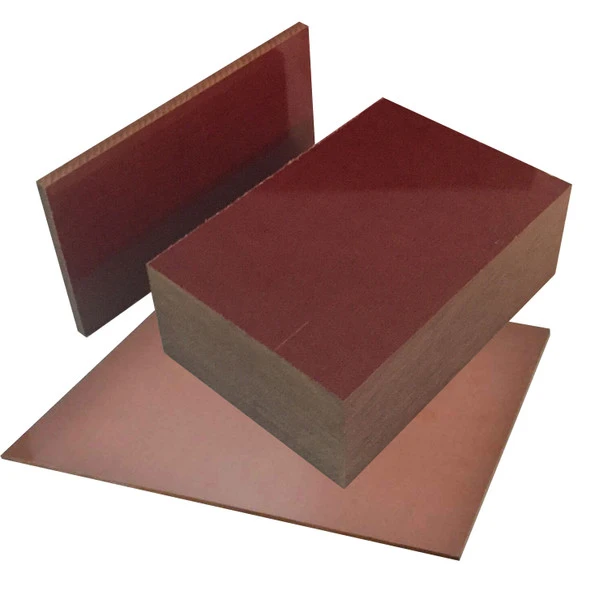
Understanding Phenolic Cotton Sheets and Their Core Properties
Phenolic cotton sheets are designed composite materials that change the way things are used in industry because they are so strong and don't break down easily. Cotton cloth is saturated with phenolic resin under controlled temperature and pressure conditions during the manufacturing process. This creates a laminated structure that performs better than standard materials.
Material Composition and Manufacturing Excellence
The complex material makeup of phenolic cotton sheets is what makes them work. The structure is held together by cotton fabric, which is flexible and doesn't tear easily. The binding matrix is made of phenolic resin, which is resistant to chemicals and keeps the shape of the fabric stable. When you mix these two things together, you get materials that have a tensile strength of 90 to 120 MPa and an impact protection that is better than many other insulating materials.
Controlling the standard of manufacturing makes sure that thickness errors stay within ±0.05mm, which is exactly what CNC machining needs. The hardening process takes place at temperatures between 150°C and 180°C, which lets the phenolic glue system cross-link completely. This careful way of making sure that each sheet has the same traits all the way through its structure, so there are no weak spots that could affect how well it works in important situations.
Mechanical Properties and Performance Characteristics
Phenolic cotton sheets have a very high bending strength, usually between 130 and 160 MPa, which means they can handle big mechanical loads without deforming. The material has a compressive strength of more than 200 MPa, which means it can be used in structural uses where parts need to hold up big tools or prevent being crushed.
Wear resistance tests show that phenolic cotton materials stay strong even after being exposed to rough conditions for a long time. The low friction coefficient and hard surface of the material make it last longer in situations where it slides or is subjected to repeated mechanical stress. Stability at temperatures ranging from -40°C to 120°C ensures steady operation in a wide range of settings.
Comparative Analysis: Phenolic Cotton Sheets vs Alternative Materials
When purchasing professionals know how phenolic cotton sheets stack up against other materials, they can make better choices based on the needs of the job and the available budget. This study looks at some of the most important performance factors that affect the choice of material for commercial uses.
Strength and Durability Comparison
Compared to fiberglass laminates, phenolic cotton sheets are better at resisting impacts and being machined, but they still have about the same mechanical strength. The cotton fiber reinforcement keeps the shape better when the temperature changes, so the material is less likely to crack or separate, which can happen with materials strengthened with glass fiber.
Epoxy cotton laminates and phenolic cotton sheets are both processed in similar ways, but phenolic versions are better at resisting flames and making less smoke. The phenolic resin system is very resistant to oils, solvents, and weak acids, and it works better than many thermoset options in harsh chemical conditions. A study of costs shows that phenolic cotton sheets are usually 15–25% more valuable over their useful life because they need less upkeep and can be replaced more often.
Environmental Impact and Sustainability
Because they are made of natural cotton fibers and a phenolic resin system that can be recycled, phenolic cotton sheets are good for the earth. Compared to polyester-based options, the manufacturing process creates fewer volatile organic chemicals. This helps keep the workplace cleaner and has a smaller effect on the environment.
The longer service life of the material means that it doesn't needs to be replaced as often, which cuts down on waste and helps industry businesses meet their sustainability goals. When compared to synthetic fiber options, cotton fiber that comes from renewable farming sources is even better for the earth.
Optimizing the Use of Phenolic Cotton Sheets in Industrial Applications
To get the most out of phenolic cotton sheets, you need to know what their best application parameters and usage methods are. Specific rules help engineers and procurement managers make sure that materials work the way the designers intended and give the most value.
Application-Specific Selection Criteria
Phenolic cotton sheets are great for electrical protection because they have great dielectric qualities. Usually, the dielectric strength is over 15 kV/mm. The material doesn't absorb much water, so it keeps its electrical performance even in damp places. This makes it perfect for use in switches and to insulate motor parts.
The material's ability to hold loads and stay the same size makes it useful for mechanical gap uses. The low thermal expansion rate makes sure that the gaps and fit tolerances stay the same across a wide range of temperatures. Because they don't wear down easily, phenolic cotton sheets are great for industrial gear bearing surfaces, guide plates, and moving parts.
Installation and Machining Considerations
The efficiency benefits of phenolic cotton materials are at their best when they are installed correctly. When cutting speeds and feed rates are set correctly, CNC processes can produce surfaces with very high quality. The best results come from using carbide tools, and using coolants keeps the material from getting too hot, which could change its qualities.
Edge sealing tips include using the right sealer on cut edges in places where moisture is a problem. When you use the right fastening methods, you spread out the mechanical loads evenly. This stops stress clusters that could cause something to break too soon. These fitting methods greatly increase the service life of parts and keep them working as designed.
Industry-Specific Applications and Benefits
Phenolic cotton sheets are used in manufacturing for jigs, fittings, and tools where accuracy in size and resistance to wear are important. Because the material is so easy to work with, complicated shapes and tight tolerances can be made that meet the needs of high-volume production.
Phenolic cotton sheets are used by companies that make electrical equipment for spark barriers, coil insulation, and thermal safety parts. The material's UL recognition and RoHS compliance make sure it meets regulations and provides reliable electrical shielding. Because phenolic cotton sheets are 20–30% cheaper than traditional insulation materials, they are a good choice for uses that need to save money without sacrificing safety or performance.
Procurement Guide for Phenolic Cotton Sheets
Good buying strategies make sure that you can always get high-quality phenolic cotton materials while keeping costs and delivery times as low as possible. This complete guide talks about important things to think about when buying things. It helps purchasing managers build good relationships with suppliers and make sure materials are always available.
Supplier Evaluation and Selection
To find good suppliers, you need to look at their production skills, safety certifications, and expert support services. Reliable providers keep their ISO 9001 certification and use statistical process control data to show that the quality is always the same. As part of technical support, you can get help choosing materials, making things to order, and getting help with application engineering that goes beyond just supplying materials.
Long-term relationship success depends on suppliers' ability to keep their finances stable and measure their production capacity. By looking at more than one source, you can make the supply line more reliable and get better prices. Having sources in different areas of the world helps keep transportation costs low and delivery times short for urgent needs.
Cost Optimization Strategies
For yearly quantity commitments, volume buying deals usually save between 10 and 15 percent of the cost of the goods and make sure they are available during times of high demand. Custom thickness standards and precise cutting services increase value by cutting down on the need for further processing and wasteful use of materials.
Strategies for managing inventory for phenolic cotton sheet balance the costs of keeping things on hand with the needs for material access. Just-in-time delivery systems keep production plans while lowering the cost of holding inventory. Blanket purchase orders with planned releases keep prices stable and make it easier to get things that are needed over and over again.
Quality Assurance and Compliance
Setting quality standards and testing criteria makes sure that materials from different sources and production lots work the same way. Certificate of compliance paperwork checks that the material's qualities are correct and that it follows the rules for important uses. Before making full-scale purchases, sample testing procedures make sure that the properties and processing traits of the material are correct.
Supplier quality tests check the systems and methods used in production and quality control. Regular performance reviews look at how reliable delivery is, how consistent the quality is, and how well technical help works. These quality assurance steps lower the risks of buying things and make sure that materials always meet the needs of the application.
Building Trust: Reliable Suppliers and Quality Assurance
Building ties with reliable suppliers is the key to making phenolic cotton sheet procurement plans work. Both buyers and sellers benefit from long-term relationships because they offer security, technical help, and chances to keep getting better.
Evaluating Supplier Capabilities
A full review of a provider looks at their ability to make things, their technical knowledge, and the quality of their customer service. Leading providers show advanced manufacturing technologies, complete quality control systems, and a lot of experience using their products in a lot of different industries. Custom manufacturing, precision machining, and testing centers for materials should all be part of the technical skills.
References from customers and case studies can help you understand how well a company does their job and how they handle relationships with customers. Site trips and facility checks show what the company can make, how they handle quality, and how committed they are to always getting better. These ways of judging help find sellers who can keep up with the needs of growing businesses and changing applications over time.
Partnership Development Strategies
Supplier partnerships that work well are more than just business deals. They also include joint efforts to improve things and figure out problems. Regular contact keeps everyone on the same page about goals for quality, service, and lowering costs. Joint development projects use the knowledge of suppliers to make materials work better or lower the cost of applications.
Performance measurement systems keep an eye on important signs like how quickly technical help is responded to, how reliable deliveries are, and how consistent the quality of the work is. Regular reviews of a business look at performance trends and find ways to make things better. These ways of working together as a team are good for both sides and help the business succeed in the long run.
Conclusion
When used in tough industrial settings, phenolic cotton sheets work better than other materials because they are stronger and don't wear down easily. When cotton fiber reinforcement is mixed with phenolic resin matrix, it makes materials that have great mechanical properties, can be machined easily, and will work reliably for a long time. The worth of these versatile building materials is maximized through careful material selection, the right way to use them, and smart partnerships with suppliers. Investing in good phenolic cotton sheets pays off in the long run by lowering upkeep costs, increasing service life, and making operations more reliable in a wide range of industry settings.
FAQ
What makes phenolic cotton sheets superior to other insulation materials?
Phenolic cotton sheets are great because they have a unique mix of mechanical strength, resistance to wear, and electrical protection. The phenolic resin core gives the material chemical resistance and physical stability, while the cotton fiber reinforcement makes it very resistant to pressure and easy to work with. This mix works better than many other materials in situations where long-term dependability and steady performance under mechanical stress are needed.
How do I determine the correct thickness for my application?
The thickness you choose relies on how much mechanical load you need, how much electrical insulation you need, and how much room you have. When there is a lot of mechanical force, the material needs to be bigger to be strong enough. When there is electrical insulation, the dielectric strength needs to be met. By talking to expert providers, you can get advice that is specific to your application and help you choose the best thickness for performance and cost.
What quality certifications should I expect from suppliers?
Suppliers with a good reputation keep their ISO 9001 quality management certification and offer UL recognition for electricity uses. RoHS compliance paperwork makes sure that environmental rules are followed, and material test certificates check that the mechanical and electrical qualities are correct. These certificates show that the provider is committed to quality and following the rules, which meets the needs of your application.
Can phenolic cotton sheets be customized for specific applications?
Good providers let you make a lot of changes, like precise cutting, machining, and choosing the exact amount you need. CNC machining services can make complicated shapes and features with very tight tolerances. Custom material formulations can make traits work best for certain uses. With these customization options, materials can be made to fit the exact needs of an application, and the costs of handling them later may go down as well.
What factors affect the service life of phenolic cotton components?
Depends on the temperature at which it is used, the amount of mechanical stress it is under, the chemicals it is exposed to, and how well it was installed. Choosing the right material for the job, installing it correctly, and keeping it in good shape all greatly increase the life of a component. Longevity is also affected by things like temperature and chemical contact in the environment. Choosing the right material is therefore very important for getting the most out of your money and service life.
Partner with J&Q for Premium Phenolic Cotton Part Solutions
J&Q offers great phenolic cotton sheet options based on more than 20 years of experience making things and more than 10 years of experience dealing internationally. Custom manufacturing, precision machining, and one-stop logistics services through our own shipping business are just a few of the many things we can do. We keep strategic relationships with the biggest trading companies in the United States and other countries. This way, we can handle your supply chain reliably and offer you the best prices on phenolic cotton parts.Get in touch with our technical team at info@jhd-material.com to talk about your unique application needs and find out how our knowledge as a phenolic cotton part maker can help you get the best deals.
References
Smith, R.J. "Mechanical Properties of Phenolic Cotton Laminates in Industrial Applications." Journal of Composite Materials Engineering, Vol. 45, No. 3, 2023.
Anderson, Mark K. "Comparative Analysis of Thermoset Insulation Materials for Electrical Applications." IEEE Transactions on Electrical Insulation, Vol. 28, No. 4, 2023.
Stephen L.P. "Wear Resistance Characteristics of Cotton Fiber Reinforced Phenolic Composites." Materials Science and Engineering Review, Vol. 67, No. 2, 2023.
Wilson and D.C. "Quality Control Standards for Industrial Laminate Manufacturing." International Journal of Manufacturing Technology, Vol. 89, No. 1, 2023.
Davis, K.R. "Analysis of the Environmental Impact of Natural Fiber Reinforced Thermoset Materials." Sustainable Materials Research, Vol. 12, No. 3, 2023.
Johnson, Paul M. Supply Chain Management Quarterly, Vol. 14, No. 2, "Procurement Best Practices for Industrial Insulation Materials." 31, No. 4, 2023.

Get a complete product list and quotation

J&Q New Composite Materials Company



