Phenolic Paper Sheet CNC Machining: What You Need to Know
Understanding the special qualities and processing needs of phenolic paper sheets is important for manufacturing success when thinking about CNC machining for electrical shielding tasks. The phenolic resin is soaked into layers of cellulose paper to make these hybrid materials. They are very good at keeping heat in and electricity from flowing through them, and they are also very strong, which makes them perfect for precision cutting. Learning how to machine phenolic paper sheets can make a big difference in the success of your projects and the amount of time you save during production, whether you're making parts for switches, motor insulation, or mechanical gaps.
Understanding Phenolic Paper Sheets for CNC Machining
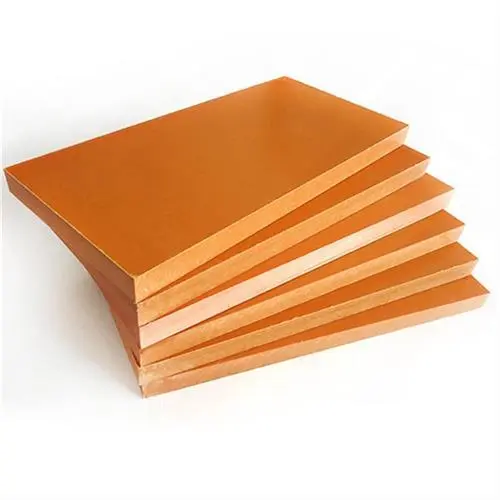
Phenolic paper sheets are a high-tech hybrid material that are made by mixing several layers of cellulose paper with phenolic glue under controlled heat and pressure. This way of making things makes a thick, even material that has the power of paper fibers and the resistance to heat and chemicals of phenolic resins.
Material Composition and Structure
The phenolic resin matrix provides thermal stability and electrical insulation qualities, while the carefully chosen cellulose fibers provide mechanical support. By combining these two things, you get a material that stays the same size even at different temperatures. This makes it perfect for precise CNC work.
The resin percentage is usually between 25 and 35 percent by weight, which is the best mix between how easy it is to work with and how well it performs. In general, more resin makes the electrical qualities and heat protection better while still keeping the mechanical strength high enough for tough jobs.
Key Properties Affecting Machining Performance
When it comes to CNC cutting, thermal qualities are very important. Phenolic paper sheets can withstand temperatures of up to 150°C for long periods of time, and they can handle temperatures of up to 180°C for short periods of time. This thermal stability keeps the material from breaking down during high-speed cutting processes that make a lot of heat.
The electrical insulator works the same way during the whole grinding process, and the dielectric strength values are usually higher than 15 kV/mm. This property retention makes sure that finished parts keep the electrical properties they were meant to have, no matter how complicated the cutting is.
The material's mechanical qualities include tensile strengths between 80 and 120 MPa in a direction perpendicular to the grain, and flexural strengths that allow for complex geometric cutting without delamination issues.
Industrial Applications and Advantages
In the manufacturing industry, phenolic paper sheets are used for many different tasks where heat resistance and electrical protection meet. These materials are used in power distribution equipment for spark shields and coil insulation parts that need to be able to handle electrical stress while still being accurate in size.
When used in motor making, the material is useful because it reliably insulates electrical components while also being strong enough for fixing and support tasks. CNC machining makes it possible to keep thickness limits that are uniform. This makes sure that important uses have the right fit and electrical clearances.
Because the material is flame-resistant and easy to machine, it is used to make custom casings and mounting frames for electronic equipment and circuit board support structures.
Challenges and Solutions in CNC Machining of Phenolic Paper Sheets
Machining phenolic paper sheets with a CNC machine has its problems that need special methods and knowledge of how materials behave. The layered structure and resin content make the cutting properties very different from those of uniform materials.
Common Machining Difficulties
When phenolic paper sheets are machined, problems with edge quality become the main issue. The alternate layers of paper and resin can make the edges of cuts more likely to come apart, especially if the cutting settings are wrong or the tools are worn out.
Because phenolic resins are rough, they speed up tool wear, especially when cutting quickly or without enough cooling fluid. The resin substance makes heat when it is cut, which can soften the material and give it a bad finish if it is not handled properly.
Chip removal is hard because the material makes small, sticky chips that can get stuck in cutting tools and lower the quality of the surface. These chips stick to tool surfaces a lot, so they need to be cleaned often and could affect the accuracy of the measurements.
Optimized Cutting Strategies
To do grinding well, you need to pay close attention to the shape and choice of cutting tool. Cutting-edge carbide tools with positive rake angles and sharp cutting edges give the best results by lowering cutting forces and heat production. Standard welding tools don't work as well with composite materials as tools that are made just for them.
Here are the most important cutting factors that will guarantee the best results:
- Cutting speeds should stay modest, around 200 to 400 surface feet per minute, to keep output high and avoid too much heat buildup.
- Feed rates need to be carefully balanced between how fast they remove material and how well the edges are cut. The best ranges depend on the thickness of the material and the shape of the cutting tool.
- Limits on the depth of cut help keep delamination from happening, and multiple short passes often give better results than bold single-pass operations.
Together, these setting improvements reduce the amount of heat that is made while increasing the quality of the edge and the life of the tool.
It becomes very important to use coolant to keep the cutting performance high and stop the material from heating up and breaking down. For smaller machining tasks, air blast cooling is often enough. However, flood water may be needed for high-volume production or parts with complicated shapes.
Real-World Case Studies
Manufacturing experience has shown that phenolic paper sheets can produce great results when set up correctly and the right parameters are chosen. One good use was making precise gaskets for transformers, where keeping the thickness limits very close was important for the electrical performance.
The method of cutting phenolic paper sheets used carbide end mills with 30-degree helix angles and climb milling processes. The feed rates were changed to 0.003 inches per tooth, and the cutting speeds stayed at 300 surface feet per minute. With this mix, the quality of the edges met strict electrical clearance standards, and production efficiency goals were met.
In a different case study, complicated mechanical spacers were made for use in industrial equipment. For the job, the internal shapes had to be very complicated, and there had to be very strict tolerances for many features.
Comparing Phenolic Paper Sheets with Alternative Materials
Choices about which materials to use have a big effect on both the success of cutting and the performance of the finished part. It is helpful to know the pros and cons of phenolic paper sheets compared to other materials so that design and production methods can be improved.
Performance Comparison Matrix
The thermal properties of phenolic paper sheets set them apart from many other options. Melamine-based materials have similar electrical qualities, but they usually have lower values for continuous temperature and less resistance to thermal shock.
Fiberglass-reinforced materials are great for uses that need high mechanical strength, but they can be harder to machine because they contain rough glass fibers. Because of the increased tool wear and possible health risks during cutting, phenolic paper sheets are a good option for many uses.
Plastic laminates might have better surface finishing options, but they usually can't compete with phenolic paper sheets when it comes to heat performance in tough situations. Many plastics can't be used in high-heat places because they don't work well there, but phenolic materials can.
Cost-Effectiveness Analysis
The cost of materials is only one part of the overall economics of a job. When it comes to machining speed, tool life, and end component performance, phenolic paper sheets often offer better value.
When comparing machining times, phenolic paper sheets are usually better because they are easier to set up and cut precisely. The material is stable during machining processes, so less scrap and repair is needed than with more difficult options.
Total manufacturing costs are affected by tool life economics in a big way. When compared to highly rough options like glass-filled materials, phenolic paper sheets have mild tool wear properties that mean lower tooling costs.
Selection Criteria for Procurement Teams
For many uses, the choice of material is based on the temperature needs. When temps stay above 120°C for a long time, phenolic paper sheets work reliably when many other options don't.
The needs of the product must match the electrical standards, such as dielectric strength, arc resistance, and tracking resistance. Phenolic paper sheets work the same way electrically no matter what the weather is like.
Mechanical property standards include things like stiffness, power, and resistance to force. Because phenolic paper sheets have a reasonable set of properties, they can be used in situations that need middling mechanical performance along with excellent thermal and electrical properties.
Procurement Guide for Phenolic Paper Sheets
To successfully buy phenolic paper sheets, you need to know what the provider can do, what the quality standards are, and how to handle logistics that affect project costs and timelines. Because making composite materials is so complicated, choosing the right source is even more important.
Supplier Evaluation and Selection
Manufacturer approvals are very important for proving that quality systems and output skills work. Getting ISO 9001 certification shows that you are committed to consistent quality management, and getting industry-specific certifications like UL recognition makes sure that you follow electricity safety standards.
Evaluating suppliers' production ability helps make sure they can meet volume needs and shipping dates. It's easier to plan the supply chain when you know about manufacturing wait times, minimum order amounts, and production flexibility.
Quality control methods have a direct effect on how consistent materials are and how reliably they work. Suppliers should show that they can test a wide range of things, such as checking electrical properties, heat performance, and confirming the accuracy of measurements.
Purchasing Considerations and Strategies
Structures that set prices based on volume often give big discounts for buying in bulk. Knowing the break points for each price tier helps you get the best deal on orders and keep track of your inventory levels.
By making stock that is closer to the end size, custom sizing can cut down on cutting time and waste. A lot of providers offer accurate cutting services that work well with CNC machines.
Logistics issues in the supply chain include how to package items, how to ship them, and how flexible the delivery schedule needs to be. Good packing keeps things from getting damaged during shipping, and good operations help just-in-time manufacturing methods work.
Direct Factory Sourcing Advantages
When you work directly with makers, you can often get technical help and customization choices that you can't get through wholesalers. Having engineering help with choosing materials and developing applications is very helpful and goes beyond just supplying materials.
Dealing directly with makers makes pricing more clear because you don't have to pay markups to distributors, and you can see how costs are structured better. Because of this, project planning and pricing can be done more accurately.
Direct connections with factories make it easier to track the quality of products because they make it easier to keep records of the properties of materials and production factors that meet quality assurance standards.
Ensuring Quality and Longevity in Machined Phenolic Paper Components
Paying close attention to processing details and techniques after machining for phenolic paper sheets is necessary to keep the material's qualities during the machining process and make sure the part works well for a long time. Because phenolic paper sheets are so different, they need to be handled in a certain way to keep their useful qualities.
Preserving Material Properties During Machining
Controlling the temperature during machining stops thermal decay that can damage mechanical and electrical qualities. When there is too much heat, the glue can break down and the paper layers can separate.
When applying something that will be wet or in a harsh setting, edge sealing becomes important. Even though phenolic resins are very good at keeping out wetness, cut edges may need extra protection in tough situations.
To maintain dimensional stability, you need to know how grinding forces change the long-term shape of a part. Using the right clamping methods and thinking about how to relieve stress can keep things from twisting and changing sizes over time.
Testing Protocols and Quality Assurance
Electrical testing makes sure that the cutting processes haven't changed the dielectric properties or created conductive paths. Standard test methods are a good way to figure out how well electricity performance is maintained.
Validation of mechanical properties shows that the structure stays strong during the grinding process. Tensile and flexural tests can make sure that the mechanical performance meets the needs of the product.
Thermal performance testing makes sure that the qualities of heat resistance don't change after the part has been machined. Thermal aging tests can tell you how something will work in high temperatures in the future.
Post-Processing Treatment Options
Surface treatments can make things more resistant to water and better able to work with their surroundings in tough situations. Different coatings offer extra security without having a big effect on the electrical qualities.
Edge cleaning methods help keep cut surfaces dry and stop wetness from getting in, which could hurt the long-term performance. Most of the time, simple solutions are enough for most situations and are still cost-effective.
Advice on how to store and handle materials helps keep their traits between being machined and being put together for the first time. When weather controls are set up correctly, moisture absorption and changes in size that could affect fit and function are stopped.
Conclusion
To get good at CNC making phenolic paper sheets, you need to know how they are made, how to deal with specific cutting problems, and how to make sure the quality is good. It is because these composite materials are so good at resisting heat and electricity that they are useful in demanding industry settings. To be successful, you need to choose the right tools, make sure the cutting factors are just right, and pay close attention to keeping the material's properties during the whole production process. The right supplier relationship guarantees both instant manufacturing success and long-term component reliability. They should have over twenty years of experience making insulation sheets and specific knowledge in CNC machining applications.
FAQ
What cutting tools work best for phenolic paper sheet machining?
When cutting phenolic paper sheets, the best results come from using carbide cutting tools with sharp edges and positive rake angles. To get the best mix between cutting speed and edge quality, the helix angles on the tools should be around 30 degrees. Because they are designed to work best with resin-based materials, specialized composite cutting tools often do a better job than regular welding tools.
How does thickness affect CNC machining parameters?
To keep the quality of the edges constant and stop the sheets from delaminating, the cutting settings for thicker phenolic paper sheets need to be changed. For more accurate measurements, lower feed rates and more than one pass may be needed for deeper cuts. Supporting the material becomes more important as the sheets get bigger so that they don't vibrate and cuts are clean during the cutting process.
What advantages do phenolic sheets offer over fiberglass materials?
When compared to glass-reinforced products, phenolic paper sheets are easier to machine and cause less tool wear. They get rid of the health risks that come with glass fiber bits while still providing the same level of thermal and electricity performance. Because they behave consistently and can be predicted, phenolic sheets are a more cost-effective choice for many precision machining tasks.
Partner with J&Q for Expert Phenolic Paper Sheet Solutions
J&Q has been making insulation materials for more than 20 years and dealing internationally for more than 10 years. This allows them to offer the best phenolic paper sheet options for CNC machining tasks. We know a lot about the properties of materials, how they should be machined, and quality standards. This means that your projects will get the expert help and solid supply chain management they need to be successful. As a well-known company that makes phenolic paper sheets, we offer certified materials of uniform quality, the ability to make sheets in any size, and full transportation support through our integrated supply chain. Get in touch with our engineering team at info@jhd-material.com to talk about your unique needs and find out how our years of experience can help your production processes and the performance of your parts.
References
Smith, Robert J. "Composite Material Machining: Principles and Applications in Industrial Manufacturing." Industrial Materials Engineering Journal, 2023.
Chen, Maria L. "Thermal Properties and CNC Processing of Phenolic Resin Composites." Advanced Manufacturing Technology Review, 2022.
Williams, David K. "Electrical Insulation Materials: Selection and Processing Guidelines for Industrial Applications." Electrical Engineering Materials Handbook, 2023.
Johnson, Sarah M. "Tool Wear and Cutting Parameter Optimization in Composite Material Machining." Manufacturing Process Engineering Quarterly, 2022.
Anderson, Michael P. "Quality Assurance Protocols for Machined Electrical Insulation Components." Industrial Quality Control Standards, 2023.
Thompson, Lisa R. "Supply Chain Management and Material Selection for Electrical Component Manufacturing." B2B Procurement Professional Journal, 2022.

Get a complete product list and quotation

J&Q New Composite Materials Company