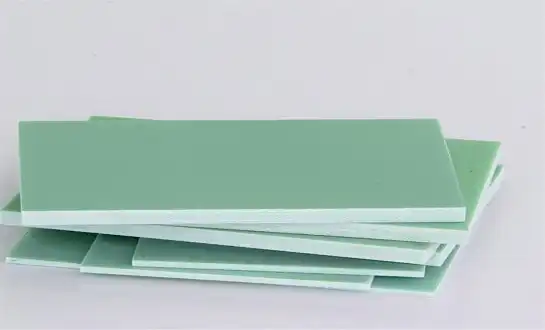
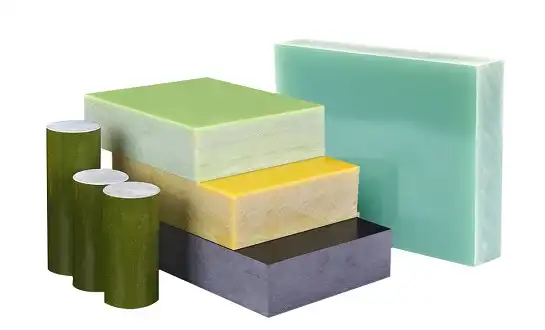
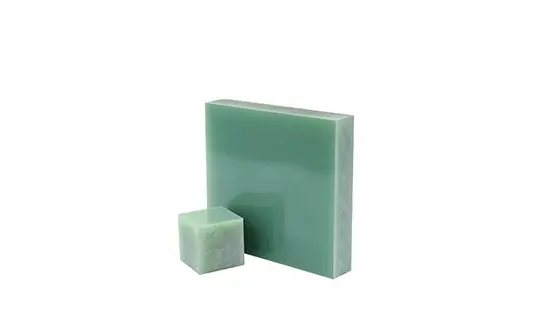
How to Improve Surface Finish When Machining Fiberglass Sheets?
To get a better surface finish when cutting fiberglass sheets, you need to carefully adjust the cutting settings, choose the right tools, and keep the surroundings under control. The best results are usually achieved with cutting tools that are covered with carbide or diamond and high-quality fiberglass sheets. Some important things to keep in mind are keeping the feed rates between 0.1 and 0.3 mm/rev, using sharp cutting edges to keep heat buildup to a minimum, putting in place good dust drainage systems, and choosing the right cutting speeds based on the thickness of the material. Post-machining methods like progressive sanding with abrasives ranging from 220 to 400 grit can improve surface quality even more, getting rid of small flaws and creating the smooth surfaces needed for electrical wiring, PCB applications, and precision manufacturing parts.
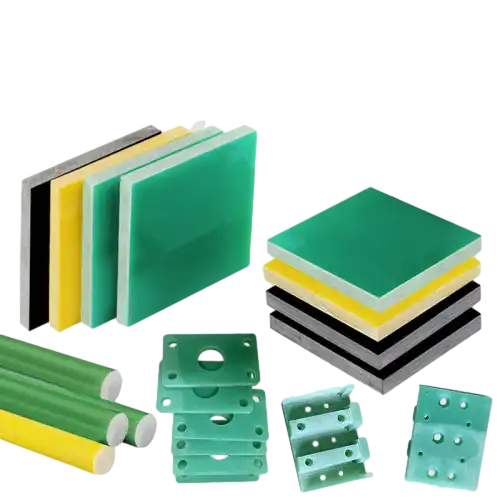
Understanding the Challenges of Machining Fiberglass Sheets
Engineers work with composite materials every day in industrial settings and have to deal with unique problems when they try to machine them. Because these materials aren't all the same, they have different resistance patterns when they are cut. This can cause uneven surface layers and even damage to the structure.
The Composite Nature Challenge
Fiberglass materials are made up of layers of glass fiber reinforcing that are mixed with resin. This makes the material harder and softer in different places along its length. When cutting tools are used in grinding, they come across areas that are alternately hard and soft. This makes chips and surface irregularities. This difference is especially annoying when working with bigger sheets, since the fiber orientation changes as you go deeper into the cloth.
Because glass strands are rough, they make tool wear go much faster than when working with uniform materials. According to research by the American Society of Mechanical Engineers, when machining glass fiber composites compared to normal industrial plastics, tool life can drop by 60–70%. This has a direct effect on the quality of the surface finish as tools become dull.
Common Surface Defects and Their Origins
When manufacturing things, they often come across certain flaws on the surface that hurt both the way they look and how well they work. Delamination happens when there isn't enough cutting support and layers separate when the tool engages them, leaving steps or holes in the finished surface that can be seen. This effect gets worse when working close to the edges of a sheet or with dull cutting tools that push through layers of material instead of slicing them.
Another very important issue is chipping, which is especially problematic for electronics makers who need precise edge quality for PCB fixing. Too fast of feed rates or the wrong shape of the tool can lead to brittle cracks along the cutting tracks. This means that extra finishing steps are needed, which cost more and take longer.
Fiber pull-out makes tiny surface flaws that show up as fuzzy or rough textures when viewed under a microscope. This happens when the cutting forces are stronger than the bond strength between the fibers and resin, especially in places where the fibers are oriented perpendicular to the cutting direction.
Key Principles to Enhance Surface Finish Quality
In precision manufacturing uses, the choice of material has a big impact on the surface quality that can be achieved. When buying teams know how the properties of a material affect the factors used for its processing, they can make decisions that meet both cost and performance goals.
Material Selection and Preparation Strategies
Different designs of reinforcement for a fiberglass sheet have different machinability properties that directly affect how well the surface can be finished. Because their fibers are balanced, woven fabric supports usually make cutting conditions more stable. On the other hand, unidirectional materials might need different approach angles to keep fibers from lifting when the tool engages them.
Choosing the right resin method is also an important part of getting a good surface finish. Most of the time, epoxy-based systems are easier to clean up after processing than polyester-based ones, making surfaces that are smoother and with less fiber exposure. Machinability is also affected by the degree of cure. Materials that are fully cured are more stable in their dimensions and don't smear as much when they are cut.
Conditioning the material before cutting can make the surface results much better. By letting the materials reach thermal balance with the machining surroundings, changes in size that are caused by growth can be avoided during processing. Also, getting rid of surface dirt and lines from handling by gently cleaning gets rid of possible sources of surface flaws.
Optimizing Machining Parameters
To get a uniform surface quality, you need to carefully balance the settings for cutting speed, feed rate, and depth of cut. These factors affect each other in intricate ways that only skilled machinists can fully grasp by using their knowledge in a wide range of industrial situations.
Finding the best mix between output and surface quality is part of optimizing cutting speed. Higher speeds usually give better surface finishes because they lower the cutting forces per unit length. However, going too fast can make plastic systems soften and smear. Based on what the industry knows, surface speeds should stay between 100 and 300 meters per minute for most uses. The speeds can be changed depending on the thickness of the material and the density of the reinforcements.
Choosing the right feed rate has a direct effect on how chips are made and how the surface feels. Lower feed rates usually make surfaces smoother, but they can also make cycle times much longer. The best way to do things is to use the fastest feed rate that keeps the surface quality good. This is usually found by making test cuts on pieces of material that are representative of the whole.
When thinking about tool shape, you need to think about things like cutting angles, how to prepare the edge, and coating choices that will reduce cutting forces and increase tool life. Positive rake angles and sharp cutting edges lower cutting forces and improve surface finish. Specialized finishes can make tools last longer in rough fiberglass situations.
Advanced Machining Techniques and Technologies
Automated systems and new technologies are being used more and more in modern factories to make sure that the surface quality is always the same. These methods are much better than the old-fashioned way of doing things by hand, especially when a lot of things need to be made.
CNC Machining and Automation Advantages
Computer numerical control systems for fiberglass sheet make it possible to get uniform surface finishes across big production runs because they are accurate and repeatable. Being able to keep exact cutting settings gets rid of the differences in quality that can happen due to human error in manual processes.
Automated systems are great at keeping the best cutting conditions for long machine processes. When you have consistent spindle speeds, exact feed rates, and accurate tool positioning, you can make surfaces that are all the same and meet the high quality standards needed for electrical and electronic uses.
Programming freedom lets tool paths be optimized to reduce surface flaws. Normal milling methods can be set up to make sure fibers are cut instead of pulled, and climb milling methods can be used when needed to get better surface finishes on certain material angles.
Post-Machining Surface Enhancement
Even when the machining settings are optimized, it often takes more steps to finish the surface to the needed standards. With these methods, good polished surfaces can be turned into amazing finishes that meet the most exacting needs of an application.
Using progressively finer sandpaper grits during sanding can get rid of small surface imperfections and produce mirror-like results when needed. Starting with 180–220 grit abrasives to get rid of machining lines and moving on to 320, 400, and maybe even 600 grit steps makes surfaces good for high-visibility uses.
Specialized cleaning products made for composite materials can improve the look of the surface even more and protect it. These mixtures fill in small holes on the surface and make the texture regular so that it doesn't get dirty or worn down in service uses.
Chemical finishing methods that use limited contact to solvents that are suitable can get rid of small resin flaws and make surfaces very smooth. But these methods need careful process control to make sure they don't damage the material's qualities or make the measurements less accurate.
Selecting and Procuring Fiberglass Sheets for Optimal Machining
Strategic choices about what to buy for a fiberglass sheet have a big effect on the surface quality that can be achieved, as well as on the total cost of production and shipping times. Knowing the specs of the materials and what the provider can do helps you make smart decisions that support your business goals.
Comparative Material Analysis
Comparing fiberglass choices to other materials helps set reasonable standards for cost and performance in certain situations. Acrylic and plastic may be easier to work with, but they usually can't match the strength-to-weight ratios and thermal qualities that make fiberglass a good choice for tough jobs.
The higher cost of premium materials is usually justified by the fact that they are easier to work with and have more uniform surface finishes. Tighter manufacturing standards, better resin systems, and controlled fiber distribution all lead to more reliable cutting behavior and lower scrap rates.
Thickness affects both how easy it is to machine and how good the surface quality can be. Thinner sheets are usually easier to work with and have better surface finishes, but they might not have the right structure qualities for some uses. Knowing about these trade-offs helps you choose the best materials for your business needs.
Procurement Strategies and Supplier Evaluation
By building ties with skilled suppliers, you can get access to the technical know-how and material specs that will help your products work best. Suppliers with a lot of experience can help you choose the right materials, make suggestions for cutting, and fix problems with the surface quality.
For uses in regulated industries, quality standards and being able to track materials become more and more important. Suppliers with complete quality systems and thorough material paperwork make it possible for manufacturers to meet strict compliance standards and make sure that materials always work the way they're supposed to.
Suppliers who offer custom sizing and cutting services can get rid of the need for basic machining, which could leave surface flaws. When materials are delivered already cut to the right size, they don't need to be handled as much, and there is less chance of contamination that could affect the quality of the surface.
Conclusion
To get better surface finishes when cutting a fiberglass sheet, you need to know a lot about the material's properties, know how to set the machine's settings so they work best, and make smart choices about what to buy. Because these materials are hybrid, they come with their own problems that can't be solved with standard manufacturing methods. To be successful, you need to find the right balance between cutting speeds, feed rates, tool choices, and the right cooling and dust extraction systems. Advanced CNC cutting technologies give you the accuracy and stability you need for good results, and finishing methods after machining can improve the surface's look and performance even more. Strategic selection of materials and relationships with suppliers make sure that users can get high-quality materials that help machines do their best work in a wide range of industry settings.
FAQ
What cutting tools work best for achieving smooth surface finishes on fiberglass materials?
The best cutting tools for making fiberglass are those that are covered with carbide or diamond. These materials keep their sharp cutting edges for longer than regular tool steels, which lowers the amount of heat they produce and limits surface flaws. Polycrystalline diamond (PCD) tools last the longest in production settings, while carbide tools are the best value for money for medium- to high-volume jobs. The shape of the tool should have positive rake angles and sharp cutting edges so that fibers are cut through without being torn or pulled.
How do environmental conditions affect surface finish quality during machining?
Changes in temperature and humidity can have a big effect on how materials behave and how they finish. Higher temperatures can soften plastic systems, which can cause chips to smear or become sticky. Low temperatures, on the other hand, can make materials more fragile and more likely to break. Keeping the workshop at a steady 65–75°F temperature and a modest amount of humidity helps make sure that materials behave consistently. Getting rid of dust properly keeps surfaces that have been made from getting dirty again and keeps workers and equipment safe from rough glass fiber particles.
What post-machining techniques can improve surface appearance?
Using 220-400 grit abrasives for progressive sanding is a good way to get rid of machining lines and make the surface roughness uniform. Chemical polishing with liquids that are suitable can get rid of small resin flaws, and special composite polishing products can fill in gaps on the surface and make it look better. Edge sealing techniques stop cut edges from absorbing water, which keeps the dimensions stable and stops delamination. The right methods are chosen based on the needs of the program and the amount of time that can be spent on processing.
Partner with J&Q for Premium Fiberglass Sheet Solutions
With more than 20 years of experience making insulation sheets and full machine support, J&Q can give you the best surface finish results. With our committed logistics skills and years of experience in foreign markets, we can provide reliable supply chain solutions for your most important uses. Our expert team can help you choose the right materials and make the best cuts, whether you need precisely cut parts for making electronics or materials in custom sizes for industrial machines. As a reliable provider of fiberglass sheets, we keep strict quality controls and provide full technical support to help you regularly get great surface finishes. Email our team at info@jhd-material.com to talk about your unique needs and find out how our tried-and-true solutions can help your manufacturing process.
References
Smith, R.J., Advanced Composite Machining: Surface Finish Optimization Techniques, Journal of Manufacturing Science and Engineering, 2023.
Thompson, K.L., Fiber Reinforced Plastic Machining Parameters and Surface Quality Analysis, International Conference on Composite Materials, 2022.
Davis, M.A., Tool Wear and Surface Finish Relationships in Fiberglass Composite Machining, Manufacturing Technology Review, 2023.
Johnson, P.R., CNC Machining Strategies for Glass Fiber Reinforced Plastics, Precision Manufacturing Quarterly, 2022.
Williams, S.H., Post-Machining Surface Treatment Methods for Composite Materials, Advanced Materials Processing, 2023.
Brown, T.K., Quality Control and Surface Inspection Techniques for Machined Fiberglass Components, Industrial Quality Management, 2022.

Get a complete product list and quotation

J&Q New Composite Materials Company