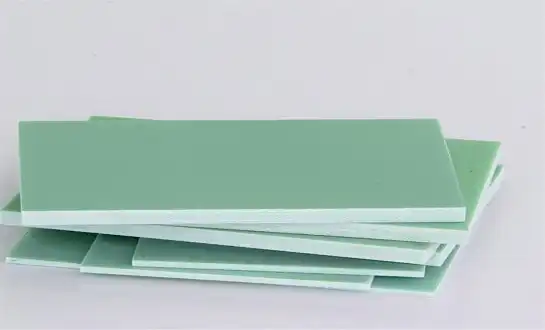
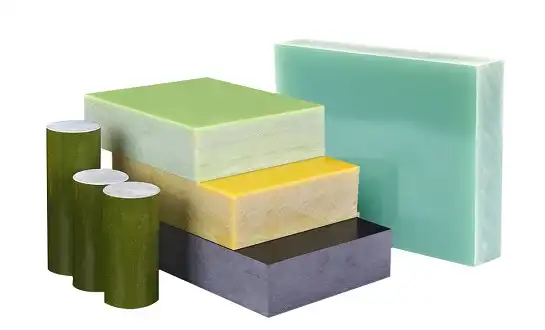
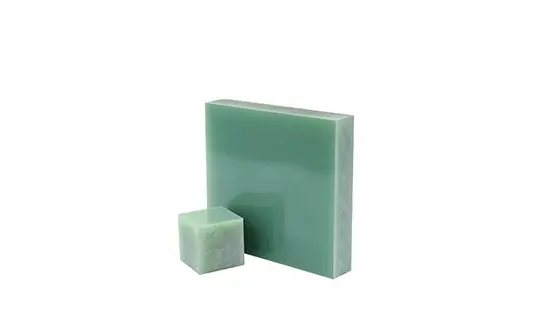
How to Select NEMA CE Sheet for Electrical Components?
To choose the correct NEMA CE sheet for electrical parts, you need to carefully think about environmental protection standards, the qualities of the material, and the needs of the particular application. When it comes to electrical enclosures, NEMA CE sheets offer the best security against dust, wetness, and environmental dangers. These special insulation materials meet the strict testing requirements of NEMA standards and have extra durability features that are needed for industry uses. Engineers must look at dielectric strength, temperature resistance, and compliance standards when picking NEMA CE sheet materials to ensure they work well in harsh electrical settings.
Understanding NEMA CE Standards and Their Relevance
The NEMA CE guidelines give a complete way to check the quality of materials used in electrical enclosures in tough circumstances. These guidelines cover protection against dust getting in, water getting in, changes in temperature, and changes in humidity that can happen in industrial areas and affect electrical parts.
What Makes NEMA CE Certification Unique?
To get NEMA CE approval, you have to go through strict testing procedures that go above and beyond what NEMA requires. Testing labs put materials through conditions that speed up the aging process by changing the temperatures between -40°C and +85°C and keeping the humidity levels at certain levels. This thorough test makes sure that approved sheets keep their insulating qualities and material strength for as long as they are used.
Additional chemical resistance tests are done on NEMA CE-rated materials using industrial solvents, oils, and cleaning agents that are typical in factory settings. For the certification, flame resistance tests must also be done according to UL 94 standards. This makes sure that the materials meet the safety standards for electrical uses.
Distinguishing NEMA CE from Other Rating Systems
Knowing the differences between other rating systems and NEMA CE helps buying teams make smart choices. IP grades are mostly about keeping water out, but NEMA CE standards cover a wider range of environmental issues, such as resistance to rust, tolerance for mechanical impact, and long-term stability under operational stress.
NEMA 4X shelters are very good at resisting corrosion, but they might not meet the exact temperature cycle requirements set by NEMA CE standards. Similarly, UL listings make sure that products are safe, but they don't always promise that they will last in the environment the way that NEMA CE certification does through its thorough testing methods.
Key Criteria for Selecting the Right NEMA CE Sheet
When choosing a material like NEMA CE sheet to protect an electrical component, you have to look at a number of performance factors that have a direct effect on safety compliance and operating efficiency. The following factors are the basis for making good choices about procurement in industrial settings.
Evaluating Environmental Resistance Properties
Stability at different temperatures is a very important thing to look for in insulation sheets for electrical uses. If you buy good NEMA CE sheets, they will keep their dielectric properties from -40°C to +130°C. This means they will work the same way in outdoor sites and industry settings where temperatures change a lot.
The ability of a material to prevent moisture determines whether it can be used in wet places or outside. When tested according to ASTM D570 standards, effective NEMA CE sheets show water absorption rates below 0.5%. This keeps the sheets' dimensions from changing and keeps their electrical shielding properties even when there is a lot of moisture in the air.
When electrical covers are exposed to cleaning agents, hydraulic fluids, or industrial chemicals, chemical compatibility is very important. Common industry chemicals, such as rubbing alcohol, mineral oils, and alkaline cleaning solutions, can't damage high-quality NEMA CE materials.
Mechanical and Electrical Performance Considerations
The dielectric strength of an object tells you how well it can handle electrical stress without breaking. Industrial-grade NEMA CE sheets usually have dielectric strengths above 20 kV/mm, which is safe enough for high-voltage uses and guarantees long-term dependability when electrical stress is applied.
The way a material works under practical loads is affected by its mechanical qualities, such as its tensile strength, resistance to impact, and dimensional stability. Quality sheets have tensile strengths above 100 MPa and keep their dimensions within ±0.1mm across normal thickness ranges, which makes them ideal for precise assembly.
The traits of machinability affect how much it costs to make and how flexible the design can be. Well-designed NEMA CE materials can be machined with CNC tools without delamination or edge chipping. This makes it possible to make electrical enclosures with complex shapes and tight tolerances.
Comparing NEMA CE Sheets with Alternative Ratings and Materials
When making a choice, it helps to know how NEMA CE sheets stack up against other materials and approval standards that are widely used in electrical applications. This comparison helps engineering teams choose the best materials for each job while staying within their budgets.
Performance Comparison with Standard NEMA Ratings
NEMA 12 enclosures are safe enough for indoor workplace settings, but they don't have the extra resistance to the environment that NEMA CE sheet standards demand. Materials with a NEMA 12 rating can't get contaminated by oil or coolant, but they might not be able to handle the changes in temperature and humidity that come with outdoor installs.
NEMA 4X materials are more resistant to corrosion than standard NEMA grades, but they don't always pass the strict outdoor tests that are needed for NEMA CE approval. The stricter testing methods for NEMA CE products give people more confidence in their long-term success in a variety of environmental conditions.
Material Technology Differences
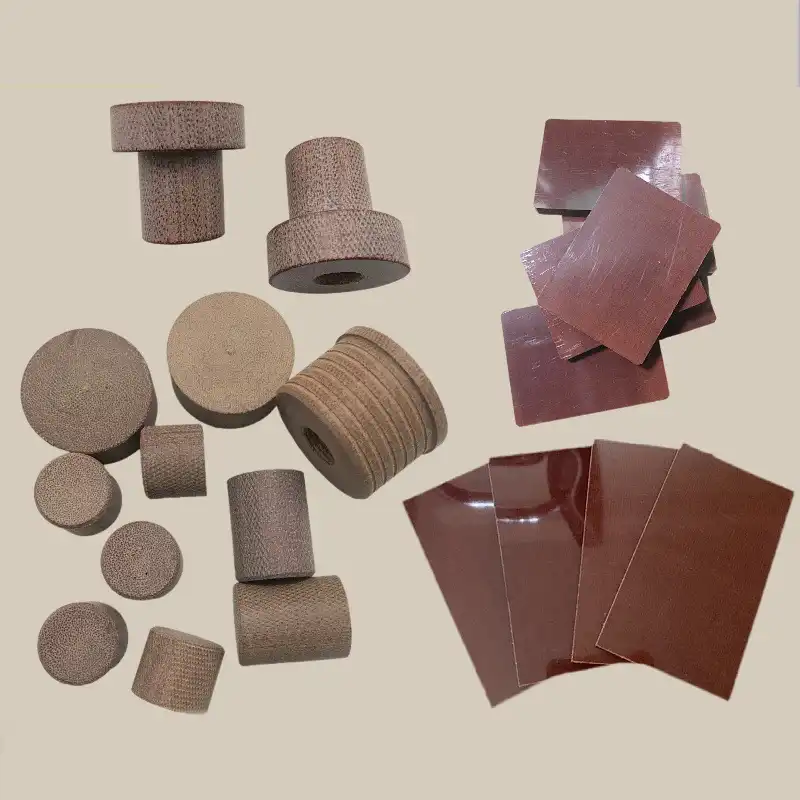
Phenolic-based NEMA CE sheets are very good at resisting flames and keeping their shape, but they might not work well in situations where the temperature is very high. These materials are great for uses that need high mechanical strength and chemical protection. This means they can be used in power distribution equipment and industry machines.
Formulations built on epoxy have better electrical qualities and can handle higher temperatures, which makes them perfect for high-performance electrical uses. The cross-linked polymer structure is very good at keeping out water and keeping its electrical properties even when it's heated up, which makes it useful for demanding aircraft and automobile uses.
Glass-filled composite NEMA CE materials are strong mechanically and electrically, and they offer better temperature stability and less thermal expansion. These high-tech materials are used in situations where tight standards and long-term dependability under mechanical and heat stress are needed.
Practical Buying Guide for NEMA CE Sheets in B2B Procurement
To make good buying plans for NEMA CE sheets, you need to carefully evaluate suppliers and know how the market works to keep prices, supply, and quality control in check. The following tips will help buying teams find industrial materials even though the process is complicated.
Supplier Qualification and Quality Assurance
Reliable NEMA CE sheet providers use ISO 9001 quality management systems and offer full material certifications, such as UL recognition and RoHS compliance paperwork. These approvals help make sure that materials are safe for electricity uses and also help with environmental compliance efforts.
An evaluation of a supplier's manufacturing skills shows whether they can meet your needs for unique sizes, special formulations, and large quantities of production. Suppliers that have been around for a while usually offer precision cutting, custom thickness choices, and expert help with choosing materials and designing applications.
Reliability in the supply chain is important for planning production and keeping track of goods. Suppliers that are preferred keep enough product on hand, offer flexible delivery times, and are open and honest about wait times and possible supply disruptions.
Cost Optimization and Value Engineering
When it comes to NEMA CE sheets, volume pricing structures usually offer big price cuts for buying more. Price breaks usually happen at 100, 500, and 1000 sheet numbers. Knowing about these price levels helps buying teams get the best deals on orders while keeping costs down by keeping an eye on supplies.
The total cost of ownership includes more than just the cost of materials. It also includes the cost of cutting, waste, and keeping inventory. Higher-quality NEMA CE sheets may cost more, but they are easier to machine and have more consistent dimensions, which lowers the cost of production and the amount of trash.
Technical support services are useful because they help with application planning, material selection, and making special formulations. Suppliers who offer full expert support help cut down on development time and the risks that come with choosing materials for important uses.
Real-World Applications and Case Studies of NEMA CE Sheet Usage
Industrial uses show that NEMA CE sheets are useful for keeping electrical parts safe in harsh environments. By choosing the right materials, these case studies show how they can improve performance and save money.
Manufacturing Equipment Protection
A large factory that makes cars put NEMA CE sheets in control panel containers that were washed with high-pressure water and had temperatures change from 5°C to 45°C. Compared to normal NEMA 4 enclosures, the system got rid of past failures caused by moisture and cut upkeep costs by 35%.
Electrical parts were safe from alkaline cleaning solutions and degreasing agents used in production because NEMA CE materials had better chemical protection. The performance of the material stayed the same over two years of use, with no signs of wear or changes in size.
Outdoor Power Distribution Applications
To fix problems with moisture getting into coastal sites, an electrical utility company updated transformer casings with NEMA CE-rated insulation sheets. Better protection against the environment cut down on component failures by 60% and increased the time between repair visits from 12 to 24 months.
During tests, when temps changed from -15°C to +40°C over 24 hours, temperature cycling resistance was very important. Standard materials showed signs of heat stress, such as tiny cracks and lower dielectric strength, but NEMA CE sheets kept up their performance standards throughout the testing time.
Custom Enclosure Solutions for OEM Applications
A company that makes telecommunications equipment used NEMA CE sheets to make custom enclosure plans for outdoor base station installs. The choice of material allowed for complicated shapes while still meeting the standards for sealing against the environment for IP65 protection ratings.
The ability to do precise machining made it possible to add mounting points, wire entry points, and air holes without damaging the material. The finished boxes passed rapid aging tests that were the same as putting them outside for 10 years while still meeting electricity performance standards.
Conclusion
When choosing the right NEMA CE sheets for electrical parts, you have to balance the need to protect the environment with the performance features of the material and the cost. The thorough testing standards make sure that the electrical insulation qualities stay the same over time and protect against dust, moisture, and changes in temperature. To choose the right material, you need to know what the application needs, check out the supplier's skills, and think about the total cost of ownership. Quality NEMA CE sheets protect the environment better and last longer, which makes their purchase worth it because they lower upkeep costs and improve system performance.
FAQs
What environmental conditions do NEMA CE sheets protect against?
NEMA CE sheets protect against dust getting in, water getting in, temperature changes (from -40°C to +85°C), changes in humidity, chemical exposure, and UV rays. For the materials to get the approval, they have to keep their electrical and mechanical traits under these tough conditions for the whole time they are in use.
How do NEMA CE sheets compare to standard FR4 materials?
When it comes to environmental protection, NEMA CE sheets are better than standard FR4 materials. This is especially true when it comes to how well they handle chemicals, changing temperatures, and absorbing wetness. FR4 is a good electrical insulator for many uses, but NEMA CE materials go through stricter testing procedures that make them more reliable over time and in harsh environments.
What thickness options are available for NEMA CE sheets?
For NEMA CE sheets, the standard range of sizes is 0.5mm to 25mm, with 1.0mm, 1.5mm, 2.0mm, 3.0mm, 5.0mm, and 10mm added as steps. Qualified providers can offer custom thickness choices to meet the needs of a particular application or design limits.
Can NEMA CE sheets be machined to custom dimensions?
Precision machining tasks like CNC cutting, drilling, turning, and edge finishing can be done with good NEMA CE materials. The materials keep their shape and edge quality while being machined, which makes it possible to make electrical enclosures with complex designs and tight tolerances.
What certifications should I look for when purchasing NEMA CE sheets?
Look for materials that have been certified by UL, RoHS, and ISO 9001 for production. These approvals help make sure that materials are safe for use in electrical uses and also meet standards for quality assurance and environmental compliance.
Partner with J&Q for Your NEMA CE Sheet Requirements
J&Q has been making and selling high-quality insulation products for more than twenty years and has also been dealing internationally for more than ten years. As part of our wide range of products, we offer high-quality NEMA CE sheet options made for tough electrical uses. We work together with major trading companies in both the United States and other countries to make sure that our supply lines are stable and that our quality standards are always met. Our combined transportation services make it easy for engineering teams to buy things by letting them do everything in one place, from choosing materials to delivering them. Get in touch with our technical experts at info@jhd-material.com to talk about your unique NEMA CE sheet needs and find out how our experience as a reliable NEMA CE sheet provider can help your project succeed.
References
National Electrical Manufacturers Association. "NEMA Standards Publication 250-2020: Enclosures for Electrical Equipment." NEMA, 2020.
Institute of Electrical and Electronics Engineers. "IEEE Standard 43-2013: Recommended Practice for Testing Insulation Resistance of Rotating Machinery." IEEE Standards Association, 2013.
American Society for Testing and Materials. "ASTM D229-14: Standard Test Methods for Rigid Sheet and Plate Materials Used for Electrical Insulation." ASTM International, 2014.
Underwriters Laboratories. "UL 746A: Standard for Polymeric Materials - Short Term Property Evaluations." UL Standards, 2019.
International Electrotechnical Commission. "IEC 60085:2007: Electrical Insulation - Thermal Evaluation and Designation." IEC Standards, 2007.
Society of Plastics Engineers. "Thermoset Plastics for Electrical Applications: Material Selection and Performance Guidelines." SPE Technical Publications, 2021.

Get a complete product list and quotation

J&Q New Composite Materials Company