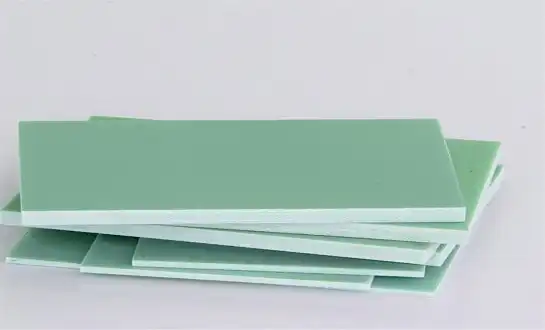
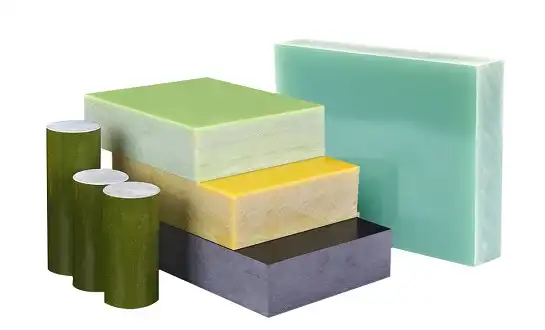
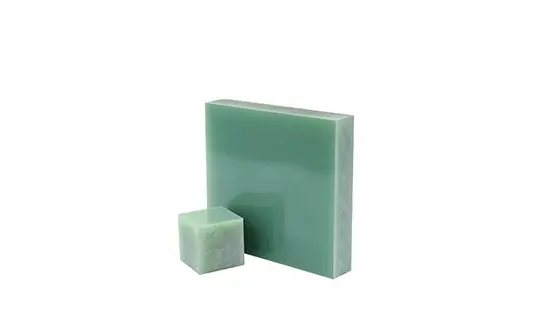
Precision Cutting Equipment Ensures Smooth Phenolic Laminate Edges
When engineering managers and procurement teams specify electrical insulation materials, edge quality often determines whether a component passes inspection or ends up as expensive scrap. Phenolic Paper Laminate—a thermosetting composite built from kraft paper layers and phenolic resin—demands exacting edge standards because rough cuts compromise dielectric strength and moisture resistance. Over twenty years in manufacturing and exporting insulation materials have taught us that precision cutting equipment isn't just a production upgrade; it's the difference between a reliable component and a liability in switchgear assemblies or transformer coils.
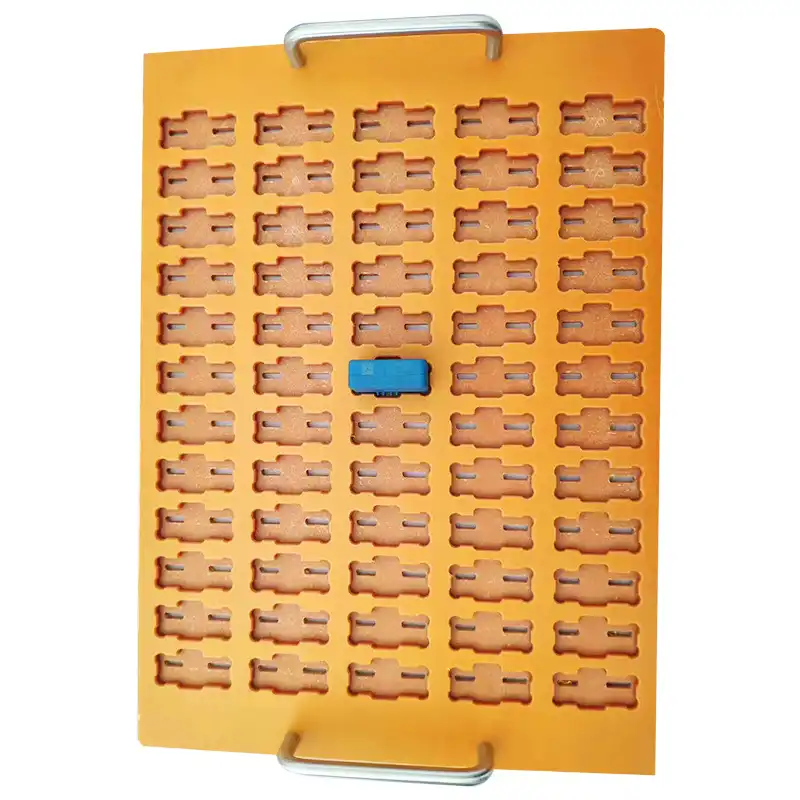
Understanding Phenolic Paper Laminate and Its Edge Requirements
High-quality craft paper and phenolic resin binders are mixed in phenolic paper-based laminates, which are then hardened under controlled heat and pressure to make rigid sheets. Different electrical and mechanical needs are met by NEMA grades like XX, XXX, and XXXP. These grades range from general-purpose insulation to high-humidity settings that need low moisture absorption. The specific gravity of the material is between 1.30 and 1.45 g/cm³. It has a flexural strength of over 100 MPa and is much easier to work with than glass-epoxy alternatives.
In these situations, edge integrity is very important. Cut edges leave paper layers open to the environment, while inner areas are covered by resin saturation during the lamination process. When sides are rough or delaminated, they let water in, which weakens the dielectric properties over time. This is a big problem in transformer oil or wet industrial settings. When electrical engineers specify coil insulation or arc barriers, they know that the first step in edge sealing is a clean cut. This is because precise equipment removes any torn fibers and seals the resin matrix at the molecular level.
Why Smooth Edges Preserve Electrical Performance
In oil, the dielectric strength across laminations is between 12 and 20 kV/mm, but this rating only applies if the edges are whole. Poor cutting creates micro-cracks that let moisture absorption rates rise well above the <1.0% limit for XXX-grade material. This lowers insulation resistance and creates possible failure points. People who work in procurement know that the quality of the edges has a direct effect on how reliable the equipment is in the long term and how many guarantee claims are made.
Precision edges are also useful for mechanical uses. When phenolic laminates are used as gear blanks or wear pads in industrial machines, their rough edges create stress concentrations that speed up crack growth during load cycles. It doesn't matter how easy the material is to machine if the first cuts change its shape or create internal forces that cause it to twist during later operations.
Challenges with Traditional Cutting Methods for Phenolic Laminate
Chipping is worst at entry and exit places, where layers of supporting paper tear instead of shear neatly. The rough edges that are left look fine at first glance, but when looked at more closely, they are not strong and show delamination that goes several millimeters into the base material. When companies that make electrical parts put together switchgear panels, they don't find these hidden flaws until they do dielectric testing. This means that whole batches have to be thrown away, which delays deliveries.
Root Causes Behind Edge Quality Failures
Old cutting tools don't have the spinning speed and feed rate controls that are needed to work with phenolic laminate's special features. To get clean fiber breakup without too much heating, the material needs tool speeds of more than 3,000 surface feet per minute and fine feed steps. Older machines that run at set speeds either burn the glue or tear the paper layers, so there is no way to find a good balance.
These problems get worse when the wrong blade is used. In general, blades made for softwoods with positive rake angles can cut through phenolic laminates by grabbing fibers and pulling them out of the resin matrix. Negative rake geometry and micro-grain carbide or polycrystalline diamond (PCD) cutting edges that slice instead of scrape are the right way to do it. Purchasing teams that are only concerned with the initial cost of the tools often forget about these requirements, which ends up costing them a lot more in the long run in wasted materials and labor hours spent deburring rough edges.
Managing the temperature while cutting is another important factor that traditional methods don't take into account. Around 150°C, phenolic resin starts to soften, and friction from dull blades or too much feed pressure can easily go over this point. Once it's weakened, the resin smears across cut surfaces instead of breaking neatly. This makes a glazed finish that makes it impossible for edge sealers or secondary coats that are needed in wet areas to stick properly.
How Precision Cutting Equipment Transforms Phenolic Laminate Processing
Computer-controlled tool paths, variable feed rates, and real-time tracking of cutting forces are some of the ways that modern CNC routing systems deal with these problems. Diamond-tipped router bits keep their cutting edges sharp for thousands of linear feet, so you don't have to worry about the thermal cycling that comes with changing tools often. Automated depth control makes sure that thickness tolerances stay the same throughout entire production runs. This is very important when providing barriers for automotive battery packs, where differences in size can affect how well they handle heat and how safe they are in a crash.
For thicker carbon pieces used in the power sector, waterjet cutting is the best way to go. The cold-cutting method gets rid of all heat-affected areas, so the qualities of the material are kept right up to the edge of the cut. Abrasive waterjets can cut through 25 mm phenolic laminates at speeds that are comparable to traditional cutting, and the sides don't need to be finished again. Manufacturers of transformers like that they can cut complicated arc barrier forms without adding heat stresses that could cause the shapes to warp during the vacuum impregnation processes that follow.
Measurable Improvements Across Production Metrics
Patterns can be seen in manufacturing data from companies that bought new precision cutting equipment. Edge defect rates usually drop from 15% to less than 2%, which almost completely eliminates the need for rework and the material losses that come with it. With automatic tool changers and continuous-path cutting, cycle times are cut down by 30 to 40 percent, which increases production output. Fewer customer complaints about size accuracy and edge finish have been received by quality management teams, which has led to stronger long-term relationships with OEM buying managers.
Even though diamond or PCD tooling costs more at first, tool life extensions save a lot of money in the long run. Diamond cutter bits can usually go over 10,000 feet without losing much of their performance, while carbide blades can only go 500 linear feet before they need to be replaced. As automated systems self-monitor bearing temperatures and spindle vibration, they can schedule preventative service before catastrophic failures mess up production schedules. This makes maintenance intervals longer.
B2B suppliers can directly use these improvements to gain a competitive edge. Manufacturers of electrical equipment that have to meet short lead times from utility companies depend on insulation sheet suppliers to make sure that custom-cut parts are ready the next day without lowering the quality of the edges. When you combine precise tools with skilled workers, you get the production freedom that wins jobs in tough industries.
Selecting the Right Phenolic Paper Laminate and Cutting Solutions for Your Business
Understanding the unique needs of the product is the first step in choosing the right material. For general electrical insulation needs, Grade XX phenolic laminate is a good value. On the other hand, Grade XXX is worth the extra cost in places with high humidity where moisture absorption must stay below 1% to keep the dielectric integrity. The "P" suffix means that the formulation can be cold-punched and contains plasticizers, which are necessary for companies that make circuit boards and do high-speed stamping.
For use in the power sector, temperature ratings help choose the right material. Class E phenolic laminates can work continuously at 120°C and are good for low-voltage switches and distribution transformers. Class B materials that can withstand temperatures up to 130°C are used in more demanding situations, such as the insulation of traction motors or industrial frequency drives, where normal room temperatures are mixed with resistive heating. Because thermal performance changes with cross-sectional mass, procurement professionals need to check not only the base material grade but also certifications that are specific to the thickness.
Evaluating Cutting Equipment Compatibility
Getting the right cutting tool for the right material and output volume means balancing a lot of different factors. CNC cutters are great for making medium to large amounts of complicated shapes, especially when other tasks like hole drilling or edge profiling are done at the same time. When making hundreds of parts with the same geometry every shift, the investment in equipment makes economic sense.
When setup time is more important than part cycle time, waterjet systems are a good way to save money on testing and making small quantities of unique parts. R&D experts working on new car parts or trying different design ideas can benefit from being able to cut almost any shape without having to make custom tools. Contract manufacturers that work with a lot of different industries can use waterjets to easily switch between phenolic laminates, aluminum, and composites without having to make any new tools.
Best Practices for Maintaining Smooth Edges Post-Cutting
Controlled post-processing can improve the performance and life of even precisely cut edges. When you deburr, you get rid of tiny bits of resin and fiber whiskers that you can't see, but that get in the way of tight-tolerance assembly. For straight edges, mechanical deburring with fine abrasive pads works well. For small parts like insulation washers or standoffs that are made in large amounts, rolling is the best method.
By sanding with finer and finer grits, you can make an edge finish that is smooth and won't let water in in harsh conditions. Manufacturers of transformers often specify 320-grit or finer edge preparation for coil insulation barriers because they know that a smooth surface helps the varnish impregnating process stick better. The extra cost of labor is nothing compared to failures in the field caused by tracking across rough edges due to moisture.
Protective edge coats make things last longer in places where chemicals are dangerous. Mineral oils and weak acids can't damage phenolic laminates by themselves, but cut edges need sealers to stop water from slowly soaking through the paper layers that are visible. Silicone-based edge treatments make barriers that are flexible and don't crack when they expand or contract due to temperature changes. This is especially useful in car uses where temperature changes every day. Verification of the edge coating should be a key part of quality management, and adhesion testing should be done on a regular basis to make sure the process is consistent.
Implementing Rigorous Inspection Protocols
When statistical process control (SPC) is used on edge readings, it finds changes in dimensions before the bad parts get to the customers. Coordinate measuring machines (CMM) check the accuracy of cuts to within ±0.1mm. This is close enough to meet the tight requirements that mechanical engineers set for gear blanks and bearing supports. Profilometers measure surface roughness and quantify edge finish objectively, replacing subjective visual evaluation with data that directly relates to performance in the field.
A part of edge quality control that is often forgotten is teaching operators. Skilled techs can tell when tool wear is starting to show by small changes in chip formation or cutting sounds. They change the blades before the quality of the edge starts to decline. Cross-training maintenance staff on how to properly place blades, tramming, and handle coolant stops common mistakes that lower the quality of cuts even when the equipment is good. Companies with structured internship programs always make better edge finishes than companies that only train workers on the job for a short time.
Maintaining equipment on a regular basis keeps the accuracy that makes lines smooth. Instead of waiting until there is noticeable play that impacts the quality of the cut, spindle bearings need to be replaced every so often based on the number of hours they are used. To keep the work area flat, vacuum table surfaces need to be resurfaced every so often. This is especially important when working with thin melamine sheets that tend to bend when cut. Preventive maintenance costs show up as line items on budgets, but unplanned downtime and scrap spikes are much worse for business and customer relationships.
Conclusion
Smooth edges on Phenolic Paper Laminates are made possible by knowing a lot about the material, using precise tools, and following strict steps. More and more, engineering managers who choose insulation materials for electrical equipment, industrial machinery, or automotive uses know that the quality of the edges determines how reliable a part is over its entire service life. The needs of modern production are different from the needs of traditional cutting methods. Dimensional limits are getting tighter, and quality standards are constantly rising. CNC routing, waterjet, and laser systems are all examples of precise cutting technologies that give edges the uniform finish that procurement teams ask for and production managers count on. To be successful, you need to choose the right NEMA grades for the job, make sure that the cutting technology fits the needs of the production, and set up post-cutting procedures that keep the edges straight until the final assembly.
FAQ
What thickness options are available for phenolic paper laminate?
Standard widths are between 0.5 mm and 100 mm, and 1.0 mm, 1.5 mm, 3.0 mm, 6.0 mm, and 10 mm sheets are popular in industry. When bought in production numbers, custom thicknesses can be made to fit the needs of a particular purpose. Thinner materials are good for supporting PCBs and acting as electrical spacers, while thicker sheets are better for insulating structures and supporting heavy loads. Standard grades usually have a thickness tolerance of ±10%, but precision-ground grades can get as close as ±0.1mm for very important uses.
How does chemical resistance influence material selection?
Phenolic Paper Laminates are perfect for transformer immersion and industrial machinery applications because they naturally resist mineral oils, chlorinated solvents, and weak acids. For example, epoxy-glass composites can't be used in strong alkaline environments or oxidizing acids. Chemical resistance changes with temperature, so numbers that are valid at room temperature might not be valid when working at higher temperatures. Teams in charge of buying things should ask for chemical compatibility data that is specific to the temperature range and application setting.
Can precision cutting equipment deliver custom shapes with smooth edges?
Modern CNC machines can make complicated shapes like curves, slots, and chamfers while keeping the quality of the edges all along the cut path. Programming features let you stack multiple part shapes on a single sheet, which makes the best use of the material. The smallest feature sizes rely on the tools being used. Router bits with a diameter of just 1 mm can make complex patterns, and waterjet cutting can handle corners as small as the tip diameter will allow. When equipment is well taken care of and used according to the manufacturer's instructions, the edge finish stays the same on all cut areas.
Partner with J&Q for Superior Phenolic Paper Laminate Solutions
J&Q has been making insulation materials for more than twenty years and has been trading internationally for more than ten years. This makes them a reliable partner for engineering managers and buying teams. With ISO approval and thorough quality systems, you can be sure that our precision cutting will give your electrical equipment, industrial machinery, or car parts the smooth edges they need. As a well-known Phenolic Paper Laminate seller, we keep common NEMA grades like XX and XXX in stock, as well as cold-punchable P-series formulations. These are all ready to ship in custom-cut sizes that save you money on extra processing. Our integrated logistics services make sure that deliveries happen on time, whether you're looking for small quantities for a prototype or managing supplies for ongoing production. Email our technical team at info@jhd-material.com to talk about your unique edge quality needs, get examples of the material, or get a full quote. You can find more detailed information at blog.jhd-material.com that will help you choose the best materials and make the best products.
References
1. National Electrical Manufacturers Association (NEMA), "Industrial Laminating Thermosetting Products - NEMA LI 1-1998 Standards Publication," 1998.
2. International Electrotechnical Commission, "IEC 60893: Insulating Materials - Industrial Rigid Laminated Sheets Based on Thermosetting Resins for Electrical Purposes," Geneva, Switzerland, 2019.
3. American Society for Testing and Materials, "ASTM D709: Standard Specification for Laminated Thermosetting Materials," West Conshohocken, PA, 2020.
4. Matthews, F.L. and Rawlings, R.D., "Composite Materials: Engineering and Science," Woodhead Publishing, Cambridge, UK, 1999.
5. Harper, C.A., "Handbook of Plastics, Elastomers, and Composites, Fourth Edition," McGraw-Hill Professional, New York, 2002.
6. Suh, N.P., "The Principles of Design," Oxford University Press, New York, 1990.

Get a complete product list and quotation

J&Q New Composite Materials Company