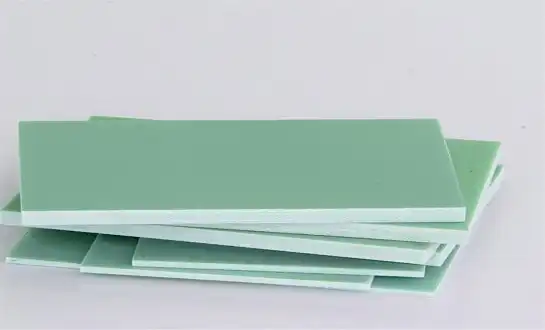
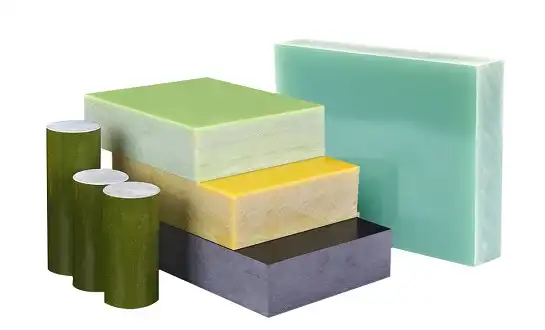
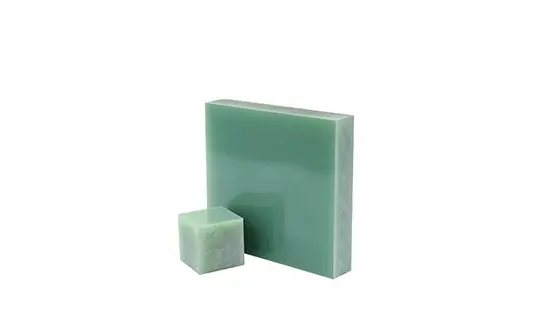
Phenolic Paper Sheet Supports Durable Low Voltage Insulation Applications
When engineering teams and procurement managers look for reliable insulation materials that won't break the budget, phenolic paper sheet consistently rises to the top of the list. Made by impregnating kraft cellulose paper with phenolic resin and then hot-pressing under controlled heat, this rigid laminated composite delivers dependable electrical isolation across a wide range of low-voltage applications. Whether you're sourcing for motors, switchgear, transformer components, or PCB drilling backup boards, understanding what this material can and cannot do is essential before placing a bulk order.
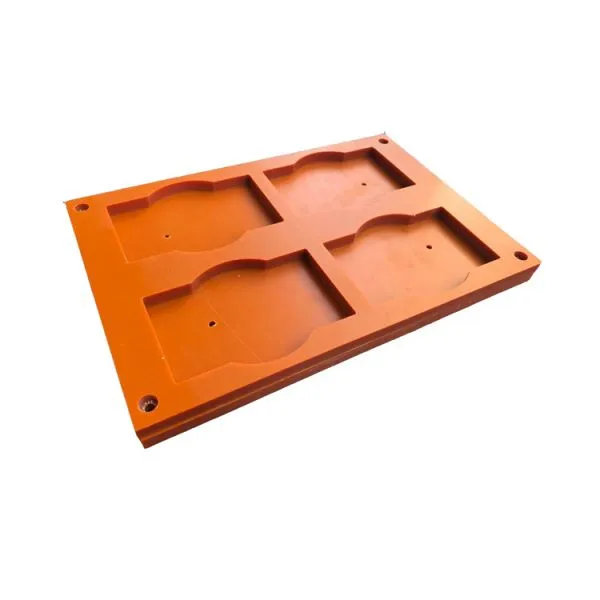
Understanding Phenolic Paper Sheets and Their Core Properties
What Makes This Material Work?
The family of thermosetting laminates includes Phenolic Paper Sheet. The first step in the process is to soak layers of kraft insulating paper in liquid phenolic resin. These wet layers are stacked, baked, and squished together under a lot of pressure to make a dense, even board. The end result is a material that doesn't let electricity flow through it, can handle some heat, and can be machined without damaging cutting tools.
Key technical benchmarks worth knowing before procurement:
- Density: 1.30–1.45 g/cm³, which makes finished parts light without losing strength.
- Flexural strength: ≥ 120 MPa or more perpendicular to the laminated plane, good for thermal purposes in buildings.
- Dielectric strength: When measured in oil, the dielectric strength usually exceeds 10 kV/mm, proving that the isolation is stable in oily environments.
- Thermal class: Rated Class E at a constant 120°C setting.
These numbers show why this material is the most cost-effective way to insulate against low voltage. When the temperature goes above 120°C for a long time, the paper base turns into carbon, which changes the insulation into a partial conductor. This is a very bad failure mode that every engineer should avoid.
In this case, grades are very important for Phenolic Paper Sheet. According to the NEMA system, the X grade is the best for mechanical performance, the XX grade has a good mix of mechanical and electrical qualities, and the XXX grade has the most resin, which makes it more resistant to humidity and dielectric stability. The "P" ending, like XP or XXP, means that plasticizers have been added to make cold drilling possible, which is a trait that is important for business and will be talked about further below.
Phenolic Paper Sheets in Low Voltage Insulation: Why Durability Matters
Proven Reliability Under Industrial Conditions
It is not a nice-to-have that low-voltage insulation lasts a long time; it is a safety requirement. Motor windings, busbar assemblies, and switchgear casings are all at risk when insulation breaks down too quickly due to mechanical stress, heat cycling, or chemical exposure. These pressures can be dealt with by Phenolic Paper Sheets, which have the chemical resistance and structural uniformity that more expensive composites sometimes oversell and underperform.
In transformer settings, Phenolic Paper Sheet-based insulation boards support busbars and act as arc chutes for years without delaminating. They can be buried in transformer oil. The material is naturally resistant to oils, solvents, and weak acids. This means that it keeps its dielectric integrity over long service cycles, which is important for power distribution procurement experts because they want to avoid unplanned maintenance shutdowns. Machinery builders who buy structural spacers and mechanical separators also like how consistent the thickness tolerances can be during production, which has a direct effect on how precisely the parts are put together.
Comparison Guide: Phenolic Paper Sheet vs Alternative Materials for Insulation
Choosing the Right Laminate for the Job
When buyers understand trade-offs clearly, they make better decisions about what to buy. At the same price, neither glass-reinforced epoxy nor unreinforced plastic laminates can fully compete with Phenolic Paper Sheet in the same way.
Here is how the materials stack up across the criteria that matter most to technical buyers:
- Machining friendliness: Phenolic Paper Sheet boards don't damage carbide or diamond-coated tools, so they last a lot longer than fiberglass-based laminates like FR4, which have twisted glass fiber that makes cutters wear out faster during high-volume CNC operations.
- Cost efficiency: Phenolic Paper Sheet boards provide the same level of insulation for a lot less money in low-voltage uses that don't need the high humidity resistance and mechanical strength of epoxy glass laminates.
- Punchability: Grades that can be cold-punched can be used for high-speed die stamping of washers, terminal strips, and insulating gaskets. FR4 can't handle this method of production without cracking or delaminating.
- Weight: The density range of 1.30–1.45 g/cm³ keeps part weight low in places where mass budgets are important, like in device motors and car insulation pads.
That said, Phenolic Paper Sheet is not always the best choice. It soaks up water faster than some types of epoxy glass and breaks down when exposed to UV light for a long time, so it can't be used for outdoor installations. If a buyer needs materials for places that are outside or have a lot of humidity, they should look at glass-reinforced or epoxy-based options instead.
These trade-offs can effectively guide sourcing decisions toward the right material for the right application, preventing costly misspecification.
Procurement Strategies for Phenolic Paper Sheets: What B2B Buyers Should Know
Evaluating Suppliers and Controlling Quality
To get a lot of Phenolic Paper Sheet insulation laminates, you need to do more than just find the lowest price per unit. Credibility of the supplier, following certification rules, and consistent production all have a direct effect on the quality of the final product.
Procurement teams should give more weight to suppliers who are ISO 9001 certified and can provide material test reports that meet IEC 60893 or similar NEMA standards that are similar. These papers make sure that the board you get fits the grade specification on the buy order. This is an important safety measure when the material is used in important electrical assemblies.
Different suppliers have different volume pricing, minimum order quantities, and lead time windows. However, buyers who work with well-known manufacturers who can directly export often get faster turnaround times and more consistent batches. For repeat orders, custom sheet sizes, thickness tolerances, and surface finishes are often negotiable. This helps OEM sourcing managers who are in charge of production lines that need to fit certain parts perfectly.
Technical Applications and Industry Use Cases of Phenolic Paper Sheets
Where This Material Performs Best?
Phenolic Paper Sheet is useful in many fields because it is flexible, and data from real-world deployments shows that it works well in tough conditions.
In the electronics manufacturing business, it serves as the industry-standard PCB drilling backup board. Its controlled hardness supports the copper-clad laminate during micro-drilling operations without wearing down drill bits, which is an important cost factor in PCB plants that make a lot of boards because replacing bits quickly adds up.
In power distribution, the material is used as arc shields and structural supports for shielding inside switchgear boxes and transformer housings. Its stable dielectric performance in oil-filled conditions and ability to hold mechanical loads make it a good choice for long-term installations.
Automotive and home appliance manufacturers leverage the cold-punchable grades to mass-produce insulating gaskets, terminal spacers, and motor bracket liners. The dimensional consistency achievable across large production runs satisfies the batch quality expectations of tier-1 supply chain managers without the premium cost of higher-specification composites.
Conclusion
Phenolic Paper Sheet is still one of the most reliable and cost-effective low-voltage insulation materials you can use. Because it has the right amount of dielectric performance, machinability, chemical stability, and grade flexibility, it is used as the main electrical insulation material in electronics, power distribution, cars, and appliances. To source it well, you need to find approved suppliers who know both the material and how it will be used. You need partners who can offer consistency on a large scale without sacrificing technical integrity.
FAQ
What is the main difference between phenolic paper laminate and FR4?
FR4 is made of woven glass fiber and epoxy resin, which gives it more strength and better resistance to water. Phenolic Paper Sheet combines kraft paper with phenolic resin to make it easier to work with, less expensive, and less likely to wear down tools. Phenolic Paper Sheet boards are often the better choice for low-voltage applications that don't need a lot of humidity.
Can this material be used in outdoor installations?
No, UV light breaks down phenolic resin over time, and changes in humidity can make the layers separate. This material is made to be used indoors or in places with oil.
What do NEMA grade designations mean?
For the X grade, the focus is on mechanics. Adding the XX grade gives it some extra electrical qualities. The XXX grade has the most resin, so it can resist humidity the best and work best as a dielectric.
Is the material suitable for die punching?
Yes, grades ending in "P" are made with plasticizers that let you punch them cold. To keep the edges from breaking, standard grades may need to be heated before they are punched.
How can buyers verify compliance with international standards?
Before you sign off on a purchase order, ask your supplier for material test reports that use IEC 60893-3-4 or NEMA LI-1.
Connect With J&Q for Reliable Phenolic Paper Sheet Supply
J&Q has been making insulated sheets for more than 20 years and has been exporting them directly for more than ten years. As a reliable Phenolic Paper Sheet manufacturer with a streamlined logistics system, we offer stable quality, short wait times, and full customization support through a single point of contact. Email our technical team at info@jhd-material.com to get more information about a product, to compare grades, or to get a quote that is made just for your project.
References
1. IEEE Electrical Insulation Magazine — 2021
2. NEMA LI-1: Industrial Laminated Thermosetting Products Standard — 2020
3. IEC 60893-3-4: Industrial Rigid Laminated Sheets Based on Thermosetting Resins — 2022
4. Insulation Materials Handbook, edited by Cyril M. Birch — 2019
5. Journal of Electrical Engineering & Technology — 2022
6. Handbook of Thermoset Plastics, edited by Henry Dodiuk — 2022

Get a complete product list and quotation
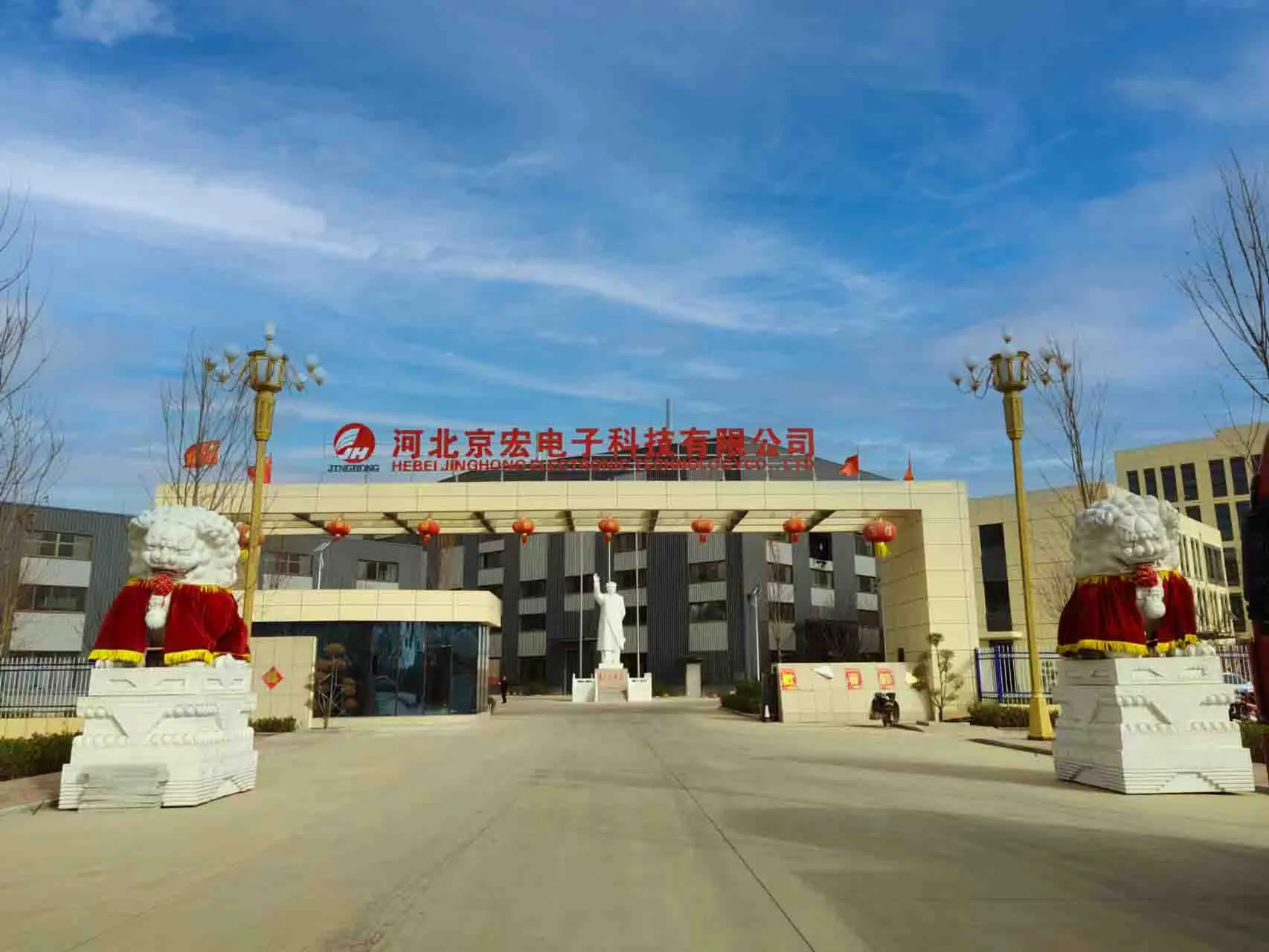
J&Q New Composite Materials Company