How Does Phenolic Paper Sheet Compare for Industrial Insulation Uses?
If you work in electrical manufacturing, power distribution, or industrial machinery, you already know that choosing the wrong insulation material can cost you time, tooling, and money. Phenolic paper sheet sits at the center of that decision for many engineers and procurement teams. It delivers a practical combination of dielectric strength, mechanical processability, and cost efficiency that few alternatives can match at the same price point. This guide walks through how it stacks up against competing materials, where it genuinely excels, and what to watch out for before you place a bulk order.
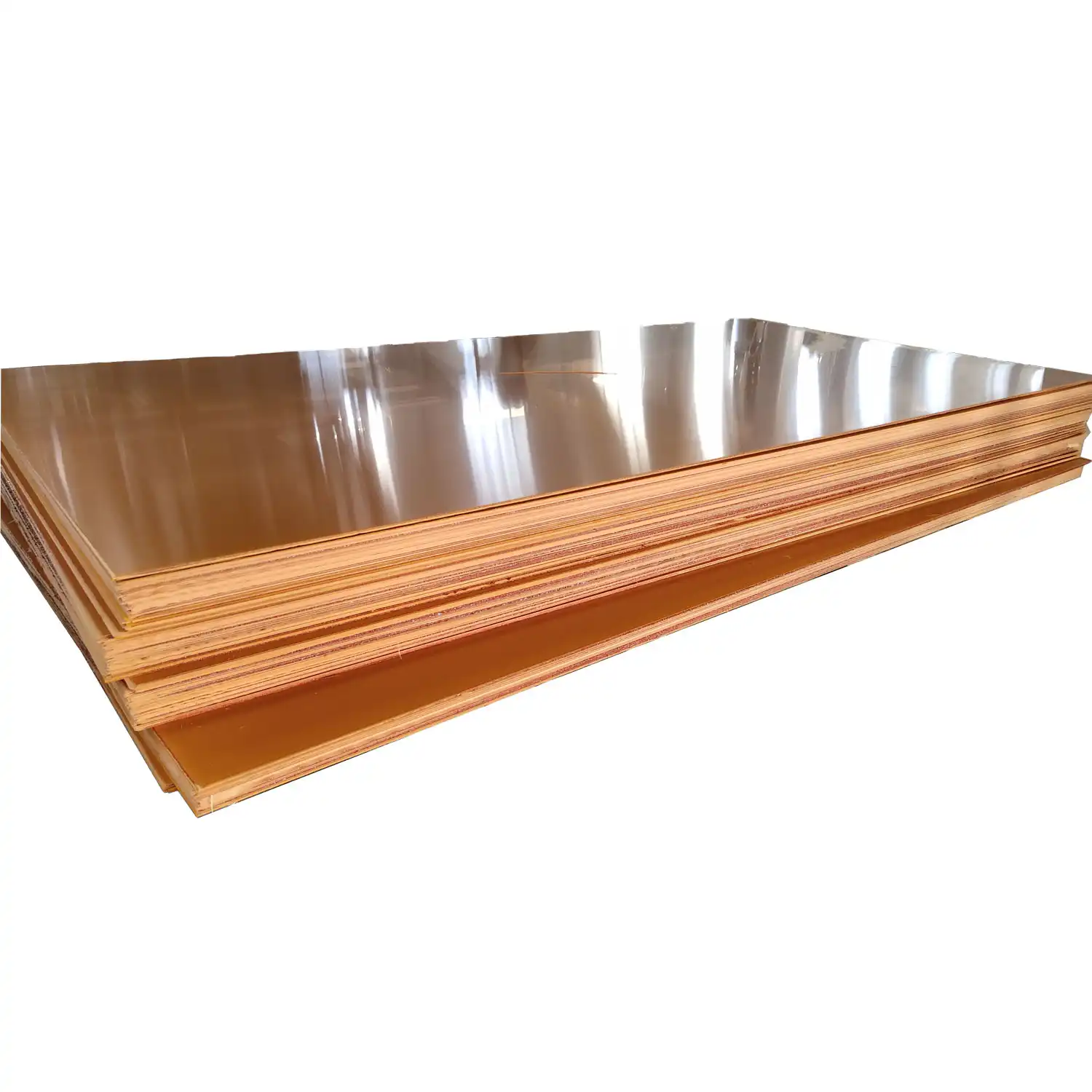
Understanding Phenolic Paper Sheets for Industrial Insulation
What Makes This Material Tick?
Continuously injecting phenolic resin into kraft paper makes Phenolic Paper Sheet. The stacked sheets are then baked and hot-pressed into a hard, dimensionally stable sheet. The end result is a Class E insulation material that can work nonstop at 120°C. It should have a density of 1.30–1.45 g/cm³ and a flexural strength of at least 120 MPa perpendicular to the lamination plane. When tested in transformer oil, the dielectric strength usually goes above 10 kV/mm. This makes it a safe material for low- to medium-voltage settings.
The amounts of moisture protection and resin content are set by NEMA grades X, XX, and XXX. The resin content in Grade XXX is the highest, and it's best for uses that need stable electrical insulation in oily or humid environments. There are a lot of technical chores in Grade X. Knowing these differences helps procurement teams make sure they don't specify too much or too little for their working environment.
Comparing Phenolic Paper Sheets with Alternative Insulation Materials
Where It Wins Against Common Alternatives?
When engineering teams look at insulation laminates, epoxy glass (FR4/G10), phenolic cotton cloth sheet, melamine laminate, and basic thermoplastics are often at the top of the list. Each has its own range of performance. In comparison to the other options, Phenolic Paper Sheet stands out in the following ways:
- Against FR4/G10: FR4 has better protection against water and higher tensile strength because it uses woven fiberglass reinforcement and epoxy glue. FR4, on the other hand, is much rougher on cutting tools, which makes them more expensive to use when CNC turning or drilling. Because Phenolic Paper Sheet is naturally non-abrasive, it greatly increases the life of carbide and diamond-coated tools. This is a huge benefit in situations where cost-per-piece is very important, such as when backing up a lot of PCB cutting or making fixture boards.
- Against phenolic cotton fabric laminate: Cotton-reinforced phenolic sheet is better at resisting impact and is preferred in situations where mechanical shock loading happens a lot. Phenolic Paper Sheet, on the other hand, is better for terminal strips, insulating washers, and busbar supports because it is more consistent in its electrical insulation and can be cold-punched.
- Against melamine laminate: Melamine has a smoother, harder surface but is less resistant to oils, solvents, and temperature cycle stress. When it comes to producing punched parts for motor systems and working with generator oil, Phenolic Paper Sheet is superior to Melamine.
- Against standard thermoplastics: Polycarbonate and nylon are more flexible than hard laminates, but they lose their shape when heated up. Phenolic Paper Sheet keeps its shape under constant thermal load up to its rated limit. This is something thermoplastics rarely can do for the same price.
These comparisons show a consistent pattern: Phenolic Paper Sheet is the best value for money when it comes to low-voltage electrical insulation, sacrificial machining, and making punched parts. In its most useful form, it is designed to avoid overkill.
Advantages and Limitations of Phenolic Paper Sheets in Industrial Settings
Core Strengths Worth Knowing
Before agreeing to a material standard, it's helpful to see a clear list of the real benefits. Because of these features, Phenolic Paper Sheet is often asked for in global industrial sourcing:
- Cold punchability: "P" grades (XP, XXP) have plasticizers in them that let you cold punch without the edges cracking. This lets you make a lot of gaskets, washers, and terminal insulators quickly.
- Machinability without abrasion: Unlike glass-reinforced laminates, this material doesn't wear down cutting tools quickly, which means less downtime and lower costs for replacing tools.
- Oil and solvent resistance: It doesn't react badly with oil or solvents, so it can be used for transformer coil supports and oil-immersed switchgear parts. It also keeps its structural and dielectric integrity when submerged in transformer oil.
- Dimensional stability: Thickness limits that stay the same across production batches make it easier for precision parts to fit together, which is important for OEM buying managers.
These strengths translate directly into lower total cost of ownership across electrical, power, and appliance manufacturing environments.
Limitations to Factor Into Your Specification
There are trade-offs in all things. Phenolic Paper Sheet can only withstand 120°C constant. If it gets warmer than this, the paper base will carbonize, turning it from an insulator to a conductor, which is a major failure mode. Also, it shouldn't be left outside because UV light breaks down the plastic surface over time, and changing humidity levels can cause delamination. Alkaline environments that are very strong also attack the chemistry of the substrate. Epoxy glass laminate or phenolic cotton sheet are better choices for outdoor, high-humidity, or high-temperature uses above Class E.
Procurement Insights: Buying Phenolic Paper Sheets for Industrial Use
What Separates Reliable Suppliers from the Rest?
Comparing unit prices is not enough to find Phenolic Paper Sheet for business use. The purchasing departments of electronics makers, power equipment OEMs, and appliance brands always say that three things determine the long-term health of a supply chain: the grade consistency across batches, the ability to track certifications, and quick technical support.
Laminates of a high quality should show that they meet well-known standards like NEMA, IEC 60893, or national standards that are the same. Suppliers who have been making things for more than twenty years know a lot about things like resin-to-paper ratios, pressing settings, and controlling thickness tolerances that younger companies just can't learn quickly.
Custom sizes, CNC pre-cutting, and the ability to change order quantities are also very important for buyers who are trying to keep their inventory low. A supplier with an integrated logistics infrastructure can cut down on lead times and make freight less complicated. This is especially helpful for U.S. manufacturers that need to buy things from other countries.
Final Recommendations: Selecting the Best Phenolic Paper Sheet for Industrial Insulation
It is imperative that you choose the correct laminate grade for the conditions in which you will be using it. If your project calls for oil-filled transformers or a lot of punched parts, you should choose XXP or a similar type with a known amount of resin. Standard X-grade sheets work well for mechanical spacers or drilling backup boards, and they don't cost too much. Before you approve a new provider, you should always ask for material test certificates and batch traceability documents. Hiring a provider who can give expert advice on grade choice instead of just filling a line item cuts down on mistakes in specifications and production work that costs a lot.
Conclusion
Phenolic Paper Sheet is still one of the most useful types of insulation that businesses can buy right now. Its good electrical insulation, ease of machining, oil resistance, and low cost keep getting it approved for use in electronics manufacturing, transformer production, motor assembly, and appliance fabrication. When buying, teams know what its thermal ceiling and moisture limits are; they can safely use it where it fits and suggest alternatives where it doesn't. When you buy the right grade from a reputable provider, it always works well, even after millions of production runs.
FAQ
What is the difference between phenolic paper sheet and FR4?
To make FR4, they use knitted glass fiber and epoxy glue. It is stronger and more resistant to water, but it is harder on cutting tools and costs more. Phenolic Paper Sheet combines kraft paper with phenolic resin to make it easier to work with and less expensive per unit. It works best in low-voltage applications that don't need to be very strong.
Can phenolic paper laminate handle outdoor applications?
It's not suggested to be used outside. UV light breaks down the resin surface, and over time, repeated changes in moisture make delamination more likely. The best places for it to work are inside, dry, or oily.
What do NEMA grades X, XX, and XXX mean?
These names show that the resin content and resistance to humidity are getting higher. X is mostly mechanical, XX adds some electrical qualities, and XXX is the best at keeping electricity from leaking and resisting water.
Is this material suitable for punching operations?
Yes. Grades made with plasticizers can be cold punched without the edges breaking. This makes it possible to make a lot of insulated washers and terminal components quickly.
How does temperature affect long-term performance?
The material can handle 120°C of constant use. When exposed for a long time above this level, the substrate carbonizes, turning the insulator into a conductor. This is a failure mode that needs to be planned for when the application is designed.
Partner with J&Q for Certified Phenolic Paper Sheet Supply
J&Q has been making insulating sheets for more than 20 years and has been trading with other countries for more than 10 years. As a reliable Phenolic Paper Sheet manufacturer, we offer certified grades, precise custom sizing, and integrated logistics through our own freight infrastructure. This means that you can get everything you need from us in one place. You can email our technical team at info@jhd-material.com to get details, samples, or a quote that is specifically made for your production needs.
References
1. NEMA LI 1 — Industrial Laminated Thermosetting Products Standard, National Electrical Manufacturers Association, 2020.
2. IEC 60893-3-4: Industrial Rigid Laminated Sheets Based on Thermosetting Resins — Specification for Phenolic Paper Laminates, International Electrotechnical Commission, 2003.
3. Harper, C. A., Electronic Materials and Processes Handbook, McGraw-Hill, 2004.
4. Insulation Materials: Performance and Applications, IEEE Electrical Insulation Magazine, Volume 36, 2020.
5. Dissado, L. A. & Fothergill, J. C., Electrical Degradation and Breakdown in Polymers, IET Publishing, 1992.
6. Global Industrial Laminates Market Report: Trends, Applications and Material Benchmarking, MarketsandMarkets Research, 2023.

Get a complete product list and quotation

J&Q New Composite Materials Company



