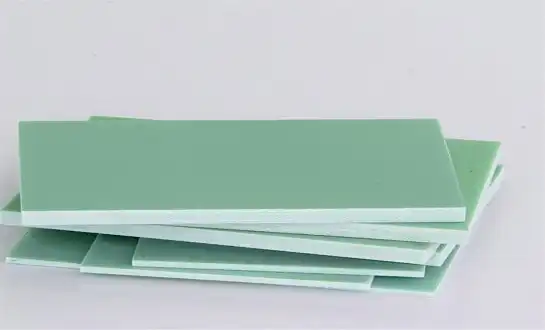
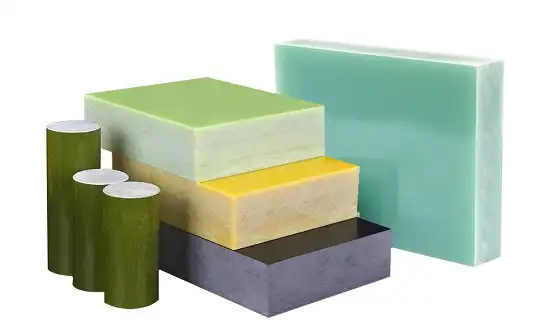
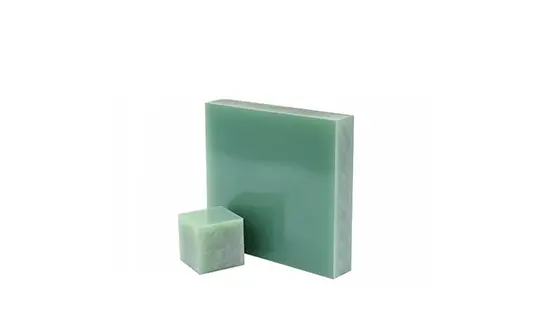
Phenolic Paper Laminate Manufacturing Equipment and Process Guide
Phenolic Paper Laminate is created by soaking cellulose paper in phenolic resin, letting it dry until it is partly hard, stacking the sheets, and applying controlled heat and pressure to press them together. There are several types of ovens, a hydraulic hot press, resin tanks, and tools for testing and finishing that you need to make them. At each stage, the amount of glue, how well it bonds, how thick it is, and how well it conducts electricity are all controlled. This book tells engineers and buying teams in the US how to buy things. It talks about the steps to buy, the method, the tools, and the checks for quality.
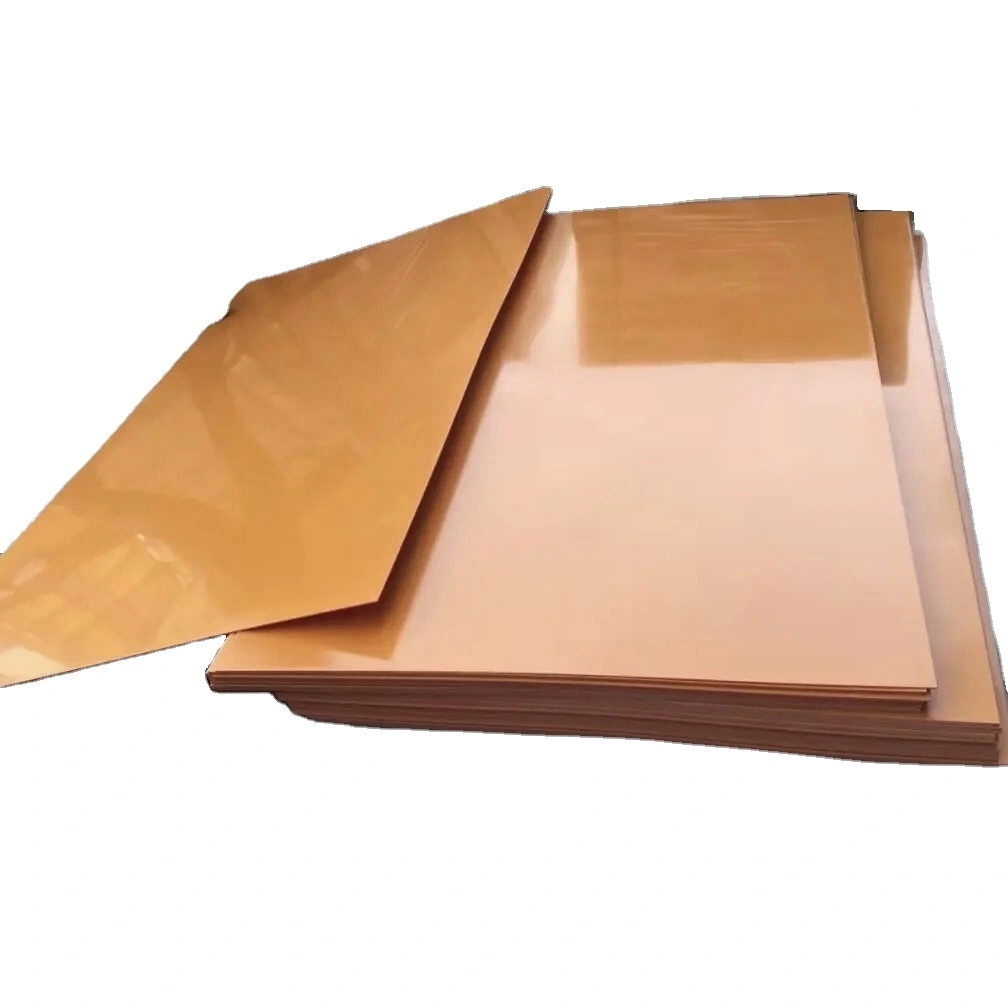
What Is Phenolic Paper Laminate?
Composition and Structure
Putting Phenolic Paper Laminate together and making it up. It is stiff and thermoset. The people who make Kraft paper soak it in phenolic glue. After the layers are treated, they are stacked, heated, and pressed together to make them last. Adding and changing things changes how they work. For example, chemicals that stop fires from starting help fires work better, and chemicals that soften metals help with drilling. Things that matter when you're making something are how thick the paper is, how much glue you use, and how the pieces are put together. Sheets that have more glue tend to be better against water and electricity, but if there is too much, they can break quickly. What makes the paper stiff, how easy it is to change the thickness, and how the glue moves through the stack depend on its density and layer count.
Core Properties
It's easy to work with and keeps heat in. Most of the time, it's between 1.30 and 1.45 g/cm³. Better grades can bend more than 100 MPa of the time. The electrical strength between the oil layers is usually around 12 to 20 kV/mm, or 300 to 500 V/mil. The grade that soaks up the least water (less than 1.0%) does so the least. The grade that soaks up the most (about 2.5%) takes in the most. Folic acid sheets can be used inside transformers that are full of oil because mineral oils or weak acids don't change the way the resin hardens. The grade, width, production standard, and working conditions will still affect how well the finished product works.
NEMA Grades at a Glance
Grade X can be used for building and mechanical work. Grade XX electrical wire can be used for many things. Because it doesn't soak up as much water, Grade XXX works well in damp places. For cutting, it's best to heat normal grades to between 40°C and 80°C. The grades that end in "P" (XP, XXP, and XXXP) have plasticisers in them. A lot of people use NEMA LI-1, IEC 60893, and ASTM D709 as sources. Some types of paper, like FR-1 and FR-2, are flame-retardant and can put out fires on their own. A UL 94 HB rating is given to most common paper phenolic.
Manufacturing Process and Equipment
From Raw Paper to B-Stage Sheet
Checking comes first, then making things. The basis weight and moisture level of the paper are checked, as well as the solids content and viscosity of the resin. Filters separate the resin that is mixed in tanks with moving parts. After that, the tension is kept in check while the paper is unwound. It goes through rolls that cover it, and a meter tells it how much resin to pick up. To dry the web, ovens with more than one zone are used. The glue is then moved to the B-stage, where it partly cures. It matters what temperature the oven is, how fast the web is moving, and how wet the paper is. This can cause dry spots or volatiles to get caught, which then show up as blisters.
Pressing, Cooling, and Finishing
The B-stage paper for Phenolic Paper Laminate is cut into pieces, which are then stacked to get the right width. The plant's main strength is its hydraulic hot press. The stack is put between plates. The consolidation is even because the platen's temperature stays the same and the pressure is carefully kept in check. The next step is to cool the material under pressure, since freezing it too fast can make it bend. Panel saws cut sheets to size after pressing, grinders improve the width and surface, and CNC tools make parts that are just right for you. Get rid of the dust to keep the workers safe, and then clean up the work area.
How to Evaluate Equipment?
I don't just look at how much a production line makes when I judge it. It is important to have a lot of space, but it's also important to be able to automate, inspect, maintain, and use less energy. A plant can check its own work if it has a lab with tools to measure thickness, insulation, and bending. When groups buy things, they should also keep track of each step. If a production line can keep track of batches, make standard sheets and OEM parts, and give technical information, it's clear that it was made to get repeat business.
How Manufacturing Conditions and Quality Control Affect Performance?
Resin, Heat, and Pressure
How well it works depends on how far the glue goes. There will be holes and weak links if the layers don't go through each other enough. The item might cost more, break easily, and have different thicknesses if there is too much resin. Stress, heat, and time must all work together to heal something. Something isn't cured long enough, and it gets weaker and lighter. Something that is cured too long makes it easy to break. When the pressure isn't even, the material doesn't stick together evenly. This can show up as splits, resin-filled spots, or coming apart when the part is machined.
Moisture, Thickness, and Flatness
How thick the paper is, how fast it cools, and how the press is set up all affect the final size and shape. Also, it's important to have water. You can control the amount of wetness in the paper all the way through storage. This is because water in the insulation makes it less resistant and changes its shape. I think you should lay the sheets out flat in a room with climate control that is close to 20°C and less than 50% relative humidity. The sheets need to be put on flat boards that can hold the whole area. So, plants don't bend and bow when they take in water in different ways.
Inspection and Corrective Action
A method for good mixing takes care of everything. The basis weight, moisture, viscosity of the resin, and solids content are all shown on the checks that come in. As it is being made, its weight, heating temperature, B-stage fix, press pressure, and cooling are all checked. In the end, sheets are checked for their sizes, smoothness, looks, electrical performance, and dynamic properties. After finding the cause, steps are taken to fix it. If the paper is brittle, it means there is too much glue, or the glue has been on for too long. The cracks show if the paper is wet or dry. The delamination marks show if it has been stored or cooled. The supply across the world stays steady thanks to agreed-upon rules for acceptance and records of each batch.
Properties, Grades, and Comparison with Alternative Materials
Reading a Specification Correctly
There isn't much value in a number on paper if you don't know how it was calculated. Oil and air are not the same when it comes to electrical strength. The effect changes based on temperature and thickness as well. Also, engineers should keep low temperatures, which are only used sometimes, separate from high temperatures that are used all the time. Some grades have rates of Class E (120°C) or Class B (130°C). The seller can tell you these rates. You should write down more than just the mechanical and electrical speeds. You should also write down the sheet size, thickness, flatness, surface finish, and edge quality. If you need to, you can ask for technical data sheets, lab reports, inspection reports, and RoHS or REACH paperwork.
Phenolic Paper vs. Cotton, FR4, and Epoxy
Every type of Phenolic Paper Laminate material is good at some things. Plenum paper costs less than FR4 and is easier to work with. This will make tools last longer. PCBs should still be made of FR4, which is stronger, doesn't break easily when hit, works well at high frequencies, and is rated UL 94 V-0 for flame safety. Paper is better at stopping electricity from moving and less likely to soak up water, but phenolic cotton is better at handling pressure and big loads. Linoleum and resin laminates are strong enough to handle tough jobs that need to be fire- or heat resistant.
Where Phenolic Paper Fits?
When the frequency is 50/60 Hz, phenolic paper works well. FR4 would be too hard to use and cost too much. A lot of different things use it every day, such as busbar supports, screws, bushings, cutting guides, and transformer spacers. It can be punched, which means it can be used to make many parts for electronics and gadgets. But not all the time. Validation needs to be done for each grade for harsh mechanical service, high voltage, high temperature, use outside, and arcing. Parts that support electricity shouldn't really be thought of as PCB materials at first.
Selecting and Buying Phenolic Paper Laminate
Define the Service Environment
Look at how things really work before you choose a grade. Write down the power, temperature, humidity, chemical exposure, mechanical load, fitting method, and a note about whether the process is still going on or not. You should turn these into goals that can be measured, like the thickness difference, the dielectric strength, the flexural strength, the ability to soak up water, and the flatness. Then, try out samples at normal widths and in real life before you buy a lot. This step makes sure the end result is right and works well.
Compare Suppliers
Find out what the seller can do and how much it costs. Check to see how much experience they have with testing, quality control, pressing, and shipping. There is a wait time, a minimum order size, a policy on samples, paperwork, and each batch should be the same. The price depends on the type of material, its thickness, the size of the sheet, the amount, how it is cut, how it is packed, where it is shipped, the Incoterms, and the tests that are done. J&Q has made and sold insulation sheets for over 20 years. We've done business with other countries for more than 10 years. We can help you with everything through our own logistics company.
Prepare a Complete RFQ
Everyone saves time when the ask is clear. List the quality of the material, the performance goals, the amount, the place where it's going, the compliance papers, and the date it needs to be delivered. When you add the plans for OEM or special parts, don't forget to include the annual demand, shipping plan, testing standards, and packing needs. Once you're happy with the example, check the price, wait time, payment terms, and Incoterms. When you place another order, make sure you remember the sample and specs that were approved and ask for batch certificates. People who want to buy tools, power, cars, or goods can use this method.
Conclusion
Phenolic Paper Laminate performance depends on how well each production stage is controlled. Resin pickup, paper moisture, oven temperature, press pressure, curing time, and cooling rate determine bonding, thickness, flatness, and electrical stability. The hot press is the central machine, supported by impregnation, drying, finishing, and testing equipment. NEMA grades, test conditions, and documents turn requirements into measurable specifications. Compared with phenolic cotton, FR4, and epoxy, paper grades offer economical insulation and easy machining for standard-frequency uses, while demanding thermal, mechanical, or PCB duties favor other materials. Sampling, supplier evaluation, and a complete RFQ then support stable purchasing.
FAQ
What is Phenolic Paper Laminate made of, and what equipment produces it?
It's made up of cellulose paper, phenolic resin, and other materials. A hydraulic hot press, finishing machines, testing tools, and glue tanks are some of the tools that are used in production.
How does it differ from FR4?
Polyimide paper costs less and is easier to make. With a UL 94 V-0 grade, FR4 is tougher and less likely to break when hit. It can also be used for PCBs and high temperatures.
Can I order custom parts?
Custom sheets, panels that have already been cut, parts that have already been drilled, and CNC-machined parts can all be bought from authorised manufacturers. Write down the number, grade, thickness, size, where it needs to be checked, and when it needs to be sent.
How should I store the sheets?
Your items will stay flat on full-support boards as long as the temperature is close to 20°C and the relative humidity is below 50%. They won't soak up water and twist.
Contact J&Q for Phenolic Paper Laminate Support
J&Q brings more than 20 years of experience producing and selling insulating sheets, plus over 10 years in foreign trade and our own logistics company for one-stop service. If you need a Phenolic Paper Laminate supplier, send your grade, thickness, dimensions, application, and destination to info@jhd-material.com. Our team can review drawings, arrange samples, and prepare quotations. More technical articles are available at blog.jhd-material.com.
References
1. NEMA LI 1 Industrial Laminated Thermosetting Products, 1998
2. IEC 60893-3-1 Insulating Materials – Industrial Rigid Laminated Sheets Based on Thermosetting Resins for Electrical Purposes, 2003
3. ASTM D709 Standard Specification for Laminated Thermosetting Materials, 2017
4. ASTM D149 Standard Test Method for Dielectric Breakdown Voltage and Dielectric Strength of Solid Electrical Insulating Materials, 2020
5. UL 94 Standard for Tests for Flammability of Plastic Materials for Parts in Devices and Appliances, 2013
6. Phenolic Resins: A Century of Progress, 2010

Get a complete product list and quotation
J&Q New Composite Materials Company