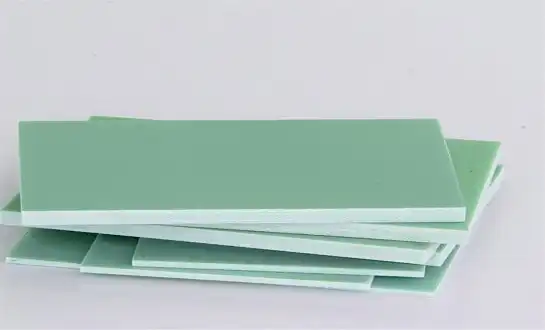
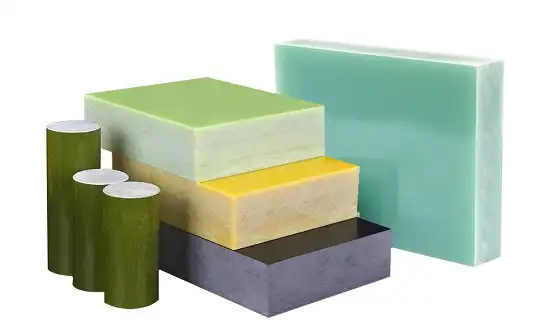
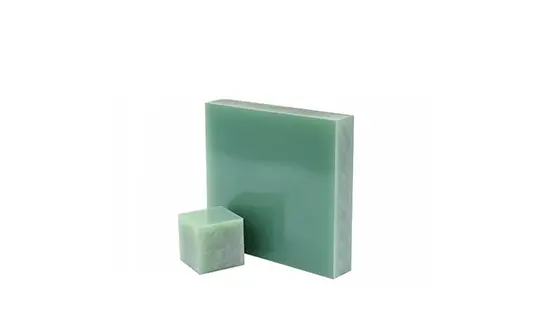
CNC Cutting Machines for Flame Resistance FR4 Fiber Glass Laminate Sheet
Flame Resistance FR4 Fibre Glass Laminate Sheet performs at its best when the CNC machine is stiff, the tools are covered in carbide or diamond, and the dust collection system works. A CNC router, a mill, or a drilling machine can be used to make precise parts and patterns of holes that are used over and over again. To keep your tools in good shape, hold the sheet tightly and make test cuts on the real sheet. This is because woven glass quickly dulls tools. At J&Q, you can buy Hongda epoxy resin FR4 sheets that are between 0.3mm and 100mm thick. Your machining team will then have the right parts to begin with.
Why CNC Cutting Matters for FR-4 Fiberglass Laminate?
What Makes FR-4 Worth Machining?
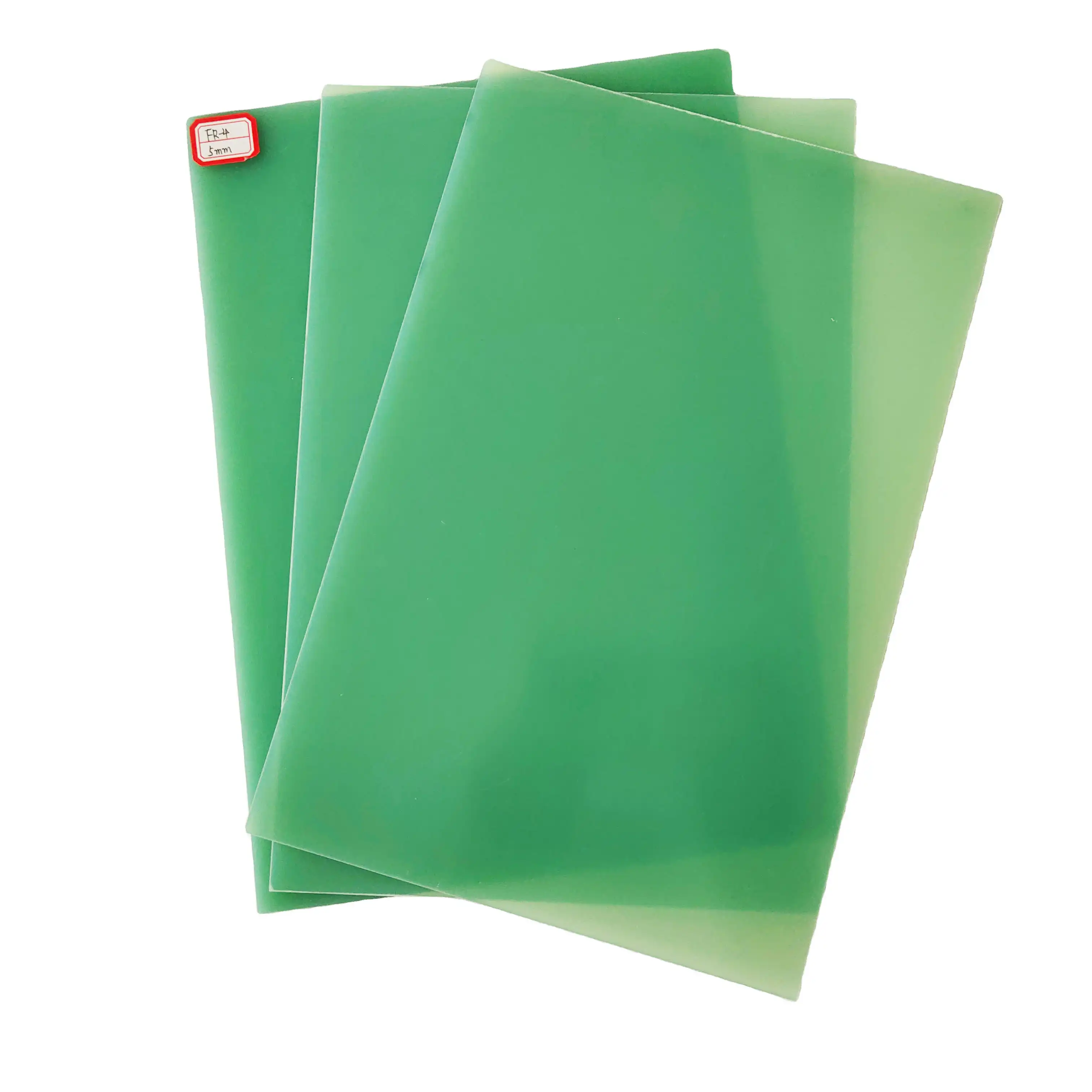
FR-4 is the name of a laminate made of epoxy and glass threads. To hold up PCBs and make busbar barriers, transformer parts, switchgear insulation, and tough mechanical parts, it is used. For FR-4 grades, the National Electrical Manufacturers Association (NEMA) does that job. The resin glue we use to make it gives it a light green colour. The test report says it is V-0 flammable according to GB/T 2408-2008, 2.01 g/cm³ dense, and 76 Barcol hard. If something gets a V-0 grade, it only says how it burns. We read the whole data sheet before giving the go-ahead for the cut because it doesn't say anything about the temperature at which it will be used, how well it will insulate, or how long it will last under heat.
How CNC Compares With Manual Cutting?
With a CNC machine, every piece you cut, route, or make is the same size all the way through. The holes and edge finish are different from one batch to the next when someone cuts by hand. A CNC program can also cut shapes, slots, and tight hole patterns that a saw can't. These stable conditions mean that people who buy mass-produced goods don't have to fix or throw away as many items. People in machines and cars can always place the same order when they need custom gaps or battery pack barriers. This is possible because the program has been saved. We can make things from a flat piece of FR4 that look just like the picture best with CNC.
Main Challenges When Cutting FR-4
Cutting tools get worn out quickly when glass fibres are linked together. Tools that have been used a lot have edges that aren't smooth and holes that aren't round. It can also get too hot because cutting can get hotter when the feed is slowed down. All of the following must be the same: feed rate, chip amount, cutting level, and spinning speed. With fibreglass and epoxy dust, you can do closed-loop machining, local extraction, high-efficiency filtration, and make safety gear. The Journal of Materials Processing Technology wrote an in-depth piece about drilling fiber-reinforced plastics in 2007. Tool wear and feed rate are linked to delamination. Chipping is usually caused by tools that are too dull, poor support, or vibration. To quickly fix many problems, keep the work steady and switch out the tools as planned.
Choosing CNC Machines, Tools, and Process Steps
Choosing Between CNC Routers, Mills, and Drilling Machines
The shape of the part, the amount of output, and the quality are the things that help decide which machine to use. CNC routers can cut shapes into sheets, holes, and large 2D panels. We normally make sheets that are 1030mm x 1230mm, but we can make them any size you need, like 1220mm x 2440mm. You can stack more parts on a sheet if your router bed is big enough. Mills and machining centers are used to make parts with a lot of small details stiffer. Drilling tools are used to make PCB and mounting holes that need to be done over and over again. You should look at the spindle's range, how well it cleans up dust, how many times it can do something, how long it can hold work, and how it drives things. After that, try the sheet on before you buy it.
Carbide and Diamond-Coated Tools
CBN tools are often less expensive per tool and can be used with a Flame Resistance FR4 Fiber Glass Laminate Sheet. Different kinds of diamond tools last longer when they are used a lot. The hole sizes stay the same, so you don't have to change the tools as often. A dull tool only moves threads around, not cuts them. Any setting is not as important as having sharp edges. Thick sheets make tools last longer than thin ones, so that's the best way to gauge how long a tool has been used. Don't wait for burrs to show up before you replace your tools. It's easier to stick to the plan when the machine measures the tools for you.
Recommended CNC Cutting Process
Before the wheel turns, a steady process begins. Please do these three things for FR-4 work:
- Check the plans and supplies to make sure they are correct. Make sure you know the exact grade, thickness, sheet size, limits, Tg, flame rating, and insulation needs. You should send the shop clear CAD files in DXF, DWG, or STEP formats, along with hole tables, surface requirements, and numbers. This helps the shop find the right part to cut ahead of time, which saves them time and work.
- Review the cut's specifics. Test the spindle speed, feed rate, tool width, depth of cut, and number of runs on a real sheet with your own machine. Thin sheets need support for the whole surface, extra backing boards, and Hoover workholding to make sure that each pass is clean. The sheets won't shake, break, or bend because of this.
- Clean the parts of the fibreglass dust, make sure they are the right size, and pack them up so they don't bend, hit anything, or get wet. The job will be done, and the parts will be safe. Parts that are clean protect the parts that come after them because loose glass dust can get into computer and appliance systems. For each batch, records are kept.
This will save your quality team time because they won't have to test things on the shop floor. Plus, it will help them keep track of each batch.
Improving Accuracy, Edge Quality, and Quality Control
Match Tolerances to Function
It's not always important to set the tightest limit. When it comes to controls, a precision fastener, a busbar barrier, an insulation piece, and a generator part are all different shapes and need different ones. To save time on cutting, widen the gaps between parts that don't close, fit together, or hold weight. It's also important to plan. There should be no sharper edges on the tool than the corner inside the hole, and the holes should be big enough for the tool to fit through. Engineers who work with metal should make sure that the sheets that come in don't go over the limits they set on the drawing. This is because limits for width change the height of the stack.
Reduce Burrs and Delamination
Tightly holding the work, sharp carbide or diamond-coated tools, the right feeds and speeds, and the right backing will stop all cut burrs and delamination. It's better to make several short passes with less force than one long pass. Threads tend to lift as they come out of holes. A second board behind them keeps them down. Hocheng and Tsao wrote a paper in 2005 about delamination-free drilling of composites. In it, they talk about how less thrust force at the exit side makes it less likely that layers will separate. You can use the same rule for FR-4 in stores. Pick ways to get in and out that don't touch a thin edge directly.
Inspection and Pre-Production Checklist
If you're going to make something, make sure you know the FR-4 grade, flame rating, thickness, flatness, changes to the drawing, tolerances, tooling, dust extraction, and first-piece inspection. While the work is being done, keep an eye on the temperature, tool wear, dust buildup, edges, and where the holes are. If you want to check for flaws like cracks, chips, and delamination after work, you can use callipers, micrometres, scales, eye measurement, or a CMM. When you get the same order over and over, it will be easier to match the steps you took the first time. An inspection report, batch number, and approved samples help keep track of things and do customer audits for OEM and export orders.
Matching Flame Resistance FR4 Fiber Glass Laminate Sheet Performance to Applications
Requirements by Industry
On the Flame Resistance FR4 Fiber Glass Laminate Sheet, each buyer group wrote down different things they needed. People who make electronics need parts that are all the same thickness, work well with dielectrics, and have clean holes for switches and PCB support. The thickness of the spacers and gears, how well they fit together, and how much wear they get are all things that machine builders care about. Electricity and power companies make sure that the spark guards and padding around coils don't catch fire and don't change temperature too much. Auto suppliers want battery pack dividers and parts that can handle heat and are the same from batch to batch. When it comes to insulation frames and motor brackets, machine builders like stable mass production. Write down the rules for use on the RFQ. This will help you choose the right sheet a lot.
Reading the Hongda Test Data
Our test report has numbers that you can use to compare your drawing to. It can bend 571 MPa if you look at it straight on from the laminations. It can pull 282 MPa and crush 548 MPa. It weighs 57.3 kJ/m². 16.7 kV/mm is the voltage at which the vertical layer breaks. More than 100 kV is the voltage at which the parallel layer breaks. It has a resistance of 2.2×10⁻⁴ Ω, a relative permittivity of 5.40 Ω at 50Hz, a dissipation factor of 7.2×10⁻³, and it takes in 5.3 mg of water. The report lists test methods and sample numbers. Please compare them to the ones you use to figure out what's okay.
FR-4 Versus G10, Phenolic, and Aluminum
FR-4 was often used instead of G10 because it can't stand up to fire. At first glance, a phenolic laminate like Bakelite may look like a good deal. However, it changes when it gets wet, lasts longer, and is harder to machine, so don't just look at price. To compare the two, think about how you'll use them. "Fibreglass sheet" isn't really a word. This doesn't prove that there is a V-0 rating, an epoxy resin system, or dielectric properties that can be changed. Aluminium moves heat much better than FR-4, which is heavier and worse at stopping electricity. Before you place your order, get a full technical data sheet and make sure you know the grade and thickness.
Choosing a Supplier and Planning Your Order
What to Check in a Supplier?
A good supplier will give you papers for the right grade and length. Don't forget to ask for inspection reports, technical data sheets, flame ratings, material certificates, and information on how to pack things to send them abroad. Get UL, RoHS, or REACH statements right away if your program needs them. You should also think about how consistent and how much you can do. The Hongda line makes 13,000 tonnes of steel every year, and our fully automatic workplace keeps the quality high. J&Q has made and sold insulation sheets for over 20 years. They've done business with other countries for more than 10 years. Everything is taken care of by our own delivery company, from making the things to sending them.
Cost, Lead Time, and Order Planning
A CNC-cut part costs more than a sheet. It's about the grade, thickness, sheet size, paperwork, time spent cutting, tool wear, quantity, inspection, packing, and where to put it at the end. We accept T/T as payment, and we can ship by sea, land, or air. To place an order, you need at least 500KG. We put sheets on the pallets and pack them in regular boxes to keep them safe. Models are approved before they are made in large quantities to make sure that the sides are the right size, work well, and are of good quality. When we use standard sizes and clear goals for jobs that happen over and over, we can better plan our shipping and capacity. Don't just look at the price per kilogram; compare the full price.
Sheet Sizes and Thickness That Fit Your CNC Layout
Waste changes based on the size of the sheet. This is the normal size, which is 1030 mm x 1230 mm. It can also be made to order in 1030mm*2030mm, 1220mm*2440mm, 1030mm*1030mm, and 1030mm*2070mm sizes. You can find insulation pads that are as thin as 0.3 mm and building blocks that are as thick as 100 mm. To save time and money, make sure the sheet fits your part stacking and machine bed. We can talk about a good size and width after you send us your plans, yearly demand, and performance goals. The first thing we do is fill orders that come straight from customers.
Conclusion
Flame Resistance FR4 Fibre Glass Laminate Sheet can be used regularly by CNC cutting to create accurate parts that can be drawn. Woven glass needs to be worked on machines that are stiff, with sharp carbide or diamond-coated tools, stable workholding, and conditions that have been tried. If it's not supported properly, woven glass can come apart, make dust, and damage tools. There are inspection records that help with both OEM and foreign sales. These records show where the part works and where it should be. Being able to tell how something burns is not all you need to know about it. On its data sheet, you should still look at its grade, thickness, dielectric values, and thermal needs. The best way to see how FR-4 stacks up against other materials is to work with it in real life. The price of the whole thing includes the stuff, the time it takes to make, the tools, the checking, the shipping, and the packing. If a sample is approved, it's less likely that something will go wrong when a lot of them are made.
FAQ
Can I cut FR-4 with a CNC router?
Yes, as long as the machine is strong enough, can clean up the dust, has powerful tools made of carbide or diamond, and can hold the work firmly. The exact cut is made based on the size, form, accuracy, and thickness. Cut a test piece from the real sheet first.
Does every FR-4 sheet have a V-0 rating?
Do not do that. Make sure you have the right batch, grade, and thickness by looking at the flame number. There is a V-0 in our Hongda test report for GB/T 2408-2008. It's possible to ask for papers that fit your theme.
What are your order and shipping terms?
The least amount you can order is 500KG, and you can pay by T/T. We pack boxes often and keep them safe from things like water, rocks, and bends. We can ship by land, sea, or air.
Request a Quote for Flame Resistance FR4 Fiber Glass Laminate Sheet From J&Q
Looking for a Flame Resistance FR4 Fiber Glass Laminate Sheet supplier that supports your CNC program with a steady supply? J&Q offers Hongda epoxy resin sheets from 0.3mm to 100mm, more than 20 years of insulating sheet experience, and our own logistics company for one-stop delivery. Email your drawings, thickness, quantity, and destination to info@jhd-material.com for a technical review and quotation. You can also read more guides at blog.jhd-material.com.
References
1. UL 94: Tests for Flammability of Plastic Materials for Parts in Devices and Appliances, UL Standards, 2013
2. NEMA LI 1: Industrial Laminated Thermosetting Products, National Electrical Manufacturers Association, 1998
3. IPC-4101E: Specification for Base Materials for Rigid and Multilayer Printed Boards, IPC, 2021
4. ASTM D709: Standard Specification for Laminated Thermosetting Materials, ASTM International, 2017
5. Abrao, A.M., et al., "Drilling of Fiber Reinforced Plastics: A Review," Journal of Materials Processing Technology, 2007
6. Hocheng, H., and Tsao, C.C., "The Path Towards Delamination-Free Drilling of Composite Materials," Journal of Materials Processing Technology, 2005

Get a complete product list and quotation

J&Q New Composite Materials Company