Phenolic Cotton Sheet Supports Precision Machining in Industrial Component Production
When your production line depends on tight tolerances and consistent material behavior, the laminate you choose matters more than most people realize. Phenolic cotton sheet — a high-pressure laminated composite made from woven cotton fabric bonded with phenolic resin — has earned a firm place in industrial precision machining. From electrical switchgear to heavy-duty mechanical gears, this material delivers the dimensional stability, machinability, and thermal endurance that modern manufacturers require. This guide walks through its properties, real-world applications, material comparisons, and procurement considerations to help engineering teams and sourcing managers make well-grounded decisions.
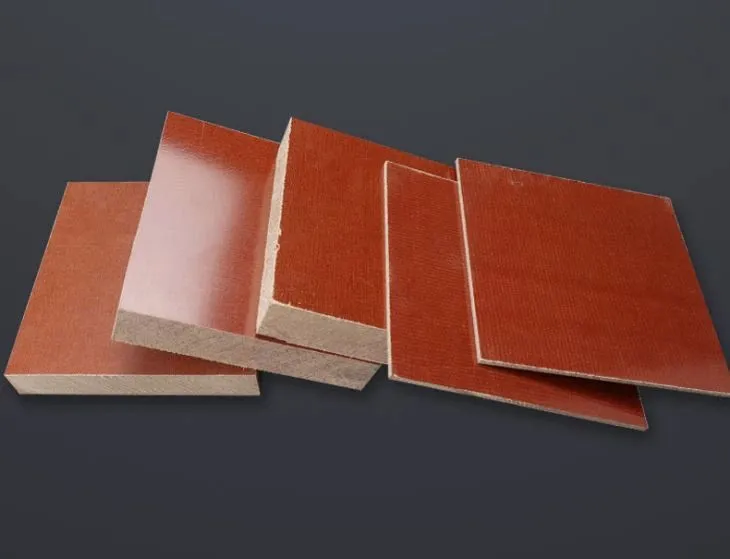
Understanding Phenolic Cotton Sheets: Composition and Key Properties
What It Is Made Of
Using phenolic resin to soak layers of knitted cotton fabric is how phenolic cotton cloth laminate is made. The stack is then cured at a high temperature (usually above 150°C) and controlled pressure. This makes a dense, stiff composite that acts differently than plain resin castings or raw cotton. Because it is made of knitted fibers, it is tougher than materials made only of plastic.
Core Material Properties
The physical properties of this material have been well-documented as being appealing in a number of different businesses. These are the most important things engineers look for:
- Mechanical strength: High tensile and compressive strength supports load-bearing applications like gears, spacers, and structural brackets without deformation.
- Dimensional stability: Low thermal expansion and consistent thickness tolerances allow reliable fit in precision-machined assemblies.
- Electrical insulation: Good dielectric strength makes it suitable for terminal boards, busbar supports, and switchgear panels in low-to-medium voltage environments.
- Heat and wear resistance: The material withstands sustained heat exposure and surface abrasion, which prolongs service life in high-cycle environments.
- Low moisture absorption: Properly graded sheets resist swelling in humid or oil-lubricated conditions, which is critical for marine bearing applications.
Because of these features, phenolic cotton laminates are a good choice when you need a material that is in between pure electrical insulators and mechanical metals.
Thickness and Grade Considerations
Industrial-grade Phenolic Cotton Sheet materials are available in different thicknesses, and selecting the appropriate thickness can directly affect machining quality and final component performance. For precision electrical components, a thinner Phenolic Cotton Sheet may be more suitable when dimensional accuracy and ease of machining are priorities. In contrast, thicker Phenolic Cotton Sheet materials are often preferred for mechanical components that need greater structural support and load-bearing capability. Before placing an order, engineering managers should also confirm that the selected Phenolic Cotton Sheet grade matches the intended working environment, including exposure to moisture, elevated temperatures, mechanical loads, or electrical insulation requirements. Choosing the right Phenolic Cotton Sheet thickness and grade according to the application can help improve machining consistency, component reliability, and overall production efficiency.
Why Phenolic Cotton Sheets Are Ideal for Precision Machining in Industrial Components
Machinability Advantages Over Metals
Noise and shaking are well-known problems that can happen with metal parts in turning systems. When used on CNC machines, phenolic cotton laminates make gears and pinions that are very quiet, which lowers the noise level in textile and papermaking lines. If a phenolic gear gets stuck, it tears apart instead of ruining the steel drive shaft. This is a natural fail-safe that keeps expensive equipment further down the line safe.
Performance in Demanding Conditions
Even when there is a lot of torque and heat, the material keeps its shape. It works well in naval and hydraulic bearing situations where water or oil lubrication would cause metal bearings to stop. It is also used by companies that make parts for cars, such as insulation pads and heat-resistant fixtures, where accuracy from batch to batch is important for the speed of the assembly line.
Real-World Application Range
Phenolic cotton laminates are used to make a lot of different finished products in many different fields.
- Terminal boards and busbar supports in electrical switchgear
- Silent gears and pulleys in textile and paper machinery
- Stern tube bearings and rudder bushes in marine equipment
- Insulation spacers and structural brackets in power distribution equipment
- Wear strips and gaskets in industrial machinery
— Spacers for insulation and brackets for structure in power distribution gear
— Wear strips and seals for heavy machinery
Phenolic Cotton Sheet vs. Alternative Materials: Making the Right Choice
How It Compares to Fiberglass Laminates
Fiberglass epoxy boards are often preferred for PCB-level applications because they provide strong electrical insulation and stable dielectric performance. In contrast, Phenolic Cotton Sheet is well suited to mechanical components that require good impact resistance, machinability, and relatively quiet operation. For high-volume CNC production, Phenolic Cotton Sheet can be machined efficiently, helping manufacturers maintain consistent component dimensions while reducing unnecessary tool wear. When mechanical strength and ease of machining are more important than the specialized electrical properties required for PCB applications, Phenolic Cotton Sheet provides a practical material option. Its machinability also makes Phenolic Cotton Sheet suitable for producing mechanical parts in repeated production runs where stable processing and predictable tool life are important. For manufacturers comparing laminate materials, selecting Phenolic Cotton Sheet for the appropriate mechanical applications can support efficient CNC production and consistent part quality.
Phenolic Paper Sheet vs. Phenolic Cotton Sheet
Laminates made of phenolic paper are less expensive and work well for light-duty electrical protection. However, the cotton-reinforced form is much more resistant to pressure and is less likely to break under mechanical load. The paper grade doesn't work as well in situations with vibration, torque, or physical stress. Epoxy cotton laminates actually work better in high-voltage environments because they have better electrical properties. Melamine sheets can take being hard on the outside well, but they break more easily when they hit something hard. Phenolic cotton laminates are a good compromise because they are strong enough for mechanical jobs, well-insulated enough for medium-voltage electrical parts, and easier to make than either option in most shop floor situations.
When to Choose Epoxy Cotton or Melamine Options
Epoxy cotton laminates offer superior electrical properties and are better suited for high-voltage environments. Melamine sheets handle surface hardness well but tend to be more brittle under impact. Phenolic cotton laminates occupy a practical middle ground — strong enough for mechanical roles, adequately insulating for medium-voltage electrical parts, and easier to machine than either alternative in most shop floor scenarios.
Procuring Phenolic Cotton Sheets for Industrial Component Production
Minimum Orders, Lead Times, and Customization
When planning purchases for precision machining projects, it's important to know how much to order, when to expect it, and if the supplier can cut or machine sheets to specific sizes. Standard industrial sheets come in common sizes and thicknesses, but many OEM buying managers need shapes that aren't standard. Making sure that a supplier can customize before making a commitment saves a lot of time during the project execution.
Pricing Factors to Evaluate
The price of Phenolic Cotton Sheet can vary depending on sheet width, material grade, order quantity, and the required surface finish. Buyers should request quotations for Phenolic Cotton Sheet that clearly separate material costs, handling charges, packaging, and shipping expenses into individual line items. In B2B purchasing, larger orders of Phenolic Cotton Sheet often provide opportunities for volume-based pricing, especially when buyers can provide reliable demand forecasts. For companies with ongoing requirements, long-term agreements for Phenolic Cotton Sheet may also help create more predictable pricing across supply cycles that extend over several years. By comparing quotations based on the same specifications, quantity, and delivery terms, procurement teams can evaluate the total purchasing cost of Phenolic Cotton Sheet more accurately and make better-informed sourcing decisions.
Global Sourcing and Logistics
For companies in the US that buy from sellers outside of the US, shipping times and paperwork needs are just as important as the material specifications. Customs clearance delays can be cut down and wait times can be kept constant if the supplier has a history of exporting and their own logistics support. Both of these things have a direct effect on the production schedule.
Ensuring Quality and Reliability: Certification and Supplier Trust
Why Certifications Matter
ISO and ASTM certifications are more than just pieces of paper; they show that a supplier follows well-thought-out quality systems and that the materials they produce meet clear criteria. When buying things for the power and energy sector or the car supply chain, teams are often required by contract to only buy from certified makers.
Evaluating Supplier Credibility
A supplier’s history with OEM customers, technical support capabilities, and ability to provide material test reports are important indicators when evaluating a Phenolic Cotton Sheet supplier. Before placing a full order, engineering managers should request samples of Phenolic Cotton Sheet for evaluation and review available batch consistency data to confirm that the material meets the required specifications. It is also important to verify that the supplier has direct experience with Phenolic Cotton Sheet used in precision machining applications, particularly when tight dimensional tolerances and consistent machinability are required. A reliable supplier should be able to provide clear technical documentation, material certifications, and relevant application support for Phenolic Cotton Sheet. Reviewing these factors before purchasing can help manufacturers select a Phenolic Cotton Sheet supplier capable of supporting stable production and long-term OEM requirements.
Long-Term Partnership Value
Suppliers who have been making insulation materials for more than 20 years and doing business internationally for more than 10 years bring a wealth of information that helps buyers at every step, from choosing the right grade to getting help after delivery. For example, J&Q has long-term partnerships with trading companies in a number of different regions. It also runs its own logistics company to offer a sourcing and delivery service all in one place. This kind of integrated capability makes the whole supply chain run more smoothly.
Conclusion
Phenolic Cotton Sheet has a practical role in precision machining because it offers consistent mechanical performance, reliable machinability, and versatility across electrical, mechanical, and structural applications. With its combination of strength, insulation properties, and ease of processing, Phenolic Cotton Sheet can be used for electrical components, industrial gears, bushings, and power insulation systems. For manufacturers requiring stable production, selecting a certified and experienced supplier of Phenolic Cotton Sheet is important, particularly when consistent material quality and technical support are required. Reliable transportation and supply-chain coordination are also essential when sourcing Phenolic Cotton Sheet, as unexpected delivery delays can disrupt machining schedules and production plans. For procurement and engineering teams that need measurable quality, predictable availability, and application-specific support, Phenolic Cotton Sheet should be evaluated as a practical material option for demanding industrial applications.
FAQ
What types of industrial components benefit most from phenolic cotton laminates?
The best fit is for parts that need to be mechanically strong and moderately electrically. These are things like quiet gears, terminal boards, busbar supports, bearing bushes, wear strips, and structural gaps in power distribution and switchgear.
How do I select the right thickness and grade for my machining project?
First, figure out what kind of stress your part will be under: mechanical load, heat, electrical contact, or water. Different types of glue work best in different conditions, such as when they are wet or very hot. Based on the information you give them, your supplier's expert team should be able to suggest a grade.
What are typical lead times for industrial orders?
Most standard sheet sizes ship in one to two weeks. Orders that are custom cut or graded may take longer, based on how many there are and how complicated they are. Get written confirmation of wait times before setting up production schedules.
What is the minimum order quantity for B2B buyers?
This is different for each supplier and sheet type. A lot of manufacturers can handle both small orders and contracts for a lot of products. Talking to suppliers ahead of time about the amount of work you need done helps them come up with the most cost-effective order structure.
Does J&Q offer customized cutting or machining services?
Yes, J&Q lets you customize your order and runs its own transportation network to make sure that foreign deliveries are made quickly and safely. Email info@jhd-material.com to talk about the needs of your project.
Partner with J&Q — A Trusted Phenolic Cotton Sheet Supplier
The results of your precision cutting depend on how consistent the material is from one order to the next. Every package that J&Q makes is backed by more than 20 years of experience making insulation materials and more than ten years of experience trading internationally. We offer guaranteed quality, low prices, and reliable wait times because we are a direct producer of Phenolic Cotton Sheets and handle all of our own logistics. You can email our team at info@jhd-material.com or go to blog.jhd-material.com to get samples or a quote for your project.
References
1. Harper, C. A. (Ed.). Handbook of Plastics Technologies. McGraw-Hill, 2006.
2. Brydson, J. A. Plastics Materials (7th ed.). Butterworth-Heinemann, 1999.
3. ASTM International. ASTM D709: Standard Specification for Laminated Thermosetting Materials. ASTM International, 2021.
4. IPC — Association Connecting Electronics Industries. IPC-4101: Specification for Base Materials for Rigid and Multilayer Printed Boards. IPC, 2017.
5. Strong, A. B. Plastics: Materials and Processing (3rd ed.). Pearson Prentice Hall, 2006.
6. Rosato, D. V., & Rosato, M. G. Reinforced Plastics Handbook (3rd ed.). Elsevier, 2004.

Get a complete product list and quotation

J&Q New Composite Materials Company



