Optimizing Phenolic Cotton Sheet CNC Milling for Better Surface Finish
Achieving flawless surface finishes when machining Phenolic Cotton Sheet demands precision and expertise. These composite materials—created by impregnating woven cotton fabric with phenolic resin and curing under high temperature and pressure—deliver exceptional mechanical strength and electrical insulation. We've spent over two decades perfecting CNC milling techniques that eliminate common defects like delamination, surface roughness, and thermal damage. This guide shares practical optimization strategies that transform raw phenolic cotton laminates into precision components meeting the strictest quality standards for electrical systems, industrial machinery, and power distribution applications.
Introduction
Phenolic Cotton Sheets are very important in many industrial fields where strength and electrical shielding are needed. These materials are designed for use in heavy machinery and switchgear systems to make gears that don't wear out as easily. They are a bridge between metal parts and purely insulating barriers. To get the most out of them, though, you need to know how the factors of a CNC milling machine affect the qualities of the material.
We've worked with buying teams and engineering departments for decades, and one problem that keeps coming up is how to balance production speed with surface quality. When machining factors aren't calibrated correctly, makers have to deal with parts that don't fit right, tools that wear out faster, and parts that are rejected. This throws off production plans, wastes more materials, and makes it harder to work with suppliers.
The risks are especially high in fields that need very tight limits. To keep arcing from happening and to make sure consistent dielectric performance, companies that make electrical equipment need surfaces that are smooth. Auto providers need battery walls that are precisely machined and have the same width all the way through. Power sector clients can't stand it when transformer insulation parts start to separate. For each job, a specific machining method is needed that takes into account both the material's properties and the job's needs.
Understanding Phenolic Cotton Sheet and Its CNC Milling Challenges
Material Composition and Properties
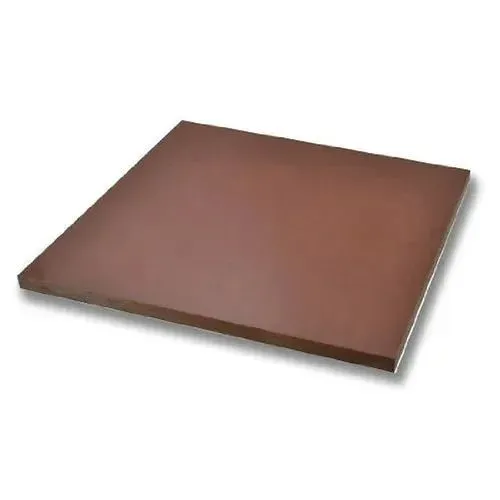
Phenolic Cotton Sheets are made up of synthetic phenolic resin matrices and natural cotton fabric reinforcement. This hybrid structure makes a material that is much tougher than options made of phenolic paper while still having some electrical insulating qualities. The cotton fibres protect against impacts and have natural dampening properties that keep catastrophic failures from happening. When these materials are overloaded, they slowly shred instead of breaking like ceramic insulators or seizing like metal parts.
During the manufacturing process, layers of cotton cloth sheets are soaked in liquid phenolic resin and then cured under pressure at temperatures above 150°C. This makes a thick, void-free material that is very stable in its shape. The material doesn't absorb water as easily as wood-based options, and it can work continuously at temperatures up to 120°C.
Common Machining Difficulties
Working with these laminates is different from working with metals or plastics when it comes to CNC milling. Because finished phenolic resin is rough, it speeds up the wear of cutting tools, especially those that aren't covered. When feed rates or spinning speeds aren't just right, cotton fibres may pull or fray instead of shearing neatly. This can lead to fuzzy edges or uneven surface texture.
Delamination is another issue that keeps coming up. Cutting forces that are stronger than the interlaminar bond strength between cloth layers cause the material to separate into different plies. This usually happens when the tools are dull, the feed rates are too fast, or the workpiece isn't clamped properly. The problem gets worse near edges or when cutting thin-walled shapes, since these make the material less stiff.
Because phenolic resins don't conduct heat very well, managing the temperature makes the process more difficult. When you cut something, heat can build up faster than it can escape, which could damage the resin's qualities or cause discolouration to appear in certain areas. This thermal damage makes the mechanical properties weaker, and the surface looks worse, so parts that meet the size requirements are rejected.
Identifying Key Factors Affecting CNC Milling Surface Finish of Phenolic Cotton Sheets
Material-Specific Variables
The density and consistency of Phenolic Cotton Sheets have a direct effect on how well they machine. Higher-density types with more resin tend to machine more easily, but they also make more heat and wear down tools faster. Lower-density versions with higher fabric ratios run cooler through the machine, but they need stronger tools to keep the fibres from coming out. We've seen that material uniformity within runs is very important. Changes in the way resin is distributed or the tension of the cloth during production make the machining behaviour uncertain.
The surface texture is affected by the direction of the fibres in relation to the cutting direction. Milling along the main lines of the fabric's weave usually leads to smoother finishes than cutting across the fibres, since fibres are more likely to pull than break when cutting perpendicular to them. When surface finish is important, skilled machinists change the toolpaths to reduce cross-grain cutting as much as possible.
Critical Machining Parameters
Optimising the surface finish starts with the spindle speed and feed rate. Too fast speeds create extra heat that isn't needed, and too slow speeds rub instead of cut. We've found that the best spinning speeds for carbide tools are usually between 8,000 and 15,000 RPM, and the feed rates need to be changed to keep chip loads at a level that makes fine, uniform chips instead of dust or big pieces.
The depth of cut per pass has a big effect on both the quality of the surface and the life of the tool. When you make cuts deeper than 3 mm, they often bend thin materials or make too much heat. Passes that are too shallow (less than 0.5 mm) can polish surfaces instead of cutting them, making them smooth and glossy. The sweet spot is different for each material thickness and machine shape, but for roughing, it's usually between 0.2 and 1.8 mm, and for finishing, it's between 0.3 and 0.8 mm.
Tooling Selection and Geometry
When cutting rough phenolic laminates, carbide tools with special coats work much better than those that aren't coated. Diamond-like carbon (DLC) and titanium aluminium nitride (TiAlN) coatings make tools last 3–5 times longer than bare carbide by reducing friction and better dissipating heat. Cutting edges that are sharp and have positive rake angles cut fibres cleanly instead of pulling or pushing them.
End mill shape is very important. Upcut spiral flutes effectively remove chips, but they can cause tearout on the exit side. Downcut spirals squeeze the surface fibres, which makes the top surfaces smoother but packs chips into the cut, which makes the heat build up faster. When both geometries are combined in a compression end mill, it makes the best through-cuts and finishes both the entry and exit sides neatly at the same time.
Proven Optimization Techniques for Superior Surface Finish
Parameter Calibration Strategies
To get consistent surface finishes, you need to test parameters in a planned way instead of guessing. We suggest starting with safe settings, like spinning speeds around 10,000 RPM, feed rates that make chip loads close to 0.1 mm per tooth, and small depth cuts of about 1 mm. Coupons are put through machine tests that change one element at a time, use profilometers to measure surface roughness, and then compare the results to reference standards for the Phenolic Cotton Sheet.
During these tests, pay close attention to how chips form. The best chips look like small, even curls that can easily escape from the cutting zone. Large chunks mean that the feeds are too harsh or the cutting is dull, while dust means that the speed is too high or the feed rate is too low. Chips that are discoloured show that they are getting too hot and need to be slowed down or cooled better.
The direction of the feed is very important. Climb milling, in which the movement of the cutter fits the direction of the feed, makes better surface finishes than regular milling. The cutting edge starts at the thickest chip possible and ends at zero, which keeps work hardening to a minimum and fibre distortion to a minimum. This method also lowers cutting forces and tool deflection, which is especially helpful when working with thin or delicate parts.
Advanced Machining Approaches
Cutting forces and heat are spread out more evenly with trochoidal milling than with traditional slotting. The tool doesn't go straight into the material; instead, it moves in circular arcs that keep a steady radial contact. This lowers the peak cutting forces, makes the tool last longer, and keeps thermal damage to a minimum. This is especially helpful when working with phenolic laminates that have deep pockets or complicated shapes.
Adaptive clearing routines change feed rates based on how the material is engaged. When cutting forces rise, the feed rates slow down automatically, and when cuts are lighter, they speed up. These paths are calculated automatically by modern CAM software, which shortens cycle times, keeps tools safe, and keeps surface quality constant even when shapes are complicated.
Post-Machining Surface Treatments
Strategic finishing operations can help even the most well-tuned CNC processes. Using 220-320 grit abrasives for light grinding gets rid of small fibre whiskers and tool marks without changing the accuracy of the measurements. Fine abrasive fibres embedded in nylon filaments make rotary brushes that are good at deburring edges and smoothing out surfaces to a uniform texture.
For some uses, sealing processes that fill in surface holes and improve look are helpful. Thin layers of phenolic coatings or epoxy sealers that work together make surfaces smoother and more regular. They also make surfaces more resistant to chemicals and easier to clean. These treatments are especially helpful for parts of food processing equipment or medical gadgets that need to be kept clean on the outside.
Comparison with Alternative Materials and Impacts on CNC Milling
Phenolic Cotton Versus Fiberglass Laminates
Compared to Phenolic Cotton Sheets, glass-reinforced epoxy materials like FR4 are better at keeping electricity from flowing and can handle higher temperatures. They do, however, machine more roughly, which leads to much more tool wear and problems with dust that needs better airflow. Fibreglass is also harder to work with because it is more likely to delaminate and chip at the edges.
Phenolic Cotton Sheets are better at withstanding mechanical impacts and make less dust when they are machined. Because it is cheaper, Phenolic Cotton Sheet is usually better for uses that don't need to withstand high temperatures. Because of this, Phenolic Cotton Sheet is better for making mechanical gears, structural spacers, and fixtures where ease of machining and low cost are more important than best electrical performance.
Comparing Phenolic Cotton and Phenolic Paper Laminates
Because they are made up of fine, regular fibres, phenolic paper sheets offer slightly better electrical protection and smoother surface finishes when they are machined. But they give up mechanical strength and resistance to contact. Paper-based laminates are more likely to break when they are hit with shocks, which means they can't be used in places with a lot of vibration or for tasks that need to keep the structure intact.
In mechanical uses like gears, bearings, and wear strips, where load-bearing capacity and toughness are more important than maximum dielectric strength, cotton-based types work best. There are small differences in the machining parameters. Paper laminates can handle a little higher speeds, but they need slower feed rates to keep them from breaking.
Selecting Reliable Phenolic Cotton Sheet Suppliers for CNC Applications
Quality Certification and Standards Compliance
Suppliers you can trust have quality management systems that are written down and certified to international standards. Look for companies that can certify their materials to make sure they meet standards like NEMA, IEC, or those that are specific to your business. When sold in Europe, materials meant for electrical uses should have either UL recognition or RoHS compliance paperwork for each Phenolic Cotton Sheet.
Premium suppliers are different from budget options when it comes to thickness tolerance consistency. Variations bigger than ±0.3mm make grinding more difficult and need to be fixed often, along with more frequent inspections. We've found that providers who keep tolerances of ±0.1 to 0.2mm throughout production runs make machining results more reliable and setup time shorter.
Supply Chain Considerations
When compared to multiple distribution methods, direct connections with manufacturers often offer lower costs and better technical help. When a manufacturer has their own logistics department, they can be more flexible with arrival times. This lowers the cost of keeping inventory and makes sure that materials are available for planned production. This is very helpful for companies that make a lot of things and need just-in-time delivery of large amounts.
Access to technical help is very important when solving machining problems. If your supplier knows about CNC applications, they can suggest grades that work best with your machining equipment and production needs. Samples can be used for pre-production testing, which lets you confirm how well the material works before placing big orders. This lowers the risk of expensive compatibility problems during the production ramp-up.
Conclusion
To get the most out of CNC milling Phenolic Cotton Sheets, you need to find the right balance between the material's qualities, the machine's settings, and the tools you use. To get better surface finishes, you need to keep your covered carbide tools sharp, set the spindle speed and feed rate so that chips form consistently, use climb milling techniques, and keep heat buildup under control by cooling down properly. Picking the right materials is important. Many common machining problems can be avoided by picking suppliers who keep tight thickness tolerances and consistent resin distribution. When done right, these methods can turn difficult composite materials into precise parts that meet strict requirements for use in electrical, mechanical, and heat settings.
FAQ
What spindle speed produces the best surface finish on phenolic cotton laminates?
When using carbide tools, the best spindle speeds are usually between 8,000 and 15,000 RPM. Lower speeds, between 8,000 and 10,000 RPM, are best for roughing tasks or materials that have a lot of cotton fibre. Higher speeds, up to 15,000 RPM, are best for finishing passes on heavier grades. When the RPM goes above 15,000, it often makes too much heat without changing the surface quality on the Phenolic Cotton Sheet.
How does phenolic cotton compare to FR4 for CNC machining applications?
When compared to fiberglass-reinforced FR4, Phenolic Cotton Sheets have much less tool wear and make less of a problem with dust. Also, cotton-based materials are better at withstanding impact, which makes them better for mechanical parts. But FR4 has better electrical protection and higher temperature resistance if those are the most important qualities.
What coating extends tool life most effectively for phenolic materials?
Diamond-like carbon (DLC) coatings and titanium aluminium nitride (TiAlN) coatings both work very well with phenolic laminates. At a modest cost, TiAlN is good at withstanding heat and can be used for a wide range of tasks. DLC has the lowest friction coefficient and the longest tool life, but it costs a lot more. Either coating works much better than carbide tools that aren't coated.
Partner with J&Q for Premium Phenolic Cotton Sheet Supplies
J&Q has been making insulating materials for more than 20 years and offers full technical support for precision cutting uses. As a well-known company that makes Phenolic Cotton Sheets, we keep strict quality controls to make sure that the thickness tolerances and glue distribution are always the same. These are important factors for knowing what will happen with CNC cutting. Because we handle all of our own logistics, we can help you choose the right materials and get them delivered all in one place. This makes your supply chain more efficient and purchases less complicated.
We work directly with electrical equipment makers, machinery builders, and industrial OEMs all over the United States. For high-volume needs, we offer competitive bulk prices and custom-cut samples for pre-production testing. Our technical team knows how hard it can be to use CNC machines and can suggest the best types of materials for your tools and production conditions. Get in touch with J&Q at info@jhd-material.com right away to talk about your Phenolic Cotton Sheet needs and find out how our manufacturing experience and quick service can help you make more.
References
1. Smith, R.J. & Thompson, K.L. (2021). Advanced Machining of Composite Materials: Techniques for Laminated Structures. Industrial Manufacturing Press.
2. Martinez, C.A. (2020). "Optimization of CNC Milling Parameters for Phenolic Resin Composites," Journal of Manufacturing Processes and Materials, Vol. 48, pp. 312-328.
3. Anderson, P.W. & Chen, L. (2019). Tooling Selection Guide for Abrasive Material Machining. Precision Engineering Publications.
4. Kumar, S. & O'Brien, M.T. (2022). "Surface Finish Analysis in Thermoset Composite Machining," International Journal of Advanced Manufacturing Technology, Vol. 119, pp. 2247-2265.
5. Williams, D.R. (2020). Industrial Laminates: Properties, Processing, and Applications. Technical Materials Institute.
6. Zhang, Y.H., Roberts, J.K., & Patterson, L.M. (2021). "Thermal Management in High-Speed Milling of Phenolic Composites," Manufacturing Science and Engineering Quarterly, Vol. 34(2), pp. 145-162.

Get a complete product list and quotation

J&Q New Composite Materials Company



