NEMA CE Sheet CNC Cutting Technology for Industrial Applications
Modern industrial production increasingly demands materials and fabrication methods that marry precision with regulatory compliance. NEMA CE sheet represents a category of high-performance insulation laminates engineered to meet stringent electrical and mechanical standards. When processed through advanced CNC cutting systems, these materials deliver exceptional dimensional accuracy and consistency—critical factors for electrical enclosures, switchgear components, and structural insulation applications. This combination of certified material quality and precision fabrication technology ensures that manufacturers can meet complex engineering specifications while maintaining production efficiency and long-term reliability across demanding industrial environments.
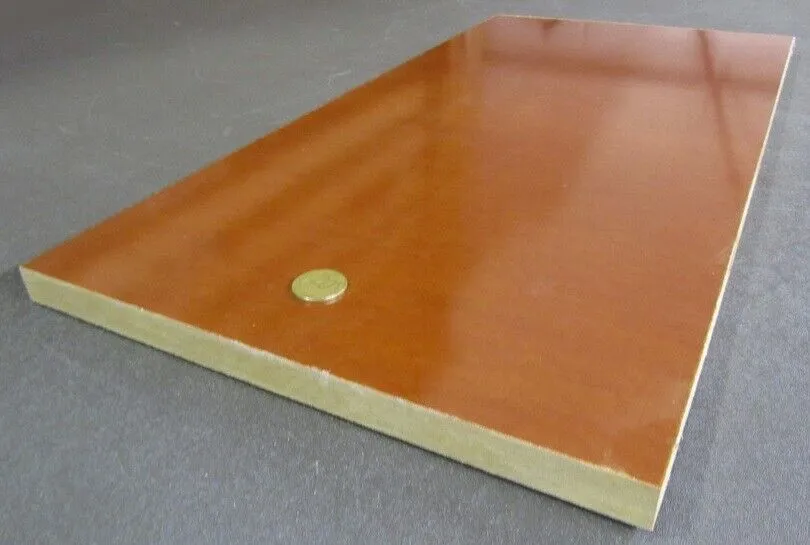
Understanding NEMA Grade Insulation Laminates and Their Industrial Relevance
What Defines High-Performance Electrical Insulation Materials?
NEMA grading systems set consistent standards for thermoset plastic laminates that are used in the production of electronics and electrical goods. These specs cover important performance factors like dielectric strength, temperature longevity, resistance to moisture, and mechanical integrity. Materials that are labelled with these standards have to go through strict testing procedures to make sure they can work in certain situations and are safe for the environment.
The name includes a number of different combination designs, each of which was designed to meet specific application needs. Canvas-based phenolic laminates, such as NEMA CE sheet, are better at resisting impacts and being machined for mechanical parts, while glass-reinforced epoxy composites have better electrical properties and keep their shape better when heated and cooled many times. By knowing these differences between materials, procurement teams can match the properties of the substrate to the needs of the application. This keeps costs low and prevents over-specification or early component failure.
Core Applications Across Industrial Sectors
These insulation laminates are used by companies that make electrical equipment for terminal boards, arc barriers, and busbar supports in control cabinets and distribution panels. The materials need to be able to handle high energy changes without losing their shape, and they also need to be able to withstand dynamic stress. Applications in the power sector need flame-retardant grades that stop arcs from spreading and work reliably over decades of service intervals.
Machinery builders use phenolic cotton laminates such as NEMA CE sheet in place of metal parts that would carry electricity too well or be too heavy in gearing systems, bearing guards, and structural spacers. Automotive uses FR4-grade laminates more and more for battery pack insulation and thermal control barriers, taking advantage of their high strength-to-weight ratio and ability to be processed in a variety of ways. Home appliance makers like the material because it can handle repeated changes in temperature in motor assemblies and heating elements and still meet strict rules about flammability.
Compliance Standards and Material Certifications
When working with foreign supply chains, procurement workers need to make sure that materials have the right third-party certifications. UL certification shows that laminate formulations meet the standards for electrical performance and flammability set by standard testing procedures. ROHS compliance makes sure that there are no restricted dangerous chemicals, which is in line with environmental rules in all foreign markets.
Quality systems for manufacturing are also very important for the reliability of materials, and for NEMA CE sheet, suppliers with ISO certification demonstrate consistent process controls that prevent batch-to-batch variation in thickness, resin content, and surface finish—all of which directly affect downstream machining, assembly, and final product performance in high-volume production runs. Suppliers who keep their ISO certification show that they have consistent process controls that stop batch-to-batch differences. This is very important for production runs that need thousands of similar parts. Tolerances for thickness, uniformity of resin content, and consistency of surface finish all have a direct effect on how well downstream processing works and how well the final product works.
Precision Fabrication Through Computer-Controlled Machining
Limitations of Traditional Cutting Methods
Traditional ways of cutting by hand have trouble keeping the tight tolerances on dimensions needed for modern electrical systems. Changes in how the operator works, how the tools are worn, and where the materials are placed cause mistakes that add up and get worse over time as more batches are made. When nested designs aren't optimised by hand, there is a lot more material waste. This is especially true for high-value composites where the cost of the raw materials is a big part of the production cost.
When you use thermal cutting methods like plasma or flame cutting, you create heat-affected zones that make insulation laminates, such as a NEMA CE sheet, less electrically sound. Localised resin degradation and stress concentrations inside the material make it less reliable over time, especially in situations where temperatures change quickly or stay high for a long time. These problems mean that we need more advanced ways to make things that can be used over and over again with the same level of accuracy and without damaging the materials.
CNC Machining Advantages for Laminated Composites
Computer numerical control systems take CAD models and turn them into exact tool paths that stay accurate to the micron level even during long production runs. Multi-axis machining centers can do complex curves, pocket milling, and through-hole drilling tasks over and over again without the errors that come with doing them by hand. Cutting tool wear is taken into account automatically by automated tool compensation, which keeps thousands of parts in line with specifications without any help from a person.
Optimised stacking methods that reduce the amount of waste produced greatly increase the amount of material that is used. When compared to human layout methods, software automatically arranges component shapes to get the most output from standard sheet sizes. This uses 15–30% less raw material. This increase in efficiency has a direct effect on the project's costs and helps meet environmental goals by lowering trash production.
Automation systems that check important dimensions during production make it possible for quality assurance methods to work with CNC routines without any problems. Statistical process control finds changes in trends before parts go beyond their tolerance bands. This lets adjustments be made ahead of time that keep output consistent. Documentation systems record dimensional information for every part that is made automatically. This makes it possible to track parts and meet regulatory requirements and customer quality management systems.
Specialized Tooling and Process Parameters
For cutting laminated materials with glass support, you need carbide or diamond-coated tools that can handle the rough wear that comes from machining. To keep layers from coming apart or heat from building up and breaking down plastic systems, the tool shape, spindle speeds, and feed rates need to be carefully optimised. Fabricators with a lot of experience come up with sets of parameters that are specific to each application and strike a balance between production efficiency, surface finish needs, and measurement accuracy.
When working with glass-reinforced materials, dust extraction tools are an important part of the process equipment, and for NEMA CE sheet, effective particulate capture is essential not only for operator health and equipment protection but also to prevent contamination of finished surfaces, while selective use of coolant systems must be carefully managed because hygroscopic resin systems can absorb moisture and affect subsequent processing steps or long-term electrical performance. Particulate capture that works well protects both the health of the operator and the equipment being used, as well as the finished surfaces from getting dirty. It is possible to use coolant systems selectively, but you should be aware that hygroscopic resin systems may absorb water, which could affect the next steps in the process or the long-term performance of the electrical system.
Material Selection Considerations for Diverse Industrial Requirements
Canvas Phenolic Grades for Mechanical Applications
Phenolic cotton laminates work great in situations where they need to be resistant to impact and easy to machine. Because of the organic fibre reinforcement, these types are tough and won't break easily when they're loaded suddenly. This makes them perfect for gear blanks, cam followers, and wear plates in mechanical systems. Noise damping properties lower sound transfer compared to metal alternatives, which is useful in home tools and office equipment.
Glass-Epoxy Composites for Electrical Performance
FR4-grade laminates are the standard for printed circuit board substrates and electrical insulation parts that need to have great dielectric properties. The braided glass fabric support keeps the shape stable during thermal processing, which is important for making sure that precisely drilled mounting holes and conductor patterns stay in place. Low moisture absorption keeps the insulation's electrical properties while stopping changes in size in damp places.
UL94 V-0 grades are given to flame retardant mixtures, which make sure that materials put out fires quickly when ignition sources are taken away. This important safety feature of NEMA CE sheet materials stops electrical equipment fires from spreading, meeting regulations in areas like consumer electronics, industrial controls, and transportation. High-temperature versions work with lead-free soldering methods that expose substrates to higher temperatures during assembly.
Matching Material Properties to Application Demands
When selecting insulation laminates for complicated assemblies, engineering teams have to weigh different performance needs. For example, materials with better electrical properties might need to be less resistant to impact, while materials with better mechanical properties might need bigger cross-sections that make space-constrained designs harder to work with. When parts need to get rid of heat or act as thermal barriers between temperature-sensitive parts, thermal management factors affect the choice of material.
Material suppliers should be involved in the design process early on so that procurement strategies can use their technical knowledge to find the best substrate grades and processing methods, and for NEMA CE sheet, this collaboration enables prototype testing to validate mechanical and electrical properties under real-world conditions before tooling and large production runs are committed, reducing development risk and ensuring that final specifications align with both performance goals and manufacturability. Iterations of prototypes test how well materials work in real-world situations, revealing any problems that might arise before investing in tools and large production runs. This way of working together lowers the risk of development and makes sure that the end specs match both performance goals and the ability to make them.
Strategic Sourcing and Supplier Evaluation Criteria
Identifying Qualified Industrial Material Suppliers
A successful buying process starts with a careful evaluation of the supplier's professional skills, quality systems, and the dependability of the supply chain. Manufacturers who keep separate facilities for making laminates show that they are committed to consistent process control and material traceability. Key qualities, such as dielectric strength, flexural strength, and moisture absorption, can be checked in-house testing labs to make sure they meet published standards.
Flexibility in lead times and production capacity affects how projects are scheduled and how inventory is managed. Fast handling from suppliers for pressing needs is a good way to protect against unplanned production delays, and established stocking programs for common materials cut down on the time it takes to get regular orders. The location of manufacturing facilities can affect logistics costs and the dependability of deliveries. This is especially true for high-volume programs that need to be restocked often.
Custom Fabrication Services and Technical Support
Value-added production skills make suppliers more useful than just providing raw materials. Material specialists offer CNC machining services that combine knowledge of substrates, such as NEMA CE sheet, with fabrication experience. These services often produce better results than general machine shops that don't know how to process laminates. Integrated services make supply lines more efficient by combining the buying of materials and the making of parts through partnerships with a single source.
Technical support tools help engineering teams choose the right materials, make the best designs, and fix problems with performance. Application experts with a lot of experience can give advice on what standards can be met, what machining allowances are right, and what design changes might make it easier to make. This consultative approach works especially well when making a new product, because the choices you make about the materials have a big effect on how well the product does in the long run.
Logistics Infrastructure and Service Reliability
When you buy something internationally, you need strong logistics that can guarantee reliable delivery over long distances. Suppliers with long-term shipping partnerships handle customs paperwork, combining goods and the last mile of delivery with little help from customers. Protections for the security of the package keep materials from getting damaged during shipping, which is very important for keeping thickness standards and surface finish requirements.
When material shipments don't meet specifications, warranty and return policies protect buying budgets and production plans by giving people a way to get their money back, and for NEMA CE sheet, it is important to work with a supplier that offers responsive customer service, clear communication channels, and a track record of consistent performance to support ongoing improvement and collaborative problem-solving over the long term. Customer service teams that are responsive answer questions quickly and keep communication clear so that technical, business, and logistics planning can happen. Long-term ties with suppliers based on consistent performance lead to partnerships that help with efforts for ongoing growth and working together to solve problems.
Emerging Technologies Reshaping Industrial Fabrication
Automation Integration and Smart Manufacturing Systems
Industry 4.0 ideas change how things are made by using machines with sensors that constantly check process parameters and product quality. Real-time data analytics find ways to improve efficiency, predict when maintenance is needed, and allow dynamic process adjustments that keep output consistent even when input conditions change. Automated material handling systems cut down on the number of times workers have to touch things by hand. This makes the workplace safer and speeds up production.
Digital twin technology makes virtual copies of real-world manufacturing processes. This lets simulations be used to improve processes and predict quality. Before making changes to production equipment, engineers test changes to parameters and designs in software environments. This cuts down on the number of tests that need to be done and speeds up the development process. This digital infrastructure makes it easy to respond quickly to changing customer needs and new program problems.
Sustainable Manufacturing Practices and Material Innovation
Environmental responsibility has a bigger impact on the creation of new materials and the design of processes in all kinds of industries. Flame protection systems without halogens work around government rules while still providing the fire safety needed for electricity uses. Bio-based resin formulations make less use of gasoline, which makes them appealing to makers who want to be more environmentally friendly and meet their business responsibility obligations.
Evolving Standards and Compliance Landscapes
Certification requirements are always changing to keep up with new technologies and safety concerns. New rules for testing flammability take into account ignition situations that are common in modern gadgets with higher power densities and smaller packing. As we learn more about the effects of chemicals on health and the environment, the lists of chemicals that aren't allowed to be used have grown. This means that materials need to be reformulated to stay on the market in all international areas.
Suppliers who are proactive keep an eye on changes to regulations and invest in compliance infrastructure before they become mandatory. This gives customers peace of mind during changeover times. This method looks ahead to avoid supply problems and expensive last-minute material changes that could hurt product performance or cause launches to be delayed. Strategic partnerships with providers that focus on compliance lower regulatory risk and help with long-term product planning.
Conclusion
CNC technology makes it possible to precisely cut high-performance insulation materials, which meets the needs of current industrial production settings for accuracy, repeatability, and efficiency. For NEMA CE sheet, this precision cutting capability is essential because the material's uniform dielectric strength, mechanical stability, and dimensional tolerances must be maintained across high-volume production runs to ensure reliable electrical insulation in switchgear and motor applications. Knowing the qualities of materials, the licensing standards, and the manufacturing skills helps you make smart purchasing choices that balance the need for performance with the cost of the project. As manufacturing technologies improve through the use of automation and environmentally friendly methods, strategic partnerships with suppliers become more important for staying ahead of the competition. Engineering teams and procurement professionals who take the time to carefully evaluate materials and suppliers set their companies up for long-term success, even as regulations and industry landscapes change.
FAQ
What distinguishes different grades of electrical insulation laminates?
Material grades are mostly different in the type of reinforcement fibres and the chemistry of the resins. For mechanical parts, canvas-based phenolic composites are better at withstanding impacts and can be easily machined. On the other hand, glass-reinforced epoxy laminates are better at withstanding electrical properties and maintaining their shape for PCB substrates and high-voltage insulation. Flammable mixtures have ingredients that meet certain levels of flammability that are needed by safety rules. To choose the right grades, you have to make sure that the qualities of the material match the working conditions, electrical needs, mechanical loads, and weather exposures of the application.
How does CNC processing affect material properties and dimensional accuracy?
Tolerances are kept within micrometres with computer-controlled cutting by using precise tool paths and watching the process automatically. By choosing the right parameters, you can stop heat buildup and mechanical stress that could damage the material's structure. Specialised tools made for rough composite materials keep the quality of the edge longer while extending their useful life. CNC systems offer consistent repeatability across production levels, which is important for setups that need exact component fit and electrical clearances compared to manual methods that introduce positioning mistakes over time.
What certifications should procurement teams verify when sourcing materials?
UL certification means that materials have been tested independently and found to meet standard electrical and flammability performance limits. ROHS compliance proves that there are no restricted dangerous substances, which is needed to get into international markets. ISO quality system approval shows that rules in the manufacturing process are uniform and don't allow batch differences. Before committing to large purchases, make sure that the claimed performance characteristics are true by asking for material test reports and certification documentation.
Partner with J&Q for Precision-Cut Insulation Solutions
J&Q has more than 20 years of experience in specialised manufacturing and full CNC fabrication skills. They provide precisely cut insulation materials that meet strict industry standards. Our expert team can help you choose the right material, make the best design, and find special processing solutions that fit the needs of your specific application. As a well-known NEMA CE sheet provider with a fully integrated logistics infrastructure, we offer streamlined sourcing to support both small-scale prototype development and large-scale production projects. Get in touch with our technical support team at info@jhd-material.com to talk about your project requirements and find out how our one-stop service approach makes your supply chain easier while ensuring regular quality and on-time delivery.
References
1. National Electrical Manufacturers Association. (2021). NEMA LI 1-2021: Industrial Laminated Thermosetting Products. Rosslyn, VA: NEMA Publications.
2. Harper, C.A. (2018). Handbook of Plastics Technologies: The Complete Guide to Properties and Performance. New York: McGraw-Hill Education.
3. Groover, M.P. (2020). Fundamentals of Modern Manufacturing: Materials, Processes, and Systems (7th ed.). Hoboken, NJ: John Wiley & Sons.
4. Society of Manufacturing Engineers. (2019). CNC Machining Handbook: Building, Programming, and Implementation. Dearborn, MI: SME Publications.
5. Underwriters Laboratories. (2020). UL 94: Standard for Safety of Flammability of Plastic Materials for Parts in Devices and Appliances. Northbrook, IL: UL Standards.
6. Coombs, C.F. (2018). Printed Circuits Handbook (8th ed.). New York: McGraw-Hill Professional.

Get a complete product list and quotation

J&Q New Composite Materials Company



