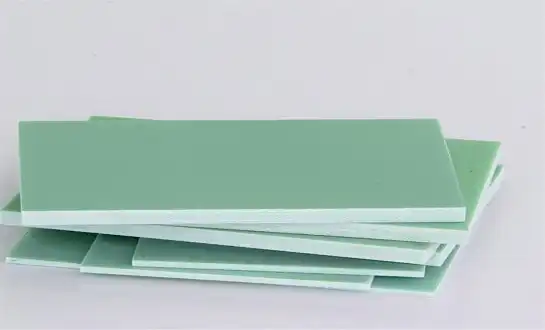
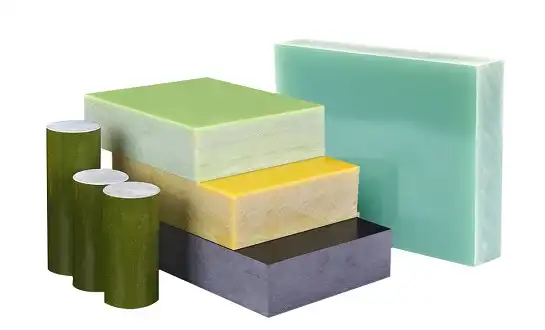
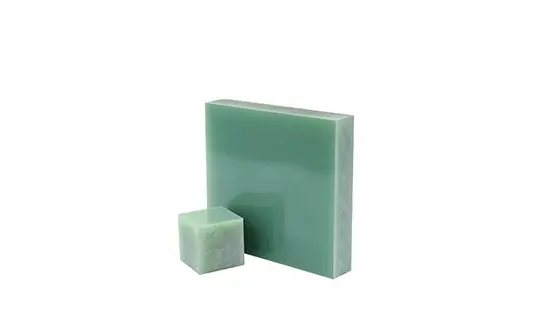
NEMA CE Sheet Industrial Processing: Strength and Dielectric Performance
NEMA CE sheet represents a specialized category of thermoset composite laminates engineered specifically to meet rigorous mechanical strength and dielectric insulation demands in industrial electrical applications. This high-performance material combines woven fabric substrates—typically glass cloth—with phenolic or epoxy resin systems, processed under controlled heat and pressure to deliver consistent structural integrity and electrical isolation. Within industrial environments where electrical safety and mechanical durability are non-negotiable, these sheets serve as essential components for switchgear barriers, busbar supports, and high-voltage enclosures, providing reliable protection against electrical breakdown while withstanding mechanical stress.
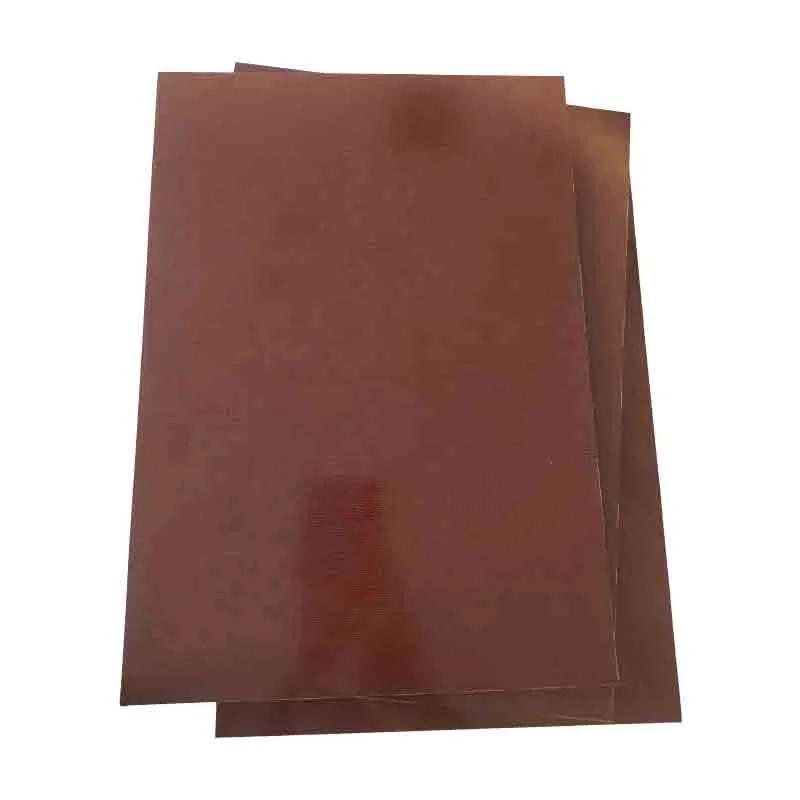
Understanding NEMA CE Sheets and Relevant Standards
Defining NEMA CE Certification Requirements
There are strict rules for electrical shielding materials used in harsh industrial settings that are set by the National Electrical Manufacturers Association (NEMA). The NEMA Grade CE designation is only for phenolic cotton fabric laminates that are meant to be used in electrical applications. The "E" at the end of the designation means that the electrical properties have been improved. These materials are put through strict quality checks that check their dielectric strength, mechanical bending properties, and their ability to keep their shape when heated and cooled many times. Engineering managers and buying teams know that NEMA CE certification is a basic promise that materials will work reliably in places where temperature and humidity can change a lot, like manufacturing and power distribution facilities.
Distinguishing NEMA from Other Certification Frameworks
While CE Marking covers general product safety rules in European markets and UL focuses on fire safety and preventing hazards, NEMA standards are more focused on the make-up of materials and how well they work for electrical protection purposes. While IEC standards are used as international standards, NEMA specifications give more specific grade levels that purchasing professionals use to match the properties of a material with its exact needs. Knowing these differences helps technical buyers choose materials that meet both regulatory requirements and useful performance standards. This lowers the chance of parts failing early or safety events happening.
Compliance Impact on Operational Reliability
Certified NEMA CE materials are tested in groups to see how well they punch, how well they absorb water, and how well the layers of the material stick together. These strict confirmation steps make sure that materials don't delaminate when they are heated up and that their dimensions stay stable during CNC cutting. When designing transformer barriers and arc chutes, where a material failure could cause catastrophic equipment damage or put people in danger, power sector engineers value this predictability even more. It is important for industries that follow ISO 9001 or aerospace quality protocols to have documentation that can be tracked and supports quality management systems and audit requirements. The certification framework does this.
Industrial Processing of NEMA CE Sheets: Enhancing Strength and Dielectric Properties
Material Selection and Resin Impregnation Techniques
Picking the right base is the first step in making high-quality electrical grade laminates. When it comes to mechanical punching qualities, cotton fabric weaves used in NEMA CE grades are better than paper surfaces. This makes them perfect for parts that need bolt holes and precise cutouts. The phenolic resin method is designed to evenly enter fabric layers during impregnation. This completely encases the fibres, stopping moisture from getting in and keeping the dielectric properties stable. To get the exact resin-to-fabric balance required by NEMA LI-1 standards, industrial producers control the viscosity of the resin, the ratios of the catalysts, and the impregnation pressure.
The curing stages are the most important part in producing NEMA CE sheet because they're where chemical cross-linking turns the thermosetting glue into a stiff, stable composite. Multi-stage temperature curves used for NEMA CE sheet manufacturing let manufacturers control the polymerisation process while allowing the release of volatiles that could weaken the bond or leave holes. During curing, press forces squeeze the laminate layers of NEMA CE sheet materials together, getting rid of any air spaces and making sure that the thickness is the same across big sheets. This careful processing has a direct effect on the material's ability to handle mechanical loads in gear uses and keep its electrical separation when it is under a lot of voltage stress. High-quality NEMA CE sheet insulation laminates produced through controlled curing processes provide reliable dielectric performance, dimensional stability, and long-term durability for electrical equipment, industrial machinery, and power distribution applications.
Testing Protocols and Quality Validation
Manufacturers put their products through a lot of tests to make sure they meet NEMA standards. In dielectric breakdown testing, the voltage is raised perpendicular to the laminate layers until the insulation fails. Usually, the voltage is much higher than the specified thresholds to ensure safety. The flexural strength of a material tells you how well it can resist bending forces. This is very important for structural gaps in industrial machinery. Testing for water absorption in controlled temperature and humidity levels shows how well the resin matrix protects the fabric substrate from damage from the environment.
These confirmation steps go beyond the first runs of production. Consistency is ensured by quality control samples taken at regular intervals during production runs. This is especially important for car and appliance makers who need to keep material properties stable across large orders. Rather than depending only on what suppliers say, buying teams can be sure that the materials they receive really do meet the required standards by using third-party certification labs to do their own checks.
Performance in Demanding Applications
Manufacturers of electrical equipment have reported big changes in reliability when they switch from materials that aren't approved to properly graded NEMA laminates. During high-voltage testing, switchgear assemblies with certified insulation barriers have fewer arc tracking events. This is because the material has a controlled surface finish and a uniform dielectric strength. Manufacturers of transformers say that coil insulation systems made with approved materials last longer between servicing because the better thermal stability keeps them from wearing out too quickly at high temperatures.
When making gears and mechanical spacers, industrial machinery builders like certified laminates because they can be machined in a predictable way. The even density and lack of voids make clean cutting possible without delamination or chipping. This cuts down on waste and makes sure that the measurements are correct. This consistency directly leads to lower production costs and higher assembly yields. This is especially important for tier-1 automotive suppliers who have to deal with tight tolerances and high throughput needs.
Comparative Analysis: NEMA CE Certified vs Non-Certified Products
Performance Disparities Under Laboratory Conditions
When tested next to each other, approved and generic phenolic laminates such as NEMA CE sheet show big differences. When measuring dielectric breakdown voltage, it is seen that certified NEMA CE sheet materials regularly get values within narrow tolerance bands, providing stable electrical insulation performance for demanding applications. On the other hand, non-certified options show a lot of variation between samples from the same production lot. This lack of regularity is very dangerous in high-voltage situations, where shielding failure can cause damage to equipment or safety problems. Mechanical strength testing of NEMA CE sheet insulation components also shows that certified materials keep their properties over a wide range of temperatures. On the other hand, uncertified products often lose their strength too quickly when they are exposed to high temperatures like those found in motor housings or power distribution environments. Using reliable NEMA CE sheet solutions with consistent quality control, dielectric stability, and mechanical durability helps manufacturers improve equipment safety, extend service life, and reduce operational risks in electrical and industrial applications.
Accelerated ageing studies, which simulate years of outdoor exposure through controlled temperature and humidity cycles, reveal another important difference. Certified NEMA materials keep their shape and structure, and they meet the flatness and bolt hole position requirements needed for proper assembly. Materials that aren't certified often have problems with surface degradation, warping, and delamination between layers that make them less mechanically fit together and conduct electricity poorly. These results from the lab directly predict how reliable something will be in the field. This means that certification status should be a basic requirement for buying things in situations where failure is expensive.
Long-Term Cost Implications and Risk Assessment
Often, procurement teams are under a lot of pressure to keep material costs as low as possible. However, focused only on the buy price ignores the total ownership economics. When insulation materials aren't up to par, equipment breaks down, which can lead to unplanned downtime, emergency repair costs, and even guarantee claims. In a factory, one broken switchgear can stop production lines worth thousands of dollars per hour, which is much more than any savings that could be made by buying cheaper materials.
Certified materials cost more because they have extra controls during processing, strict testing procedures, and proof of traceability that back up their specifications. This extra cost is usually a small part of the total value of the tools, but it reduces danger in a big way. Insurance companies also like approved materials because proof of meeting recognised standards lowers the risk of damage and may change the premiums for places that handle high-voltage equipment.
Supplier Evaluation Criteria for Procurement Success
Comparing specification sheets is only part of effective buying. You also need to check the real skills of the suppliers. By asking for certification paperwork like batch test reports and third-party validation certificates, you can be sure that the materials really do get the grades they say they do. Site audits of manufacturing sites show if providers have the right quality management systems in place. These systems should include properly calibrated testing equipment, written process controls, and systems that connect produced goods to specific production batches.
How quickly a supplier responds to technical questions shows a lot about their knowledge and customer service skills. Companies that know a lot about the material can help with application-specific advice, like suggesting the best grades for certain mechanical or environmental conditions. This technical relationship is especially helpful when making custom solutions that need specific sizes or combinations of materials. This happens a lot in aerospace and car uses that need to work well in specific ways.
How to Procure NEMA CE Certified Sheets and Components Effectively
Identifying Qualified Manufacturers and Distributors
The global supply network for industrial laminates includes both specialised manufacturers with decades of experience in material science and distributors of electrical parts. Well-known companies that make a wide range of products can help with technical issues and make sure that quality standards are always met. This is because they have improved the conditions for processing over a long period of time. Regional wholesalers are useful because they keep stock close to home, which cuts down on lead times for making prototypes and replacing items in a situation.
When looking at possible providers, checking their certifications and quality system paperwork is a good way to build a relationship that you can trust, especially when sourcing materials such as NEMA CE sheet. Companies that have ISO 9001 certification show that they are dedicated to consistent processes and ongoing growth while maintaining reliable production standards for NEMA CE sheet materials. Companies that make things for the military or medical device industries usually follow even stricter quality standards, which helps ensure that NEMA CE sheet products meet demanding requirements for electrical insulation and mechanical performance. Having a history of working with major original equipment manufacturers (OEMs) in the electrical equipment or industrial machinery industries is a good sign that suppliers can meet strict requirements for NEMA CE sheet insulation components. Choosing a qualified manufacturer with strong quality control systems, technical expertise, and experience in producing NEMA CE sheet solutions helps ensure stable supply, consistent material performance, and long-term reliability for industrial applications.
Critical Specifications for Purchase Orders
To avoid confusion, the purchase paperwork must clearly state the material grade using NEMA terms. In addition to the grade name, technical requirements should include thickness tolerances, which are usually kept within narrow bands to make sure that parts fit correctly in assemblies with many of them stacked on top of each other. When using electrical potting compounds or glue bonding, the surface finish specs are important because the way the surface is prepared affects the strength of the bond.
Dimensional requirements warrant particular attention for large sheets that are going to be used for CNC cutting because of the way they are sized. Tolerances for flatness keep parts from warping while they are being cut, and edge squareness makes sure that parts are lined up correctly when making complex shapes. Specifications for moisture content keep things from growing or changing shape while they are being stored or processed. This is especially important for places that don't have climate-controlled warehouses.
Advantages of Strategic Sourcing Approaches
Volume purchasing agreements save money and make sure that materials are always available for production to keep going. Companies that make appliances with steady production volumes can negotiate better prices and get materials on time, so their lines don't have to stop when they run out of materials. Blanket purchase orders with planned releases let procurement teams lock in good prices while still having the freedom to change their supplies as needed.
Some suppliers offer custom cutting and machining services that cut down on the number of steps needed to process materials internally. This is especially helpful for businesses that don't have the right tools to work with rough composite materials. Pre-cut blanks to almost-net dimensions cut down on wasteful material use and machining time, which makes the whole manufacturing process more efficient. When you compare the full cost of internal processing, which includes tool wear, labour, and getting rid of waste, to the price of these value-added services, they become cost-effective.
Maintaining NEMA CE Certification and Ensuring Long-Term Performance
Storage and Handling Best Practices
When materials are stored correctly, their electrical and mechanical qualities are maintained until they are used in production. Compared to hygroscopic thermoplastics, phenolic and epoxy laminates don't absorb as much water. However, long-term exposure to high-humidity settings can change the surface properties and machining quality. Keeping moderate relative humidity levels in climate-controlled storage stops problems related to moisture and stops condensation from forming when temperatures change.
Physical handling methods stop mechanical damage that could weaken the structure of the material. Supporting big NEMA CE sheets across their whole surface area while they're being moved keeps stress from building up in one place, which could cause them to separate. Edge protection during storage stops chipping, which causes stress stems that weaken the structure. These seemingly small handling details have a big effect on yield rates during precision cutting operations where broken material has to be thrown away.
Troubleshooting Common Performance Challenges
Delamination that happens sometimes during machining is usually caused by either too much moisture in the material or bad cutting settings. Controlled oven pre-drying gets rid of absorbed moisture, and changing feed rates and using sharp carbide tools reduces mechanical stress during cutting. Surface discolouration seen during high-temperature assembly processes could mean that the wrong thermal grade was chosen. This can be fixed by selecting materials that can handle higher temperatures for soldering or other thermal exposure tasks.
Dimensional instability in finished components, manifesting as warping or size changes after machining, often results from residual stresses that were locked into the laminate during manufacturing. These problems can be fixed by applying stress-relieving heat treatments to machined parts before they are put together for good. When you call on supplier technical support to help you figure out these kinds of problems, you can use their process knowledge to quickly find the root causes and make the necessary changes.
Continuous Improvement Through Training and Updates
Materials science is always changing. For example, new plastic formulas and processing methods are always making things work better. Technical workshops and source training programs help engineering teams stay up to date on changes in the industry, which helps them choose the best materials for new product designs. Companies that understand new trends, like halogen-free flame retardant systems or bio-based resin alternatives, will be better able to meet changing government rules and environmental goals.
Supplier audits are done on a regular basis to make sure that quality standards are being met and to look over any changes to the process that might affect the properties of the material. These interactions improve ties in the supply chain and make sure that the materials bought continue to meet the needs of the application. As part of these audits, documentation is looked over to make sure that the certification is still valid and that testing procedures are still meeting or beating the standards that were set.
Conclusion
For industrial electrical applications, you need materials that offer constant dielectric protection and mechanical durability in harsh working conditions. Certified industrial laminates such as NEMA CE sheet provide engineering managers and procurement workers with the consistent performance they need to make sure that equipment works well and is safe to use. High-quality NEMA CE sheet materials are designed to deliver reliable electrical insulation, excellent mechanical strength, and stable performance in demanding environments. Knowing about the science behind the materials, the methods used to make them, and the certification systems that support them helps you make smart choices about where to get them, weighing the original costs against the long-term value and risk reduction. Strategic partnerships with qualified suppliers that offer NEMA CE sheet solutions, technical know-how, complete quality systems, and quick customer service make the supply chain more stable. This helps manufacturers in the automotive, electrical equipment, industrial machinery, power distribution, and appliance sectors stay competitive by using dependable NEMA CE sheet insulation materials that meet strict industry requirements. With proper material selection and professional quality control, NEMA CE sheet products can support long-term equipment reliability, safety, and operational efficiency.
FAQ
What distinguishes NEMA CE from similar electrical insulation materials?
NEMA Grade CE refers to phenolic resin laminates made with cotton fabric as the reinforcement base. These are made for electrical uses where both dielectric qualities and mechanical punching power are important. The cotton weave is more resistant to impact than paper-based phenolic grades. This makes CE materials perfect for parts that need bolt holes and mechanical fixing. Other types, like FR4, use glass cloth reinforcement to give better temperature ratings and dimensional stability, but they cost more.
How does dielectric strength in certified materials compare to standard offerings?
Certified laminates that meet NEMA standards are put through a lot of tests to make sure that the dielectric breakdown voltage is higher than the minimum levels by consistent margins. This testing makes sure that materials work reliably under high-voltage stress, without breaking down due to tracking or punctures that could put electrical safety at risk. Standard or uncertified materials don't go through this testing, so it's hard to know how well they will insulate under real-world conditions. This is especially a problem in power distribution and switching uses, where failure to insulate can have very bad results.
What lead times should procurement teams expect when ordering these materials?
Standard grade sheets in common widths usually ship within a few weeks from reputable sources who keep stock for commonly asked-for shapes and sizes. Lead times can be longer if you need custom thicknesses or special resin formulations that need dedicated production runs. Depending on manufacturing plans and order sizes, lead times could reach several months. Plan for material needs well before production needs them, and build relationships with suppliers by being clear about when deliveries are expected. This will keep your plan from getting thrown off.
Partner with J&Q for Certified Industrial Laminate Solutions
J&Q has been making high-quality electrical insulation materials for more than 20 years. They have a lot of production experience and a lot of experience exporting to serve markets around the world. Our technical team helps engineering managers and procurement specialists choose the best material grades for each job, whether it's for manufacturing high-volume appliances, working with harsh switchgear, or making precise mechanical parts. As a well-known company that makes NEMA CE sheets and has strict quality control systems in place, as well as the ability to fully integrate the supply chain, including logistics, we offer one-stop solutions from material specifications to delivered parts.
Our dedication goes beyond just giving products; we also want to be a real partner in your operational success. Technical consulting services help you choose the best materials so that you don't have to sacrifice performance for cost, and flexible manufacturing options can handle both large production orders and small prototypes. Get in touch with us at info@jhd-material.com to talk about your unique needs and find out how our certified industrial laminates can make your electrical equipment and industrial gear more reliable and safe.
References
1. National Electrical Manufacturers Association. (2018). NEMA Standards Publication LI 1-2018: Industrial Laminating Thermosetting Products. Rosslyn: NEMA.
2. Pascault, J.P., & Williams, R.J.J. (2010). Epoxy Polymers: New Materials and Innovations. Weinheim: Wiley-VCH Verlag GmbH.
3. Tanaka, T., Bulinski, A., Castellon, J., Frechette, M., Gubanski, S., Kindersberger, J., Montanari, G.C., Nagao, M., Morshuis, P., Tanaka, Y., Pélissou, S., Vaughan, A., Ohki, Y., & Reed, C.W. (2011). Dielectric properties of XLPE/SiO2 nanocomposites based on CIGRE WG D1.24 cooperative test results. IEEE Transactions on Dielectrics and Electrical Insulation, 18(5), 1484-1517.
4. Harper, C.A. (2006). Handbook of Building Materials for Fire Protection. New York: McGraw-Hill Professional.
5. Krause, J.D., & Garton, A. (2016). Thermoset composite materials in electrical engineering applications. Composites Science and Technology, 124, 15-29.
6. Slade, P.G. (2017). Electrical Contacts: Principles and Applications (2nd ed.). Boca Raton: CRC Press.

Get a complete product list and quotation
J&Q New Composite Materials Company