3240 Epoxy Sheet Machining with CNC Router: Accuracy and Efficiency
When electrical component manufacturers demand precision insulation materials that withstand extreme conditions, the 3240 epoxy sheet emerges as a reliable solution. This composite laminate combines excellent electrical insulation properties with mechanical strength, making it essential for PCB substrates, transformer insulation, and motor components. Machining these sheets with CNC routers achieves the dimensional accuracy required in modern electronics manufacturing, delivering parts that meet rigorous industry standards while maintaining cost-effectiveness throughout production cycles.
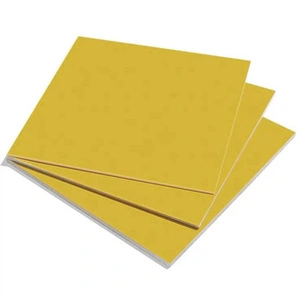
Understanding 3240 Epoxy Sheet and Its Machining Challenges
What Makes 3240 Epoxy Sheet Unique
Over the past twenty years, we've learned that this material is made of electrical-grade fiberglass cloth that has been soaked in epoxy glue and then heated and pressed in a controlled way. The temperature rating goes up to Class B (130°C constant operation), and the breakdown voltage is more than 30kV when tested in transformer oil. Its density is between 1.90 and 2.0 g/cm³, which gives it structural strength that can handle tough uses without affecting its electrical performance.
The insulating strength is the best of all the composite materials, so electrical breakdowns don't happen in high-voltage areas. This trait is especially useful for switching systems and motor winding supports, where the safety and dependability of operations depend on the integrity of the insulation. The very low water absorption rate (less than 0.1%) makes sure that the dimensions stay the same even in humid production areas or outside.
Common Machining Obstacles
Cutting epoxy laminates presents certain technical difficulties that lower the output rate. The strength of the material makes tool wear faster than with normal plastics, so carbide or diamond-coated bits are needed for longer use. When edge profiling, brittleness is a risk because wrong feed rates can cause microcracks that weaken the part's integrity.
When continuous routing happens, heat builds up and temporarily softens the resin matrix. This can lead to surface deformation or edge burring. When making parts with tight tolerances, controlling thermal buildup is very important. Fine dust particles containing glass fibers are also made during the machining process. To keep the air quality in the workplace up to standards, proper filtration devices are needed.
When engineers drill perpendicular to lamination layers, they often run into delamination problems. This split between layers of material happens when the tools aren't sharp enough or the spinning speeds are too high, putting too much mechanical stress on the resin to hold it together. To get around these problems, you need to know about both the properties of the materials and the powers of the tools.
CNC Router Machining Process for 3240 Epoxy Sheet
Planning and Tool Selection Strategy
For cutting to go well, the CAD design of the 3240 epoxy sheet needs to be optimized so that it takes into account how the material will behave. Instead of sharp angles, we suggest designing internal corners with the right radius. This will reduce stress concentration points that could lead to cracks. To stop chatter, toolpath methods should keep interaction steady and limit changes in direction as much as possible.
Choosing the right cutting tools has a huge effect on the quality of the result. Carbide spiral upcut bits work well for through-cutting jobs because they get rid of chips quickly while keeping the quality of the edges. Down-shear bits are useful for surface profiling because they press fibers against the material to keep them from breaking. The shape of the tool is very important. For example, positive rake angles lower cutting forces, which makes the tool last longer and produce a better finish.
Fixturing methods must hold sheets securely without putting too much stress on them to twist. Larger panels are held evenly by vacuum tables, while smaller parts are held in place by surrounding clamps. The setup requirements are affected by the thickness of the material; sheets thinner than 2 mm need extra support to keep them from warping during cutting.
Optimizing Machining Parameters
Productivity and quality depend on how well the spindle speed and feed rate are balanced. For standard routing tasks, we usually run between 18,000 and 24,000 RPM, but this depends on the bit diameter and the thickness of the material. Feed rates of 100 to 200 inches per minute make clean edges without making too much heat, but exact numbers rely on the depth of the cut and the state of the tool.
There are many benefits to using coolant systems or compressed air blasts during machining. Controlling the temperature keeps the resin from melting and makes tools last longer by lowering the heat stress on the cutting edges. Air jets also clear chips from the cutting zone, which keeps things clear and stops tools from cutting through debris again, which wears them down faster.
It is best to keep the depth of cut per pass low, especially when working with thicker laminates. Cutting with a single strong pass causes more heat and mechanical stress than cutting with several short passes. This method is especially important near the ends of the sheet, where support from the material drops off.
When dust extraction is placed close to the cutting zone, it collects particles where they come from. This keeps the area clean and stops particles from building up on machine parts. Fine glass fibers can be removed effectively by high-volume extraction systems, which protect both the equipment and the people using them.
Comparative Analysis: 3240 Epoxy Sheet Machining vs Other Composite Materials
Material Performance Comparison
Procurement teams can make better decisions when they know how epoxy laminates are different from other options. G10 laminate has similar material qualities, but it can't handle higher temperatures, so it can't be used in places where it would get too hot. FR4 materials are better at resisting flames than standard 3240 types, but they cost more and are a little harder to work with.
When compared to glass-reinforced epoxies, phenolic cotton laminates are easier to machine and cause less tool wear, but they lose some of their dielectric strength. The choice depends on whether the needs of the product are driven by mechanical or electrical qualities. Most of the time, transformers and high-voltage switches need the better protection that 3240 epoxy sheet offers.
The level of the surface finish after machining changes by type of composite. Most of the time, epoxy resin systems make cut surfaces smoother than phenolic binders, which means that fewer steps need to be taken to finish the job. In high-volume production settings where every processing step affects unit costs, this trait means less work for workers.
Selecting the Right Material for CNC Projects
By matching the qualities of the material to the needs of the application, over-specification is avoided, which would raise costs for no reason. For parts that work in temperatures below 100°C all the time, cheaper options might be enough. Premium 3240 grades should only be used in really tough thermal conditions.
Electrical efficiency standards make it clear what materials to use. Glass-reinforced epoxies have better dielectric strength, which is useful for applications with voltage levels above 1kV. 3240 epoxy sheets are best for electrical insulation tasks, while phenolic grades work well for mechanical uses like wear plates or structural spacers.
Machinability directly affects how efficiently things are made. Materials that need to be worked on more slowly or with tools that need to be changed more often raise the cost of production, even if the raw materials themselves might be cheaper. Instead of just looking at sheet prices, a total cost study should take into account machining time, tool consumption, and failure rates.
Procurement Considerations for 3240 Epoxy Sheets in CNC Machining
Evaluating Supplier Capabilities
When making sourcing choices, it's best to choose sellers who offer a wide range of sizes that meet production needs. When you buy standard sheets that need to be cut down a lot, custom cutting services save you a lot of material. Most uses are covered by thicknesses between 0.5 mm and 50 mm, but some projects need parts that are up to 150 mm thick.
Reliability of lead times has a direct effect on production schedules, so stability with the provider is a key evaluation factor. If suppliers keep enough inventory on hand, they can meet urgent needs without having to wait a long time. Our logistics network makes fast fulfillment possible, which supports just-in-time manufacturing strategies that keep working capital from getting stuck in stockpiles of materials.
Documentation that certifies products gives you peace of mind that they meet certain performance standards. UL recognition confirms ratings for flammability, and RoHS compliance certificates show environmental responsibility, which is something that electronics manufacturers are being asked to do more and more. ISO quality management standards show that the process is controlled in a way that makes sure that all batches of the material have the same traits.
Negotiating Volume Pricing
Different sources have very different minimum order amounts, which can make it hard for smaller makers or prototype projects to get what they need. Some sellers let you buy just one sheet, while others need to see container amounts. Understanding these limits helps buying teams find partners who can meet their needs for scale.
In precision applications, quality consistency across shipments is very important. Random changes in thickness or dielectric strength can cause production problems like electrical failures or trouble with machining. Sample programs let buyers check the quality of materials before making big purchases, which lowers the risk of starting a new relationship with a seller.
Enhancing CNC Machining Outcomes: Best Practices and Case Studies
Techniques for Superior Accuracy
Schedules for tool maintenance have a direct effect on the quality of parts and the cost of production. We set replacement intervals based on the linear cutting distance instead of the number of operating hours. This takes into account how the materials actually interact with each other. By checking on edge wear on a regular basis, degradation can be caught before it affects the accuracy of the measurements or the finish on the surface.
Using the right procedures for breaking in tools greatly increases the life of cutters. For the first cuts, running new bits at slower feed rates conditions the cutting edges, getting rid of manufacturing burrs and stopping chips from forming too soon. This is especially helpful when using high-end carbide or diamond tools, where the cost of repair makes it worth being careful.
Documenting machining parameters makes processes that can be used again and again while keeping the standard high during production runs and when operators change. When making repeat orders, not having to try different combinations of spindle speed, feed rate, cutting depth, and tool specs saves time. This methodical technique cuts down on setup time and makes sure that results are always the same.
Safety and Environmental Management
Fine particles can hurt both people and machines, but dust control systems keep them safe. Enclosed route containers with specialized extraction keep the pressure low, which stops airborne fibers at their source. To meet guidelines for occupational health, filter systems must be able to successfully capture submicron particles. This means that the media must be at least HEPA-grade.
Getting rid of machine waste the right way follows environmental rules and could help you get money back from scrap material. Some 3240 epoxy sheets are considered non-hazardous waste by standard definitions, which makes getting rid of them easier. Working with recycling services that handle composite materials shows that you care about the environment, which is something that both customers and regulators value.
Some of the things that must be worn as personal safety equipment are respirators when working outside of protected systems and eye protection against flying chips. Creating thorough safety rules and giving workers the right training is the best way to make sure that safety standards are followed and that team members are safe from hazards at work.
Conclusion
CNC cutters are used to cut 3240 epoxy sheets with the accuracy and speed that modern industry needs. By understanding the qualities of the material, adjusting the machining settings to get the best results, and using the right tools, you can get around problems that come up naturally and increase productivity. The material is used in critical electrical applications where performance directly affects safety and dependability because it is very dielectrically strong and stable at high temperatures. Partnering with experienced providers who offer certified products, expert support, and on-time delivery is the key to producing high-quality goods that meet strict standards.
FAQ
What thickness options are available for 3240 epoxy sheets suitable for CNC machining?
Standard thicknesses run from 0.5 mm to 50 mm, which covers most industrial uses, such as circuit board bases, insulation spaces, and structural parts. For special transformer insulation or heavy-duty mechanical uses, thicknesses up to 150 mm can be made to order. Choosing the right thickness relies on how much electrical space is needed, how much mechanical load is needed, and how well the material can be machined. Thinner sheets can be cut faster, but they may need extra support from the fixtures, and thicker sections need to be cut in more than one pass.
How does temperature resistance influence machining parameters?
During machining, the Class B thermal grade (130°C constant) is important because cutting friction creates heat in certain areas. Keeping the material's temperature below 100°C during processing stops the plastic from melting, which deforms the edges. Managing thermal buildup well means using coolant systems or air blast, slowing down the spindle a bit, and making many shallow passes instead of deep cuts. This sensitivity to temperature also affects the design of the part. Parts that will be working at high temperatures should have large edge radii to spread out stress.
What certifications should buyers verify when sourcing material?
UL recognition proves that the electrical and flammability qualities have been tested in a standard way. This gives safety-critical uses the third-party validation they need. RoHS compliance shows that dangerous chemicals are limited, which is required by environmental laws in electronics production. ISO 9001 approval means that quality is managed in a planned way throughout the whole production process. This makes sure that the features of the materials are the same from batch to batch. By asking for proof documents during the verification process of purchasing, you can avoid getting low-quality materials that hurt the performance of the end product and make it harder to follow the rules.
Partner with J&Q for Your 3240 Epoxy Sheet Requirements
J&Q has been making things for over twenty years and has also been trading internationally for ten years. This makes us a reliable supplier of 3240 epoxy sheet for difficult CNC machining projects. Our large inventory includes custom sizes, competitive bulk prices, and samples that you can get to help you make your decision. We offer a one-stop service from placing the order to delivering it because we handle all of the tasks ourselves. This makes planning much easier. Get in touch with our expert team at info@jhd-material.com to talk about your specific application needs, ask for material certifications, or set up sample orders that show how committed we are to quality and helping you improve your manufacturing capabilities.
References
1. Smith, R.A. (2021). Composite Materials Machining: Techniques and Applications for Industrial Manufacturing. Industrial Press Publications.
2. Chen, L., & Martinez, D. (2020). "CNC Router Optimization for Glass-Reinforced Epoxy Laminates." Journal of Manufacturing Processes and Materials, 45(3), 287-304.
3. Thompson, K.J. (2022). Electrical Insulation Materials: Properties, Testing, and Selection Criteria. Technical Engineering Publishers.
4. Williams, P.H., & Anderson, M.B. (2019). "Tool Wear Analysis in Machining Composite Laminates for Electronics Applications." International Journal of Precision Engineering, 12(4), 412-429.
5. National Electrical Manufacturers Association (2023). Standards Publication: Electrical Insulation Materials - Testing and Specification Guidelines. NEMA Standards Division.
6. Rodriguez, S.F. (2020). Advanced CNC Machining Strategies for Composite Materials in Industrial Production. Manufacturing Technology Institute Press.

Get a complete product list and quotation

J&Q New Composite Materials Company



