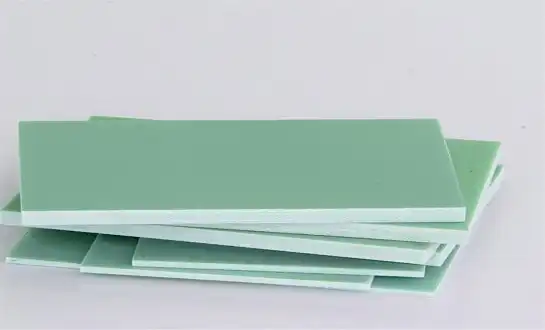
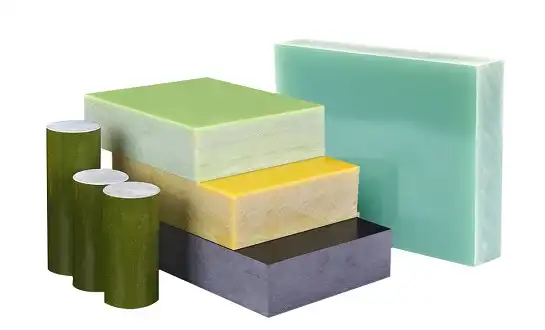
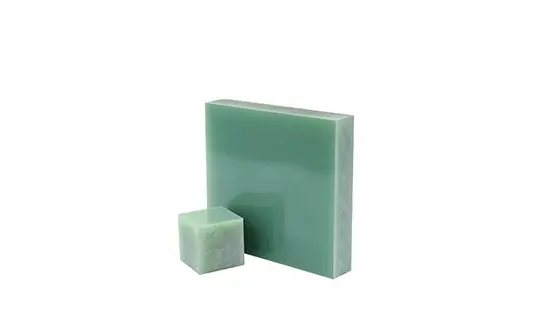
G10 Epoxy Sheet Cutting Tools: Carbide vs Diamond Performance
When you're processing fiberglass-epoxy laminates, choosing the right cutting tool dramatically impacts both production quality and operational costs. G10 epoxy sheet machining demands specialized tooling because of its abrasive glass fiber content and rigid resin matrix. Carbide and diamond tools each deliver distinct advantages: carbide provides excellent initial cost-efficiency and toughness, while diamond tooling offers unmatched longevity and precision. Understanding which performs best for your specific application can reduce downtime, improve dimensional accuracy, and ultimately lower your total cost per part in electrical, aerospace, and industrial manufacturing environments.
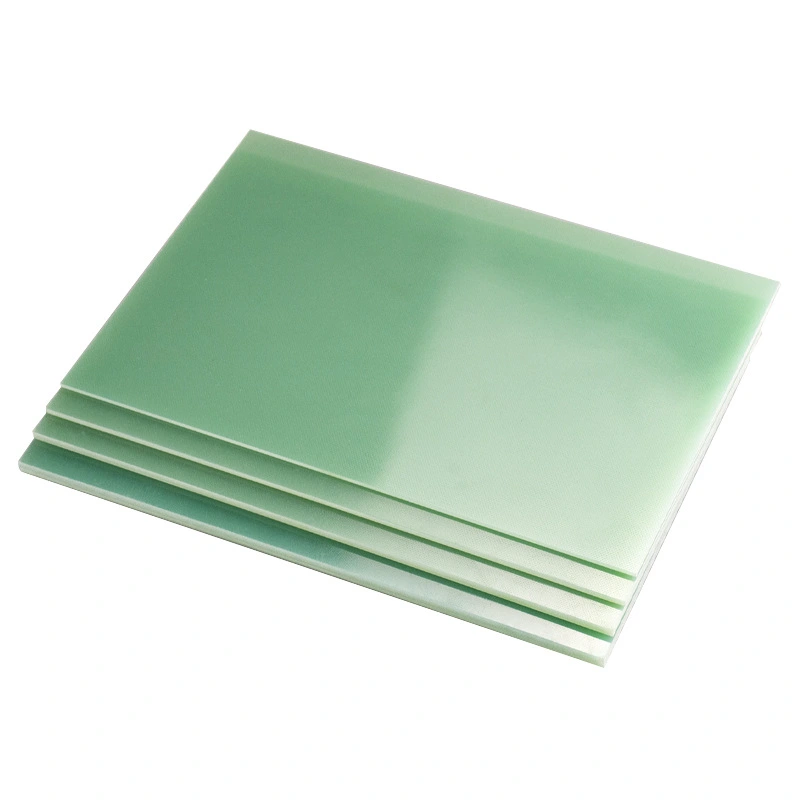
Introduction
Our complete guide is for procurement workers, engineers, wholesalers, and OEM clients who need to find tools for working with glass epoxy laminates. Choosing the right cutting tools is important for getting the best machining results and the lowest costs in a wide range of industry settings. As these high-performance composite materials become more common—known for being good at both electrical protection and mechanical strength—choosing between carbide and diamond cutting tools has become very important.
Since we've been making and selling insulation materials for more than 20 years, we have a unique understanding of the problems buyers have with cutting. This article gives an in-depth look at these different types of tools, talking about things like material properties, machining problems, cost issues, and supplier insights. As a manager of switchgear production, PCB fabrication, or precise motor component manufacturing, you can expect useful information that helps you make smart buying choices.
Understanding G10 Epoxy Sheet and Its Machining Challenges
What Makes Glass Epoxy Laminates Unique
Core Machining Obstacles
The unique structure of the material makes it hard to machine in certain ways, which affects the choice of tool. Fibreglass reinforcement makes things very rough, which speeds up the wear on regular tools. When the plastic matrix is cut, it creates a lot of heat, which could cause thermal damage and delamination if cooling methods don't work. Surface integrity standards are still very strict for all types of parts, from electrical enclosures and PCB substrates to aircraft and naval parts. This is because the quality of the cutting directly affects how long the part lasts and how well it works.
When choosing cutting tools that will effectively manage wear, maintain precision, and protect surface integrity throughout production runs, it is important to understand these physical and operational properties. For the glass finish, you need tools with carbide or diamond tips, since steel bits get dull very quickly. Proper dust collection systems are also very important because fibreglass particles can hurt your lungs and break normal machines.
Industrial Application Requirements
Machined parts have to meet different needs in different industries. To make sure that circuit boards are put together correctly, PCB makers need to keep standards tight and edges clean. G10 epoxy sheet components used in electrical insulation applications require precise machining to maintain dimensional accuracy and surface quality. Companies that distribute electricity need spark shields that have a constant dielectric strength and don't crack below the surface. Suppliers to the auto industry want insulation pads and battery barriers to be stable from batch to batch. Which cutting tool technology offers the best mix of performance and cost depends on the application.
Carbide vs Diamond Cutting Tools: Core Differences and Performance
Material Composition and Cutting Mechanisms
The basic make-up of carbide and diamond cutting tools is very different, which has a direct effect on how well they work with glass epoxy composites. Tungsten carbide pieces are joined in a cobalt matrix to make carbide tools very tough and resistant to thermal shock. They keep their sharp cutting edges during the first few production cycles, but the rough fiber-reinforced plastic matrix makes them wear out faster over time.
Polycrystalline diamond (PCD) tools have synthetic diamond particles embedded in their cutting surfaces. These tools are harder than carbide tools, which are rated at 1,500 to 1,800 on the Knoop scale, with a hardness of 8,000 to 10,000. This difference in hardness means that tools last a lot longer—often 20 to 50 times longer in ongoing production. Diamond tools have very smooth surfaces and are very accurate, and their measurements stay the same after thousands of cuts. However, diamond tools usually require a bigger initial investment and cost three to ten times more than carbide tools of the same type.
Tool Longevity and Replacement Economics
Calculating the tool's useful life has a big effect on its total cost of ownership. In high-volume settings that handle hundreds of G10 epoxy sheet panels every day, carbide tools may need to be replaced every couple of days, but diamond tools can keep working for weeks or months. This makes the tools last longer, which cuts down on production stops and the labour costs that come with changing tools. To find the technology with the lowest long-term costs, procurement teams have to figure out the break-even points for each output number, sheet thickness, and cutting complexity.
Cutting Precision and Surface Finish Quality
Diamond tools always make edges that are smoother and have less burring and fibre bloom, which are important when parts that have been machined need to be bonded or coated again. When they are sharp, carbide tools have a good surface quality, but as the cutting edges wear down, the quality gets worse over time. Even though they cost more at first, diamond tools are usually worth the money for applications that need to be precise, like making electrical terminal boards, precision spacers, or calibrated test fixtures.
Maintenance Demands and Operational Efficiency
Different types of tools have very different maintenance needs. Carbide tools need to be sharpened or replaced often, which makes managing supplies and planning production schedules difficult. Diamond tools don't need as much work, but they need to be handled carefully so they don't chip from impact damage. Both types of tools work best when they are properly cooled, have dust extraction systems, and are stored in controlled environments. These things help the tools last longer and keep cutting well throughout their operational lifecycle.
Factors Influencing Tool Choice for Specific Applications
Production Volume and Precision Requirements
Economic Considerations and ROI Calculations
Procurement teams have to look at more than just the initial purchase price when figuring out how much something costs. These include ongoing operating costs, the number of times tools need to be replaced, the cost of labour for changing tools, and the calculated return on investment over production periods. The higher capital cost of diamond tools is worth it when production rates hit a point where the longer tool life makes up for the initial investment. On the other hand, carbide tools are often more cost-effective for low-volume speciality manufacturing or prototype development, even though they need to be serviced less often.
Environmental and Safety Protocol Alignment
Following safety rules at work, properly getting rid of waste, and following rules for being environmentally responsible are all important parts of choosing the right tools. Companies that already have ISO 14001 environmental management systems or OSHA compliance programs often look at these along with standard performance and cost measures. This helps them match saving success with their goals for corporate responsibility.
Best Practices and Techniques for Cutting Glass Epoxy Laminates
Optimized Cutting Parameters for Different Tool Types
For machining to work well, the cutting factors must be matched up with the tool's powers. Carbide tools work best when the spindle speed is modest, between 15,000 and 20,000 RPM, and the feed rate is limited, between 80 and 120 inches per minute, based on the width of the sheet. Diamond tools can work at speeds of up to 25,000 to 30,000 RPM as long as the feed rates are kept at a level that balances output with temperature control.
Different types of tools use different cooling methods. Systems that use compressed air or mist coolants to get rid of heat and clear chips from cutting areas are good for carbide cutting. When dust extraction systems are used to keep the cutting area clean, diamond tools usually work well when cutting without liquid coolant. However, liquid coolant can extend the life of diamond tools in very demanding situations.
Maintenance Routines for Extended Service Life
Proper storage in climate-controlled areas keeps wooden tool holders from absorbing water and keeps cutting edges from touching each other by accident. Organisational tool management systems keep track of usage hours and production numbers to figure out when to change tools in the best way, so they don't break down during production runs.
Real-World Performance Improvements
Manufacturers of electrical enclosures have said that moving from standard carbide tooling to premium diamond tooling on automatic cutting systems increased their output by more than 30%. One aircraft component seller reported better surface finish that got rid of the need for extra deburring steps, which cut processing time by 15 minutes per part. By making sure that the cutting parameters were perfect for the diamond tool, a company that makes automotive insulation pads was able to improve batch consistency. This led to a drop in the number of quality inspection rejections from 3.2% to 0.7%.
Procurement and Supplier Insights for Cutting Tool Solutions
Evaluating Supplier Credentials and Market Reputation
To find reliable cutting tools, you need to carefully look at the credentials of the supplier, the certifications of the products, and the reputation of the market. Leading providers in the US and around the world offer high-quality carbide and diamond tools in a range of sizes and with advanced finishes that are specifically designed for use with abrasive composites. Look for providers that are ISO 9001 certified, have clear quality control procedures, and are ready to give you performance data that is specific to glass epoxy machining.
Service Capabilities and Technical Support
Options for ordering G10 epoxy sheet in bulk, flexible lead times, and helpful customer service all have a big effect on how efficiently procurement works. Reliable suppliers provide detailed technical information, performance guarantees, and support after the sale, which builds trusting partnerships that are necessary for high-volume manufacturing to continue without interruption. Technical consulting services help match material specifications to specific production needs. This could help find ways to save money by choosing the right grades, thicknesses, or processing solutions.
Strategic Purchasing Considerations
Having ties with providers who understand how you run your business provides long-term value that goes beyond single transactions. Operational freedom is gained from suppliers who keep common sizes in stock for quick shipping and offer custom manufacturing for unique needs. People who are ready to do cutting trials on-site or give free tools for testing show that they care about their customers' success rather than just making a sale.
When handling just-in-time inventory systems or planning foreign packages, procurement teams should also look at how well their providers can handle transportation. Clear information about lead times, shipping choices, and order tracking improves the accuracy of planning and lowers the risk of production interruption.
Conclusion
FAQ
How do I extend carbide tool life when cutting glass epoxy composites?
Keep the cutting speeds between 15,000 and 20,000 RPM and the feed rates steady. Use good cooling systems to control the heat and dust extraction to keep the cutting edges from getting chipped. By inspecting things regularly, wear can be found early on, before the quality starts to decline. When stored correctly, moisture is kept out, which breaks the bond between carbides.
Are diamond tools always superior to carbide for precision applications?
Diamond tools always give better surface finishes and more accurate measurements, which makes them perfect for parts with tight tolerances. On the other hand, carbide tools work well for many tasks where moderate precision is required. The choice is based on specific tolerances, production volumes, and economic calculations that weigh the cost of tools against quality requirements and how often they need to be replaced.
Where can I access technical datasheets and tool certifications?
Reputable sellers give thorough information about their products, such as information about the materials they use, how well they work, and any certificates that are needed. Get in touch with the expert support teams of suppliers directly to ask for information that is specific to your application needs.
Partner with J&Q for Your G10 Epoxy Sheet Machining Success
J&Q is your reliable source for G10 epoxy sheet because we have over 20 years of experience making things and 10 years of experience trading with other countries. Not only do we source composite materials, but we also offer expert advice on cutting strategies, tool selection, and process optimisation that will help you make the most of your production. We offer a true one-stop service for all of your transportation needs, from coordinating deliveries to making sure the right materials are sent to the right place.
Get in touch with our expert team at info@jhd-material.com to talk about your unique cutting tool needs and how you plan to use G10 epoxy sheet. We can help you decide whether carbide or diamond tooling will work best in your production setting. We can also give you samples of materials to try cutting and put you in touch with qualified tool makers who can meet your needs for volume and accuracy. We're committed to more than just doing business with you; we want to build partnerships that will help your long-term manufacturing success.
References
1. NEMA Standards Publication LI 1-1998: Industrial Laminating Thermosetting Products. National Electrical Manufacturers Association, Rosslyn, Virginia.
2. Davis, J.R. (2004). Handbook of Materials for Product Design, Third Edition. ASM International, Materials Park, Ohio.
3. Teti, R. (2002). Machining of Composite Materials. CIRP Annals - Manufacturing Technology, Volume 51, Issue 2.
4. Komanduri, R. (1997). Machining of Fiber-Reinforced Composites. Machining Science and Technology: An International Journal, Volume 1, Issue 1.
5. Sheikh-Ahmad, J.Y. (2009). Machining of Polymer Composites. Springer Science + Business Media, New York.
6. Hocheng, H. and Tsao, C.C. (2005). The Path Towards Delamination-Free Drilling of Composite Materials. Journal of Materials Processing Technology, Volume 167, Issues 2-3.

Get a complete product list and quotation

J&Q New Composite Materials Company