How to Optimize CNC Machining of 3240 Epoxy Sheet Materials?
Optimizing CNC machining of 3240 epoxy sheet materials requires careful attention to tool selection, speed control, and thermal management. These epoxy-glass laminates demand carbide or diamond-coated tooling, reduced feed rates to prevent delamination, and intermittent cutting with adequate cooling to maintain dimensional stability. Understanding material behavior under mechanical stress and implementing systematic workflows significantly improve part quality while reducing tool wear and production costs for industrial applications.
Introduction
Many industries value 3240 epoxy sheet materials because they are very good at resisting heat, keeping electricity from flowing, and staying stable chemically. Optimising CNC machining of these materials is important for engineers, B2B procurement professionals, and original equipment manufacturers (OEMs) who want to make parts that work better and cost less to make. This guide talks about the special problems that come up when you try to machine epoxy fibreglass laminates and gives you useful tips for making manufacturing processes more accurate, consistent, and efficient.
In many fields, these hybrid materials play important roles. Electrical companies depend on them for motor insulation and switchgear parts. They are used as spark barriers and coil separators by people who make transformers. Automotive engineers use them to insulate battery packs and keep heat out. Stakeholders can improve output and make sure high-quality end products that meet strict industry standards by learning about both the qualities of the material and the best ways to machine it.
Preparation and skill often make the difference between a job that goes well and one that needs expensive repairs. The makeup of a material has a direct effect on how it cuts, how it generates heat, and the quality of the finished surface. When buying teams and manufacturing engineers work together early on in the design process, they set limits that stop common problems like edge chipping, internal cracking, and dimensional drift from happening during production runs.
Understanding 3240 Epoxy Sheet and Its Machining Challenges
Material Composition and Properties
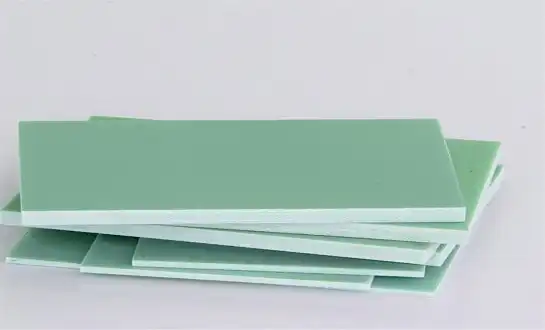
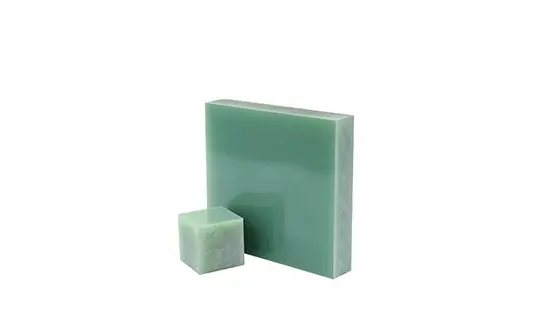
3240 epoxy sheet is a high-performance composite made by mixing epoxy phenolic resin with alkali-free glass fibre cloth and then heating it up while keeping the pressure steady. This laminate structure has a Class B temperature grade, which means it can work continuously at up to 130°C. When tested perpendicular to the laminates, the dielectric strength is usually between 10 and 15 kV/mm. The material meets the requirements of GB/T 1303.1-2009, which guarantees consistent quality for tough electrical uses that can't risk insulation integrity.
Anisotropic mechanical properties are made by the layered construction. Tensile strength that runs parallel to glass fibres is much higher than strength that runs opposite to them. This dependence on direction changes how the material reacts to cutting forces when it is being machined. Resin content, which is usually between 35% and 45% by weight, affects both how easy it is to machine and how well it works mechanically in the end. A higher resin content usually makes the shape more stable, but the rough filler bits may make tools wear out faster.
Primary Machining Difficulties
CNC cutting this material is hard because it is brittle and can separate layers, heat builds up and damages the material, and faster tool wear affects the surface finish. Even though the glass fibre reinforcement makes the material stronger, it also makes the cutting edges very dull very quickly. When heat stress happens on epoxy resin, it softens. This can make the material smear and make edges less clear if the cutting parameters are not managed correctly.
Cutting forces separate laminate layers, especially at entry and exit places during routing or drilling operations. This is called delamination. This flaw hurts both the material stability and the performance of the electrical insulation. When cutting at too high a speed, localised heating above the glass transition temperature can cause microcracks to spread through the resin matrix. For business-to-business clients, understanding these problems is important to avoid errors that cost a lot of money and keep the tight tolerances needed for important mechanical and electrical parts, which ensures the supply chain works well.
Impact on Production Economics
When machining isn't done properly, it leads to more waste, shorter tool life, and more finishing operations, all of which raise production costs. One lot of parts that were not made correctly could fail the voltage breakdown test, which would mean that they had to be completely reworked or replaced. The cost of replacing a tool goes up when the wrong cutting settings cause it to wear out faster than normal. To get the lowest cost per part, manufacturing experts have to find the best mix between cutting speed and tool life.
When flaws on the surface aren't obvious at first glance, quality control is harder to do. Damage below the surface, like matrix cracking or fibre pullout, might not show up until the product is put into use or during the next step of assembly. Setting up strict inspection procedures finds these flaws before they reach customers, protecting both the reputation of the product and long-term business relationships.
Key Factors to Consider When CNC Machining 3240 Epoxy Sheets
Tool Selection and Geometry
To CNC-mill 3240 epoxy sheets successfully, you need to carefully choose the tools you use, make sure the machine settings are just right, and use good design principles. When compared to high-speed steel tools, carbide tools with smooth edges cause less friction and heat. In continuous production settings, diamond-coated tooling increases operating life by up to five times. This makes the higher original investment worth it because it cuts down on downtime for changeovers.
The geometry of the tool has a big effect on how well it cuts. Cutting edges that are sharp and have positive rake angles reduce the cutting forces and material compression. Spiral flute designs are better at getting rid of chips than straight flutes because they stop chips from having to be cut again, which speeds up tool wear. Chip-breakers on end mills make it easier to deal with the long, stringy chips that are common in resin-rich composites. When industrial engineers know about these tool traits, they can choose the right tools for different tasks and thicknesses of material.
Machine Parameter Optimization
During cutting, heat buildup and mechanical stress can be controlled by changing the spindle speed, feed rate, and depth of cut. When turning sheets that are between 3 mm and 10 mm thick, spindle speeds between 12,000 and 18,000 RPM usually give the best results. Cutting forces that could separate laminate layers are lessened when feed rates are lowered to about 50% to 70% of those used for metals.
Especially for drilling operations, the depth of cut should stay low. Multiple short passes remove more chips more quickly and produce less heat than a single deep cut. Using climb milling instead of regular milling lowers fibre pullout and makes the edges on the exit sides better. To get the same results from one production run to the next, these factors need to be changed depending on the sheet width, the orientation of the laminate, and the state of the tool.
Cooling and Lubrication Strategies
Using the right cooling methods lowers the temperature, extends the life of the tool, and keeps the material's qualities. Compressed air is a good way to get rid of chips and cool them down without adding moisture that could change the stability of the dimensions. Using a vacuum to remove chips stops them from having to be cut again and keeps the cutting zone clear so that you can see better while the machine is running.
Minimal quantity lubrication methods send exact amounts of coolant straight to the cutting edge, which controls temperature and provides lubrication benefits. Water-based coolants should not be used because absorbing water can change the way something fits together and weaken its electrical properties. Oil-mist systems work well for large-scale production where investing in more tools to make them last longer is worth it.
Design Considerations for Manufacturability
Making CNC files that can be manufactured by planning out stacking plans and tool paths ahead of time cuts down on material waste and mechanical stress on sheets. To keep stress from building up and causing cracks, corner radii should match or be bigger than the tool diameter. To keep the holes from breaking apart during drilling, the hole spacing must meet minimum edge distance requirements, which are usually at least twice the hole diameter.
To keep electrical insulation and dimensional accuracy, it's helpful to know how sheet thickness affects machining parameters. To keep the inside from getting too hot, thicker laminates need slower feed rates and more aggressive cooling. Thin sheets work better with backing materials that support the workpiece and keep it from bending when cutting. These choices about the design made in the engineering phase keep problems from happening during production that would require pricey changes to the process.
Step-by-Step Optimization Workflow for CNC Machining 3240 Epoxy Sheets
Pre-Machining Material Preparation
A well-organised workflow makes sure that machining is done quickly and accurately throughout the whole production process. Material inspection starts with looking at the surface for flaws like bubbles, areas with a lot of resin, and fibres that aren't lined up right, which could change how the material behaves when it's machined. Thickness tolerance compliance is confirmed by measuring with calibrated tools. Depending on the nominal thickness, this is usually within ±0.1mm to ±0.4mm.
Pre-conditioning deals with the amount of moisture that affects both the ability to be machined and the stability of its shape. Keeping things in climate-controlled spaces stops them from absorbing water, which could change their dimensions during or after machining. For consistent results, let the material get used to the shop temperature for at least 24 hours before cutting it. When you handle things the right way, you stop edge damage that could spread during cutting operations involving 3240 epoxy sheets.
Machine Setup and Calibration
Calibration and trial runs fine-tune machine parameters based on specific batch characteristics. Spindle runout should be verified and corrected to within 0.01mm to prevent uneven tool wear and poor surface finish. Workholding fixtures must provide adequate support without inducing stress that could cause warping. Vacuum tables work well for thin sheets while mechanical clamping suits thicker materials.
Tool path verification through simulation software identifies potential collisions and optimizes cutting sequences to minimize repositioning. Establishing consistent origin points and using appropriate coordinate systems prevents positioning errors that could result in scrap. Running sample parts from each new material batch validates parameters before committing to full production runs.
Real-Time Process Monitoring
Employing real-time monitoring technologies, such as vibration and temperature sensors, dynamically adjusts machining and extends tool lifespan. Vibration analysis detects tool wear progression and provides early warning before catastrophic tool failure occurs. Temperature monitoring prevents thermal damage by triggering cooling system adjustments or feed rate reductions when heat buildup approaches critical thresholds.
Adaptive control systems respond to sensor feedback by modifying spindle speed or feed rate within programmed limits. This capability maintains optimal cutting conditions even as tool sharpness gradually degrades over its operational life. Data logging provides valuable insights for continuous improvement initiatives by revealing patterns that correlate specific parameters with quality outcomes.
Post-Machining Quality Verification
Implementing detailed post-machining treatments including deburring, electrical insulation tests, and dimensional verification satisfies OEM and distributor expectations in demanding industrial markets. Edge finishing removes loose fibers and resin particles that could compromise assembly operations or electrical performance. Tumbling, sanding, or flame polishing techniques provide progressively smoother edge conditions depending on application requirements.
Electrical testing verifies dielectric strength and surface resistivity meet specification requirements. Breakdown voltage testing performed in transformer oil provides definitive validation of insulation capability. Dimensional inspection using coordinate measuring equipment confirms that critical features remain within tolerance after machining stresses are relieved. Documentation of these verification steps provides traceability that quality-conscious customers require.
Comparing 3240 Epoxy Sheet with Similar Materials in CNC Machining
Performance Differentiation
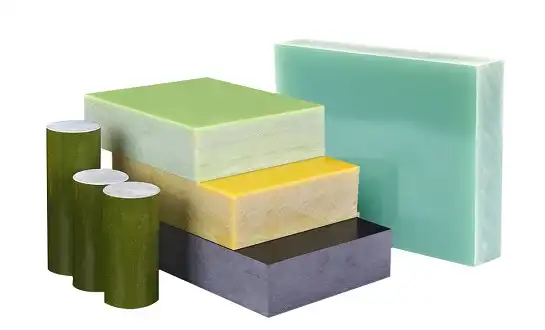
3240 epoxy sheet distinguishes itself from similar substrates like FR4 and G10 through superior chemical resistance and thermal stability under humid conditions. While FR4 offers comparable mechanical strength at lower cost, 3240 maintains dimensional stability across broader temperature ranges, particularly important for power distribution equipment experiencing thermal cycling. G10 phenolic laminates provide excellent mechanical properties but lack the chemical resistance needed for applications involving exposure to oils or solvents.
The epoxy-phenolic resin system in 3240 grade material resists alkaline environments better than pure epoxy systems found in FR4. This characteristic proves valuable in transformer applications where contact with dielectric fluids occurs over extended service lives. Moisture absorption rates remain lower than phenolic-only systems, preserving electrical properties in humid operating environments common in industrial settings.
Machining Behavior Comparison
Machinability presents unique trade-offs among these laminate families. FR4 machines slightly more easily due to softer resin systems but produces more fiber pullout on exit edges. G10 phenolic material generates less tool wear than epoxy grades but tends toward greater brittleness that increases chipping risk. The 3240 formulation balances these characteristics, offering reasonable machinability while delivering superior performance in demanding electrical applications.
Tool life varies significantly across these materials. Diamond-coated tools maintain sharpness approximately 30% longer when machining 3240 compared to standard FR4 due to differences in filler particle hardness. Surface finish quality achievable with properly optimized parameters remains comparable across all three materials, though edge quality on thin sections favors the tougher epoxy-phenolic composition.
Application-Specific Selection Criteria
When selecting materials, procurement teams must weigh cost-performance balances considering machining complexity, lead times, and long-term reliability. Applications requiring high-voltage insulation or chemical exposure resistance benefit from 3240 specifications despite moderately higher material costs. FR4 remains preferred for cost-sensitive electronics applications where environmental exposure remains controlled. For applications in mechanical load-bearing roles with minimal electrical requirements, G10 phenolic often provides the optimal balance.
Understanding total cost of ownership rather than focusing solely on material price reveals the true economic picture. Reduced failure rates and longer service life in demanding applications often justify premium material selection. Machining cost differences typically remain modest when proper parameters are established, making material performance characteristics the primary selection driver for critical applications.
Procurement Considerations for 3240 Epoxy Sheets in CNC Machining Projects
Supplier Qualification and Certification
Sourcing quality 3240 epoxy sheets is critical to ensuring consistent machining results and downstream product reliability. Procurement professionals should prioritize suppliers with relevant certifications, including UL recognition and ROHS compliance documentation. Quality management system certifications such as ISO 9001 indicate systematic approaches to process control that translate into batch-to-batch consistency.
Technical data sheets should provide comprehensive property information including dielectric strength, flexural strength, moisture absorption rates, and thermal expansion coefficients. Suppliers capable of providing material certifications traceable to specific production lots enable effective root cause analysis if quality issues arise. Manufacturing capability assessments reveal whether suppliers possess adequate equipment and technical expertise to maintain tight tolerances across various thickness ranges.
Sample Testing and Validation
Understanding cost structures, minimum order quantities, and delivery timelines helps optimize budgets and project schedules. Ordering sample sheets for pilot testing is strongly recommended to validate compatibility with specific CNC setups and technical requirements. Trial machining using production tooling and parameters reveals actual cutting behavior before committing to large purchases.
Testing should include dimensional stability measurements after machining to detect any tendency toward warping or internal stress relief. Electrical property verification confirms that machining processes do not degrade insulation performance through subsurface damage. Mechanical testing of machined features such as holes and slots validates that material meets strength requirements in finished part geometry.
Strategic Supplier Relationships
Collaboration with suppliers during early stages can provide valuable support, minimizing risks during scale-up production. Technical resources at established suppliers offer guidance on optimal machining parameters based on extensive application experience. Custom thickness manufacturing may be available to reduce material waste and machining time for specific applications.
Long-term supply agreements provide pricing stability and prioritized allocation during periods of high market demand. Suppliers with integrated logistics capabilities streamline delivery coordination and reduce lead time variability. Building relationships with multiple qualified sources maintains supply chain resilience while encouraging competitive pricing through periodic market benchmarking.
Conclusion
Optimizing CNC machining of 3240 epoxy sheet materials requires integrated understanding of material science, manufacturing processes, and quality control principles. Proper tool selection, parameter optimization, and systematic workflows transform challenging composite machining into a reliable, repeatable process. The techniques outlined in this guide enable manufacturers to achieve superior part quality while controlling production costs and maintaining delivery schedules. By implementing these best practices and partnering with qualified material suppliers, engineering teams can confidently specify epoxy glass laminates for demanding electrical insulation applications, knowing that machining capabilities will support design requirements throughout the product lifecycle.
FAQ
What cutting tools work best for machining epoxy laminates?
Carbide end mills with polished flutes and positive rake angles provide optimal performance for most operations. Diamond-coated tooling significantly extends tool life in high-volume production environments, reducing changeover frequency and maintaining consistent surface finish. Tool geometry should feature sharp cutting edges and efficient chip evacuation designs to minimize heat generation and prevent material smearing on the 3240 epoxy sheet.
How does 3240 material compare to FR4 for electrical applications?
The epoxy-phenolic resin system offers superior chemical resistance and better dimensional stability under humid conditions compared to standard FR4. While both materials provide excellent dielectric strength, 3240 maintains electrical properties more consistently across temperature variations, making it preferred for transformer insulation and power distribution equipment where thermal cycling occurs regularly during operation.
Can suppliers provide custom thicknesses for specific projects?
Manufacturers with comprehensive production capabilities typically offer custom thickness manufacturing within their equipment limitations. Custom sizing saves material waste and machining time for uses needing non-standard measurements. Procurement teams should discuss specific requirements during supplier qualification to confirm manufacturing feasibility and establish realistic lead times for custom specifications.
Partner with J&Q for Superior 3240 Epoxy Sheet Manufacturing Solutions
J&Q brings over 20 years of proven expertise in producing premium insulation materials, including precision-grade 3240 epoxy sheet designed specifically for demanding CNC machining applications. Our integrated production method combines strict quality control with flexible customization capabilities, ensuring every sheet meets exacting dimensional tolerances and electrical performance specs. Engineering teams worldwide trust our materials for important switchgear, transformer, and motor component uses where reliability cannot be compromised.
Working with a specialised 3240 epoxy sheet provider offers significant benefits beyond material quality alone. Our technical support team helps with parameter optimization, helping you create machining processes that maximize tool life and reduce scrap rates. With over a decade of international trade experience and our own logistics network, we deliver one-stop service from initial sampling through full-scale production support. Contact our team at info@jhd-material.com to request material samples, talk your unique CNC machining needs, and discover how our extensive skills can streamline your supply chain while lowering total cost of ownership.
References
1. Chen, W., & Liu, X. (2021). Advanced Composite Materials for Electrical Insulation: Processing and Applications. Industrial Materials Press.
2. Morrison, T. R. (2020). "CNC Machining Optimization for Glass-Reinforced Thermoset Laminates." Journal of Manufacturing Processes, 58(3), 412-428.
3. International Electrotechnical Commission. (2019). IEC 60893-3-4: Specifications for Industrial Rigid Laminated Sheets Based on Thermosetting Resins for Electrical Purposes.
4. Kumar, S., & Anderson, P. (2022). "Tool Wear Mechanisms in Machining of Fiber-Reinforced Polymer Composites: A Comprehensive Review." Composites Manufacturing Technology, 15(2), 89-107.
5. Zhang, H., Wang, Q., & Thompson, D. (2020). Precision Machining of Engineering Composites: Techniques and Quality Control. Manufacturing Engineering Publications.
6. National Electrical Manufacturers Association. (2021). NEMA LI 1-2021: Industrial Laminated Thermosetting Products - Standards and Test Methods.

Get a complete product list and quotation

J&Q New Composite Materials Company