Advanced Manufacturing Processes for Phenolic Cotton Sheet Insulation Parts
Manufacturing high-performance phenolic cotton sheet insulation parts demands sophisticated processes that balance material science with precision engineering. Phenolic cotton sheet represents a critical composite material combining woven cotton fabric layers with phenolic resin through high-temperature curing under controlled pressure. Modern manufacturing workflows have evolved significantly from traditional methods, incorporating automated impregnation systems, precision temperature controls, and quality-driven finishing techniques. These advancements deliver consistent mechanical properties, superior dielectric strength, and dimensional stability that engineering managers and procurement teams depend upon when specifying components for electrical insulation, switchgear assemblies, and structural applications across demanding industrial environments.
Understanding Phenolic Cotton Laminate Manufacturing
Core Material Composition and Structure
Choosing the right raw materials is the first step in making good Phenolic Cotton Sheets. Manufacturers carefully choose bleached cotton cloth support based on how dense the weave is, how well it holds its shape, and how well it works with phenolic resin systems in terms of temperature. The final properties, such as heat deflection temperature, chemical resistance, and electrical performance, depend on the resin mixture itself, which is made from phenol and formaldehyde.
Working with companies that make electrical equipment for 20 years has taught us that consistency in the materials starts here. If finished insulation parts meet UL94 flammability ratings or keep their dielectric strength above 14 kV/mm, the quality of the resin changes from batch to batch.
Traditional Versus Advanced Production Methods
In traditional production, layers of cotton that had been saturated with glue were stacked by hand and then pressed. Monitoring temperature and pressure was often done mechanically, which led to differences in how the resin content was spread out and how evenly it cured. This led to thickness limits greater than ±0.5mm and sometimes problems with delamination when the temperature was changed.
Modern factories use constant automatic impregnation lines that run cotton cloth through precise resin baths that have controlled solids content and viscosity. Computer-controlled pressing systems make sure that the pressure is the same across big sheets, and adjustable temperature profiles make sure that the polymerisation process is complete without any degradation of the resin. These changes have brought the difference in thickness down to ±0.1mm and raised the bending strength by about 20% compared to the old way of doing things.
Precision Processing Steps for Industrial-Grade Components
Resin Impregnation and Pre-Curing
How deeply the phenolic resin goes into the cotton fibres is controlled by the impregnation stage. Modern resin tanks keep the density exactly where it should be by controlling the temperature, which is usually between 35°C and 45°C. This lets the fibres wet out properly without too much resin collecting. When mechanical engineers look for materials for high-load applications, they should know that the right impregnation stops weak bonding between Phenolic Cotton Sheet layers, which is a common way for mechanically stressed parts like gears and wear strips to break.
Controlled pre-curing gets rid of volatile compounds and moves the polymerisation of the resin to the B stage. In this partly fixed state, the sheets can be stacked on top of each other without sticking, which gets them ready for the final curing process. Advanced tracking systems help suppliers make sure that the B-stage qualities stay the same across production runs by keeping an eye on the resin's flow characteristics and gel time. This has a direct effect on the mechanical reliability that OEM sourcing managers need.
High-Pressure Consolidation and Thermal Curing
Hydraulic presses that can keep the pressure between 1,000 and 1,500 PSI and heating plates that get hotter than 150°C are used for consolidation. The pressure squeezes the layers together and forces out any stored air or extra resin. This makes Phenolic Cotton Sheets that are thick and have few empty spaces. Temperature rises following carefully planned profiles—heating too quickly causes internal stress and bending, while not hot enough breaks down crosslinking, which lowers chemical resistance.
It has been our experience that companies that buy multi-zone hot platens get better uniform results. Electrical engineers who define transformer barriers and arc chutes benefit from this flatness because consistent dimensions have a direct effect on how well power distribution equipment is put together and how reliable the electrical clearance is.
Post-Cure Conditioning and Surface Finishing
After being taken out of the mould, Phenolic Cotton Sheets go through post-cure conditioning. This is where any remaining stresses are relaxed, and the final polymerisation takes place. Controlled cooling stops thermal shocks that could cause microcracks to appear. Some companies use tempering processes to make their products more stable in terms of size when temperatures change. This is especially useful for car battery pack barriers that are subject to thermal cycling during charge and discharge.
Precision grinding is used for surface finishing to meet certain thickness and surface roughness standards. With CNC machining, complicated shapes can be made, such as precisely cut seals, custom terminal boards, and insulated frames with curved edges. Manufacturers of home appliances really like it when providers offer combined machining services because it streamlines supply chains and cuts down on the time it takes to get parts.
Material Selection Criteria for Demanding Applications
Comparing Insulation Laminate Options
When buying things, people often compare Phenolic Cotton Sheets to other options such as FR4 glass epoxy, vulcanised fibre, and polyester composites. FR4 has better electrical qualities and can withstand continuous use at 130°C, but Phenolic Cotton Sheet is cheaper and better at withstanding mechanical shocks and being easy to machine. Because of this, cotton-based laminates are perfect for motor mounting, mechanical spacers, and structural insulation where average electrical performance is enough.
Vulcanised fibre has great dielectric strength, but it easily absorbs water, which limits its uses in damp places. Phenolic Cotton Sheet doesn't absorb much water—usually less than 1% by weight—so it keeps its shape and electrical properties even in a wide range of conditions. Power sector procurement experts who choose coil insulation materials know this benefit when they are looking for parts for outdoor switchgear or installations in tropical climates.
Performance Parameters That Matter
When looking for Phenolic Cotton Sheet providers, technical buying teams look at a number of important criteria. The flexural strength is usually between 120 and 180 MPa, which is high enough for structural uses under mechanical load. Most electrical insulation needs a dielectric breakdown voltage of more than 12 kV/mm. However, some grades can get higher values by improving the way the resin is made.
Thermal efficiency includes being able to handle short-term temperatures up to 140°C and constant temperatures up to 120°C. Electrical enclosures and device parts must meet UL94 V-0 or V-1 flame resistance grades for safety reasons. Chemical safety against transformer oils, weak acids, and alkaline cleaners ensures that the product lasts a long time in dirty industrial settings.
Quality Assurance and Supplier Qualification
Essential Certifications and Testing Protocols
Reliable providers use ISO 9001 quality management systems to keep track of process controls from the time they check new materials until they are tested for quality. Tensile strength (ASTM D638), flexural properties (ASTM D790), and impact resistance (ASTM D256) are some of the mechanical properties that ASTM testing protocols check. Electrical testing according to ASTM D149 confirms the dielectric breakdown voltage, and thermal testing shows the temperature at which heat deflects.
RoHS compliance approval is now a must for suppliers who work with companies that make electrical goods and sell them in other countries. This limits dangerous substances like mercury, lead, and some brominated flame retardants. Long-term buyers who are making transformer insulation requirements should make sure that providers keep their RoHS statements up to date and back them up with material composition testing.
Evaluating Supplier Capabilities
In addition to certificates, checking a supplier's manufacturing skills shows how consistent the production of Phenolic Cotton Sheet could be. Some important signs are the size and number of presses, the level of automation in moving materials, climate-controlled curing areas, and systems that check the quality of the work as it's being done. When tier-1 car supply chain managers need precisely cut insulation pads supplied ready to be put together, suppliers with integrated machining facilities offer clear benefits.
Responding quickly to technical support requests is what sets good suppliers apart from great partners. R&D engineering teams working on new battery pack designs for electric vehicles get help from suppliers who help them choose materials, make prototypes quickly, and build custom grades. Long-term relationships that make critical component buying less risky are built through after-sales help that includes tracking down materials, fixing performance issues, and application engineering advice.
Emerging Manufacturing Innovations
Automation and Process Digitalization
Some of the biggest companies now use industrial IoT sensors all along their production lines. These sensors collect real-time data on things like resin viscosity, curing temperatures, press pressures, and post-cure dimensions. This data is looked at by machine learning algorithms that can predict process drift before it leads to quality problems. This proactive approach to maintenance lowers the number of parts that need to be thrown away and raises the regularity of each batch, directly meeting the needs of home appliance makers for stable mass production of Phenolic Cotton Sheet components.
Automated optical inspection systems can now check finished sheets much faster than a person could for surface flaws, even thickness, and consistent colour. These systems automatically make paperwork, meeting the requirements for tracking that are being added to more and more power and energy industry contracts.
Sustainable Manufacturing Practices
New developments in phenolic resin are being driven by environmental laws and companies' commitments to being environmentally friendly. Bio-based phenolic resins made from lignin and cashew nut shell liquid are environmentally friendly alternatives to products based on petroleum while still performing similarly. Water-based glue systems lower the release of toxic organic compounds during production, which makes the workplace better and leaves less of an impact on the environment.
Closed-loop manufacturing systems now collect and reuse the grinding dust that is made during finishing processes. This material is then used to make new Phenolic Cotton Sheet laminates. Managers who buy industrial tools are looking at suppliers' environmental practices along with their technical skills more and more. They know that sustainable operations show forward-thinking management and operational excellence.
Market-Driven Development Trends
More electric cars are being made, which increases the need for heat management parts like motor phase separators and battery pack insulation. For these uses, Phenolic Cotton Sheets that are specially designed to conduct heat better than regular electrical insulation types are needed. When suppliers spend money on application-specific grade development, they put themselves in a good situation to help suppliers of car parts make the switch to electric vehicles.
Similarly, the growth of renewable energy infrastructure leads to new products and services. Wind turbine generator insulation systems and solar inverter parts have to be able to handle changing temperatures and being out in the elements, which means they need to be more resistant to weathering. Manufacturers who are working on UV-stabilized phenolic systems and hydrolysis-resistant resin formulations are meeting these changing needs and helping the power sector integrate renewable energy.
Conclusion
Modern ways of making Phenolic Cotton Sheet insulation parts are the result of decades of progress in material science and improvement in production engineering. Today's automatic impregnation, precise consolidation, and quality-focused finishing give the mechanical strength, electrical insulation, and dimensional stability that are needed for tough uses. When procurement pros work with suppliers that show they can handle complex processes, full testing, and quick technical help, they can gain a competitive edge. As digitalisation and environmentally friendly innovations continue to move production forward, key supplier ties make sure that companies can get the latest materials they need to meet the changing needs of the energy, automotive, electrical, and industrial sectors.
FAQ
What thickness tolerances can modern phenolic cotton sheet manufacturing achieve?
Precision grinding machines and computer-controlled pressing systems are used in modern manufacturing to make sure that standard Phenolic Cotton Sheet products have thickness tolerances of ±0.1mm. Specialised processing can meet ±0.05mm for custom uses that need tighter control. These tolerances are very important for electrical assemblies because consistent sizes affect how well parts fit together and how much space there is for wires. Suppliers should show official inspection records with accurate measures of the thickness of all sheet surfaces, which will back up claims that they can manufacture goods.
How does automation improve phenolic cotton sheet quality consistency?
Automatic impregnation lines keep the resin viscosity and fibre wet-out exactly the same, so there is no room for error when doing it by hand. Computer-controlled pressing makes sure that the pressure and temperature are the same across the whole sheet, so there is no weak bonding or partial cure in one area. Real-time process tracking finds differences right away, so they can be fixed before they cause quality problems. This automation gives consistency from batch to batch for Phenolic Cotton Sheet production that can't be achieved by hand, which means that high-volume makers don't have to do as many new inspections or reject items on the assembly line.
Partner with J&Q for Premium Phenolic Cotton Sheet Solutions
You can trust J&Q as your Phenolic Cotton Sheet supplier because they have been making things for over 20 years and have been trading internationally for ten years. Our high-tech, fully automated production lines give us precise control over the thickness, better mechanical properties, and quality that meets UL and RoHS standards. In addition to making great products, our combined logistics operations make delivery straight to your facilities easier, shorten wait times, and make supply chain management simpler.
Our technical support team is quick and ready to help engineering managers and procurement experts choose the right materials, make custom grades, and fix problems with applications. Our skills allow us to meet your needs, whether you need FR4 alternatives for low-cost uses, precision-machined insulation parts for electrical assemblies, or high-volume production for appliance parts. Get in touch with our team at info@jhd-material.com to talk about your unique insulation material needs and find out how our one-stop service model makes buying easier while still ensuring that parts work properly.
References
1. Harper, Charles A. Handbook of Plastics, Elastomers, and Composites, 5th Edition. McGraw-Hill Professional, 2022.
2. Mamunya, Yevgen and Davydenko, Valeriy. "Electrical and Thermal Properties of Phenolic Resin Composites." Polymer Composites Research Journal, Vol. 34, No. 3, 2021, pp. 412-428.
3. Zhou, Wen and Liu, Xiaoming. "Advanced Manufacturing Technologies for Thermoset Composite Laminates." Journal of Manufacturing Processes and Materials, Vol. 18, 2023, pp. 89-104.
4. American Society for Testing and Materials. ASTM D709-21: Standard Specification for Laminated Thermosetting Materials. ASTM International, 2021.
5. Pilato, Louis. Phenolic Resins: A Century of Progress. Springer-Verlag Berlin Heidelberg, 2020.
6. International Organization for Standardization. ISO 15252:2019 - Plastics — Methods of Preparing Epoxide Resin and Phenolic Resin Laminates for Electrical Purposes. ISO Standards Catalogue, 2019.

Get a complete product list and quotation
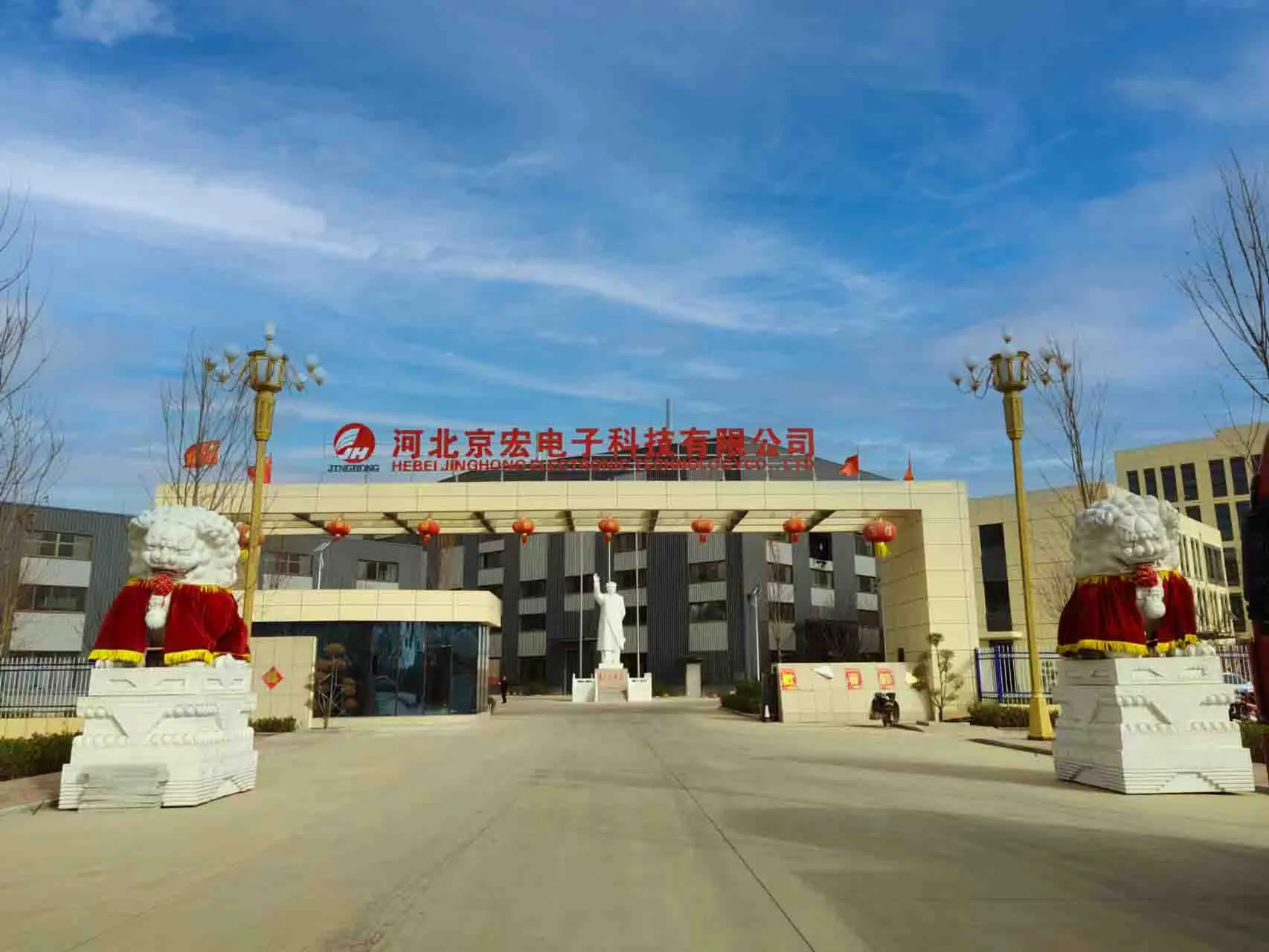
J&Q New Composite Materials Company