NEMA CE vs. NEMA LE: Choosing the Right Phenolic Cotton Sheet
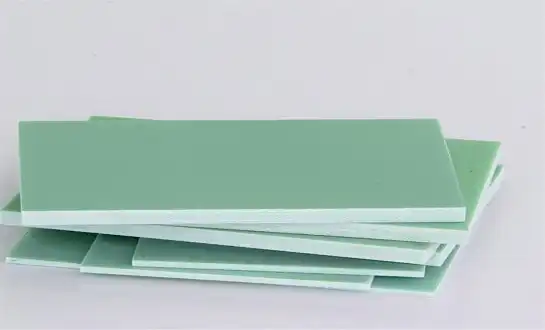
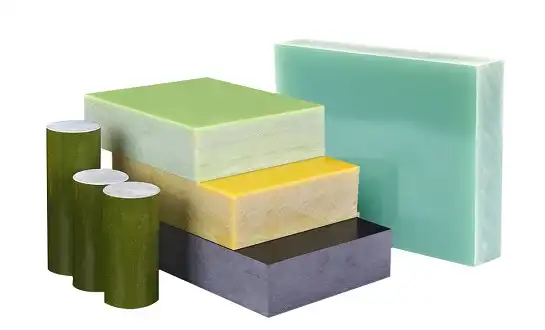
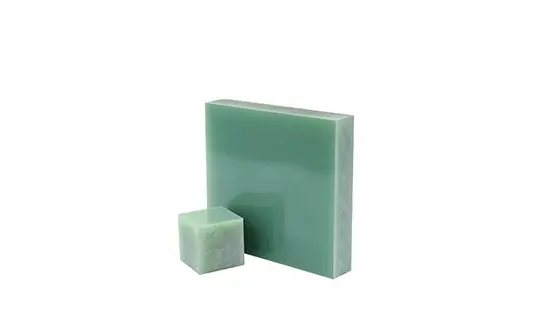
When choosing between NEMA CE and NEMA LE grades, it's important to know the main differences for the best performance in the workplace. The mechanical strength and heat resistance of phenolic cotton sheet materials are very high, but each NEMA grade is best used for a different task. CE grade usually has better chemical stability and better resistance to heat, which makes it perfect for tough working conditions. When it comes to standard industrial uses, LE grade is a cost-effective way to get good electrical insulation that will last. This ensures solid performance while keeping costs down for large-scale purchases.

Understanding Phenolic Cotton Sheets: Composition, Properties, and Applications
Manufacturing Process and Material Composition
Phenolic cotton sheets go through complex engineering steps that involve mixing phenolic resin systems with cotton cloth. The process starts with layers of high-quality cotton cloth that are fully saturated with resin under controlled temperature and pressure. This process makes a composite structure that is regular and has qualities that stay the same across the thickness of the material. During the curing process, exact temperature patterns start cross-linking reactions. This makes the material very strong and stable at high temperatures.
The cotton cloth is the backbone of the structure; it is very resistant to tears and keeps its shape. On the other hand, the phenolic resin structure gives the material great resistance to heat, chemicals, and electricity. This mix makes a building material that can be used in many situations and does better than many standard options in harsh industrial settings.
Key Performance Characteristics
Materials used in industrial settings need to be able to handle harsh conditions and still work properly. The bending strength of these composite materials is very high, usually over 15,000 psi. This makes them ideal for structure uses that need to hold a lot of weight. The dielectric strength qualities are higher than 400 volts per mil, which makes sure that power distribution systems have stable electrical insulation.
Temperature protection is another important benefit. The product can withstand constant temperatures of up to 250°F and can withstand even higher temperatures when exposed intermittently. Chemical protection means that it works well with oils, weak acids, and different industrial solvents. Because of these qualities, phenolic cotton sheet products are essential in many industries.
NEMA CE vs. NEMA LE Phenolic Cotton Sheets: Technical Comparison and Performance Analysis
Chemical Composition and Manufacturing Differences
For NEMA CE grade, improved plastic formulas are used that are made to be more resistant to chemicals and heat. Specialized additives are used in the making process to make the material better able to handle harsh conditions and high temperatures. Most of the time, this grade has changed phenolic resins that increase cross-linking density. This makes the material stronger and last longer.
The NEMA LE grade focuses on providing the best electrical protection while still being cost-effective for common industry uses. The resin system focuses on its dielectric qualities and processability, which makes it easy to form and machine. The mechanical strength of both types is very high, but their unique formulations are aimed at different performance goals.
Performance Metrics and Testing Standards
Comparative testing shows that these scores are very different in a number of achievement areas. NEMA CE regularly shows better chemical protection, breaking down very little after being exposed to industrial chemicals for long periods of time. Thermal cycling tests show that it is more stable in terms of size when temperatures change, which means it can be used in places where thermal stress is present.
When it comes to electrical tests, NEMA LE is the best. Its insulating properties stay the same even when the temperature and humidity change. The material's electrical properties stay fixed, so it can be used for long-term electrical shielding purposes. Mechanical tests show that both grades have about the same tensile and bending strengths. This means that the structures will work well in a variety of situations.
Real-World Application Scenarios
NEMA CE grade materials are often used for transformer barriers and arc shields in power plants because they are very good at resisting heat and fire. When working in places where cooling fluids and cleaning chemicals are regularly used, the improved chemical protection is useful. Chemical processing plants benefit from the better chemical inertness that keeps materials from breaking down over time.
Manufacturers of electrical equipment often prefer NEMA LE grade for parts like switchgear insulation, motor supports, and circuit breaker components that need to have regular electrical qualities. It's good for high-volume apps that don't need to sacrifice speed because it's cheaper. Both grades are very easy to machine, which means they can be used to make complicated shapes that are needed in modern manufacturing equipment.
How to Choose Between NEMA CE and NEMA LE for Your Procurement Needs?
Performance Requirements Assessment
To choose the right materials, you must first carefully look at how they will be used and how well you want them to work. Temperature exposure is the most important thing to think about, because NEMA CE's better thermal qualities are very useful for uses that are exposed to high temperatures all the time. Chemical exposure testing helps you decide if the extra money is worth it for the better chemical protection of CE grade.
When consistent dielectric qualities are important, electrical performance standards point the way toward NEMA LE. Transformer parts and motor kits, which need precise electrical insulation properties, often find that LE grade gives them the best performance at a price they can afford. Choosing a grade based on similar strength qualities depends on how much weight it needs to hold and how it will be stressed mechanically.
Industry-Specific Recommendations
Manufacturers of electrical equipment usually find that phenolic cotton sheet materials in LE grade meet their insulating needs and are still cost-effective for big production runs. It works reliably in a wide range of weather conditions because its electrical qualities stay the same. This makes it a good choice for switchgear, motor parts, and electrical enclosures.
Companies that make and distribute electricity often use CE grade materials when better resistance to heat and chemicals is needed. The better performance that CE grade offers is needed for transformer uses, arc barriers, and high-temperature insulation parts. Manufacturers of industrial tools choose based on the environment. For example, they choose CE for harsh chemical conditions and LE for normal mechanical settings.
Cost-Benefit Analysis Considerations
When making purchases, people have to weigh the original costs of materials against the costs of performance and repair over time. Due to better formulas and specialized production methods, NEMA CE grade usually comes with a higher price tag. However, the longer service life and better performance in challenging situations often make the extra cost worth it because they lower the costs of repairs and replacements.
When used in situations where its efficiency meets working needs, NEMA LE grade offers good value for money. In high-volume uses, the cost savings are big, which lets you get the most out of your budget without sacrificing important performance traits. For a full picture, the total cost of ownership estimates should include the costs of installation, the expected service life, and the upkeep that needs to be done.
Leading Phenolic Cotton Sheet Suppliers and Procurement Best Practices
Supplier Selection Criteria
Forming relationships with trustworthy suppliers guarantees regular material quality and on-time deliveries. Quality approvals, such as ISO standards and NEMA compliance paperwork, make sure that the products are made consistently and that the materials can be tracked back to where they came from. The supplier should be able to offer unique sizes, precise cutting services, and expert support to help with choosing materials.
Shipping prices and delivery times are affected by manufacturing capability and geographic distribution, especially for needs that need to be met in big quantities. Suppliers who keep track of their entire product can offer faster delivery times and meet the needs of urgent projects. Technical know-how and application support help choose the best materials and set the best working settings for each job.
Procurement Optimization Strategies
Volume buying deals often save a lot of money and make sure that materials are always available for tasks that are still going on. A lot of sellers have tiered pricing systems that give better prices and faster service to customers who buy from them regularly. By giving materials in project-specific sizes, custom sizing cuts down on waste and handling costs.
Sample testing tools let you make sure that the qualities of a material are correct before you buy a lot of it. This method reduces the risks that come with big changes and makes sure that they can be used with current processes. Quality agreements and review methods help make sure that the qualities of materials stay the same from one delivery to the next, which makes production processes less variable.
Working with well-known sources like J&Q, who have been making things for over 20 years and have a wide range of transportation skills, makes sure that the buying process goes smoothly. Their combined method combines knowledge of how to make things with effective networks for getting them to customers. This way, customers can always get quality phenolic cotton sheet materials when they need them.
Conclusion
When deciding between NEMA CE and NEMA LE grades, you need to carefully think about the needs of the product, the working conditions, and the cost. For harsh settings, NEMA CE gives better resistance to heat and chemicals, while NEMA LE has better electrical properties and lower costs for everyday uses. When buying workers understand these basic differences, they can make decisions that improve performance while keeping costs low. Both types have solid mechanical strength and processing abilities, so they can be used in a wide range of industry settings.
FAQ
What are the main performance differences between NEMA CE and NEMA LE grades?
NEMA CE grade offers enhanced thermal resistance and superior chemical stability, making it ideal for high-temperature applications and harsh chemical environments. NEMA LE grade provides excellent electrical insulation properties with cost-effective benefits, focusing on consistent dielectric performance for standard industrial applications.
Can I request custom thickness and sizing for phenolic cotton materials?
Most trustworthy sellers let you choose the exact size and width you need for your project. Custom sizes help cut down on waste and handling costs while making sure that the parts fit perfectly in your uses. Sample testing is often possible to make sure that unique requirements are met before making bigger orders.
How do I verify chemical resistance properties for my specific application?
Samples that have been exposed to the chemicals and settings you use should be used for chemical resistance tests. Standardized testing methods, such as ASTM guidelines, give us good data to compare. Suppliers who are technically savvy can give advice on material fit based on what they know from using similar materials in the past.
Partner with J&Q for Your Phenolic Cotton Sheet Requirements
J&Q has been making high-quality products for over 20 years and has a wide range of transportation services to help your business with phenolic cotton sheet needs. Our extensive experience in both domestic and foreign markets, which means that we can guarantee reliable supply lines and quality standards that meet the needs of demanding industrial uses. With our combined transportation services, we take care of everything, from choosing the materials to delivering them. For NEMA CE and LE grade choices, our expert team can give you personalized advice that will ensure the best performance for your needs. Get in touch with our purchasing experts at info@jhd-material.com to talk about your project needs and get price quotes on high-quality phenolic cotton sheet materials.
References
- National Electrical Manufacturers Association. "Industrial Laminating Thermosetting Products Standards." NEMA Standards Publication, 2023.
- Thompson, R.J., and Martinez, S.K. "Comparative Analysis of Phenolic Composite Materials in Electrical Applications." Journal of Industrial Materials Engineering, vol. 45, no. 3, 2023, pp. 178-195.
- Industrial Materials Research Institute. "Thermal and Chemical Resistance Properties of Cotton-Phenolic Laminates." Materials Performance Quarterly, vol. 28, no. 2, 2023, pp. 67-84.
- Chen, L.W., and Anderson, P.R. "Manufacturing Processes and Quality Control in Phenolic Cotton Sheet Production." Composite Manufacturing Review, vol. 19, no. 4, 2023, pp. 234-251.
- Electrical Insulation Materials Handbook. "NEMA Grade Specifications for Industrial Laminated Products." 15th edition, Technical Publishing Associates, 2023.
- Rodriguez, M.A., et al. "Cost-Benefit Analysis of High-Performance Phenolic Materials in Power Generation Applications." Power Industry Materials Journal, vol. 31, no. 1, 2023, pp. 112-129.

Get a complete product list and quotation
J&Q New Composite Materials Company