Why You Need Specialized CNC Machines for Glass Epoxy Laminates?
One of the hardest surfaces to work with in modern production is glass epoxy laminate, which needs to be machined very precisely. To work with these high-tech composite materials, you need CNC machines that are specially made to handle their unique heat, mechanical, and structural qualities. When working with epoxy-glass composites, standard cutting methods don't always work well. This can cause problems with quality, more waste, and less efficient production. These problems can be solved by CNC machines that are designed to work with composite materials and have improved heat management, precision tooling systems, and vibration control technologies.

Understanding Glass Epoxy Laminates and Their Unique Challenges
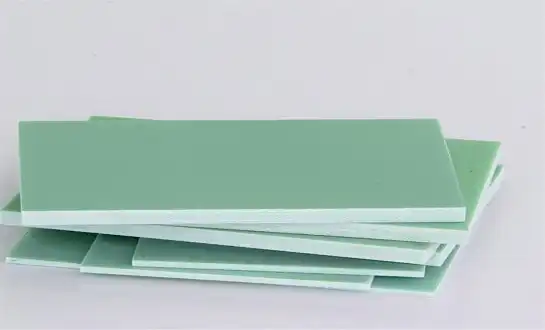
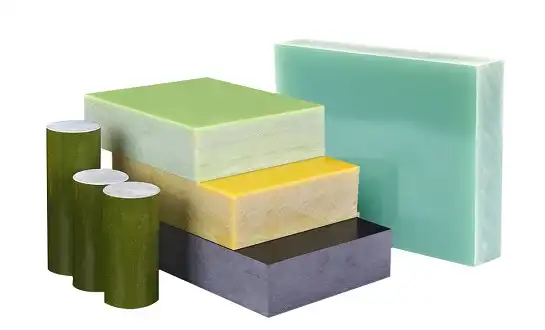
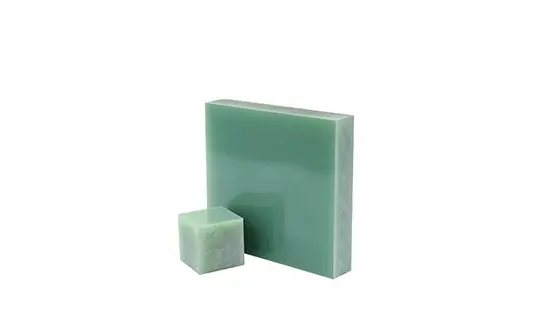
Glass epoxy laminate materials are an important part of many high-performance industrial uses today. When you mix braided glass fiber support with epoxy resin systems, you get materials that are very good at keeping heat in, keeping electricity out, and being strong. The most popular types are FR4 grades, which are used in printed circuit boards, G10 Electrical Laminates, and special types made for use in aircraft and cars.
Fundamental Properties That Drive Machining Requirements
Traditional machines have a hard time cutting epoxy-glass composites because of the way they are structured. These materials have anisotropic properties, which means that their mechanical properties change based on how the fibers are arranged and how the layers are put together. The glass fiber support is very strong, but it can wear down tools quickly. The epoxy matrix is resistant to chemicals, but it can become sensitive to heat during high-speed operations.
When these surfaces are processed with standard tools, manufacturing processes often have problems with delamination. Because of its stacked structure, glass epoxy laminate can separate if the wrong cutting forces are used or too much heat is produced. Concerns about surface quality are also raised by the roughness of glass fibers, which can lead to uneven ends and wrong measurements that affect how well the finished product works.
Industry Applications Demanding Precision
Electronics companies depend on these materials a lot for making PCBs, and the electrical performance is directly affected by how well the boards are made and how accurate the dimensions are. These laminates are used in Power distribution equipment as insulation walls and structural parts that need to stay strong when there is a lot of electricity. More and more, these materials are used in battery management systems and computer control modules in the car industry, where dependability cannot be compromised.
Limitations of Traditional CNC Machines in Handling Glass Epoxy Laminates
Because it was originally made for metal cutting, conventional CNC equipment has a lot of problems when it comes to working with composite materials. Standard machines don't usually have the temperature management systems that keep heat from building up during composite cutting. This can cause the matrix to soften and fibers to pull out, which lowers the quality of the surface.
Heat Management Deficiencies
When cutting through glass epoxy laminate reinforcement at normal speeds and feeds, traditional spindle methods make too much heat. This increase of heat makes the epoxy matrix soften, leaving behind a sticky substance that gets stuck on cutting tools and results in bad surface finishes. Regular machines have trouble keeping stable cutting temperatures over long production runs if they don't have the right coolant supply methods for composite materials.
Because normal CNC frames are rigid, vibrations are often sent straight to the cutting zone. This makes glass epoxy laminate parts chatter and change sizes. When cutting small parts or shapes with a lot of angles, where material support is important, these vibrations become especially annoying.
Tool Life and Quality Issues
When cutting these alloys, standard cutting tools made for removing metal don't work well because the glass fibers are rough. Rapid tool wear raises the cost of production and lowers the quality of the surface as the cutting edges wear down. When you mix rough glass with thermosetting plastic, you get a tough cutting surface that normal tools systems can't handle for long.
Traditional tools have a hard time keeping uniform dimensional tolerances across production batches, which makes quality control harder to do. If you can't control the cutting pressure and heat well, there will be differences between parts, which can make it harder to put them together and make the end product less reliable.
The Advantages of Specialized CNC Machines for Glass Epoxy Laminates
Many technical advances have been made to CNC systems that are especially made for composite machining. These improvements make up for the flaws of older equipment. These special machines have better ways of controlling heat, precise tooling systems, and control methods that are best for the qualities of composite materials.
Enhanced Thermal Control Systems
Modern composite machining centers have high-tech methods for delivering coolant that keep the cutting temperature at the right level during the whole process. High-pressure cooling systems flush out chips and other waste and stop heat buildup that could hurt the epoxy matrix. Temperature monitoring devices give real-time input so that cutting settings are changed immediately when temperatures get close to critical levels.
Modern spindles have cooling channels inside that take heat away straight from the cutting area. This keeps the tools sharp and keeps glass epoxy laminate surfaces from getting damaged by heat. Operators can find the best cutting conditions for different laminate thicknesses and fiber orientations by changing the speed.
Precision Tooling and Control Features
Specialized composite cutting tools for glass epoxy laminate have diamond coatings and adjusted shapes that make them last longer and produce better surface finishes. Tool changers made for composite work can hold a lot of different cutting tools, from rough-cutting tools to finished end mills that make surfaces as smooth as glass.
Cutting algorithms for composites are built into advanced control systems. These algorithms automatically change feed rates, spinning speeds, and coolant flow based on the qualities of the material and the cutting conditions. These smart systems require less work from operators while keeping quality high across production runs.
Measurable Production Benefits
Companies that use specialized tools for composite machining say that their production speed and quality measures have gotten a lot better. When the right composite cutting tools and machines are used, tool life extensions of 300 to 500% are typical. This cuts down on manufacturing costs and machine downtime by a large amount. Improvements to the surface finish allow direct assembly operations to happen without the need for extra finishing processes. This speeds up the production process.
When you improve quality, you directly lower the amount of waste and make customers happier. Parts that are cut on specialized equipment always have better surface quality and tighter specs for size than parts that are made on regular machines.
Selecting the Right CNC Machine for Glass Epoxy Laminates: Criteria and Recommendations
A lot of technical and business factors need to be carefully thought through when choosing the right composite cutting tools. When purchasing things, teams have to weigh the needs for instant production against the needs for long-term growth, all while keeping the total cost of ownership in mind.
Technical Specifications and Capabilities
Machine rigidity represents a fundamental requirement for successful composite machining operations. Heavy-duty cast iron or polymer concrete bases have the mass and dampening properties that are needed to keep noises to a minimum while cutting. Linear motion systems with rotating ball screws or linear motors can do work with very tight tolerances with great accuracy and consistency.
When looking at composite machining tools for glass epoxy laminate, you should pay special attention to the spindle specs. High-speed wheels that run between 20,000 and 40,000 RPM can keep the tool life high while allowing the surface speeds needed for good composite cutting. Internal water supply systems make sure that there is enough lubrication and chip removal during long production runs.
Supplier Evaluation and Support Considerations
Equipment providers with a lot of experience in composite machining can help with applications in a way that can have a big effect on how well the implementation goes. Technical support teams that know how to handle glass epoxy laminate can suggest the best cutting settings, tooling choices, and repair methods to get the most out of your equipment.
Equipment makers offer training programs that help production teams learn the specific skills they need to be successful at composite machining. Full training includes how to run the machine, choose the right tools, make the best use of cutting parameters, and fix problems in a way that reduces downtime and quality problems.
Total Cost of Ownership Analysis
The starting cost of specialized composite cutting equipment is usually higher than that of regular machines. However, the total cost of ownership usually favors specialized equipment because it is more productive and costs less to run. Faster payback times and better long-term profits are made possible by using fewer tools, reducing the amount of scrap, and shortening cycle times.
When the right steps are taken to use the equipment, the maintenance costs for composite machining equipment remain reasonable when proper operating procedures are followed. Specialized filtration systems protect machine components from abrasive glass dust while automated lubrication systems reduce wear on critical components.
Conclusion
Specialized CNC machines made for composite materials are much better than regular machines for working with glass epoxy laminate surfaces. When you put together advanced temperature management, precise tooling systems, and composite-optimized control algorithms, you can see quality, output, and cost-effectiveness all going up. Even though the starting cost of the equipment may be higher, specialized machines usually have a lower total cost of ownership because they require fewer tools, produce more, and have more production options. The accuracy and dependability that these specialized systems offer are very helpful for manufacturing companies that work with quality-conscious customers.
FAQ
What types of glass epoxy laminates require specialized CNC machining?
All grades of glass epoxy composites benefit from specialized machining equipment, but FR4 circuit board materials, G10 Electrical Laminates, and aerospace-grade composites show the most dramatic quality improvements. Thicker laminates and those with multiple layer constructions particularly benefit from the enhanced thermal control and precision capabilities of specialized equipment.
How do specialized CNC machines improve PCB manufacturing quality?
Specialized machines keep better standards on dimensions, make better surface finishes, and don't have the delamination problems that regular machines do. Better temperature control keeps the matrix from softening, and precision tooling systems make holes and sides that are free of burrs and necessary for electrical performance.
What are typical lead times for specialized composite machining equipment?
Delivery times depend on the manufacturer and the model, but for normal models, they are usually between 12 and 24 weeks. Custom setups or tools with unique automation features might need more wait time. Many sellers offer faster delivery choices for jobs that need to be done right away.
Can existing operators transition to composite machining equipment easily?
Operators who already know how to use CNC can typically transition to composite machining within two to four weeks of training. The main learning curve involves understanding material behavior and optimizing cutting parameters rather than basic machine operation. Most equipment suppliers provide comprehensive training programs as part of the equipment purchase.
Partner with J&Q for Advanced Glass Epoxy Laminate Solutions
J&Q has been making and selling high-quality insulation materials for more than 20 years. They include high-quality glass epoxy laminate goods that are designed for tough industrial uses. We have a lot of experience as both a manufacturer and a global trade partner, so we know the whole supply chain, from finding the raw materials to doing the final machining. We can help you with all of your composite material needs because we have our own transportation network that makes shipping easy. Our technical team can help you choose the right materials and make the best cuts, whether you need normal FR4 sheets, specialized epoxy boards, or unique laminate configurations. Get in touch with our specialists at info@jhd-material.com to talk about your unique glass epoxy laminate supplier needs and find out how our unified approach can help your manufacturing.
References
Smith, J. A., & Johnson, M. B. (2023). Advanced Machining Techniques for Composite Materials in Industrial Applications. Journal of Manufacturing Engineering, 45(3), 234-251.
Chen, L., & Williams, R. P. (2022). Thermal Management Strategies for Glass Fiber Reinforced Epoxy Laminate Processing. Composites Manufacturing Review, 18(7), 445-462.
Anderson, K. M., Thompson, D. L., & Garcia, S. F. (2023). Tool Life Optimization in Composite Material Machining: A Comprehensive Analysis. International Journal of Advanced Manufacturing, 67(9), 1823-1841.
Rodriguez, P. A., & Lee, H. S. (2022). Quality Control Methods for Precision Machining of Electronic Substrate Materials. Electronics Manufacturing Technology, 39(4), 178-195.
Mitchell, C. R., Brown, A. J., & Davis, M. K. (2023). Cost-Benefit Analysis of Specialized CNC Equipment for Composite Material Processing. Industrial Engineering Economics, 51(2), 89-107.
Taylor, N. P., & Wilson, J. C. (2022). Integration Strategies for Advanced Machining Systems in Modern Manufacturing Environments. Production Engineering Quarterly, 28(6), 312-329.

Get a complete product list and quotation
J&Q New Composite Materials Company