Lithium Battery Pack 3240 Epoxy Resin Provides Stable Insulation for Energy Storage Applications
When engineers and procurement teams need a dependable insulation material for energy storage systems, Lithium Battery Pack 3240 Epoxy Resin is a practical option for demanding battery applications. This epoxy glass cloth laminate provides stable dielectric performance, mechanical strength, and chemical resistance that are important for lithium battery pack assemblies. For industrial energy storage racks, Lithium Battery Pack 3240 Epoxy Resin can support reliable electrical separation and structural insulation under demanding operating conditions. In EV battery modules and power distribution equipment, Lithium Battery Pack 3240 Epoxy Resin offers a combination of insulation and mechanical properties that can be difficult to achieve with standard plastics or lower-grade laminates. For procurement teams comparing insulation materials, Lithium Battery Pack 3240 Epoxy Resin can provide consistent performance across a range of energy storage and electrical applications. By selecting Lithium Battery Pack 3240 Epoxy Resin for applications with demanding electrical, mechanical, and chemical requirements, manufacturers can better match the material to the operating conditions of their equipment.
Understanding 3240 Epoxy Resin and Its Properties for Lithium Battery Packs
What Makes the Material Structure Work
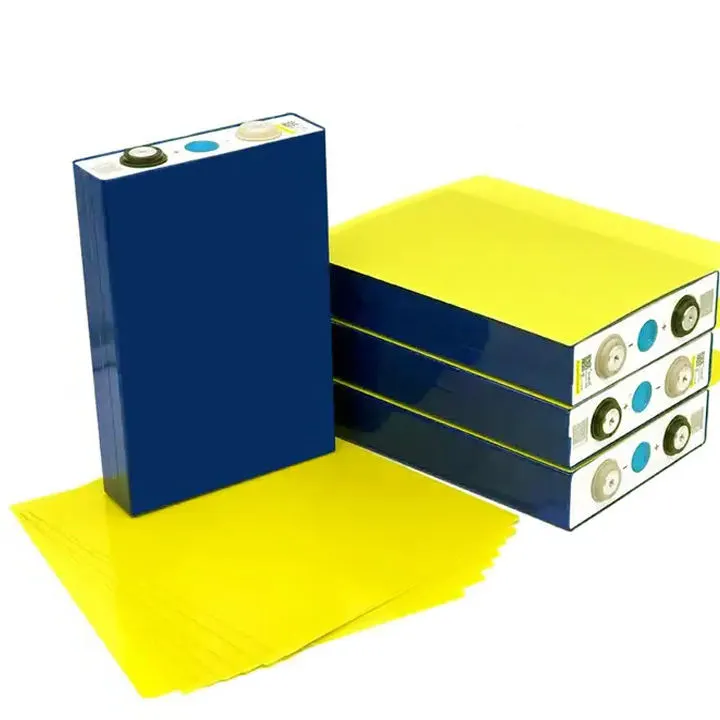
The sheet is made of woven E-glass cloth that is free of alkalis. It is joined together with an epoxy-phenolic resin system, and then it is fixed under controlled heat and pressure. Because of how it's made, it has a mass of about 1.96–2.07 g/cm³ and doesn't absorb much water, which helps protect the insulation directly in damp working conditions. The natural color is yellow, and the standard sheet size is 1020 mm × 2020 mm. The thickness can be anywhere from 0.5 mm to 100 mm.
Thermal Stability and Flame Performance
The flammability rating for Grade A sheets is V-0, and the rating for Grade B sheets is V-1. Both of these ratings are useful for battery pack designers who need to meet fire safety standards. The temperature at which the material bends under load is higher than 140°C. This means that it keeps its shape during the temperature jumps that happen a lot during high-charge-rate cycles. Epoxy glass laminates are different from cheaper phenolic options because they are more stable at high temperatures.
Electrical Insulation Performance
The vertical breakdown voltage is 15.5 kV/mm (Grade A), tested in transformer oil at 90°C, and the insulation resistance is 4.1 × 10²³ Ω after being soaked. These numbers show that the sheet can separate high-voltage battery cells without letting current leak out, which is a must for designing a safe energy storage system.
Performance Comparison: 3240 Epoxy Resin vs. Other Insulating Materials
How It Compares to Higher-Grade Epoxy Laminates
The UL 94 V-0 flame rating of FR4 glass epoxy sheet makes it suitable for many PCB applications, although its higher cost may not be necessary for every battery insulation project. When PCB-grade dielectric performance is not the primary requirement, Lithium Battery Pack 3240 Epoxy Resin can provide a cost-effective balance of mechanical strength, thermal performance, and electrical insulation for battery pack structures. For battery manufacturers, Lithium Battery Pack 3240 Epoxy Resin can be used to provide structural insulation where reliable material performance is required without the need for specialized PCB-grade materials. In applications where mechanical durability and thermal resistance remain important, Lithium Battery Pack 3240 Epoxy Resin offers a practical alternative for insulating battery components and support structures. By selecting Lithium Battery Pack 3240 Epoxy Resin according to the actual electrical, mechanical, and thermal requirements of the application, procurement teams can control material costs while maintaining the required insulation performance.
Why It Outperforms Silicone Potting Compounds
Silicone potting solutions are flexible, but they don't have the rigidity that load-bearing end plates or cell spaces in prismatic battery stacks need. Grade A material has a bending strength of 484 MPa and a compressive strength of 401 MPa. Silicone just can't match those numbers. For uses that need both electrical separation and physical support, the laminate sheet is the best option.
Cost and Supply Chain Considerations
When purchasing in bulk, procurement teams can count on uniform batch tolerances and known sheet measurements, which lowers the amount of scrap during CNC machining. Epoxy glass laminates, unlike specialist potting systems, come in standard pallet packing and can be bought in bulk, with T/T payment terms and a minimum order of 500 kg. This makes planning the supply chain easy.
Procurement Guide for 3240 Epoxy Resin in Lithium Battery Manufacturing
It takes more than looking at a description sheet to find the right insulation laminate for making battery packs. Before making an order, these are the most important things that B2B buyers should think about:
- Technical documentation: Request a TDS (Technical Data Sheet) and MSDS to verify that the material meets your design requirements and workplace safety standards. Grade A and Grade B have different mechanical and electrical profiles, so confirming the correct grade is essential before committing to volume orders.
- Certification and quality systems: A credible supplier should hold ISO 9001 (quality management), ISO 14001 (environmental management), and ISO 45001 (occupational health and safety) certifications. These three standards together signal that the manufacturer operates with consistent process controls rather than just passing spot checks.
- Production capacity and lead times: For energy storage applications with scheduled production runs, a supplier with annual output exceeding 43,000 tons provides a meaningful supply buffer. Direct factory orders with priority production scheduling reduce the risk of lead time disruptions.
- Logistics coverage: Look for suppliers who manage transportation across ocean, land, and air freight, and who carry their own logistics capability. This reduces handoff risk and speeds delivery response when urgent quantities are needed.
All of these factors work together to keep procurement teams from making the common mistake of picking a supplier based only on price, only to find that the quality isn't consistent, which slows down production.
Application Best Practices: Using 3240 Epoxy Resin in Lithium Battery Packs
Preparation and Cutting
Before machining Lithium Battery Pack 3240 Epoxy Resin, manufacturers should check that the sheet is flat and inspect the surface for signs of delamination or other visible defects. With appropriate feed rates, cutting parameters, and tooling, Lithium Battery Pack 3240 Epoxy Resin can be processed through CNC routing and drilling for battery insulation components. The low curing shrinkage of less than 2% can also help Lithium Battery Pack 3240 Epoxy Resin maintain dimensional stability during machining and subsequent battery assembly. For precision battery components, properly machining Lithium Battery Pack 3240 Epoxy Resin can help maintain consistent part dimensions and reduce unnecessary adjustment during the manufacturing process. By combining suitable machining practices with careful material inspection, Lithium Battery Pack 3240 Epoxy Resin can provide stable and repeatable performance in battery insulation applications.
Cell Isolation and Structural Support
As a buffer between positive and negative electrodes, between cells, and between high-voltage busbar systems, the sheet does its job well. It can handle mechanical shock and vibration without cracking thanks to its tensile strength of 368 MPa (Grade A, direction A). This is very helpful for mobile energy storage and vehicle-mounted applications.
Quality Control During Assembly
Check the insulation resistance at assembly stages after installation to find any contamination or mechanical damage before closing the pack. Because the material is chemically resistant to common electrolytes, it won't break down even if it comes into contact with small amounts of fluid. However, for best long-term battery performance, it is still best to keep the assembly area clean.
Future Outlook and Innovations in Epoxy Resin for Energy Storage
It's still possible to store more energy. BloombergNEF says that by 2030, the world's stationary energy storage installations will have stored 1,000 GWh of energy. This means that a lot of tested insulation materials will be needed to build safe, scalable battery systems. To meet this need, epoxy glass laminates are a good choice because they use tried-and-true production methods and have a history of good performance.
Researchers looking into changed epoxy systems are finding ways to make them better at conducting heat, losing less electricity at higher rates, and making formulas that are better for the environment. Keeping track of these changes in materials helps procurement engineers make decisions about where to buy things that are in line with both performance goals and company sustainability goals. The 3240 grade material that is used now gives us a stable starting point, and new formulations are still coming out to meet specific needs.
Conclusion
As an insulation material for lithium battery packs, Lithium Battery Pack 3240 Epoxy Resin offers a practical combination of electrical, mechanical, and thermal properties for demanding applications. With tested performance data and documented specifications, Lithium Battery Pack 3240 Epoxy Resin can support the requirements of battery pack engineers and procurement teams in the power, automotive, industrial, and electrical sectors. Selecting the appropriate grade of Lithium Battery Pack 3240 Epoxy Resin according to the application's voltage, temperature, mechanical, and environmental requirements is essential for achieving consistent results. Working with a qualified supplier of Lithium Battery Pack 3240 Epoxy Resin can also help ensure reliable material quality, documentation, and supply continuity. In addition, using suitable cutting, machining, and battery assembly procedures can help Lithium Battery Pack 3240 Epoxy Resin maintain its intended insulation performance and service life. For manufacturers evaluating materials for lithium battery insulation, Lithium Battery Pack 3240 Epoxy Resin provides a versatile option when properly specified and processed.
FAQ
What is the difference between Grade A and Grade B in this epoxy laminate?
Grade A offers higher bending strength (484 MPa vs. 203 MPa) and higher breakdown voltage (15.5 kV/mm vs. 8.6 MV/m), making it the preferred choice for high-voltage battery applications. Grade B is suited to structural support roles where extreme dielectric performance is less critical.
Can this material be CNC machined into custom battery pack components?
Yes. The sheet machines cleanly with standard CNC routing and drilling equipment. Low internal shrinkage keeps dimensional tolerances stable, which matters for precision-fit cell spacers and isolation plates.
What certifications should I request from a supplier?
Request ISO 9001, ISO 14001, and ISO 45001 certificates, along with a TDS and MSDS for the specific grade. These documents confirm both product quality and the supplier's operational standards.
What is the minimum order quantity?
The standard MOQ is 500 kg. The standard sheet size is 1020 mm × 2020 mm, with thickness ranging from 0.5 mm to 100 mm.
Is this material compatible with common battery electrolytes?
Yes. The epoxy resin matrix resists acid and alkali exposure and maintains stable insulation resistance after prolonged moisture exposure, making it compatible with standard lithium battery electrolyte environments.
Partner with J&Q for Your Epoxy Insulation Laminate Needs
Hebei JingHong Electronic Technology Co., Ltd. backs J&Q and sells the 3240 epoxy laminate sheet. The company can make 43,000 tons of it every year and has ISO-certified quality processes and more than 20 years of experience making shielding materials. We are a direct provider of Lithium Battery Pack 3240 Epoxy Resin and handle all of our own shipping, so we can take care of everything from production to delivery. To get a datasheet right away, email info@jhd-material.com with your specifications and volume needs, or go to blog.jhd-material.com.
References
1. BloombergNEF. Energy Storage Market Outlook. 2023.
2. IEC 60893-3. Specification for Industrial Rigid Laminated Sheets Based on Thermosetting Resins for Electrical Purposes. International Electrotechnical Commission, 2003.
3. GB/T 1303.4-2009. Laminated Boards Made of Woven Glass Fabric and Epoxy Resin — Test Methods. Standardization Administration of China, 2009.
4. Linden, D., & Reddy, T. B. (Eds.). Handbook of Batteries (4th ed.). McGraw-Hill, 2010.
5. Harper, C. A. (Ed.). Handbook of Plastics Technologies. McGraw-Hill, 2006.
6. Journal of Power Sources. Thermal and Mechanical Performance of Insulation Materials in Lithium-Ion Battery Pack Assemblies. Elsevier, 2021.

Get a complete product list and quotation

J&Q New Composite Materials Company



