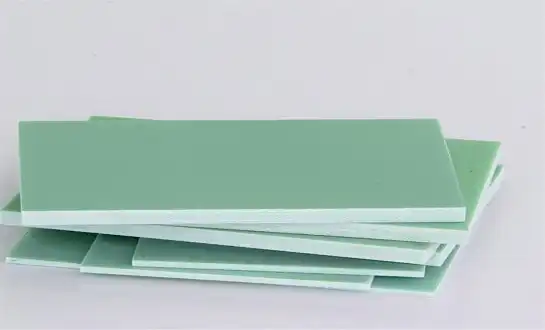
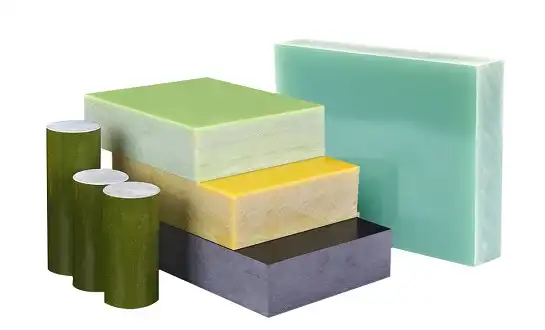
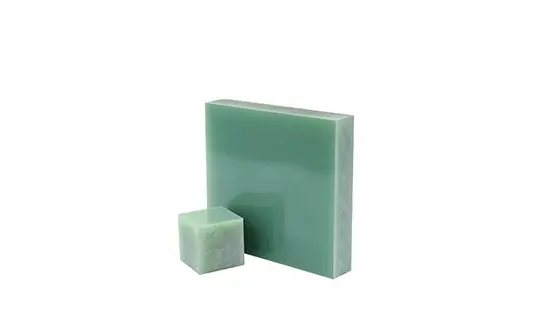
G10 Epoxy Resin Rod Enables Lightweight Structural Solutions in Industrial Applications
When engineers and procurement teams search for a structural insulation material that balances weight, strength, and electrical performance, the Fr4 G10 Epoxy Resin Rod consistently rises to the top of the shortlist. Made from woven glass cloth saturated with epoxy resin and formed under controlled heat and pressure, this composite rod delivers dielectric strength ≥ 40 kV/mm, flexural strength ≥ 450 MPa, and water absorption ≤ 0.1% — numbers that matter in real production environments. Whether your application sits in high-voltage switchgear, electric vehicle assemblies, or industrial machinery frames, this material earns its place on the engineering spec sheet.
Understanding G10 Epoxy Resin Rod: Properties and Manufacturing Process
What Makes G10 a Distinct Composite Material
The thermoset laminate G10 is made by stacking several layers of continuous-filament weave glass cloth, with epoxy resin binder being soaked into each layer. To make a dense, void-free structure, the resin cures and the stack is pressed together with heat. This makes a rod whose specific gravity is between 1.7 and 1.9 g/cm³, which is much lighter than aluminum (2.7 g/cm³) but still very rigid in a way that regular plastics can't match.
G10 vs. FR4: Understanding the Key Difference
The two materials are both made of glass-epoxy. The difference is how well the fire. FR4 has flame-retardant additives based on bromine to get a UL94 V-0 rating. This means that the material goes out on its own within 10 seconds of being lit. G10 doesn't have this addition, but its mechanical and electrical performance is the same. A lot of modern rods are made to meet both G10 structural standards and FR4 flammability requirements at the same time.
Manufacturing Quality Controls That Matter in B2B Sourcing
Reputable manufacturers produce Fr4 G10 Epoxy Resin Rod products according to applicable standards such as ASTM D709 and NEMA FR-4/G-10, helping ensure consistent material quality and performance. During production, each Fr4 G10 Epoxy Resin Rod can undergo dimensional inspection, with standard diameter tolerance controlled to 0/−0.2 mm where specified. Visual checks are also carried out to identify potential defects such as delamination, resin-rich areas, or resin-starved sections that could affect the finished rod's integrity. For the Fr4 G10 Epoxy Resin Rod, performance verification may include recognized test methods such as ASTM D149 for dielectric breakdown voltage and ASTM D570 for water absorption, depending on the customer's requirements and applicable specification. Consistent quality control at these checkpoints helps ensure that every Fr4 G10 Epoxy Resin Rod meets the agreed technical requirements rather than relying on basic commodity-level inspection. For procurement teams, choosing a supplier that can provide inspection records, applicable test reports, and stable production control for Fr4 G10 Epoxy Resin Rod products can improve batch consistency and reduce sourcing uncertainty. A qualified manufacturer should therefore treat the Fr4 G10 Epoxy Resin Rod as an engineered insulation component requiring documented process and performance control.
Lightweight Structural Solutions: Why This Material Performs Where Others Fall Short
The Weight Problem with Traditional Rod Materials
Standard phenolic rods, steel rods, and aluminum rods all have pros and cons. Steel makes things heavier and corrodes in chemically rich places. Aluminum moves energy around, which can be bad in high-voltage parts. Over time, phenolic rods lose their dielectric properties because they soak up water. If an engineer has worked with these materials for a long time, they know that the ideal insulation stick must meet all of these requirements at the same time.
Here are the main ways that G10 epoxy resin rods work better than other options:
- Electrical insulation with no conductivity risk: The material has zero electrical conductivity. Dielectric breakdown voltage exceeds 40 kV/mm in oil perpendicular to laminations, making it the standard choice for standoff insulators, phase barriers, and actuation rods in power distribution systems.
- Near-zero moisture uptake in humid or wet environments: Water absorption stays below 0.1% after 24-hour immersion per ASTM D570. This property makes the rod reliable in marine robotics, outdoor enclosures, and humid production floors where phenolic materials would swell and lose dimensional accuracy.
- Thermal stability from −50°C to +130°C: Standard G10 rods maintain mechanical integrity across this range. High-Tg variants extend performance to 150°C or 170°C for applications in transformer windings and EV battery thermal management systems.
These benefits directly help production problems that purchasing teams face when they need to find insulation parts for important systems.
Real Application Evidence Across Key Sectors
When it comes to power distribution, G10 rods are used as structural gap insulators that must resist arcs and stay the same size under load. When making electric vehicles for cars, the same material is used to make insulation walls in battery pack structures. If one dielectric fails, the results can be very bad. When making PCBs, G10 guide pins are used because the material stays the same size even after many CNC drilling cycles without warping from thermal expansion.
How to Select the Right Epoxy Resin Rod for Your Industrial Needs
Evaluate Performance Parameters Against Your Application
When selecting a Fr4 G10 Epoxy Resin Rod, start by asking three practical questions: What is the highest temperature the material must withstand continuously? What level of electrical insulation strength does the application require? Will the Fr4 G10 Epoxy Resin Rod be exposed to chemicals, moisture, friction, or repeated mechanical wear? Standard G10 grades with operating temperatures around 130°C can be suitable for many electronics and industrial machinery applications when the actual service conditions are within the specified limits. For higher-temperature applications, high-Tg Fr4 G10 Epoxy Resin Rod grades may be considered for components such as transformer coil supports or EV insulation and thermal-barrier structures, provided the selected grade meets the required temperature and electrical specifications. Mechanical requirements should also be evaluated carefully, particularly when the Fr4 G10 Epoxy Resin Rod is used in wear-resistant components or threaded assemblies. Checking Rockwell hardness values, such as the M100–M110 range for applicable grades, against expected loads and wear conditions can help engineers select the appropriate Fr4 G10 Epoxy Resin Rod for reliable long-term performance. By matching temperature resistance, dielectric requirements, chemical exposure, and mechanical loads, buyers can choose a Fr4 G10 Epoxy Resin Rod that is better suited to the actual operating environment.
Compare Diameter Range and Length to Your Machining Setup
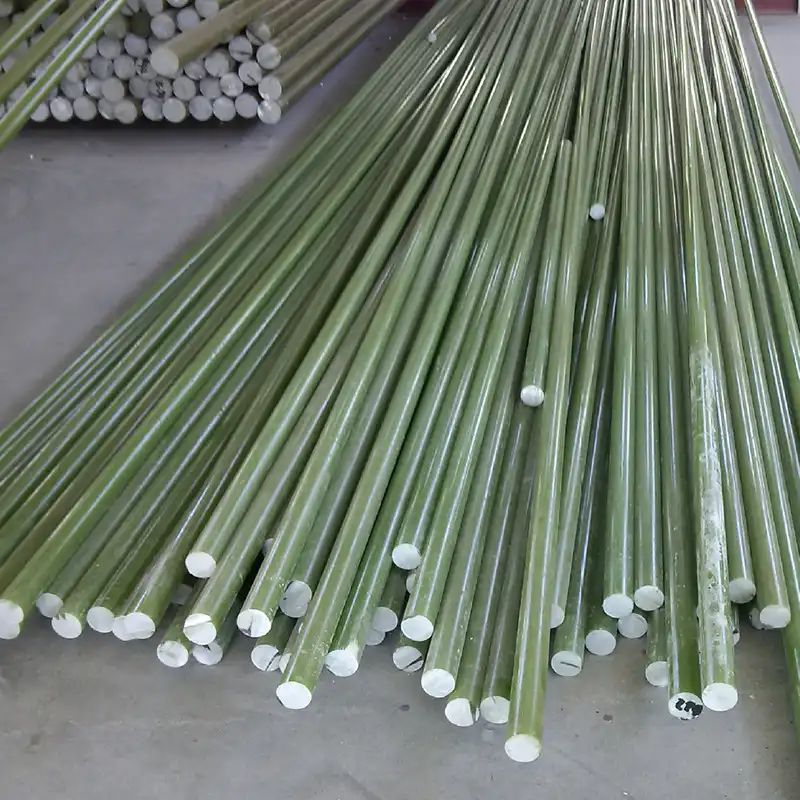
There are G10 epoxy rods from 5 mm to 2000 mm in diameter at J&Q. A typical rod length is 1 m. Precision guide pins in PCB drilling tools and large-diameter structural plates in industrial machinery are all in this range. Make sure that your CNC lathe can handle the diameter tolerance (0/−0.2 mm standard) and that the rod straightness (max camber 1 mm/m) meets your machining feed needs before you place your order. Because glass fibers are rough, standard steel bits will wear down quickly if you don't use carbide or diamond-tipped tools.
Sourcing Strategy: MOQ, Lead Time, and Customization
When deciding how to buy glass-epoxy rods, you should think about how long it takes to make them, how many you need to order at once, and whether the seller can work with special diameters or lengths that aren't standard. J&Q offers shipping by sea, land, and air, so procurement teams can choose how to balance shipping cost and delivery speed based on how important the project is.
Trustworthy G10 Epoxy Resin Rod Suppliers and Brands: What B2B Buyers Should Look For
Certifications That Signal Production Credibility
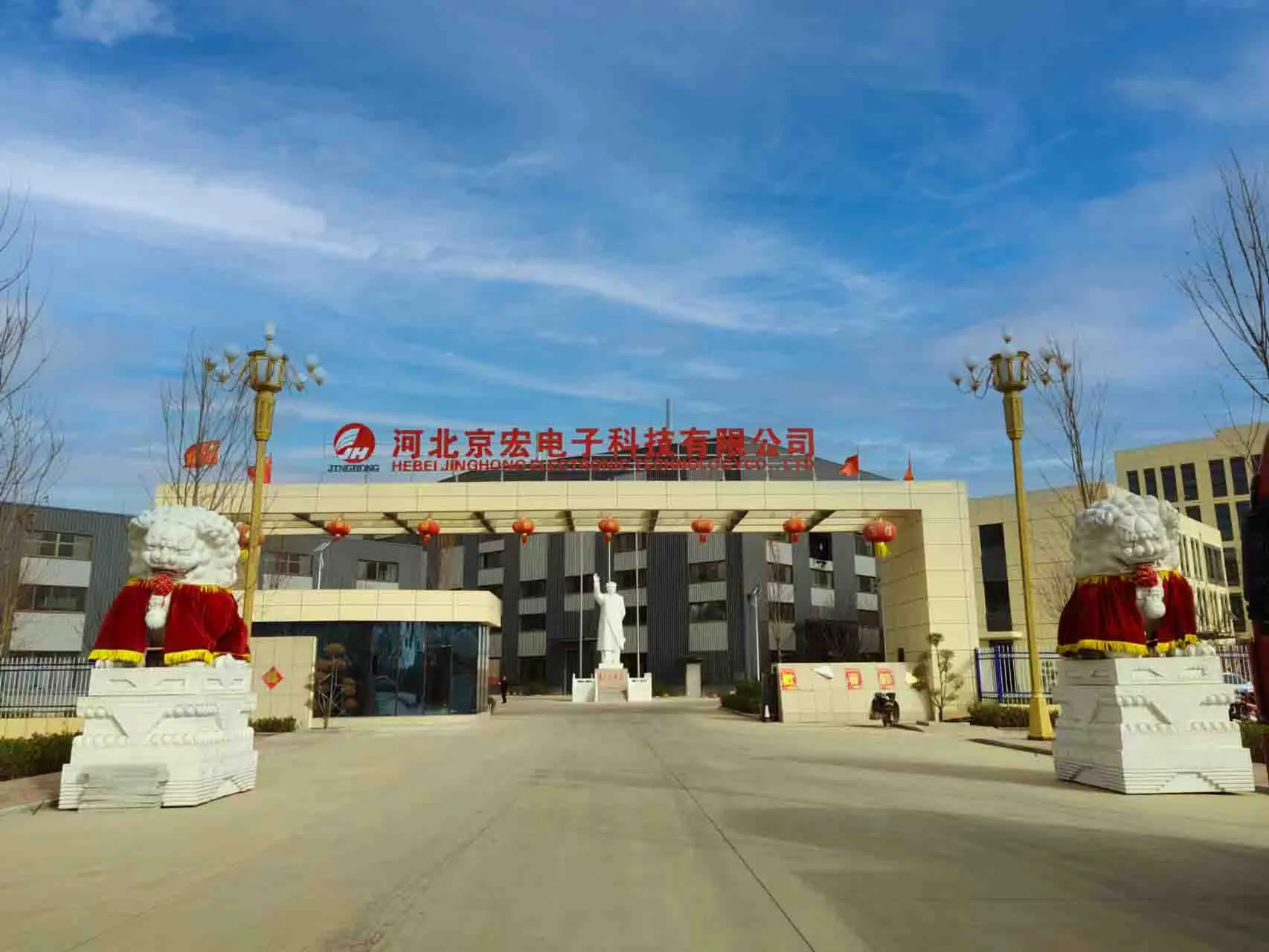
If you're looking for a provider of industrial insulation rods, make sure they have ISO 9001 for quality management, ISO 14001 for environmental systems, and ISO 45001 for health and safety at work. With these three certificates, you can be sure that the company follows documented, auditable methods, not just what they say on the marketing materials. Hebei Jinghong Electronic Technology Co., Ltd., J&Q's production partner, has all three. Their facility is 36,300 m², and they can make 30,000 tons of insulation material every year.
What 20+ Years of Industry Experience Translates To
With more than 20 years of experience in insulation material manufacturing and over 10 years of international trading experience, J&Q has developed long-term relationships with both domestic and overseas trading companies. This experience supports consistent production and quality control for products such as the Fr4 G10 Epoxy Resin Rod, helping customers maintain stable material performance across different batches. For international buyers, sourcing Fr4 G10 Epoxy Resin Rod products from an experienced manufacturer can also simplify communication, production coordination, and order management. J&Q has established logistics networks covering ocean, land, and air transportation, providing flexible shipping options for different order requirements. Its in-house logistics operation further supports the supply of Fr4 G10 Epoxy Resin Rod products by allowing customers to coordinate purchasing and delivery through a single supplier rather than managing multiple intermediaries. This integrated approach can help reduce communication gaps and coordination issues when purchasing Fr4 G10 Epoxy Resin Rod for ongoing industrial projects. With established manufacturing experience, international supply relationships, and logistics support, J&Q can provide a more streamlined sourcing process for customers requiring Fr4 G10 Epoxy Resin Rod products.
After-Sales Support and Supplier Responsiveness
A good supplier doesn't just disappear once the shipment gets through customs. A lot of the time, engineering teams need technical data sheets, test reports, or help figuring out what grades to use instead in the middle of a project. Check how quickly suppliers respond, whether they have SGS or third-party test paperwork available, and whether they are ready to send samples of the material before full production runs.
Ensuring Optimal Use and Longevity of G10 Epoxy Resin Rod in Industrial Applications
Handling and Storage Best Practices
To keep rods from cambering under their own weight for long periods of time, store them horizontally on flat supports. If you want to store something outside for a long time, keep it out of direct UV light. UV light can damage epoxy resin, and surface degradation (fiber bloom or chalking) can affect the finish on precision-machined parts. Keep rods away from liquids that could damage the resin core and dry.
Machining Guidelines for Clean, Accurate Results
For CNC cutting of glass-epoxy rods, you need tools with carbide or diamond tips, a fast spindle, and good dust collection. Fiberglass dust can be harmful to your lungs and can scratch machine surfaces. Using the right amount of coolant lowers the amount of heat that builds up at the cutting edge. This is important because overheating in one area can cause resin to microcrack near the cut surfaces.
Inspection and Lifespan Forecasting
G10 rods have service lives measured in decades when used in normal industrial settings with temperatures below 130°C, no long-term UV exposure, and normal mechanical loads that don't exceed the rod's stated bending strength. Surface micro-cracks, darkening from too much heat, and any dimensional creep at high-load contact spots should all be checked on a regular basis. Early detection helps keep maintenance schedules stable and stops unplanned downtime.
Conclusion
The Fr4 G10 Epoxy Resin Rod is designed for applications where electrical insulation, structural strength, thermal stability, and moisture resistance need to be considered together. With reported performance values such as flexural strength ≥ 450 MPa, dielectric strength ≥ 40 kV/mm, and water absorption ≤ 0.1% for applicable grades, a Fr4 G10 Epoxy Resin Rod can provide a combination of mechanical and electrical properties suited to demanding industrial applications. Compared with conventional steel, aluminum, or phenolic materials, the Fr4 G10 Epoxy Resin Rod offers the added advantage of electrical insulation while maintaining useful mechanical strength and dimensional stability. For engineers and sourcing teams, selecting the correct Fr4 G10 Epoxy Resin Rod grade requires consideration of the actual temperature, electrical load, mechanical stress, moisture exposure, and operating environment. Working with a supplier that can provide relevant certifications, stable production capacity, inspection documentation, and reliable logistics is also important when purchasing Fr4 G10 Epoxy Resin Rod products for ongoing projects. By matching the material grade and supplier capabilities to the application requirements, buyers can achieve more consistent performance from the Fr4 G10 Epoxy Resin Rod throughout its intended service life.
FAQ
What is the difference between G10 and FR4 rods?
The building is made of the same material—woven glass cloth and epoxy glue. FR4 adds flame-retardant chemistry based on bromine to meet UL94 V-0 flammability standards. This means that the material puts out its own fire in 10 seconds. This add-on is not sold by G10. Many current production runs make dual-grade bars that meet both standards at the same time. FR4 grade should be chosen if your application needs electrical panels or switchgear that are enclosed. Standard G10 is used for structural uses that are only mechanical and don't need to meet fire safety guidelines.
Can G10 rods be used in outdoor applications?
Yes, both mechanically and electrically. But epoxy resin responds to long-term UV light, which darkens the rod's surface or makes fibers grow on it. In order to protect fixed outdoor placements, a UV-resistant coating is usually put on the rod's surface.
What tooling is required to machine G10 rods accurately?
The glass threads in the composite material are very rough. Standard high-speed steel tooling breaks down quickly and leaves rough cuts. Tooling with a carbide or diamond tip is needed. This needs to be paired with strong dust clearance because fiberglass dust is bad for your lungs.
What is the continuous service temperature for standard rods?
The standard grade for G10 rods is for constant use at 130°C (Class B thermal rating). High-Tg versions with ratings of 150°C (Tg150) or 170°C (Tg170) are available for tough uses.
Partner with J&Q for Your Next FR4 G10 Epoxy Resin Rod Order
J&Q sells Fr4 G10 Epoxy Resin Rod with diameters ranging from ʆ5 mm to φ2000 mm. They have ISO 9001, ISO 14001, and ISO 45001 standards, as well as more than 20 years of production experience and their own transportation network that handles shipping by sea, land, and air. Because you can trust us to make good Fr4 G10 Epoxy Resin Rods, we can take care of everything, from your requirements to shipping. To get product data sheets or a unique price, email our technical team at info@jhd-material.com or go to blog.jhd-material.com.
References
1. ASTM International. ASTM D709: Standard Specification for Laminated Thermosetting Materials. ASTM International, 2021.
2. National Electrical Manufacturers Association. NEMA LI 1: Industrial Laminating Thermosetting Products. NEMA, 2020.
3. Underwriters Laboratories. UL 94: Standard for Tests for Flammability of Plastic Materials for Parts in Devices and Appliances. UL, 2018.
4. Harper, Charles A. Handbook of Plastics Technologies. McGraw-Hill, 2006.
5. Mazur, Jerry L. Electrical Insulation for Rotating Machines: Design, Evaluation, Aging, Testing, and Repair. IEEE Press / Wiley, 2004.
6. Brydson, J. A. Plastics Materials, 7th ed. Butterworth-Heinemann, 1999.

Get a complete product list and quotation
J&Q New Composite Materials Company