Can Lithium Battery Pack 3240 Epoxy Resin Reduce Safety Risks in Battery Manufacturing?
Yes — Lithium Battery Pack 3240 Epoxy Resin can meaningfully reduce safety risks in battery manufacturing. This E-glass fabric-reinforced epoxy laminate sheet acts as a structural insulation barrier between battery cells, preventing short circuits, resisting electrolyte corrosion, and maintaining dimensional stability under heat and mechanical stress. With a vertical breakdown voltage of 15.5 kV/mm and a V-0 flammability rating, the material addresses the most common failure points in battery pack assembly. For engineering teams and procurement managers sourcing insulation materials for high-stakes energy applications, this is a material worth understanding in depth.
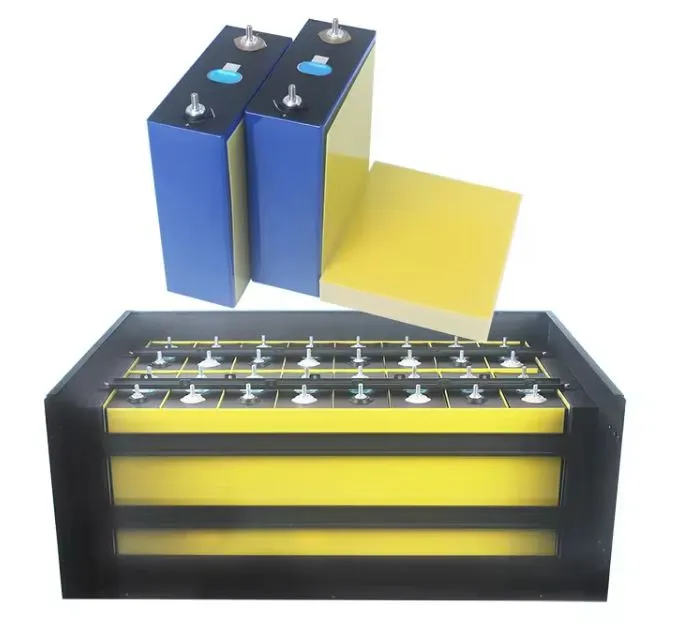
Understanding 3240 Epoxy Resin and Its Role in Battery Safety
What This Material Actually Is
Grade 3240 epoxy laminate is a thermosetting composite made of woven E-glass fabric that is free of alkalis. It is bonded with an epoxy phenolic resin system and then hardened under heat and pressure. This makes a stiff, yellow sheet that can be bought in thicknesses ranging from 0.5 mm to 100 mm. It comes in sheets that are 1020 mm × 2020 mm, which makes it easy to cut to make custom parts for battery packs.
How It Maintains Structural Integrity
The process of curing makes a chemical network that is very thick. This makes the sheet strong enough to bend up to 484 MPa and compress up to 401 MPa. These are enough strengths for it to work as a load-bearing cell separator or end plate even after many charge-discharge cycles. This mechanical resistance does a good job of controlling cell growth, which is one of the main reasons internal batteries fail.
Dielectric Performance in High-Voltage Environments
After being soaked, the insulation resistance is 4.1 × 10−ⱦ, and the parallel layer breakdown voltage is 90 kV. These numbers show that the material stays electrically isolated even when it's wet or very hot, which is often the case inside sealed battery cases.
Common Safety Risks and How This Epoxy Laminate Addresses Them
Short Circuits and Galvanic Isolation Failures
Any unintended contact between the positive and negative conductors of a lithium battery pack can create a short circuit, and even a conductive dust particle can contribute to this risk. Using Lithium Battery Pack 3240 Epoxy Resin between battery cells and busbars can provide both physical and electrical separation, helping reduce the possibility of accidental contact. The insulating structure of Lithium Battery Pack 3240 Epoxy Resin creates a durable barrier between conductive components while maintaining the required dielectric performance. In addition, the smooth, non-porous surface of Lithium Battery Pack 3240 Epoxy Resin can help limit the accumulation of conductive contamination on the insulation surface. For battery manufacturers, incorporating Lithium Battery Pack 3240 Epoxy Resin into cell and busbar insulation designs can provide an additional layer of protection against electrical contact and contamination-related short-circuit risks.
Thermal Runaway Prevention
Thermal runaway is still one of the most dangerous ways for batteries to fail. If one cell gets too hot, it can set off a chain reaction that can burn the whole pack. JingHong's Grade A 3240 sheet has a V-0 flammability rating, which means it goes out on its own in seconds and doesn't drip flaming particles. This is a direct defense against temperature rise. The deflection temperature under pressure is higher than 140°C, which makes sure that the material stays in shape when temperatures rise above usual.
Mechanical Stress From Vibration and Impact
Electric vehicles, AGVs, and industrial equipment all have battery packs that are constantly being shaken. Epoxy laminates with a high parallel layer impact strength (59.4 KJ/m² for Grade A) can handle shocks from moving objects without breaking or delaminating. This keeps the electrode assemblies from coming loose inside, which is known to cause cells to fail in mobile applications.
These three types of risk are the most common reasons why lithium batteries are recalled or fail in the field. This laminate type is really useful in production settings because it can handle all three with a single insulating material.
Comparing 3240 Epoxy Laminate With Alternative Insulation Materials
Silicone vs. Epoxy Laminate
Silicone is often used in consumer-grade products because it can handle changes in temperature well. But because it has a low modulus of elasticity and compression strength, it can't be used to separate structure cells. In places with a lot of load, like industrial ESS racks, silicone insulation pads permanently flatten out over time, making the isolation space smaller.
Polyurethane Resins vs. Epoxy Laminates
Insulation materials made of polyurethane work well at room temperature, but they tend to get soft above 100°C, which is not what battery packs need during peak discharge or fast charging. Epoxy fiberglass laminates stay stiff above 140°C and absorb much less water, so they keep their insulating properties even in damp situations for long periods of time.
Cost and Long-Term Value
When evaluating total cost of ownership, Lithium Battery Pack 3240 Epoxy Resin can offer economic advantages through its dimensional stability, chemical resistance, and long service life. Its low curing shrinkage of less than 2% can help reduce additional machining or adjustment work for precision battery components, supporting more efficient manufacturing. The chemical resistance of Lithium Battery Pack 3240 Epoxy Resin to electrolyte fluids can also help limit material degradation during long-term operation, potentially reducing the frequency of insulation replacement. By maintaining stable mechanical and electrical properties over extended service periods, Lithium Battery Pack 3240 Epoxy Resin can contribute to longer component service life and more predictable maintenance planning. For battery manufacturers and procurement teams, choosing Lithium Battery Pack 3240 Epoxy Resin can therefore support lower lifecycle costs by reducing secondary processing, replacement requirements, and material consumption over the production and operating cycle.
Procurement Guidance for B2B Buyers
It takes more than looking at a document to find epoxy laminate that can be used in battery uses. Before making a commitment to a seller, buyers should make sure of the following:
- ISO certifications: Confirm the supplier holds ISO 9001 (quality), ISO 14001 (environmental), and ISO 45001 (occupational safety) certifications. JingHong holds all three and operates a fully automated production facility covering 36,300 m².
- Sample testing before bulk orders: Request material samples and conduct independent testing for breakdown voltage, bending strength, and water absorption. This protects against batch inconsistencies in large-volume sourcing.
- CNC machinability verification: Battery pack components often require tight tolerances. Confirm that the material can be drilled, routed, and cut without delamination. Grade 3240 sheets machine cleanly and hold dimension well after cutting.
- MOQ and logistics alignment: JingHong's minimum order quantity is 500 kg, with support for ocean, land, and air freight. Their in-house logistics team handles customs documentation and pallet-protected packaging, reducing damage risk during transit.
- Payment terms and lead time transparency: T/T payment is accepted, and orders placed directly with the manufacturer receive production priority — a practical advantage for time-sensitive procurement cycles.
By checking these things before making an order, buyers can avoid the most common risks that come with getting insulation materials.
Environmental and Long-Term Considerations
Compliance With Environmental Standards
JingHong manufactures Lithium Battery Pack 3240 Epoxy Resin in accordance with ISO 14001-aligned environmental management practices. The epoxy laminate formulation of Lithium Battery Pack 3240 Epoxy Resin is designed without substances restricted under common international compliance frameworks, helping manufacturers address material requirements in regulated markets. For companies supplying battery components and electrical insulation products internationally, Lithium Battery Pack 3240 Epoxy Resin can support procurement requirements where environmental management and material compliance are important considerations. By combining controlled manufacturing practices with a formulation designed for international compliance needs, Lithium Battery Pack 3240 Epoxy Resin provides a practical material option for manufacturers serving regulated markets and global supply chains.
Long-Term Durability Under Cycling Conditions
How well battery insulation materials work after hundreds of charge-discharge cycles is something that is often overlooked. Because 3240 laminate doesn't absorb much water (39.9 mg for Grade A) and has stable dielectric properties, insulation resistance doesn't change much over the battery pack's useful life. This directly backs up longer guarantees on products.
Capacity and Supply Chain Stability
JingHong's two plants produce a total of 43,000 tons of insulation board every year, making them one of the biggest companies that makes insulation board. This scale makes the supply chain stable for buyers who need the same batch quality for large orders, with no changes to the material specifications from one batch to the next.
Conclusion
The 3240 epoxy fiberglass laminate is a practical material for reducing insulation and safety risks in lithium battery manufacturing. Lithium Battery Pack 3240 Epoxy Resin combines high electrical strength, flame resistance, mechanical durability, and chemical stability, providing multiple layers of protection for demanding battery applications. These properties make Lithium Battery Pack 3240 Epoxy Resin suitable for insulation components where electrical separation, structural stability, and resistance to harsh operating conditions are important. For battery cell separators, end plates, and arc barriers, Lithium Battery Pack 3240 Epoxy Resin can provide consistent and measurable material performance when produced under controlled manufacturing standards. Battery manufacturers evaluating insulation materials can also use Lithium Battery Pack 3240 Epoxy Resin when they need a material with documented specifications and repeatable quality for different battery designs. With its combination of electrical, thermal, mechanical, and chemical properties, Lithium Battery Pack 3240 Epoxy Resin offers a reliable option for insulation applications throughout the lithium battery production process.
FAQ
What thickness options are available for 3240 epoxy laminate sheets?
JingHong produces 3240 epoxy sheets in thicknesses ranging from 0.5 mm to 100 mm, with a standard sheet size of 1020 mm × 2020 mm. Custom sizes are available for battery pack-specific applications.
Is 3240 epoxy laminate suitable for high-voltage battery systems?
Yes. The vertical layer breakdown voltage is 15.5 kV/mm and the parallel layer breakdown voltage reaches 90 kV, making it appropriate for high-voltage battery module insulation.
What is the minimum order quantity?
The MOQ is 500 kg. Orders placed directly with JingHong receive production priority, which helps shorten lead times for urgent procurement needs.
How does this material compare to FR4?
Both are epoxy fiberglass laminates, but 3240 is optimized for structural mechanical strength and cost-effective insulation in battery packs, while FR4 offers higher flame retardancy ratings. Selection depends on the specific application requirements.
Does JingHong offer CNC-machined components?
The material is fully CNC machinable — it can be cut, drilled, and routed to custom dimensions. Contact the team at info@jhd-material.com to discuss part-level fabrication options.
Get a Quote for Lithium Battery Pack 3240 Epoxy Resin From J&Q
J&Q is a reliable Lithium Battery Pack 3240 Epoxy Resin supplier for B2B buyers in the U.S. and beyond. JingHong has more than 20 years of experience making insulating sheets, and J&Q has a dedicated foreign trade team with more than 10 years of experience shipping goods between countries. We offer examples, custom sizes, and all-in-one transportation help. To get a quote right away, email us at info@jhd-material.com or go to blog.jhd-material.com.
References
1. Doughty, D. H., & Roth, E. P. (2012). A general discussion of Li-ion battery safety. The Electrochemical Society Interface, 21(2), 37–44.
2. Feng, X., Ouyang, M., Liu, X., Lu, L., Xia, Y., & He, X. (2018). Thermal runaway mechanism of lithium-ion battery for electric vehicles: A review. Energy Storage Materials, 10, 246–267.
3. Hossain, S. (1995). Lithium batteries: Science and technology. Springer.
4. IEC 60893-3: Industrial rigid laminated sheets based on thermosetting resins for electrical purposes. (2003). International Electrotechnical Commission.
5. Vetter, J., Novák, P., Wagner, M. R., Veit, C., Möller, K. C., Besenhard, J. O., & Wohlfahrt-Mehrens, M. (2005). Ageing mechanisms in lithium-ion batteries. Journal of Power Sources, 147(1–2), 269–281.
6. Warner, J. T. (2015). The Handbook of Lithium-Ion Battery Pack Design. Elsevier.

Get a complete product list and quotation

J&Q New Composite Materials Company



