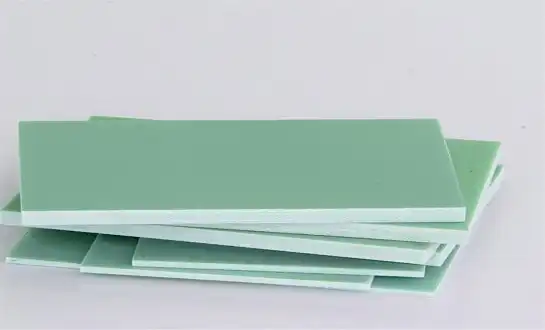
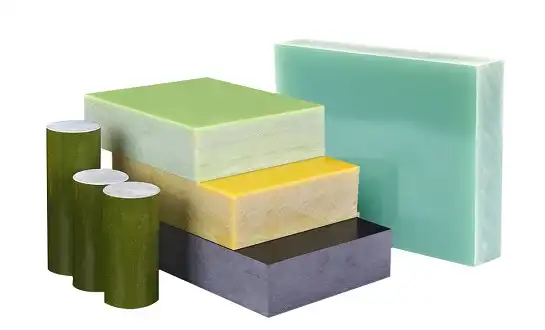
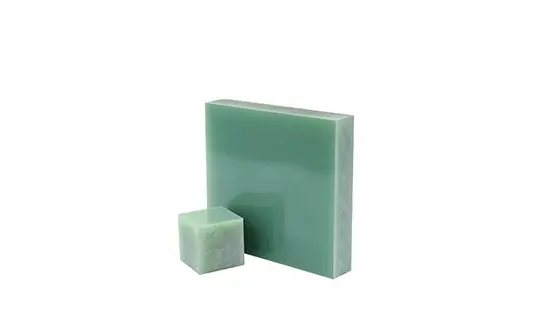
3026 Phenolic Cotton Laminated Sheet Supports Electrical and Mechanical Insulation Applications
When engineers and procurement specialists search for dependable insulation materials, the 3026 Phenolic Cotton Cloth Laminated Sheet consistently appears on the shortlist. Made from cotton fabric layers saturated with phenolic resin and formed through high-temperature pressing, this thermosetting laminate delivers a proven balance of electrical insulation and mechanical toughness. Whether used in motor assemblies, transformer oil environments, or gear components, its performance under real industrial conditions makes it a practical and trusted choice for professionals across multiple sectors.
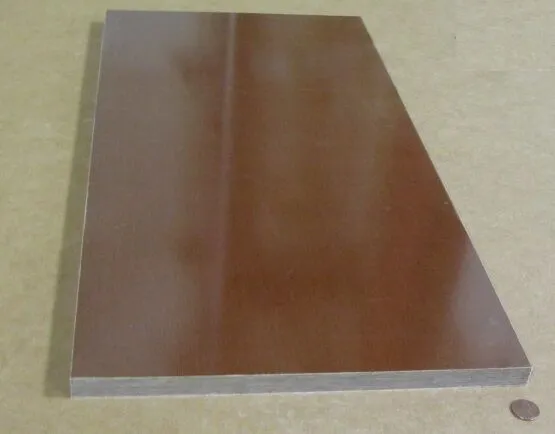
Understanding 3026 Phenolic Cotton Laminated Sheets: Properties and Manufacturing
How the Material Is Made
To start the process of making something, spun cotton cloth is soaked in liquid phenolic resin. In a hot-press process, controlled heat and pressure are used to fix several layers at once. The process of bonding locks the threads together into a hard structure that doesn't change shape. Hongda can make 13,000 tons of this laminate every year, which shows that the process is well-developed and the quality stays the same at large scale.
Core Physical and Electrical Properties
Strong dielectric properties are present in the finished sheet, and its surface resistivity values meet standard requirements for electrical insulation. It can handle impact and compression loads better than paper-based laminates of the same thickness. The material comes in standard sheet sizes of 1220 mm × 2020 mm and thicknesses ranging from 0.5 mm to 100 mm. It can be used for a lot of different manufacturing tasks without the need for a lot of special tools.
Quality and Compliance Standards
If you look at NEMA Grade C and ISO/IEC classifications for cotton-reinforced phenolic laminates, this phenolic cotton laminate is very similar to them. It works effectively at temperatures up to 120°C (248°F) for long periods of time, which puts it in the Class E insulation group. Before sending out their goods, manufacturers with well-established quality systems test each batch for electrical resistance, physical error, and flexural strength.
Advantages of 3026 Phenolic Cotton Laminated Sheets Compared to Other Laminates
Before you source, you should think about these main differences in performance:
- Versus paper laminates: Cotton cloth provides significantly higher impact strength and resistance to delamination. Paper grades tend to fracture under shock loads, while cotton-reinforced boards absorb energy without cracking.
- Versus fiberglass epoxy laminates: Phenolic cotton boards machine more cleanly into thick mechanical parts like gears and bushings. Fiberglass grades offer better performance in high-humidity electrical applications but are less forgiving during heavy-cut machining.
- Versus melamine laminates: Cotton phenolic sheets handle oil immersion far better, making them suitable for transformer oil environments where melamine boards would absorb fluid and degrade.
When you're buying something, these differences matter because the wrong laminate grade means more replacements and higher total maintenance costs. Since phenolic cotton sheets are less expensive than epoxy glass grades, they are a good choice for mechanical insulation tasks where resistance to wetness is not the most important factor.
Applications of 3026 Phenolic Cotton Laminated Sheets in Electrical and Mechanical Insulation
Use in Electrical Equipment
This stuff is used as arc barrier sheets and insulating spacers in switchgear panels and circuit breaker assemblies. Its dielectric strength stops current from going in the wrong direction, and its rigidity keeps parts in the right place when the system is shaking. Manufacturers of transformers also use this grade for coil supports and winding spacers that are put inside tanks that are full of oil.
Mechanical and Structural Uses
Thanks to the coarse-weave cotton support, 3026 Phenolic Cotton Cloth Laminated Sheet is well suited for making machined parts. People often use this material to make gears, guide wheels, saw guides, and bearing bushings. When a phenolic cotton gear meshes with a metal gear, it reduces noise transfer and eliminates the need for heavy lubrication. This practical benefit makes it especially useful in textile machinery and printing equipment.
Performance in Motor and Industrial Equipment
This material is used for structural insulation in motor housings and frames by motor makers. It can hold a lot of weight and doesn't wear down easily, so it can be used in spinning machinery where rotational stress would quickly crack weaker laminates. The substance can also be exposed to generator oil without getting swollen or losing a lot of its mechanical power.
Procurement Insights: Buying 3026 Phenolic Cotton Laminated Sheets for Your Business
Getting insulation laminates from a well-known company greatly lowers the risk of supply. Hongda ships goods all over the world by sea, land, and air. They accept T/T payments and require a minimum order quantity of 500 kg. Standard sheets are put on pallets to protect them during shipping, and custom sizes can be made to cut down on waste from cutting later.
When procurement teams look at 3026 Phenolic Cotton Cloth Laminated Sheet suppliers, they should make sure of the following:
- Certification documentation aligned with NEMA or IEC laminate standards
- Consistent thickness tolerances across production batches
- Sample availability before committing to full orders
- Lead time transparency and logistics support for cross-border shipments
— Clear lead times and help with transportation for packages crossing borders
Maintenance and Longevity of 3026 Phenolic Cotton Laminated Sheets
Storage and Handling Practices
Keep sheets flat in a dry, temperature-controlled place out of direct sunlight. Some cotton-reinforced phenolic laminates can absorb water, and being exposed to high humidity for a long time can change the electrical properties of the surface. Keeping sheets on flat pallets keeps them from warping while they are being stored for a long time.
Cleaning and Surface Care
Use a dry or slightly wet cloth to wipe down surfaces. Strong alkaline solutions or chlorine solvents can damage the resin matrix over time, so don't let them touch it for long periods of time. It's not necessary to do anything extra to parts that work in oily settings other than regular mechanical inspections.
Signs of Wear and Replacement Timing
Machined parts like gears and joints should be checked for surface cracks, delamination, or physical wear on a regular basis. Most of the time, cotton-reinforced phenolic parts wear out slowly over time instead of breaking suddenly. This gives maintenance teams time to plan replacements before unexpected downtime happens.
Conclusion
The 3026 Phenolic Cotton Cloth Laminated Sheet is a useful and well-known insulation material that can be used in industrial, power, automobile, and appliance industries for both electrical and mechanical uses. Because it is tough against impacts, doesn't absorb oil, and can be machined easily, it is often used when paper or melamine laminates don't work well. This material meets the needs of serious procurement teams because it has consistent production quality, a full thickness range, and shipping support around the world. Getting the right grade and provider the first time lowers the risk of the project and helps keep production plans on track.
FAQ
What certifications should I look for when buying phenolic cotton laminates?
Check to see if the materials have been tested against NEMA LI-1, IEC 60893, or national standards that are similar. Suppliers should give test results on the material that include its dielectric strength, bending strength, and ability to absorb water. One more sign of process consistency is when a factory is certified to ISO 9001 quality management systems.
Can the sheet be cut to custom sizes?
Yes. Standard sheets are 1220 mm × 2020 mm, but makers can make sheets in any size. From 0.5 mm to 100 mm thick, you can choose from thin insulation films to thick mechanical blanks for making gears and bushings. Confirming limits during the order process keeps fitting issues from happening later on.
How does thermal resistance compare to fiberglass laminates?
This type of phenolic cotton can handle 120°C of constant work (Class E). Most fiberglass epoxy laminates have ratings of Class B (130°C) or Class F (155°C). When temperatures are above 120°C or when there is a lot of moisture in the air, glass-epoxy grades are better.
Is this material safe to machine in a workshop?
Standard tungsten tools can be used to cut it. Because phenolic dust is irritating to the lungs, it needs to be extracted. When you control the feed rate and spindle speed, you can get clean edges without fraying the cotton reinforcement.
Partner With J&Q for Your Insulation Material Needs
You can get Hongda's 3026 Phenolic Cotton Cloth Laminated Sheet directly from J&Q. The quality of the product has been checked, and you can buy any quantity. J&Q also offers global shipping with the help of an in-house freight team. We are a reliable 3026 Phenolic Cotton Cloth Laminated Sheet maker with more than 20 years of experience. We help engineers and sourcing teams from the time they ask for a sample until they receive the full order. Please email our expert team at info@jhd-material.com or go to blog.jhd-material.com to get a price right away.
References
1. NEMA LI 1: Industrial Laminating Thermosetting Products — National Electrical Manufacturers Association, 2020.
2. IEC 60893-3: Specification for Industrial Rigid Laminated Sheets Based on Thermosetting Resins — International Electrotechnical Commission, 2003.
3. Electrical Insulation Materials: Handbook of Properties and Applications — Brydson, J.A., Plastics Materials, Butterworth-Heinemann, 2017.
4. Thermosetting Polymers in Industrial Applications — Journal of Applied Polymer Science, Wiley, 2019.
5. Mechanical Properties of Cotton-Reinforced Phenolic Composites — Composites Part B: Engineering, Elsevier, 2018.
6. Standard Test Methods for Electrical Insulating Laminates — ASTM International, ASTM D709, 2021.

Get a complete product list and quotation
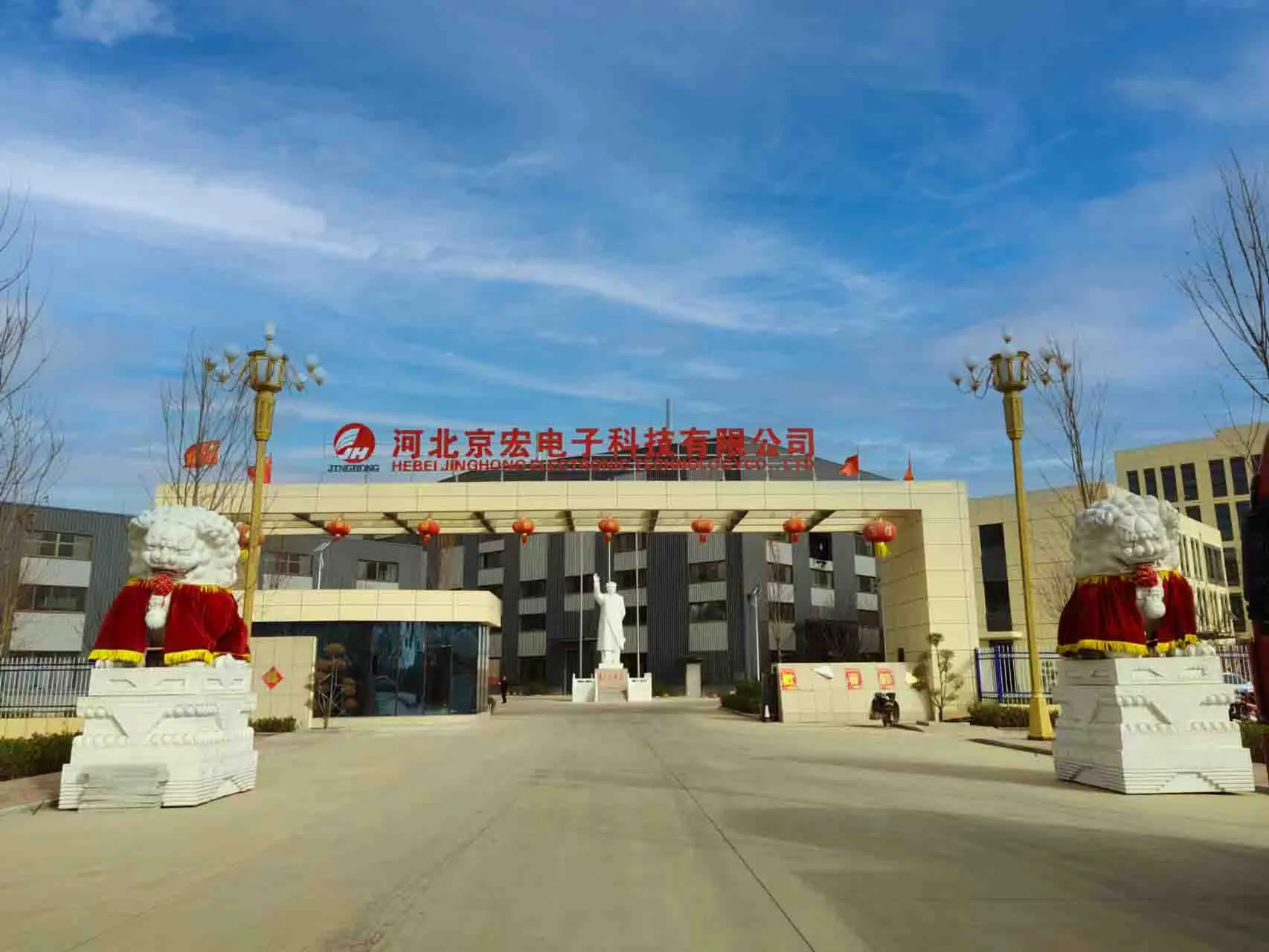
J&Q New Composite Materials Company