Can Phenolic Cotton Sheet Improve Performance of Heavy-Duty Mechanical Assemblies?
Yes — and the answer is backed by material science, not just marketing. Phenolic cotton sheet is a high-pressure laminated composite made from woven cotton fabric layers bonded with phenolic resin, cured under heat and pressure exceeding 150°C. In heavy-duty mechanical assemblies, it addresses real pain points: it absorbs vibration that metal-to-metal contact cannot, resists chemical exposure that degrades standard polymers, and provides a structural "fail-safe" when overloaded. For engineering managers and procurement teams sourcing insulation and mechanical components, this material deserves serious consideration.
Understanding Phenolic Cotton Sheets: Properties and Manufacturing
How It's Made
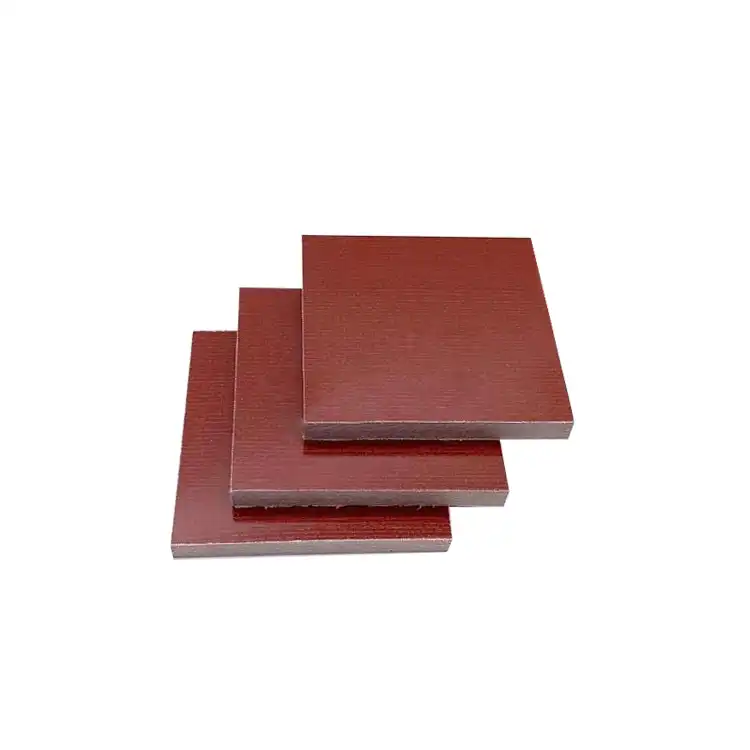
Multiple layers of knitted cotton cloth are saturated with phenolic resin, and then they are stacked and pressed at a controlled high temperature and pressure. This process makes a dense composite that doesn't have any holes in it and has consistent internal bonding. This makes a Phenolic Cotton Sheet that will always behave the same way when it's loaded, which is a quality that procurement teams depend on when they need to specify mechanical parts.
Key Physical Properties
The material has a number of qualities that are important in industrial settings. It has good mechanical strength, doesn't absorb much water, stays the same size, and naturally reduces vibrations. Because of its high dielectric strength, it can also be used in places where electrical protection and structural performance are needed at the same time. Few materials can match this dual-function benefit.
How It Compares to Other Phenolic Variants
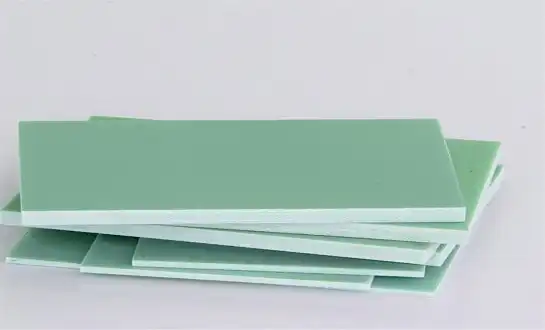
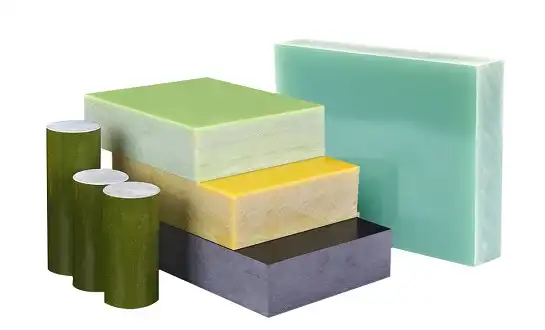
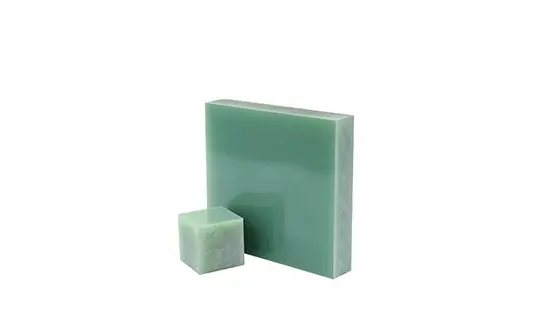
Paper is used as a reinforcement layer in phenolic paper sheets, which makes them less resistant to impact. Fiberglass-reinforced epoxy laminates are better at blocking electricity, but they break more easily when hit with force. Phenolic Cotton Sheet is a good compromise because it is stronger than paper-based grades when hit, but cheaper than glass-reinforced options when mechanical performance, not pure dielectric strength, is the most important factor.
Why Phenolic Cotton Sheets Are Ideal for Heavy-Duty Mechanical Assemblies
Heavy-duty systems have to deal with heat, chemicals, wear, and repeated mechanical stress. How long equipment works before breaking down is directly related to the materials that are used to make these systems. Phenolic Cotton Sheet deals with several of these failure modes at the same time.
Vibration and Noise Reduction
It is well known that cotton-reinforced phenolic laminates can reduce mechanical shaking, which is one of their many benefits. Using Phenolic Cotton Sheet gears instead of metal pinions in gear systems, especially in textile machines and paper mills, lowers noise levels while keeping power capacity the same. This isn't just for comfort; less shaking makes bearings last longer and lowers the stress on linked parts that wear out.
Thermal and Chemical Resistance
The material can stand up to moderate temperatures that are used continuously in most industrial settings. It can also handle oils, weak acids, and common industrial solvents. In fluid-lubricated bearing uses, it doesn't degrade like metals that haven't been treated. cotton-fabric phenolic bushings have been used by marine engineers for a long time in stern tube and rudder systems, where water acts as a lubricant and metal would stop up in the same situations.
Mechanical Fail-Safe Behavior
One useful reason why machinery builders like this stuff is that if a Phenolic Cotton Sheet gear gets stuck or overloaded, it tears instead of locking up the driveline. This keeps the steel shaft and drive parts from getting seriously damaged. In business, a used Phenolic Cotton Sheet gear is a cheap replacement. When a steel shaft breaks, work stops.
Because of these features, cotton-reinforced phenolic laminates are a good choice for mechanical spacers, wear strips, bushing inserts, terminal boards, and heavy equipment's load-bearing structural supports.
Selecting the Right Phenolic Cotton Sheet for Your Application
Not all grades perform identically, and choosing the wrong specification wastes both money and time. Before you place an order, think about these things.
Load and Environmental Requirements
Begin with the conditions of use. How much weight can the part hold? Is it going to come into contact with chemicals, oils, or water? What temperature range do you think it will be in? For example, a bushing in a naval bearing that is lubricated with water needs different specs than a gear blank in a textile machine that runs without oil. When you match the grade to the surroundings, you stop early wear and replacement rounds.
Thickness and Dimensional Tolerance
The stiffness and load-bearing capacity of a sheet are directly related to its thickness. Tight thickness tolerance is a must for CNC-machined parts like gears, spacers, and special mounts. Ask your supplier to write down the tolerance ranges for each sheet. For structural panels or insulation barriers, sheets that are thicker might be better. For precision-machined parts, however, sheets that are the same density all the way through are more important than sheets that are thicker.
Supplier Evaluation Criteria
Here are some things you should look for in a business-to-business (B2B) provider of Phenolic Cotton Sheet laminates:
- Certifications: Does the seller have ISO or a similar quality management certificate? Are the materials in line with the standards for the industry?
- Customization: Is it possible for them to cut, machine, or profile sheets to match your drawing? This is important for OEM sourcing because standard sizes don't always work.
- MOQ flexibility: You shouldn't have to keep extra inventory on hand for both small trial runs and big production orders.
- Logistics capability: Suppliers who handle freight management in-house make wait times more predictable and make import paperwork easier.
By looking at these things about sellers, you can lower the risk of buying things and make the supply chain more stable over time.
Practical Applications and Case Studies in Heavy-Duty Mechanical Assemblies
Gear and Transmission Components
In the textile industry, steel pinions have been replaced with cotton-fabric phenolic gears in high-speed loom drives. Field data from machinery repair teams regularly shows that lubrication gaps get longer and noise levels go down. The gears wear out slowly instead of all at once, and since the material can be machined, it's easy to make new parts in-house or quickly find them elsewhere.
Bearing Surfaces and Bushings
Phenolic Cotton Sheet bushings work well in hydraulic and marine systems, whether they are lubricated with oil or water. Unlike sintered bronze or PTFE composites, this material doesn't change size when the temperature changes, and it has enough compressive strength. In situations where metal wouldn't work because of corrosion and softer polymers can't handle the load, cotton-reinforced laminates reliably fill the gap.
Electrical Structural Components in Switchgear
The material is good for switching panels and terminal boards in low- to medium-voltage settings because it is structurally stable and has moderate dielectric qualities. This means it can handle high mechanical forces. Engineers at power distribution companies have used Phenolic Cotton Sheets to support busbars and make arc barriers, where the assembly has to stay in place while being stressed by both electricity and gravity.
These real-world uses show that the material works, not just on paper, but also in long-term use in harsh industrial conditions.
How to Procure Phenolic Cotton Sheets Efficiently for Your Business
Start With a Clear Specification
Write down your needs before you call any suppliers. Write down the sheet's size, thickness limit, number, surface finish, and any machining or compliance needs. A clear technical specification cuts down on back and forth and makes the quoting process go much faster.
Navigate MOQ and Shipping
Most industrial sellers set minimum order amounts based on the size of the production batch. If you only need a small amount at first, look for suppliers that offer trial quantities or sample cuts. For regular large orders, talk about blanket agreements that let you set times for releases. This way, you can avoid keeping a lot of inventory on hand and keep prices stable. When suppliers handle their own operations, they can combine packages and lower the cost of freight per unit, especially for orders going to other countries.
Build a Long-Term Supplier Relationship
An honest supplier is more than just a price source. Look for providers who can give you expert advice, answer your questions about specifications correctly, and make sure that the quality of each batch is the same. Over time, a good relationship with your source gives you priority access when materials are short and helps you solve quality problems more quickly.
Conclusion
Phenolic Cotton Sheet really does improve the performance of heavy-duty mechanical systems. It's not a high-end replacement, but a useful engineering material that has been shown to be better at stopping vibrations, resisting chemicals, and being mechanically fail-safe. The material is a great choice for engineers and purchasing teams working on industrial machinery, power systems, and making cars because it has a great balance of performance and cost. That promise can be turned into real operational results by picking the right grade, working with a reliable provider, and being clear from the start.
FAQ
What temperature can phenolic cotton sheet withstand?
Standard grades work reliably in continuous service up to about 120°C, though some grades have a slightly higher short-term tolerance. This is good for most industrial mechanical assembly settings, but applications that will be exposed to high temperatures for a long time should check with the supplier about the exact grade rating.
How does it compare to fiberglass laminate in mechanical applications?
Fiberglass epoxy laminates are better at handling electricity and have a higher insulating strength. Phenolic Cotton Sheet, on the other hand, is better at resisting impacts and vibrations, which makes it better for mechanical parts like gears, bushings, and structural spacers where shock absorption is important.
Can phenolic cotton sheets be custom-cut or machined?
Yes. You can drill, mill, turn, and saw the material without any problems using standard CNC tools. Suppliers who have their own machining facilities can send you finished parts that are made to your drawings, which cuts down on the steps you have to take to make them.
Is the material suitable for wet or oil-lubricated environments?
When rated correctly, phenolic cotton laminates work well in both oily and wet situations. Bearings are often used in marine environments. But being submerged in water for a long time at high temperatures may change the size, so talk to your source about uses that will be submerged or have a lot of moisture.
Get Your Phenolic Cotton Sheet Quote From J&Q Today
J&Q has been making insulated sheets for more than 20 years and has been doing business internationally for more than 10 years. As a reliable phenolic cotton sheet manufacturer with an in-house transportation team, we take care of everything, from choosing the right materials to delivering them right to your door. Our technical team is ready to help you whether you need standard sheets, parts that are made just for you, or sample quantities to try before you buy. To get a price, email us at info@jhd-material.com or go to blog.jhd-material.com.
References
1. Brydson, J. A. Plastics Materials (7th ed.). Butterworth-Heinemann, 1999.
2. Harper, C. A. Handbook of Plastics Technologies. McGraw-Hill, 2006.
3. NEMA Standards Publication LI 1. Industrial Laminated Thermosetting Products. National Electrical Manufacturers Association, 2020.
4. Ashby, M. F., & Jones, D. R. H. Engineering Materials 2: An Introduction to Microstructures and Processing (4th ed.). Elsevier, 2012.
5. IEC 60893-3. Industrial Rigid Laminated Sheets Based on Thermosetting Resins for Electrical Purposes. International Electrotechnical Commission, 2003.
6. Rosato, D. V., & Rosato, M. G. Reinforced Plastics Handbook (3rd ed.). Elsevier, 2004.

Get a complete product list and quotation
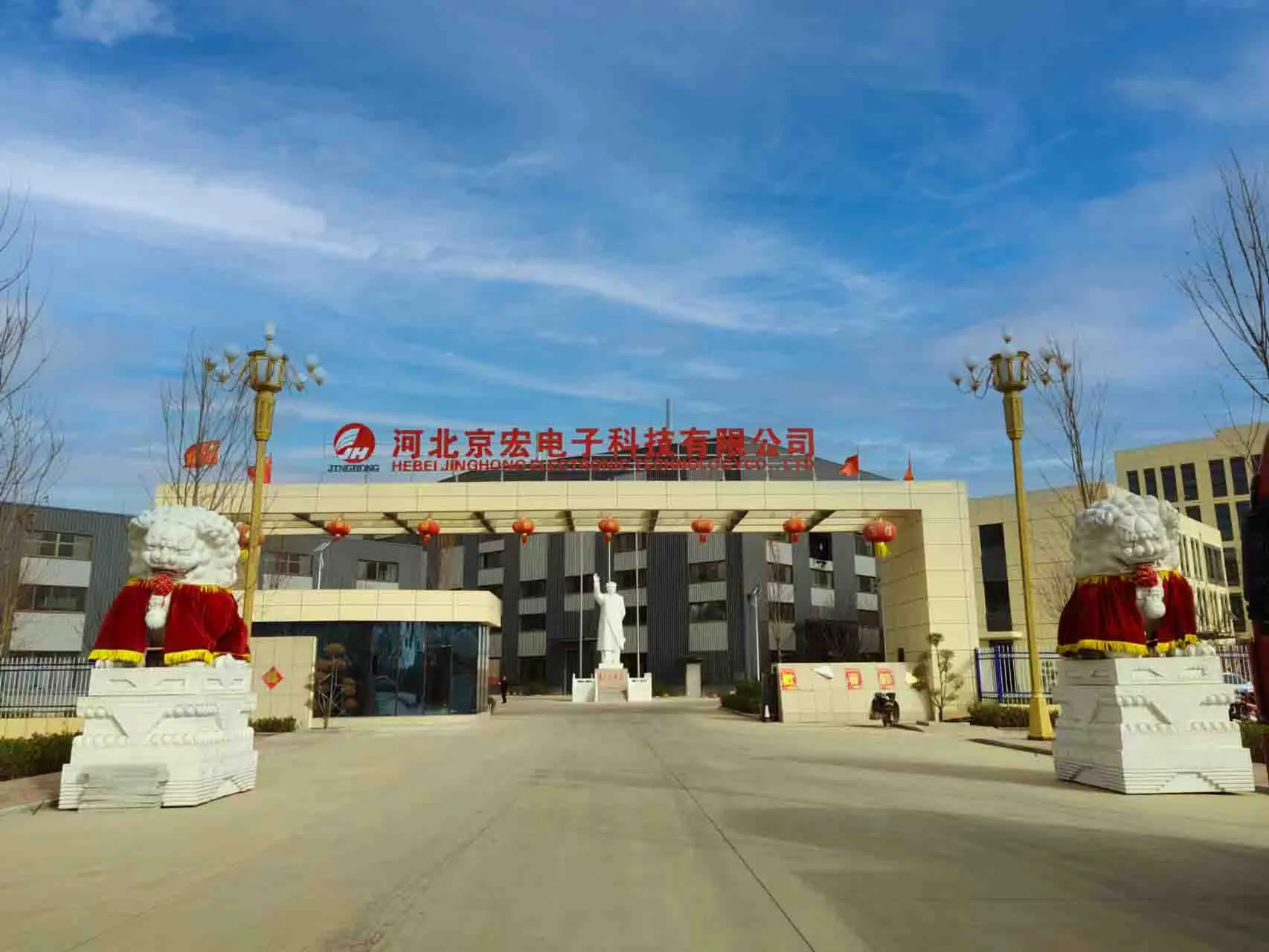
J&Q New Composite Materials Company