Can 3026 Phenolic Cotton Cloth Laminated Sheet Improve Component Durability in Machinery?
Yes — and the answer is backed by decades of industrial application. The 3026 Phenolic Cotton Cloth Laminated Sheet is manufactured by impregnating cotton fiber layers with phenolic resin, then forming the material through baking and hot pressing. The result is a dense, thermosetting laminate that delivers reliable mechanical strength, solid electrical insulation, and resistance to wear under continuous load. For machinery builders, OEM engineers, and electrical component manufacturers, this material consistently reduces replacement frequency and extends the working life of critical parts.
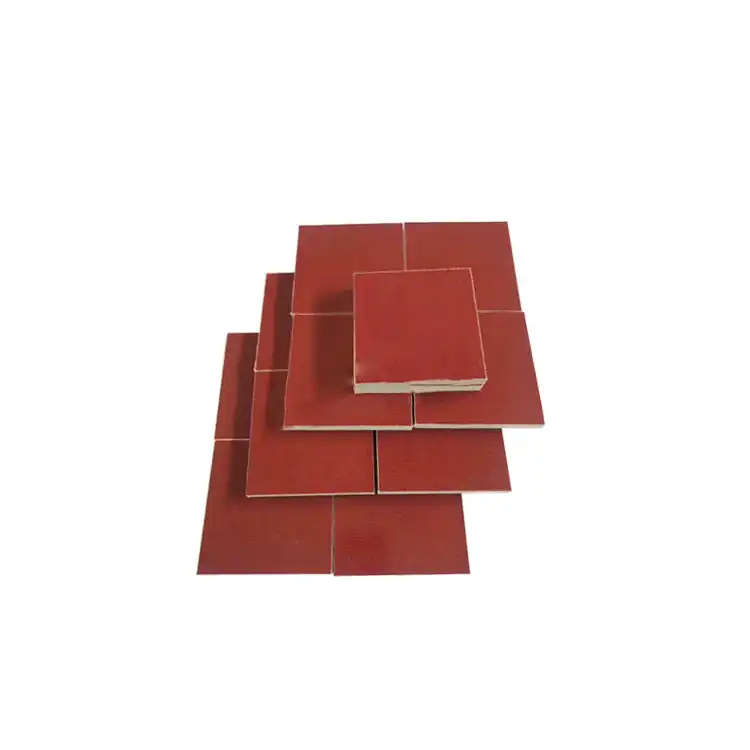
Understanding 3026 Phenolic Cotton Cloth Laminated Sheet
What Is It Made Of?
Wet coarse-weave cotton cloth is pressed with phenolic resin under controlled heat and pressure to make this laminated sheet. The strong backbone is made up of cotton fibers, and the cured phenolic resin matrix holds everything together. This material is made by Hongda and comes in widths from 0.5mm to 100mm. The normal sheet size is 1220mm × 2020mm, which is a flexible size that works for most industrial fabrication needs.
Key Physical Properties
The material has a good mix of qualities that many industrial laminates at the same price point can't match. With a Class E heat grade, it can work continuously at temperatures up to 120°C. Its tensile and compressive strengths are higher than those of many kinds of phenolic paper, and its lower coefficient of friction makes it good for use in rolling and rotating contact situations. Because of these qualities, it is a good choice for parts that are stressed over and over again.
Industry Standards and Specifications
ISO/IEC PF CC 201 and NEMA Grade C both agree with the 3026 grade. Teams in charge of buying things should ask for material test certificates that show they meet these standards. Hongda can produce 13,000 tons of goods every year, which helps keep the quality of each batch uniform, which is very important for OEMs who are bidding on large projects.
How This Phenolic Laminate Improves Component Durability
Wear Resistance in Moving Parts
When phenolic cotton laminate is made into gears, guide wheels, or saw guides, it makes metal parts that fit together last a lot longer. A phenolic cotton gear absorbs vibrations and has less friction than metal-on-metal contact. This directly means that there will be fewer service interruptions and longer breaks between repair rounds.
Thermal and Chemical Stability
3026 Phenolic Cotton Cloth Laminated Sheet stays stable in shape in environments where temperatures fluctuate or where oil and mild chemicals are frequently present. It performs well when submerged in transformer oil, which is why it is commonly used to support coils and maintain structural separation in oil-immersed transformer assemblies. This chemical compatibility gives engineers in the power sector confidence in its long-term use.
Electrical Insulation Performance
When used normally, the mixture of cotton fiber and phenolic resin makes a material with good dielectric qualities. This insulation performance adds an extra layer of safety to motor parts, switchgear frames, and mechanical-electrical assemblies. For wet high-voltage situations, glass-epoxy grades are needed. This laminate, on the other hand, does a good job of insulating most medium-voltage structural applications.
Comparison With Other Industrial Laminates
When picking between laminate types, you need to be honest about the trade-offs in performance. This is how the phenolic cotton cloth grade compares to other items:
- Phenolic Paper Laminate (Grade XX): Lower impact strength and poor moisture resistance. It costs less but degrades faster under mechanical load, making it unsuitable for gear or bearing applications where cotton grades perform well.
- Epoxy Glass Cloth Laminate (FR4/G10): Better electrical insulation and moisture resistance, but considerably more expensive. For pure mechanical applications, the cost premium of epoxy glass is rarely justified when phenolic cotton delivers adequate performance.
- Polyester Laminate: Lighter and easier to machine, but lacks the temperature stability needed for continuous-duty industrial use. Not recommended for applications above 100°C.
- Fiberglass Laminate: Strong and electrically capable, but brittle under sharp impact. In high-vibration machinery, phenolic cotton absorbs shock more effectively due to its fiber architecture.
These differences help show that 3026 Phenolic Cotton Cloth Laminated Sheet works best in mechanical and structural roles in machines where cost-effectiveness, impact resistance, and oil compatibility are the most important factors.
Practical Guidelines for Selection and Use
Matching Grade and Thickness to Your Application
The load profile and clearance tolerances of your component design will help you choose the right sheet thickness. Thick sheets (above 20 mm) give heavy-duty gears in rolling mills or textile machines the cross-sectional strength they need. Sheets between 0.5 mm and 5 mm thick work well for spacers, insulation pads, and thin building plates. Make sure you know the supplier's width tolerances before you place a large order.
Machining and Fabrication Best Practices
With a slow feed rate and a fast spinning speed, high-speed carbide tools work well to bond phenolic cotton cloth. This keeps the cotton reinforcement from fraying where it's been cut. When machining, you have to use dust-cleaning tools because phenolic dust is dangerous to your health. To keep cut areas from getting wet, it's best to use cooling air instead of liquid water.
Supplier Evaluation and Procurement Tips
A few checks help B2B procurement teams keep quality high during long production runs. Ask for certificates of materials, such as 3026 Phenolic Cotton Cloth Laminated Sheet, that show they meet NEMA/ISO grade requirements. Check to see if the supplier can meet your annual volume needs. For example, Hongda can handle both trial orders and large-volume contracts with an annual output of 13,000 tons. You can pay by T/T and send your order by ocean, land, or air freight. The minimum order size is 500KG.
Real-World Applications and Industry Use Cases
Many buyers don't realize at first that this plastic sheet can be used in more industries than they think. These areas see regular, measurable results thanks to it:
- Industrial Machinery: Gears, bushings, and guide wheels in textile looms and paper mills regularly use phenolic cotton sheets to reduce noise and extend component life cycles. The material replaces bronze or steel in many of these roles at a fraction of the material cost.
- Power and Energy: Inside oil-immersed transformers, phenolic cotton sheets serve as mechanical support blocks and arc barriers. Their oil compatibility and rigidity keep winding assemblies stable under magnetic stress during electrical surges.
- Electrical and Electronics Manufacturing: Motor brackets, coil formers, and insulation spacers benefit from the material's dielectric properties combined with ease of CNC machining into custom profiles.
- Automotive Components: Insulation pads and heat separation fixtures in under-hood assemblies use phenolic cotton sheets where moderate heat resistance and dimensional accuracy are both required.
These examples of applications show consistent, proven success across businesses. They are not based on guesses or theories.
Conclusion
Due to its high mechanical strength, temperature stability, ability to insulate against electricity, and low cost, the 3026 Phenolic Cotton Cloth Laminated Sheet finds use in machinery. It's not a perfect solution—high-humidity, high-voltage areas still need glass-epoxy grades—but it's one of the best laminates for structural, mechanical, and medium-voltage insulation jobs when it comes to price. When engineering teams select this material properly and get it from a quality-controlled manufacturer, they get a reliable material that reduces maintenance less often and extends the life of equipment.
FAQ
How long do components made from phenolic cotton laminate typically last?
The operating conditions have a big impact on the service life. In gear applications that run below 120°C and are well oiled, parts that are machined from phenolic cotton sheet usually last a few years before they show signs of wear and need to be replaced. In jobs that aren't very hard, like spacers or soundproofing blocks, the lifespan can last as long as the host equipment does.
Is this material resistant to oils and mild chemicals?
Yes. The phenolic cotton cloth veneer can handle generator oils and light industrial chemicals. It's not suggested for use with strong acids, powerful alkalis, or long-term soaking in water. This material has been used for a long time and is a good choice for oil-immersed transformers.
What are typical lead times for custom thickness orders?
Lead times depend on the size and quantity of the order. Most of the time, standard shapes and widths ship within a normal production window. For custom thicknesses or big bulk sales, you may need to allow more time for delivery. We suggest getting in touch with your seller early on in the job to make sure they are available.
What is the MOQ for procurement?
The least amount that can be ordered is 500KG. Shipping orders by sea, land, or air depends on where they are going and how quickly they need to get there.
Get Your 3026 Phenolic Cotton Cloth Laminated Sheet Quote from J&Q
J&Q has been making soundproofing sheets for more than 20 years and has been trading with other countries for more than 10 years. We are a reliable provider of 3026 Phenolic Cotton Cloth Laminated Sheet, and we offer stable batch quality, a range of shipping choices, and in-house logistics support. To start a consultation right away, email info@jhd-material.com with your specs and quantity needs, or go to blog.jhd-material.com.
References
1. Harper, C. A. (Ed.). Handbook of Plastics Technologies. McGraw-Hill, 2006.
2. NEMA. NEMA LI 1: Industrial Laminating Thermosetting Products. National Electrical Manufacturers Association, 2020.
3. IEC. IEC 60893: Insulating Materials — Industrial Rigid Laminated Sheets Based on Thermosetting Resins. International Electrotechnical Commission, 2003.
4. Brydson, J. A. Plastics Materials, 7th Edition. Butterworth-Heinemann, 1999.
5. Rosato, D. V., & Rosato, M. G. Reinforced Plastics Handbook, 3rd Edition. Elsevier, 2004.
6. ASM International. Engineered Materials Handbook, Volume 2: Engineering Plastics. ASM International, 1988.

Get a complete product list and quotation

J&Q New Composite Materials Company



