How to Select CNC Cutting Machines for CE Phenolic Sheet Fabrication
To select a CNC cutting machine for CE Phenolic Sheet fabrication, start with the material, not the machine. CE Phenolic Sheet is a cotton canvas laminate bonded with phenolic resin, so it is tough and wears tools quickly. Match the machine to your sheet thickness, tolerance, batch size, and safety needs. A rigid CNC router suits most 2D profiling, while a milling machine suits tighter tolerances. Choose carbide tooling, firm workholding, and strong dust extraction. Then test a sample of your actual sheet before you buy. I explain each step below so your team can compare options with confidence.
At J&Q, we have supplied insulating sheet for more than 20 years. In that time, I have seen buyers compare spindle power first and material second. That order causes problems, so this guide follows the order I use when I help a customer choose equipment.
Define Your CE Phenolic Sheet Requirements First
Know What Grade CE Is Made Of
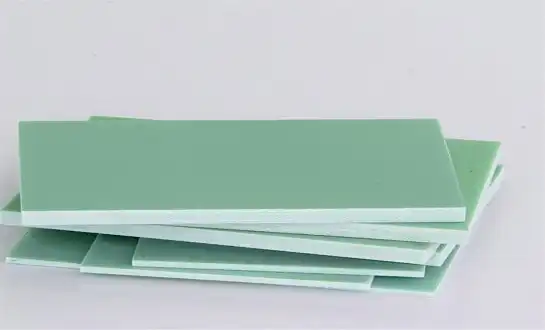
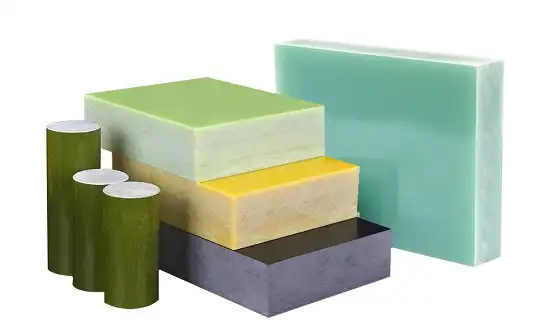
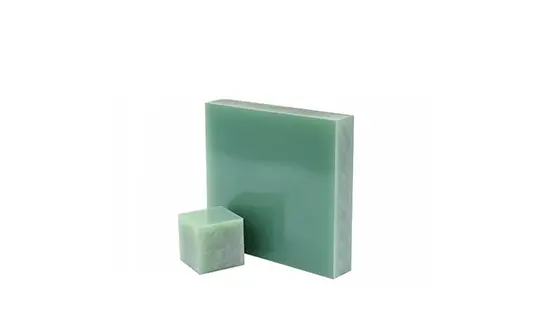
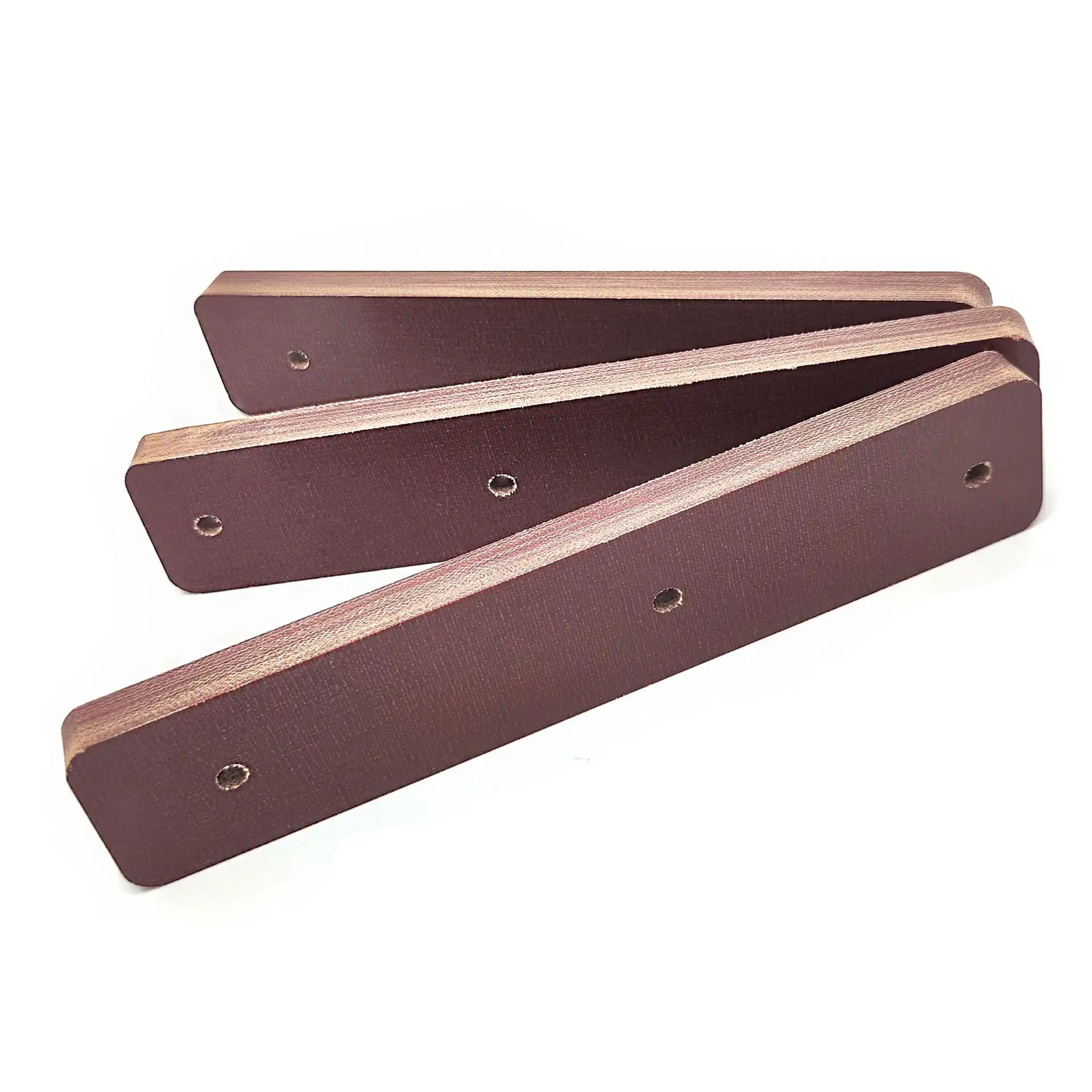
Canvas Electrical is what NEMA calls Grade CE. Manufacturers mix medium- to coarse-woven cotton canvas with phenolic resin, and then heat and pressure cure the mixture. It has a specific gravity of 1.34–1.36 and a Rockwell M hardness of about 105, which means it is very strong under pressure and easy to work with. With an Izod impact strength of about 1.6 ft-lb/in of notch, it is stronger than CE Phenolic Sheets made from paper. The cotton support and hardened resin wear out cutting edges more quickly than wood or most plastics. Grade LE fine-weave holds more small details, while Grade CE is tougher. You can figure out how much stiffness, tool life, and pulling power the machine needs once you know the grade.
Set Thickness, Tolerance, and Sheet Size
Most of the time, our Hongda sheets are 1220 mm x 2020 mm and are 0.5 mm to 100 mm thick. They come in any size, color, or thickness. Every choice the machine makes after this is based on these numbers. A thin seal needs to be stable and not move around a lot in order to work. Plus, you need to cut with more than one pass and have more spindle torque for a 50 mm spacer. Sheets that are almost 100 mm thick also need a lot of space and tool reach on the Z-axis. You have to waste time cutting the sheets down first if the table doesn't fit a full sheet. Write down the smallest hole, the smallest limit, the widest slot, and the number of parts you'll need every month before you get quotes.
Review Application and Compliance
What does the grade name begin with? It starts with CE, which stands for Canvas Electrical. Around the world, people don't talk about the European CE mark. EU law from 2006/42/EC says that a CNC machine sold in Europe must have a CE mark on it. Still, that mark doesn't say anything about your part or sheet. People in the U.S. look at NEMA, ASTM, UL, and OSHA guidelines more often. You should let them know when you ask for a price if you need something that meets UL 94 standards so they can make sure it won't catch fire. Grade CE insulation usually breaks down at 35–40 kV, which is a moderate level, so make sure it's right for the job. Checking early keeps you from having to think again later.
Compare CNC Machine Types and Cutting Methods
CNC Routers and Milling Machines
Rigid CNC routers are used to do most of the work on phenolic laminates. This includes cutting to size, drilling, profiling in 2D, and making slots and holes. It works well for panels, gaskets, and circuit boards because it quickly covers a whole sheet. Each CNC cutting machine has a different bed size and body weight. Because it has tight tolerances, deep pockets, and three-dimensional shapes like gears or bushings, it works well for those kinds of parts. In thick cotton laminate, heavy routers often chatter, which makes the edges look bad. You can use the carbide tools on both. There is one machine that can do both big panels and small, precise pieces. You should compare it to a big cutter and a small mill.
Laser, Waterjet, and Oscillating Knife Systems
To cut thick CE Phenolic Sheet, don't use a laser. The heat from the laser can break down the resin, cause fumes, and make the edges sharp. Waterjet is more expensive to buy and run, but it can cut through thick or heat-sensitive materials and is good for cutting cold. Grade CE soaks up water, so after waterjet work, check the part size and edge growth. There isn't much dust made by oscillating knife systems when they work with thin, flexible material. But they have a hard time when they work with dense, thick laminate. Test first, because each way makes some problems better and some worse. A mill or lathe is still the best choice for most shops. The other ways are good for certain jobs.
Dry or Wet Cutting, and Level of Automation
Not only is dry machining easier and cheaper, but it also works well as long as the extraction is good. Cut while wet or with help to keep the heat down, but first make sure that the parts won't get damaged by water because Grade CE soaks it up. For automation, there is a basic machine that can handle tests and small amounts. It changes tools automatically, loads and unloads, and checks that OEM orders that are made over and over, like large groups of motor parts or appliance brackets, fit. Tell the machine how much to do for your number. There are times when a machine holds on to cash because it's not being used, and at those times, a human machine slows things down. Don't just look at the price of the whole thing.
Match Specifications, Tooling, and Dust Control to the Material
Spindle, Rigidity, and Workholding
The speed of the spindle should be right for the shape, feed rate, and depth of cut of the part. But having more power doesn't always mean the part is clean. How strong the frame is and how well it stops shocks are often more important than power when it comes to edge quality. For thin sheets, vacuum hold-down works. For thick boards that need to be cut more than once, however, motorized clamps or fittings work better. The seller should list how flat and repeatable the table is. Use a test part to make sure of both of those things. Find out how far the blade can go in one pass at the speed you choose. This is also true for software. If CAD/CAM works well, nesting is possible, and tools are compensated, the material yield on a 1220 mm × 2020 mm sheet goes up. Setting up jobs that will be done again is also faster.
Tooling for Abrasive Cotton Laminate
Because the resin and cotton wear down the cutting edges quickly, you should use tools with carbide tips for CE Phenolic Sheet. These tools may cost more at first, but they can last longer if they are used a lot. Because of its shape, the tool can chip, delaminate, finish the edge, and create dust. It is better to cut with sharp tools than dull ones, because dull tools heat things up and leave rough edges. Find out from sellers how long their tools last, how long it takes to get a new one, and if they have automatic tools that measure. Write down how many pieces each tool can cut before the edge starts to lose its sharpness. Then, guess how much each piece costs. Add the cost of the tools to the quote, since a low price for the machine could hide a high cost for the tools.
Dust, Fume, and Operator Safety
There is a fine dust that is made when phenolic laminate is cut. You can get burned by that dust, which is bad for you. NFPA 652 tells you how to deal with flammable dust, and OSHA has a National Emphasis Program on the subject. Not as an extra, but as a machine part. Find out about the airflow, filter type, hood design, hose diameter, how often the filter needs to be cleaned, and the amount of dust that it can hold. To make things safer, there are cutting areas that are closed off, emergency stops, interlocks, and electrical cabinets that don't get dirty. Plan how you will clean the surfaces, take care of the wheels, filters, and guides. When dust gets into the lines and shelves, machines don't last as long, and it takes longer to make them. You should ask each seller to show you how they got the sample cut.
Use a Decision Matrix and Avoid Costly Mistakes
Build a Weighted Decision Matrix
People are led astray when they only look at prices or wheel reviews. There is a score for each machine based on its capacity, range of thicknesses, precision, repeatability, tools, software, automation, service, lead time, and overall cost of ownership. Weights change along with your business. It may be most important for a custom fabricator to be able to change things quickly and be flexible. Some things that may be important to an OEM are time to cycle, stacking, and stability. Ask each seller to give you a price quote that includes everything: hardware, software, setup, training, guarantee, replacement parts, extraction, and more. On a scale from 1 to 5, rate each factor. Then, increase each score by its weight and add them all up. Some points are just a place to start a conversation; they don't mean that person wins right away.
Test With Your Own Sheet
Cutting samples is still the best way to show that something is true. Send a real piece of your CE Phenolic Sheet and a drawing that shows your tiniest hole, largest slot, and tightest hold. Then measure the finished part. Check for cracks along the edges, delamination, burn marks, wrong measurements, long cycle times, and worn-out tools. Ask for a longer run if you need to get a lot done. It's not clear from one clean part how long the tool will last. The only fair way to compare is to bring the same sample to each of the vendors you are thinking about. J&Q can give you practice sheets for these tests so that you can try the real stuff.
Common Buying Mistakes
A lot of people make these four mistakes. First, people who are buying laminate might not believe the advertised maximum thickness if it is made all the way through on a dense, rough surface. They don't think about how much it costs to extract, how long tools last, or how easy it is to get new ones. Third, they mix up the CE paperwork for a machine with the approval of the sheet or the big electrical item. Fourth, they buy a machine that doesn't have enough room for bigger formats, various grades, software updates, or tool changes that happen automatically. Every mistake costs more in the end. Tests of the process and a detailed talk before the buy take care of most of them. Most of the time, these holes are easy to find by quickly checking your matrix and list.
Connect Machine Choice to Sheet Supply and Final Checks
Source Consistent Sheet and Plan Logistics
The results of the machine depend on how even the sheets are. If it's important to you, ask your provider about the grade, the range of thicknesses that are acceptable, the density, the insulation qualities, the resistance to chemicals and heat, and the flame data. Most of the time, CE Phenolic Sheet can be used continuously at temperatures between 115°C and 125°C. However, you should check your part's operating temperature to be sure. You can pick blanks that are cut to the size of your picture, full sheets, or custom shapes. Hongda sheets can be sent by water, land, or air in regular boxes that are put on top of a stack. You have to pay by T/T and place an order for at least 500 kg. We can handle a lot of OEM sales because we can handle 13,000 tons of them every year. Delivery is taken care of by our own shipping business, and your paperwork is backed up by our ISO 9001 and UL certifications.
Match Machine Priorities to the Application
Each customer needs a special machine. An electrical company needs fine tools, low vibration, and a strong vacuum hold-down to cut thin circuit boards and gaps. It is heavy canvas laminate that is used to make wear pads, gears, and pulleys. As a machine builder, you need a strong frame, tools that don't break down quickly, and strong extraction. Electricity and power buyers can spin more, lock more safely, and cut in more than one pass when they work with thick walls. It's also a good idea to have an automatic tool changer on hand for thick insulation boards, since one part might need more than one tool. For people who make a lot of gadgets and cars at once, automatic loading, nesting, part tracking, and planned maintenance may be worth it. To avoid getting too much or too little, make sure the machine fits the part.
Final Selection Checklist
This list can be used for internal approval, comparing vendors, and getting approval from the factory.
- Material and use: Write down the type of phenolic, the range of thicknesses, the sheet format, the electrical needs, the highest temperature that can be reached, and any flame ratings. Your parts should have as few holes, slots, and other flaws as possible. Anyone who wants to sell you a machine will be able to use these facts to get a good idea of what kind of machine you need.
- Machine checks: Look at the work area, the spindle, the rigidity of the frame, the tools, how the work is held, the software that comes with the machine, and how the dust is collected. Then, cut a piece from your own sheet to see how the edges look, how accurate they are, how long the cycle time is, and how much the tools wear out. Before you sign a purchase order, you should make sure that the measurements match the needs and tolerances shown in the drawing.
- Supplier checks: Look over the paperwork, the quote's scope, the guarantee, the training, the spare parts, the shipping time, and the packing. Make sure that the company that sells you the sheets can consistently make them and has a steady supply of sheets, so the machine doesn't have to wait for materials. Before you agree to a plan, ask both the person selling the machine and the person selling the sheets how long they think you will have to wait.
When you write down a technical choice, you have a full plan. It also keeps things from going wrong after the installation.
Conclusion
First, you should look at the CE Phenolic Sheet if you want to buy a CNC cutting machine for it. Grade CE cotton canvas and phenolic resin laminate is rough, tough, and creates dust. The best machine will depend on the thickness, tolerance, sheet size, and batch number. It could be a router, a milling machine, or an automatic cell. There are times when a laser or water jet will not work. Tools made of carbide or diamond, firm workholding, and dust extraction built in all help protect part quality and the people who are making it. You can see how well each machine works with the help of a weighted grid and a sample cut from a real sheet. These also show common mistakes that people make, like believing what they say about the maximum width or mixing up the machine's CE paperwork with the material compliance paperwork. To get steady output, you need to choose the right machine and make sure you always have sheets on hand.
FAQ
Can a standard CNC router cut CE Phenolic Sheet?
Yes, as long as the cutter has tools with carbide tips and a strong frame. Make sure you get rid of all the CE Phenolic Sheet dust before you make the first cut. It can burn you and is bad for your health. Try out a piece on your own sheet to see how sharp the edges are, how much tool wear there is, and other things.
Does CE Phenolic Sheet need CE marking?
Not automatically. In the NEMA scheme, the letter CE stands for Canvas Electrical. When a finished item is sold, the law, the item, and the market all play a role in whether it needs to be CE marked. A machine sold in Europe might come with CE paperwork, but that doesn't mean the material is certified.
What should I send to request a quotation?
Send the grade, thickness, sheet or part dimensions, drawings, tolerances, annual volume, compliance needs, and the country where the goods will be sent. Now we know if CNC is possible, what sheet sizes would work best, how to make models, and how to ship and package them.
Does J&Q offer custom sizes and OEM service?
Yes. We make things of any size, color, or thickness, and we also do work for other companies. You can pay by T/T, and 500 kg is the minimum amount you can buy.
Request a CE Phenolic Sheet and CNC Fabrication Assessment from J&Q
The store J&Q has sold CE Phenolic Sheet for more than 20 years. The thickness, tolerances, and quantity should be sent to info@jhd-material.com. They will look over your project. Hongda sheets range in thickness from 0.5 mm to 100 mm, and our own transportation company ships by land, sea, and air. For more help, visit blog.jhd-material.com and ask for test pieces that you can use for your CNC work.
References
1. ASTM D709, Standard Specification for Laminated Thermosetting Materials, 2017
2. NFPA 652, Standard on the Fundamentals of Combustible Dust, 2019
3. OSHA, Combustible Dust National Emphasis Program (CPL 03-00-008), 2008
4. European Parliament and Council, Directive 2006/42/EC on Machinery, 2006
5. ISO 9001, Quality Management Systems – Requirements, 2015
6. UL 94, Tests for Flammability of Plastic Materials for Parts in Devices and Appliances, 2013

Get a complete product list and quotation

J&Q New Composite Materials Company