How CNC Drilling Improves Hole Accuracy in Phenolic Paper Tubes
CNC drilling significantly improves hole accuracy in phenolic paper tubes by replacing manual variability with computer-controlled precision. A Phenolic Paper Laminated Tube — made from resin-impregnated cellulose paper layers bonded under heat and pressure — is prone to delamination and burring when drilled with conventional tools. CNC systems apply programmed tool paths, consistent feed rates, and real-time position feedback to hold tolerances as tight as ±0.05 mm. The result is cleaner bore walls, repeatable hole positioning across large batches, and fewer rejected parts — directly addressing quality demands in electrical insulation, transformer coil assemblies, and precision mechanical fixtures.
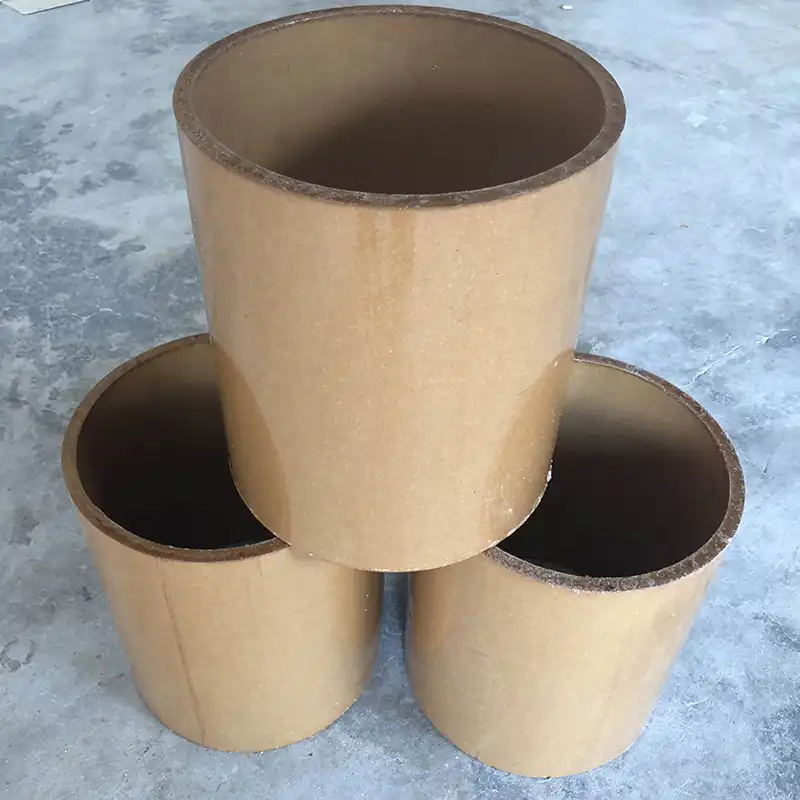
Understanding Phenolic Paper Laminated Tubes and Their Hole Drilling Challenges
Phenolic paper laminated tubes are rigid composite cylinders built from electrical-grade cellulose paper saturated with thermosetting phenolic resin, then cured under controlled heat and pressure. The 3520 grade, for example, achieves a dielectric loss factor of 2.1×10⁻² and passes withstand voltage testing at 8.0 MV/m — confirming strong electrical stability across a range of industrial conditions. These tubes support transformer shafts, busbar sleeves, and mechanical spacers across power, electronics, and machinery sectors.
Why Hole Accuracy Matters in Industrial Assembly?
When holes are even slightly off-center or oversized, components misalign during assembly. For electrical insulation sleeves in switchgear or coil winding mandrels in transformers, that misalignment can cause insulation gaps and potential dielectric failure. Procurement teams dealing in large volumes amplify this risk — one bad hole pattern repeated across thousands of tubes means significant rework costs.
Common Problems with Conventional Drilling
Manual drilling on laminated phenolic tubes introduces three recurring issues: burr formation at the tube wall exit, uneven hole diameters caused by tool deflection, and micro-cracking along lamination boundaries. Because the material's density sits at approximately 1.14 g/cm³ with moderate brittleness, conventional drill bits apply lateral forces that the resin matrix resists unevenly. The outcome is inconsistent bore quality that fails dimensional inspection.
The Cost of Poor Hole Quality in B2B Supply Chains
Rejection rates from poor hole tolerances translate directly into inflated unit costs, delayed shipments, and damaged supplier relationships. For OEM sourcing managers handling high-volume transformer or switchgear orders, even a 2–3% rejection rate on a 10,000-unit batch creates measurable procurement disruption. Tight hole tolerances are not optional — they define whether a laminated tube qualifies for use in safety-critical assemblies.
How CNC Drilling Enhances Hole Accuracy in Phenolic Paper Laminated Tubes?
CNC cutting doesn't need the operator's input because the machine code does it all. After setting up by hand, a CAD/CAM design file turns hole pattern specs into tool path directions directly. This means that there is no more inconsistency. Modern CNC pins stay in place within ±0.02 to 0.05 mm during the whole production run. This is very important when drilling phenolic laminate because the way it is stacked makes it hard to apply even cutting forces.
CAD/CAM Programming for Repeatable Patterns
The places, widths, and depths of each hole are set. To put it another way, the 500th tube in a batch has the same holes as the first tube. Customers who order Phenolic Paper Laminated Tube products with inner sizes from φ8 mm to φ550 mm, which is the full range that J&Q offers, can be sure that the assembly line will be consistent because of this accuracy.
Real-Time Error Correction During Drilling
Modern CNC machining centers have built-in feedback loops and ways to measure things as they're being made. If tool wear causes holes to move out of tolerance, the system will either let you know or fix itself to make sure that damage doesn't happen. Remember this when working with phenolic paper laminate: the sharper the tool, the more likely it is that the paper will come apart at the hole wall.
Tighter Tolerances Compared to Manual Methods
The "Journal of Materials Processing Technology" has studies on cutting composite laminates that show that CNC-controlled drilling reduces the variation in hole diameter by 40–60% compared to hand-guided or manually fed drilling. Electrical insulation tubes need to fit perfectly on transformer shafts or inside switchgear housings, so this increase in range is significant.
Benefits of CNC Drilling Specifically for Phenolic Paper Laminated Tubes
This kind of paper laminate has a brittle resin core, layered paper strands, and is sensitive to heat buildup, so it needs a way to be cut that can handle all of these things at the same time. These problems are unique to each material, but CNC drilling can solve them in a way that can't be done by hand.
In this case, CNC drilling gives you these main process benefits:
- Reduced delamination risk: Controlled feed rates and carbide tooling prevent inter-layer separation at bore edges, preserving the tube's full dielectric strength and mechanical integrity through the wall.
- Consistent surface finish inside bores: CNC spindle speed regulation minimizes heat buildup that softens phenolic resin, keeping bore walls smooth and dimensionally stable across full production batches.
- Scalable batch consistency: Once a program is validated on a sample run, the same parameters apply to every subsequent part — whether the order is 500 or 50,000 units — without operator recalibration.
Delamination is less likely to happen because the layers don't separate at the bore edges thanks to controlled feed rates and carbide tools. This keeps the full dielectric strength and mechanical integrity of the tube all the way through the wall.
Practical Applications and Use Cases for CNC-Drilled Phenolic Paper Laminated Tubes
Precisely drilled phenolic tubes are useful in a lot of different types of businesses. They are often used as structural insulators in high-stress assemblies because they are easy to machine, can withstand temperatures up to 120°C continuously, and have a high dielectric strength (8.0 MV/m to be exact).
Electrical Insulation and Transformer Components
In order to make power transformers, the cores of bushings, coil lead tubes, and tap changer shafts are made from Phenolic Paper Laminated Tube products. It is important to have accurate bore diameters so that the shaft can be inserted without any issues and to avoid stress concentrations that wear down the insulation faster. The winding device is held up by CNC-drilled fixing holes in the walls of the tubes. These holes do not damage the laminate.
Industrial Machinery Spacers and Fixtures
Mechanical engineers use phenolic laminate tubes as insulating spacers in motor housings and structural fixings when they need to separate electricity and support weight at the same time. Because of the way the CNC holes are cut, these tubes can be bolted right into systems without any extra work. This speeds up the installation process and helps the OEM sourcing teams keep track of their stock.
Automotive and Electronics Prototype Development
Researchers working on car battery packs and PCB device design often need phenolic tubes that are drilled and only need to be cut once or in small amounts. Because reprogramming a new hole shape only takes minutes with CNC machining, design changes can be made quickly. This means that test cycles can happen without having to wait for special tools or long lead times.
How to Choose a Reliable CNC Drilling Provider for Phenolic Paper Laminated Tubes?
To pick a machine partner for punched laminate tubes, you need to do more than just look at prices. For international orders, purchasing managers should check the supplier's history with phenolic laminate, the number of CNC machines they have and how often they are serviced, as well as their quality inspection protocols that follow IEC 60893 or ASTM D229.
Evaluate Material-Specific Machining Experience
Someone who has been making insulated laminates for over 20 years knows how to pick the right tools, get rid of chips, and use backup boards in a way that keeps the laminates from coming apart. General machine shops that don't work with laminates often make more mistakes with phenolic paper grades.
Review Quality Systems and Certification Records
Measurements of the ID/OD concentricity, tests for dielectric properties, and checks for water absorption are some of the quality checks that give an objective guarantee. Not just general material data sheets, but also test results that match the grade the seller is selling.
Confirm Logistics and Lead Time Commitments
When teams in the US buy drilled phenolic tubes, they need to know how long they will have to wait and be able to choose from different ways to move the tubes. When suppliers have their own logistics departments and offer freight by sea, land, and air, it's easier for sourcing teams to coordinate, and there is less risk of damage during transit.
Conclusion
With CNC cutting, Phenolic Paper Laminated Tubes can be changed from a regular item to a precise part that can be put right into complicated industrial systems. By controlling the feed rates, spindle speeds, and tool paths at the machine level, it gets rid of the burring, delamination, and deviation in size that come with normal drilling. This accuracy cuts down on mistakes and the cost of redoing work for companies that make electronics, machines, power plants, and teams that buy cars. To get a lot of accurate, reliable parts, it's best to work with a laminate tube supplier that has been in business for a while, does CNC machining in-house, and has quality data to back up their claims.
FAQ
What hole tolerances can CNC drilling achieve on phenolic paper tubes?
You can get positional tolerances of ±0.05 mm and width tolerances of ±0.02–0.05 mm when CNC drilling on Phenolic Paper Laminated Tubes. However, this depends on how thick the tube wall is and how big the hole is. For transformer shafts, busbar sleeves, and precise mechanical parts to fit without any extra work, these standards are good enough.
Can CNC-drilled phenolic tubes withstand high-temperature environments?
Yes. As per normal test methods, the 3520-grade phenolic paper tube doesn't crack or bulge after being at 120°C for 24 hours. When CNC drilling is done, the thermal performance of the base material doesn't change. The walls of the holes keep the same insulation qualities as the tubes around them.
Is custom hole patterning available for prototype or low-volume orders?
Yes. To change a hole pattern, all you need is a new CAD file and not any new tools or fixtures. This is because CNC programs are defined by software. Short runs of prototypes and changes to designs can be made quickly because of this. This cuts down on the time it takes for R&D and engineering to ask for samples.
How does CNC drilling compare to laser cutting for phenolic laminate tubes?
Cutting phenolic paper laminate with a laser can burn the sides and turn the glue into carbon. Drilling it with CNC tools that use carbide bits makes the walls of the holes smoother. The best way to make through-holes that need to be exact in size and have smooth insides is still with CNC mechanical drilling.
Request a Custom Quote from J&Q — Phenolic Paper Laminated Tube Supplier
J&Q has Phenolic Paper Laminated Tubes that are carefully made and have inner sizes that range from φ8 mm to φ550 mm. They have been making soundproofing materials for more than 20 years and can make 43,000 tons of these tubes every year. The people who work for us move freight all over the world by air, sea, and land. Email our technical team at info@jhd-material.com or visit blog.jhd-material.com to get samples, talk about making your own hole patterns, or get a price for bulk supplies that work with your production plan.
References
1. Davim, J. P., & Reis, P. (2003). Drilling Carbon Fiber Reinforced Plastics Manufactured by Autoclave — Experimental and Statistical Study. Materials & Design, 24(5).
2. Tsao, C. C., & Hocheng, H. (2004). Taguchi Analysis of Delamination Associated with Various Drill Bits in Drilling of Composite Material. International Journal of Machine Tools and Manufacture, 44(10).
3. ASTM International. (2020). ASTM D229: Standard Test Methods for Rigid Sheet and Plate Materials Used for Electrical Insulation. ASTM International.
4. IEC. (2003). IEC 60893-3: Specification for Industrial Rigid Laminated Sheets Based on Thermosetting Resins. International Electrotechnical Commission.
5. Hocheng, H., & Tsao, C. C. (2006). Effects of Special Drill Bits on Drilling-Induced Delamination of Composite Materials. International Journal of Machine Tools and Manufacture, 46(12–13).
6. NEMA. (2005). LI 1: Industrial Laminating Thermosetting Products — Grades and Properties. National Electrical Manufacturers Association.

Get a complete product list and quotation
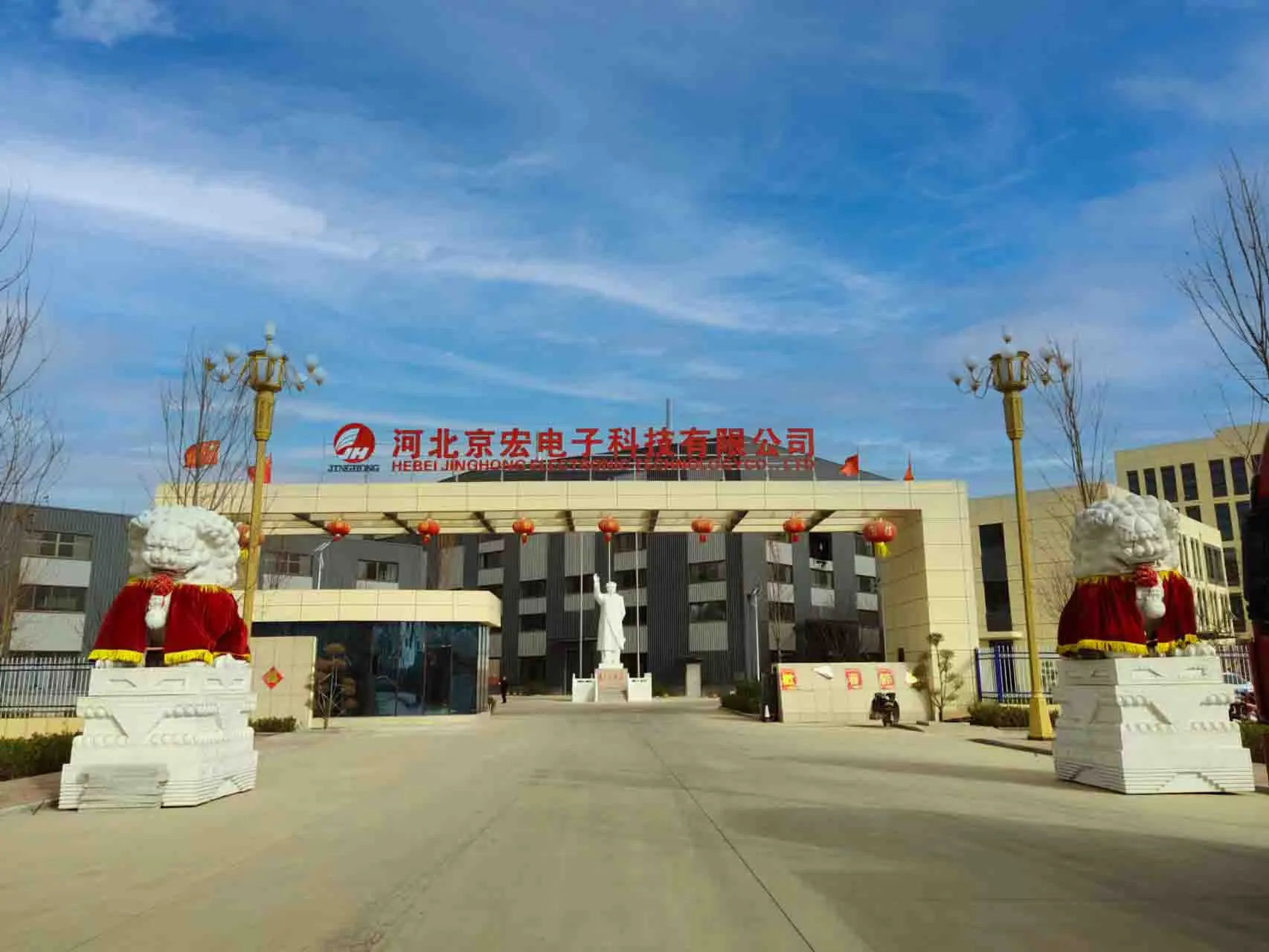
J&Q New Composite Materials Company