How to Avoid Cracking During Bakelite Sheet CNC Processing?
Avoiding cracks during Bakelite sheet CNC processing begins with understanding the material's thermoset nature and implementing controlled machining parameters. Phenolic resin composites require carbide or diamond-tipped tools, moderate spindle speeds between 3,000-6,000 RPM, and slow feed rates to reduce mechanical stress. Proper workpiece clamping, air cooling systems, and dust extraction minimize thermal shock and prevent structural failure. Selecting certified material grades with consistent resin content and working with experienced suppliers who provide technical machining guidance ensures reliable, crack-free results across production runs.
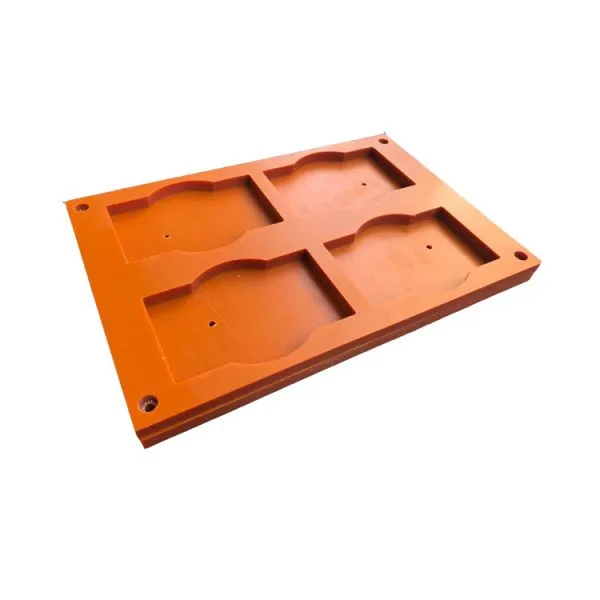
Introduction
Bakelite Sheets have been used in industry for many years because they are great at keeping electricity away, can handle temperatures up to 120°C, and keep their shape when they are loaded. These phenolic paper laminates are used on electrical switches, motor parts, transformer barriers, and precise mechanical spaces that need to be reliable. The thermoset nature of these sheets makes them resistant to chemicals and strong, but it also makes them brittle when CNC machines are used to cut them.
Cracks that appear during drilling, milling, or turning operations directly cause delays in production, waste of materials, and the possibility of field failures in important electrical applications. We've seen engineering teams struggle with fracture patterns that are hard to predict and hurt both the dielectric strength and the mechanical performance. Understanding why cracks happen and using tried-and-true methods to stop them are important for procurement managers and technical teams that choose insulation materials and manage relationships with suppliers.
This guide uses real-world machining experience to give you useful information on choosing materials, setting working parameters, and making sure quality control measures are followed. Learning how to stop cracks in phenolic laminate processing is important whether you're looking for parts for power distribution equipment, car battery barriers, or appliance insulation frames. It saves your investment and keeps the product's integrity in harsh working conditions.
Understanding the Cracking Problem in Bakelite Sheet CNC Processing
The Material Science Behind Phenolic Brittleness
Using heat and pressure in hydraulic presses to cure layers of paper or cotton fabric that have been saturated with phenol-formaldehyde glue is how Bakelite Sheet is made. This thermosetting process makes a cross-linked molecular structure that can't be undone and can't be melted or reshaped. This curing process makes the material very resistant to chemicals and stable at high temperatures, but it also makes it more brittle than thermoplastic materials, which can handle impact by moving molecular chains.
The resin and paper base make a hybrid structure whose tensile strength is very different from its compression strength. During machining, when CNC cutting tools apply specific forces, stress builds up at the edges of the tools and in the material core. If these pressures are higher than the material's fracture toughness, cracks start and spread along fiber borders or through resin-rich areas.
Visible and Hidden Crack Formation Patterns
Cracks on the surface show up as noticeable flaws along cut edges or around drilled holes. They are usually caused by too much tool pressure or shaking when entering and leaving the workpiece. These obvious cracks quickly weaken the part's ability to insulate and keep its shape. More of a problem are subsurface microcracks that can't be seen at first but grow when temperatures change or when there is mechanical stress in real life service conditions.
We've looked at failed parts where hidden cracks that formed during machining were not found until they were put together in the field. In high-voltage situations where an arc tracked along cracks in the insulation barrier, these hidden flaws led to early failure. Knowing that cracking can cause both obvious damage and possible weaknesses that can't be seen makes prevention more important than just inspecting after the fact.
Cracks in Bakelite Sheet start because of mechanical forces during cutting, differences in temperature from friction heat, and leftover pressures from the making of the material. To avoid these problems, procurement teams need to make sure that the grades of materials they choose are compatible with the machines they can use, and they need to set clear technical specifications that include both performance and processing needs.
Key Causes and Contributing Factors Behind Cracking
Mechanical Parameters That Influence Stress Distribution
The chip load per cutting edge and the forces acting on the material are directly related to the feed rate choice. When the feed rate is more than 0.15 mm per revolution, it creates too much cutting force, which builds up stress ahead of the tool edge. These forces may be stronger than the material's tensile strength, which can cause cracks to start that spread across the sheet structure or perpendicular to the direction of cutting.
During machining, both cutting temperature and vibration are affected by spindle speed. Low speeds (below 2,500 RPM) often cause chattering and uneven cutting forces. High speeds (above 8,000 RPM) create friction heat that weakens resin properties in certain areas. The best range for cutting cleanly and controlling heat is usually between 3,500 and 6,000 RPM, but this depends on the width of the tool and the thickness of the material.
The shape of the tool is very important for how the cutting forces are distributed. Sharp carbide tools with positive rake angles of 5 to 10 degrees shear material fibers cleanly instead of crushing them. This means that less force is needed to remove the material. Worn-out tools with smooth cutting edges squeeze the material before they cut it, which creates a lot more stress and heat. When you replace tools on a regular basis, they don't lose their effectiveness over time, which can cause more cracks to form.
Thermal Effects During High-Speed Machining Operations
Compared to metals, phenolic laminates don't conduct heat well, so heat builds up in the cutting zone instead of moving through the workpiece or chip. This limited heating can raise temperatures above 150°C at the tool contact, which is getting close to the point where the material starts to bend due to heat. In these hot spots, thermal expansion adds to the mechanical stress that makes the cutting force effects stronger.
Thermal shock happens when temperatures change quickly while cutting stops or when coolant touches hot surfaces. Differential expansion between hot layers on the outside and cooler material inside creates tension stresses that are higher than the material's low tensile strength. Flood coolants that make big differences in temperature work less well than air cooling systems that provide steady gentle cooling.
Environmental and Chemical Considerations
Temperature and humidity in the work area during machining change the amount of water in the material and its ability to stay the same size. Depending on the grade and how they are stored, phenolic sheets can soak up between 0.5% and 2% of their own weight in water. This absorbed wetness slightly softens the resin matrix, which changes how brittle it is and how consistent its dimensions are during cutting. Keeping things in a climate-controlled space and letting them cool down at shop temperature before they are machined help keep processing behavior predictable.
Some cutting fluids and lubricants have strong solvents or alkaline compounds that react with phenolic resin and break down the surface or create stress inside the resin. Water-based coolants can get into the layers and cause delamination or swelling, which can change the shape and put stress on the inside. These chemical interaction risks can be avoided by using air cooling or suitable cutting fluids that are made for phenolic materials.
Principles and Best Practices to Prevent Cracking During CNC Processing
Optimizing Cutting Parameters for Phenolic Materials
To make sure that machining Bakelite Sheet doesn't crack, you have to balance many variables at once instead of just optimizing one. A methodical way to create parameters is to start with safe settings and make small changes over time based on how chips form and the quality of the surface. The goal is to make continuous chips that are well-formed and don't build up too much heat or tool pressure.
Based on a lot of production experience, here are the main parameters we suggest:
Spindle Speed: For cutting, keep the spinning speed between 3,500 and 5,500 RPM. For milling, keep it between 4,000 and 6,500 RPM. These settings give you the right cutting speed to get rid of material cleanly while keeping contact heat to a minimum. To keep the right area feet per minute, tools with a larger diameter need to be run at slower speeds.
Feed Rate: Depending on the diameter of the tool and the thickness of the material, keep the feed rate between 0.05 and 0.12 mm per revolution. Slower feeds lower the cutting forces right away, but they can't cause rubbing, which makes too much heat. Keeping an eye on the regularity of the chips helps find the best feed that makes clean cuts without putting too much pressure on the tool.
Depth of Cut: For milling, the cutting depth should not go beyond 1.5 to 3.0 mm per pass. For deep holes, use peck drilling cycles with 2-4 mm increments. Instead of putting all the stress on one big cut, shallow cuts spread it out over several passes. By using this method, the tool will last longer and be less likely to crack.
Choose the right tool: Ask for carbide tools with smooth, sharp cutting edges. When working with rough phenolic materials, diamond-coated tools last longer. Make sure the rake angle is positive, between 5 and 10 degrees, so that the strands of the material are sheared cleanly instead of being crushed by compression.
Together, these factors set working conditions that respect the material's mechanical limits while still allowing for good production rates and accurate measurements.
Cooling Strategies and Lubrication Techniques
Air cooling systems that aim compressed air jets at the cutting area get rid of heat and machine dust without causing temperature shock or chemical reactions. The constant flow of air keeps temperatures stable and stops heat from building up. It also gets rid of rough phenolic dust that can speed up tool wear. This method works especially well for drilling and routing jobs where getting rid of chips is hard.
If you need to use liquid coolants for certain jobs, choose cutting fluids that are based on mineral oil and are chemically compatible with phenolic glue systems. If you want to cool things down without making big temperature differences, use coolant as a fine mist instead of a flood. By testing sample material for coolant compatibility before mass production, you can avoid unexpected material reactions that could damage the integrity of the part.
Material Handling and Fixturing Best Practices
Before cutting starts, quality problems can be found by checking arriving batches of material for surface flaws, consistent dimensions, and the right grade certification. Material that has visible delamination, surface blisters, or changes in size that aren't allowed will have inconsistent machining results and a higher defect rate, even if the parameters are optimized.
Clamping methods need to spread binding forces over a large enough surface area to keep stress from building up in one place. Using soft jaw inserts or padded clamps protects the finish on the surface and holds the work securely. Don't tighten the clamps too much, because that can put extra stress on the material, especially for sheets that are less than 3 mm thick and aren't very stiff.
Using backing plates to support thin or large parts during drilling and routing stops them from bending, which can lead to cracks appearing on the exit side. The backing material takes in the forces that come off and keeps the shape while protecting against cracks at the points where the material breaks through.
Case Studies: Successful Crack Prevention in Bakelite CNC Machining
Electrical Component Manufacturer Reduces Defect Rates
A company that makes electrical equipment and switchboard insulation parts kept having problems with cracking when they made a lot of mounting clamps out of phenolic sheet material. During the first production runs, cracks appeared at rates higher than 12%, which wasted a lot of material and caused delivery delays. The mechanical team found that the main causes of the problem were too high of feed rates and worn-out tools.
By starting a full program to improve the whole process, they lowered the feed rates from 0.18 mm per revolution to 0.08 mm per revolution and made it so that tools had to be replaced every 50 parts. Changing from regular high-speed steel tools to carbide tools with smooth flutes made the cutting even better. By installing programmable air cooling systems that turned on during cutting cycles, thermal effects were controlled without any problems with the coolant.
By making these changes together for Bakelite Sheet, the rate of cracks dropping to below 2% in just three production runs, material output and product reliability went up by a huge amount. The case showed that paying systematic attention to many processing variables leads to better results than trying to fix bad habits by inspecting and reworking everything.
Automotive Supplier Optimizes Battery Barrier Production
A company that makes parts for cars needed to carefully machine complex shapes out of phenolic laminate sheets so that they could be used as insulation walls for battery packs in electric vehicles. Tight size tolerances and complete dependability were needed for the application, since any cracks could compromise electrical isolation in high-voltage settings.
The procurement team worked closely with their material source to choose Grade XXX phenolic sheet, which had a higher resin content and was better at resisting moisture and being machined than normal grades. The production team made custom fixtures that held thin-wall sections in place while they were being machined and set up peck drilling cycles for all the holes.
Setting up written machining processes with parameter lists and tool change plans made sure that all CNC machines and shifts of operators worked the same way. Sample parts from each production run were looked at visually and tested with a penetrant to make sure the processing did not cause any cracks. With these steps, the supplier was able to keep production steady and keep defect rates below 1%, which met the strict quality standards for the automotive industry.
Summary and Key Takeaways for Procurement and Engineering Teams
Material Grade Selection Aligns With Processing Requirements
Different grades of phenolic laminate sheets are made with different amounts of resin, different types of paper, and different manufacturing standards. The lower resin level in Grade X material makes it better for mechanical uses where strength is more important than resistance to moisture. Grade XXX has more resin, which improves its electrical qualities and resistance to moisture. Because it has more resin, it is also usually a little easier to machine.
Knowing about these differences in grades helps procurement teams choose materials that meet the needs of both the application and the manufacturing capabilities. Requesting material verification papers that confirm grade compliance and physical qualities makes sure that all production batches are the same. Getting to know sources who can help your team with technical questions about CNC processing is a great way to improve their skills.
Supplier Collaboration Enhances Processing Success
Certified providers that offer custom cutting services can give you blanks that are already the right size, which cuts down on the work that needs to be done and the risk of cracks that comes with it. Some specialized suppliers keep written records of the machining parameters for their unique material formulations. These records can be used as a reliable starting point for developing new processes. With this technical partnership approach, suppliers go from being basic vendors to working together as resources that help the company succeed in making things.
As applications need more dependability, quality assurance systems like batch tracking, property testing, and compliance paperwork become more crucial. Strong quality systems at suppliers can give the consistency needed for optimized machining parameters to produce consistent results across multiple lots of material.
Integrating Technical Requirements Into Procurement Specifications
Along with standard performance qualities like dielectric strength and heat resistance, purchase specs should list machining characteristics. Including standards for surface quality, thickness tolerances, and the maximum amount of moisture helps make sure that the material arrives ready to be processed quickly. Compatibility problems are less likely to happen if you list the grades that are okay and ask for samples of the material to try out for cutting before making big purchases.
Setting up preferred supplier relationships with companies that show they can provide reliable quality, technical support, and quick service will help you avoid problems and work together to make things better all the time. When you work with the same suppliers for a long time, they can learn about your specific needs and deal with problems before they affect production schedules.
Conclusion
To keep Bakelite Sheet from cracking during CNC processing, it's important to know how the thermoset material works and have full control over the machining parameters, tool selection, and handling methods. Moderate spinning speeds, slow feed rates, sharp carbide tools, and the right cooling methods all work together to respect the brittleness of the material while still getting good production efficiency.
Procurement teams are very important because they choose the right grades of materials, build relationships with suppliers that provide technical support, and make sure that purchase specifications take machining into account. Spending money on better processing methods and high-quality materials pays off in the form of lower scrap rates, more reliable products, and happier customers in electrical, industrial, automobile, and gadget uses.
FAQ
What Bakelite Sheet Thickness Works Best for CNC Machining?
Standard CNC tools usually work well with materials that are between 1.5 mm and 12 mm thick. For sheets less than 1 mm thick, special fixtures are needed to keep them from bending, and for parts more than 15 mm thick, the tool contact depth and cooling must be carefully watched. Most mechanical and electrical insulation uses thicknesses between 3 mm and 6 mm, which is a good balance between structural performance and ease of machining.
How Do Different Grades Affect Crack Susceptibility?
When it comes to machining, Grade XXX phenolic sheets with more resin tend to be a little less likely to crack than Grade X materials. The hardness is slightly better because the resin matrix is bigger, but both types need to be machined correctly. Different paper bases and chemicals cause color differences, which can change how brittle the paper is. By asking for technical data sheets, you can find the best grades for your working tools and application needs.
What Supplier Qualifications Ensure Consistent Machining Results?
Suppliers you can trust will give you material certification documents that show the grade meets requirements, that the physical properties are tested, and that the manufacturing standards, such as UL recognition, are met. Technical support services like suggesting cutting parameters and helping with application engineering show that a provider has a lot of knowledge. Quality management systems that keep track of batches and have written inspection procedures make sure that the materials are always the same, which is needed for CNC processing to work the same way on multiple orders.
Partner With J&Q for Crack-Free Bakelite Sheet Solutions
J&Q has been making high-quality phenolic laminates for more than twenty years and has also been trading internationally for ten years, serving demanding electrical and industrial applications. As a well-known provider of Bakelite Sheet, we keep strict quality control methods in place to make sure that the material always has the right features for CNC machining. Our technical team gives you detailed machining instructions for each grade of material we sell. This helps your engineering staff come up with strong processing parameters that keep cracks to a minimum.
Precision cutting services that deliver ready-to-machine blanks reduce the amount of work you have to do, integrated logistics through our dedicated shipping operations that guaranty delivery dates, and responsive technical support that solves your specific application problems are just a few of the services we offer. We know that procurement managers need suppliers who can provide reliable material quality and useful manufacturing support. This way, you can build partnerships with suppliers that make you more competitive. Get in touch with us at info@jhd-material.com or visit blog.jhd-material.com to talk about your Bakelite Sheet needs and find out how our experience can help you succeed.
References
1. Richardson, T.A. (2019). Composites: A Design Guide for Thermoset Laminates. Industrial Press Inc.
2. Mallick, P.K. (2021). Thermosetting Polymers: Processing and Applications in Advanced Manufacturing. CRC Press.
3. Davis, J.R. (Ed.). (2020). Handbook of Electrical Insulation Materials: Properties, Testing, and Applications. ASM International.
4. Chen, W. & Zhou, K. (2018). CNC Machining of Composite Materials: Techniques and Best Practices. Springer Publishing.
5. Anderson, M.L. (2022). Phenolic Resins: Chemistry, Applications and Performance in Industrial Systems. Wiley-VCH.
6. Thompson, R.S. & Williams, D.F. (2020). Advanced Machining Processes for Non-Metallic Engineering Materials. McGraw-Hill Education.

Get a complete product list and quotation

J&Q New Composite Materials Company



