How Is Phenolic Paper Laminate Processed for Industrial Insulation Parts?
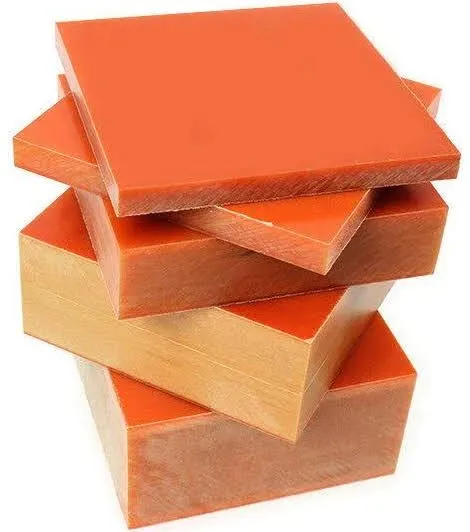
Phenolic Paper Laminate processing begins with layering high-grade craft paper impregnated with thermosetting phenolic resin. Manufacturers then subject these layers to controlled heat (typically 140-180°C) and pressure (exceeding 1000 psi) to trigger polymerization, creating rigid composite sheets. This carefully controlled curing process determines the final material properties, delivering the dielectric strength and dimensional stability essential for industrial insulation components across electrical, power, and machinery applications.
Introduction
Looking for insulation materials for switchgear systems or transformer parts? Knowing how they are made isn't just interesting for technical reasons; it's smart buying. The way your insulation parts are processed directly affects how well they will hold up against changes in temperature, keep their shape in damp places, and handle the mechanical stresses of cutting operations during high-volume production runs.
In the 20 years I've worked with industrial insulation materials, I've seen procurement choices go well or badly depending on one important factor: how well engineering teams knew how manufacturing processes affected performance. Paper-based phenolic laminates are a special kind of insulation because they are cheaper than glass-epoxy options and still provide good electrical separation for medium-voltage uses.
This detailed guide takes you through the whole process of processing, from choosing the raw materials to making sure the end product is of good quality. You'll learn what makes good laminate insulation different from great insulation components that deliver measurable reliability in demanding industrial environments, whether you're an engineering manager looking at material specifications or a procurement specialist looking at a supplier's skills.
Understanding Phenolic Paper Laminate for Industrial Insulation
Phenolic Paper Laminate is a thermosetting material that was made to work in places where electrical insulation, temperature stability, and the ability to be machined all come together. The material is made up of layers of cellulose-based kraft paper that are filled with phenolic resin binders. This creates a structure that is both good at shielding and easy to make.
Core Material Composition and Structure
The base is made of carefully chosen cellulose paper that comes from wood pulp. Compared to cotton-based options, paper surfaces are better at insulating electricity and absorbing less moisture, which is very important when your components will be working in humid or oily conditions. The phenolic glue system creates the thermosetting matrix that, when cured, locks the paper fibers into their lasting shape.
This hybrid structure usually has a specific gravity of 1.30 to 1.45 g/cm³, which makes it a lighter but stronger choice than metal alternatives. The layered structure helps keep the sheets' dimensions stable, and when they are kept correctly, they keep the flatness levels needed for precise cutting and CNC machining.
Grade Classifications and Their Industrial Applications
The performance of materials changes a lot between NEMA grade categories. Grade X is best for building uses because it is strong mechanically, but it doesn't work well electrically when it's wet. Grade XX is the standard electricity grade because it is cheap and has average insulation qualities. Grade XXX has the most resin, so it has better insulating performance and protection to moisture. This makes it the best choice when your components will be working in environments with high humidity or condensation.
Specialized "P" grades (XP, XXP, and XXXP) have plasticizers in them that let you punch them cold or warm without the edges cracking. This solves a major problem in mass production settings where heating equipment is expensive and hard to use. This change is especially helpful for companies that make appliances and parts for cars that have high-volume pressing lines.
The material's natural properties solve certain problems in many different industries. Power distribution engineers like how stable it is in environments with transformer oil. Machine makers like that it can be machined, which means that tools will last longer than with abrasive glass-epoxy options. Manufacturers of electronics know it's cost-effective when FR4 specifications go beyond what's needed for standard frequency applications.
How Phenolic Paper Laminate Is Processed for Industrial Insulation Parts
Raw Material Selection and Preparation
Quality in manufacturing starts at the source. Premium-grade kraft paper is carefully checked to make sure it has a regular density, fiber direction, and no impurities that could cause electrical or weak spots. Paper thickness is usually between 0.05 mm and 0.15 mm per ply, and is chosen based on the end sheet thickness and number of laminates that are wanted.
To get the right mix of impregnation penetration, curing properties, and final mechanical properties, phenolic resin formulations need to have the right chemical makeup. Resin makers change their recipes depending on whether the final use needs the best electrical performance (higher resin content) or the strongest mechanical performance (optimized resin-to-fiber ratio). Quality suppliers make sure that each batch is the same by controlling where they get their raw materials and using strict protocols for checking their quality when they arrive.
Impregnation and Resin Saturation
Paper sheets are put through resin baths under controlled conditions that decide how deep the sheets go into the resin and how evenly they are saturated. To make sure that each paper layer meets the required resin pickup percentage, manufacturers carefully watch the resin thickness, bath temperature, and rest time. Under-impregnation leaves gaps that lower the dielectric strength, and over-saturation causes too much glue to leak out during later pressing steps.
After being impregnated, sheets are partially dried in temperature-controlled ovens that get rid of the solvents and keep the resin in a B-stage (partially cured) state. This middle state lets layers stick together during final lamination while stopping cross-linking before it's time, which would stop the proper consolidation. The B-stage material can be stored briefly in controlled conditions, which gives the production schedule more freedom for batch processing.
Lamination Under Heat and Pressure
The most important change happens inside hot press platens, where stacked B-stage sheets go through consolidation and polymerization at the same time. Usually, the pressure is higher than 1000 psi, which presses the layers together and forces out any trapped air or extra resin. When temperatures reach 140°C to 180°C, the thermosetting reaction starts, which links the phenolic matrix together permanently.
The length of the press cycle depends on the thickness of the sheet and the grade standards. Thicker laminates need longer rest times to make sure that the whole depth of the material cures. Temperature profiles follow carefully thought-out curves that rise slowly to avoid thermal shock, stay at their highest point for as long as it takes to heal properly, and then cool down slowly to avoid internal stresses that could cause bending.
Key performance factors are directly affected by the right way to laminate. Not enough pressure increases the risk of delamination and lowers the mechanical strength. If the temperature or time isn't right, the cure isn't complete, which weakens the chemical protection and thermal stability. Too much heat breaks down resin, which darkens the color of the material and makes it less insulating. Because of this, skilled makers buy press equipment that can precisely control temperature and heat the platen evenly across the whole pressing area.
Post-Processing and Finishing Operations
When sheets are pressed, they come out with rough edges and small surface flaws that need to be fixed. Manufacturers use carbide-tipped saws or precision cutting tools to cut sheets to standard sizes. This gives customers the exact measurements they need for their production processes. Surface grinding or sanding creates the smooth surface needed for stacking parts or meeting certain thickness standards.
There are several steps of quality control checking. Visual inspection finds flaws on the surface, changes in color, or signs of delamination. Verification of the dimensions shows that the thickness is the same across the whole sheet. Testing samples makes sure that the mechanical qualities, dielectric strength, and water absorption meet the standards set by the guideline. What doesn't meet standards is separated so that off-specification product doesn't get to customer sites.
For some apps, extra steps need to be taken during processing. Parts that are going to be used in oil-immersed transformers may be vacuum-dried to get rid of any remaining moisture. Parts that need to be very flat might be subjected to stress-relief annealing. Custom cutting services turn standard sheets into finished insulation parts, so customers don't have to do any extra work at their own sites.
Key Performance Attributes That Result from the Processing Method
Thermal Performance and Temperature Stability
When properly processed, phenolic laminates can work reliably at temperatures up to 120–130°C (Class E/B insulation rating), with short-term temperature drops to 150–160°C during load changes. The fully cured phenolic matrix doesn't break down when heated or cooled many times, so it keeps its shape and electrical qualities even after being heated and cooled many times, which would break down thermoplastic options.
The cross-linked molecule structure that is made during the curing process is what gives the material its heat protection. While thermoplastics gradually soften as the temperature rises, thermoset phenolics stay stiff until they reach temperatures well above normal industrial operating ranges for breaking down. This stability is very important for motor parts, switchgear systems, and power distribution equipment that have shielding materials that are exposed to high temperatures and electrical stress for long periods of time.
Processing factors have a big effect on heat performance. If the curing process isn't finished, it leaves behind unreacted resin parts that can evaporate at high temperatures, changing the shape of protected systems and possibly letting gas out. The best cure cycles make sure that the cross-link density is at its highest, which gives premium-grade material its thermal stability and sets it apart from lesser-quality alternatives.
Electrical Insulation Properties
The dielectric strength of a material tells you how well it can keep electricity from breaking down when there is a voltage difference across the insulation thickness. When tested perpendicular to the lamination planes in oil, Grade XXX Phenolic Paper Laminates usually get 300–500 V/mil (12–20 kV/mm). This is enough for medium-voltage uses and keeps the cost low compared to higher-performance glass-epoxy options.
There are several ways that the coating process affects how well the electricity works. When resin is impregnated properly, it gets rid of the air gaps that cause electrical stress to build up and lead to tracking problems. When you press something, making sure the pressure is spread out evenly stops areas of high and low resin content that cause performance differences. When you fully cure something, the insulation resistance goes up, and the dielectric loss goes down. This means that less energy is lost when AC voltage is applied.
Because electrical qualities are directly affected by water absorption, moisture resistance is a very important performance measure. For Grade XXX formulations, water absorption is less than 1% during standard immersion testing, while it is 2.5% for Grade X material. This difference means that the dielectric strength stays the same in damp places, which is an important thing to think about when choosing insulation for outdoor shelters or installations in warm climates.
Mechanical Strength and Machinability
For self-supporting insulation barriers, mechanical spacers, and load-bearing parts in industrial machinery systems, flexural strength of high-grade Phenolic Paper Laminates usually exceeds 100 MPa. This mechanical performance comes from the fiber support and the hard thermoset matrix that are formed when the material is properly laminated and cured.
Machinability is a useful property that lowers the cost of making things later on. Smooth edges are produced during sawing, punching, and drilling operations when using standard carbide tooling to cut Phenolic Paper Laminate. Tool wear rates are still much lower than with rough glass-reinforced options. This means that tools last longer and costs less to make when a lot of them are being made.
The changes to the "P" grade are only for punching tasks that happen in mass production settings. Adding plasticizers to a material makes it more flexible without changing its electrical or thermal qualities. This lets it be punched cold, which makes clean lines without the need for pre-heating. This feature is especially useful for companies that make appliances and parts for cars, where long production cycles have a direct effect on the cost of making the products.
Chemical Resistance and Environmental Durability
When fully set, phenolic resin is very resistant to mineral oils, chlorine hydrocarbons, weak acids, and many industrial solvents. This makes the parts last longer in places where they are exposed to transformer oil, hydraulic fluid, and chemicals. The cross-linked molecule structure that stops solvents and chemicals from getting through gives it this chemical stability.
Testing for environmental durability shows that a material's performance stays the same when it is exposed to changing temperatures, high humidity, and combined stress conditions that are like being used in the field for decades. When laminates are properly treated, they keep their shape and mechanical qualities even after being exposed to accelerated aging protocols. This proves that they are suitable for long-term setups where insulation failing too soon can be dangerous and require expensive repairs that weren't planned.
Environmental defense is directly linked to the quality of the processing. If the cure isn't complete, reactive sites can be attacked by chemicals. When impregnation isn't done right, wicking paths are made for moisture to get in. Proper manufacturing procedures get rid of these weaknesses, giving reliable insulation components the environmental durability that sets them apart from materials that break down quickly.
Comparing Phenolic Paper Laminate to Alternative Materials in Industrial Insulation
When choosing a material, you have to weigh the performance needs against the cost and manufacturing factors. In the hierarchy of insulation materials, Phenolic Paper Laminates hold a specific place. They are better suited for some applications than others, where other materials offer better value.
Phenolic Paper Laminate vs. Glass-Epoxy (FR4)
Compared to paper-based phenolic options, glass-reinforced epoxy laminates are stronger, more resistant to pressure, and better at handling high-frequency electrical signals. These FR4 materials have flame resistance grades (UL 94 V-0) that meet strict fire safety standards in aircraft and electronics. But these better qualities come with much higher prices for materials and more tool wear when they are being machined.
Phenolic Paper Laminates are more cost-effective when standard frequency shielding (50/60Hz power systems) is needed but not the mechanical performance or flame protection that makes FR4 so expensive. In situations where cost is an issue, transformer makers, switchgear assemblers, and industrial machinery builders often choose paper phenolics over glass epoxy because it meets performance requirements more efficiently.
Differences in machinability have real effects on the cost of production. Phenolic paper mills faster and has longer tool life, which lowers the cost of making each piece when making a lot of them. This economic benefit can cancel out differences in the cost of materials when machining and tooling costs are added to the total landing cost.
Phenolic Paper Laminate vs. Cotton-Based Phenolic Laminate
When compared to paper-based alternatives, cotton fabric-reinforced phenolic laminates are better at punching and withstanding impacts. This makes them ideal for mechanical applications that are subjected to shock loads or vibrations. Paper-based forms, on the other hand, are better at blocking electricity and absorbing moisture, which are both very important in damp places or when the product will be submerged in oil.
Paper or cotton bases are often chosen based on whether mechanical performance or electrical protection is the most important factor. Because they are dielectric, paper-based grades are usually better for power distribution applications. Industrial machinery parts that are loaded mechanically may benefit from cotton reinforcing, even if it slightly lowers their electrical properties.
Cost is another factor that affects the choice of material. Paper-based laminates usually cost less than cotton-reinforced options of the same grade, which is helpful when cost is an issue and mechanical needs don't require cotton's higher impact resistance.
Practical Selection Criteria for Procurement Teams
Instead of starting with familiar specifications, choosing materials should start with figuring out what the actual performance needs are. Is the flame resistance of FR4 really needed for your purpose, or would a fire-resistant paper phenolic (FR-1/FR-2) meet safety standards for less money? Do mechanical loads need glass support, or will a material made of paper be strong enough and easier to work with?
Moisture resistance requirements are based on an evaluation of the operating environment. Grade XX material can be used in controlled indoor settings, but it needs to be waterproofed more for outdoor uses or places that are wet. The stable performance of paper phenolic in oil settings makes it useful for uses that are submerged in oil.
The economic balance between the cost of materials and the efficiency of cutting is affected by the amount of production. When phenolic paper is made in large quantities, it saves more money than rough glass-epoxy options because it is easier to work with. When using expensive materials for prototypes or low-volume production, higher cutting costs may be worth it to get better performance.
Procurement and Supplier Considerations for Industrial Phenolic Paper Laminate
It's not enough to just compare prices when buying materials. You also need to look at how reliable the provider is, how consistent the quality is, and how well they can provide service that lowers your total cost of ownership. Strategic relationships with suppliers provide long-term benefits such as stable prices, technical support, and a supply chain that is resilient enough to keep production running smoothly.
Pricing Models and Order Quantity Considerations
The price of phenolic laminate is usually set in tiers based on the number of sheets ordered, the grade of the material, and the width requirements. Due to economies of scale in making, standard sheet sizes in popular grades usually have the best unit prices. Custom sizes, grades, or thicknesses that aren't standard usually come with higher prices that reflect the fact that they cost more to set up and use less efficiently.
Different suppliers have very different minimum order amounts. Large industrial makers may need full production run amounts that are higher than what small buyers can use. Distribution partners can usually handle smaller orders by keeping standard sizes and grades in stock, but the unit price does reflect the extra work and costs of keeping inventory.
Talking about volume commitments can lead to better prices for buyers whose consumption patterns are predictable. Annual purchase agreements let suppliers see what customers want, which helps them plan their production more efficiently. This creates value that can be shared through negotiated pricing structures. Both buyers and sellers benefit from these agreements. Buyers get stable prices and a supply guarantee, and sellers get predictable revenue that helps them plan their businesses better.
Sample Provision and Material Validation
Suppliers with a good reputation should be happy to send samples for checking the quality of the material before large orders are made. This method helps both buyers and sellers; buyers make sure the material will work for their purpose, and sellers show their products' quality and technical specs. When you evaluate a sample, you should check its dimensions, look it over visually, and ideally test its performance in a setting that is similar to how it will be used in real life.
Another useful service is the ability to make sizes to fit your needs. Suppliers with precise cutting tools can send you materials in the exact sizes you need, so you don't have to do any extra work at your site, and you don't waste as much material cutting normal sheets. Custom sizing costs more, but the extra convenience and less waste often make it worth it for buyers who don't have their own cutting machines.
The availability of technical help is what sets sellers who care about their customers' success apart from transactional vendors whose only goal is to move product. Technical agents who know what they're doing can help you make grade choices, understand design requirements, and fix problems with applications. This knowledge is especially helpful when you're moving into new application areas or fixing problems with the materials you already have.
Supplier Assessment and Relationship Building
Quality uniformity is probably the most important thing to look at when judging a seller. Changes from one batch to the next in mechanical qualities, dimensional limits, or electrical performance cause problems in production and could lead to failures in the field. Ask the seller for quality documents like test results, process control charts, and compliance papers that show they are committed to consistent manufacturing standards.
Lead time reliability is what sets reliable suppliers apart from those who make good delivery promises but then break them over and over again. Planning production depends on knowing for sure that materials will be available. Unexpected delays can throw off production plans and may require expensive rush fees or the use of different materials. Before making a strategic partnership with a supplier, look at their past performance and their logistics skills.
Logistics prices and supply chain stability are both affected by where things are located. When compared to offshore sources, domestic providers may have shorter wait times and easier transportation, but the unit cost may be higher. International providers may offer lower prices, but they need to be planned for over a longer period of time and require more complex logistics organization. The best mix relies on how much volume you need, how much inventory you can hold, and how willing you are to take risks when there are supply problems.
Building long-term ties with suppliers provides value for both sides that goes beyond transactions. If your suppliers know what your application needs and how much you use, they can let you know about problems with material availability, suggest other solutions when supplies are low, and put your orders at the top of the list when capacity is low. These relationships go beyond the usual buyer-seller dynamic and are based on open communication, fair dealing, and mutual respect.
Conclusion
Once you know how Phenolic Paper Laminate is made, buying materials stops being about meeting specs and starts being about making smart decisions that balance performance and cost. The process of making a part—from choosing the raw materials to impregnation, lamination, curing, and finishing—directly affects its electrical, thermal, and mechanical properties, which determine how reliable it is in your specific application.
When choosing a material grade, it should be based on how it will be used, not on high-end specs that go beyond what is needed. Processing quality separates trusted suppliers from less-than-ideal options, which is why evaluating suppliers is an important buying skill. Strategic relationships with suppliers give you more than just lower unit prices. They also give you stable quality, reliable shipping, and technical support, all of which lower your total cost of ownership and make your products more reliable over their entire service life.
FAQ
What factors most significantly influence phenolic laminate durability in industrial applications?
The quality of the processing used during production sets the stage for long-term longevity. When the glue is completely cured, there are no more reactive spots that can be damaged by chemicals or heat. When impregnation is done right, moisture-wicking routes are stopped, which over time damages the electrical qualities. In addition to the temperature at which the product is manufactured, the amount of moisture it is exposed to, and the chemicals it comes into contact with all affect its service life. Since Grade XXX materials don't absorb as much water, they last longer in humid environments than Grade X materials or alternatives.
How does the lamination process specifically enhance heat resistance compared to non-laminated materials?
Through polymerization reactions set off by heat and pressure, the lamination process makes a cross-linked thermoset structure. This chemical cross-linking keeps the material from melting or moving at high temperatures, unlike thermoplastics, which become less rigid as the temperature rises. The right cure processes make sure that the cross-link density is at its highest. This gives the material thermal stability, which keeps its shape and mechanical properties even after many heating and cooling cycles in industrial service conditions.
Can phenolic paper laminate be customized for specific industrial dimensions and performance requirements?
Customization choices include choosing the grade, thickness, and sheet size based on the needs of the product. Suppliers who can precisely cut materials give them in the right sizes, which cuts down on waste and gets rid of the need for customers to do extra work at their sites. Special "P" grades have plasticizers added to them so they can be cold punched in high-volume production settings. But truly unusual formulas or non-standard specs may have minimum order requirements that mean they are only cost-effective for large-scale uses. Talking about your specific needs with experienced suppliers can help you find customization options that are both practical and cost-effective.
Partner with J&Q for Reliable Phenolic Paper Laminate Supply
J&Q works with manufacturers of electrical equipment, industrial machinery, power distribution systems, cars, and appliances all over the world. They have more than twenty years of experience in manufacturing and more than ten years of experience in international trade. Because we know a lot about how to process Phenolic Paper Laminate, you can be sure that the materials you get will always be of high quality. They will also be backed by certifications that meet UL/ROHS standards and delivered through our integrated logistics network, which makes it easy to get everything you need in one place.
We know that choices about what to buy depend on how confident you are in the supplier's skills and the quality of the products they provide. Our technical team works with your engineering managers and purchasing specialists to make sure that the grades and specifications of the materials you need are exactly what you need for the job. This is true whether you need Grade XXX for humidity-resistant transformer parts or Punchable XXXP grades for making a lot of appliances. You can ask for samples of the material to make sure it works well in your specific working conditions, talk about custom size options that will lower your processing costs, or get detailed quotes that are based on your specific needs. Get in touch with our knowledgeable staff at info@jhd-material.com or read about all the insulation materials we offer at blog.jhd-material.com to find out why manufacturers choose J&Q as their top Phenolic Paper Laminate supplier, ensuring quality, dependability, and quick service that keeps production running smoothly.
References
1. National Electrical Manufacturers Association (NEMA). "Industrial Laminating Thermosetting Products Standards LI-1." NEMA Standards Publication, 2018.
2. International Electrotechnical Commission (IEC). "Insulating Materials - Industrial Rigid Laminated Sheets Based on Thermosetting Resins for Electrical Purposes - IEC 60893." IEC Technical Standards, 2019.
3. Harper, Charles A. "Handbook of Plastics, Elastomers, and Composites, Fourth Edition." McGraw-Hill Professional, 2002.
4. Underwriters Laboratories (UL). "Standard for Tests for Flammability of Plastic Materials for Parts in Devices and Appliances - UL 94." UL Safety Standards, 2020.
5. Mallick, P.K. "Thermosets and Composites: Material Selection, Applications, Manufacturing and Cost Analysis." Marcel Dekker Inc., 1997.
6. American Society for Testing and Materials (ASTM). "Standard Specification for Laminated Thermosetting Materials - ASTM D709." ASTM International Standards, 2017.

Get a complete product list and quotation

J&Q New Composite Materials Company



