How CNC Machines Process NEMA CE Sheets for Industrial Applications
CNC machining turns NEMA CE sheet materials into precisely designed parts that are needed for control panels, electrical cabinets, and industrial equipment. CNC technology uses automated cutting, drilling, and milling to keep the approved qualities of these insulation materials while meeting the tight tolerances that electrical and electronics makers need. This modern working method makes sure that the quality of each production batch is the same. It also keeps up with safety standards, cuts down on waste, and speeds up delivery times. When procurement teams know how CNC works for certified insulation materials, they can choose providers who can meet regulations and give accurate measurements.
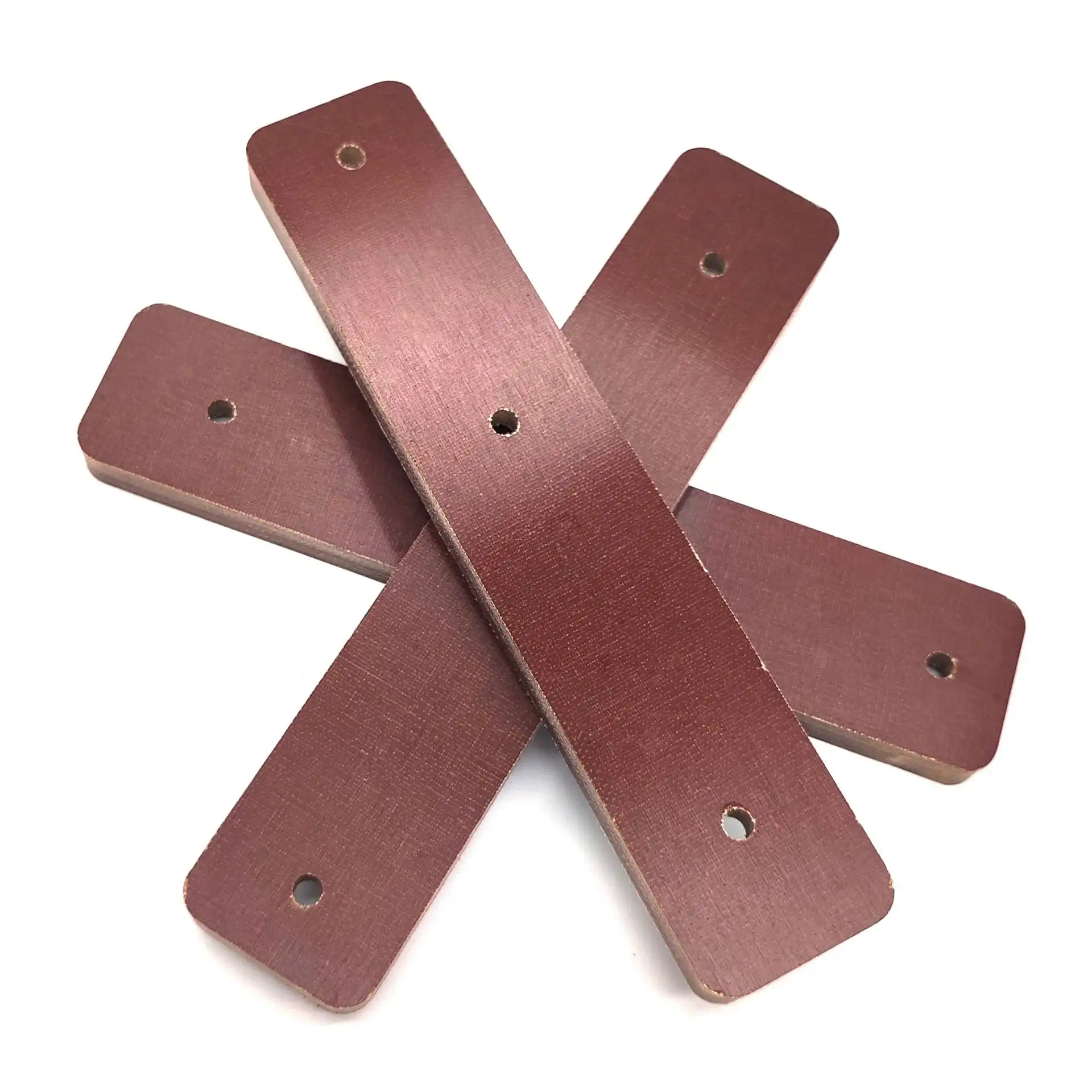
Understanding NEMA CE Sheets and Their Industrial Relevance
What Defines Certified Electrical Insulation Materials
NEMA CE sheets are made of special composite materials that are made to work in tough industrial settings. Phenolic resins are mixed with cotton paper or glass cloth to make these laminated goods. They protect against electrical current, thermal stress, and mechanical contact. The approval method checks the materials' dielectric strength, flame resistance, and dimensional stability across a range of temperatures. This makes them essential for uses where equipment failure could threaten safety or interrupt operations.
Key Material Properties Engineering Teams Evaluate
Technical buyers look at a number of important factors when choosing insulation laminates for CNC processing. Voltage tolerance is based on dielectric strength, and safe working temperatures for motor parts and transformer units are shown by thermal values. Mechanical qualities like flexural strength and compressive resistance affect how well it works in structure uses, like making gears and spacers for machines. Machinability affects the cost of tools and the speed of production, especially when making complicated shapes for car electrical panels or battery pack barriers.
Industry Applications Across Manufacturing Sectors
To keep live parts inside transformer housings and circuit breaker units separate, power distribution systems use precisely cut insulation walls. These materials are used by automotive suppliers to make battery packs for electric vehicles. The choice of material is based on fire safety and temperature management. Manufacturers of home appliances use made insulation frames around motor windings and heating elements to keep costs down and durability high. Makers of industrial machinery choose phenolic laminates for parts that don't wear down when they're under constant mechanical loads, and makers of electronics count on PCB support structures that work consistently as dielectrics.
The CNC Machining Process for Certified Insulation Sheets
Preparation and Material Handling Protocols
The first step in CNC processing for NEMA CE sheets is storing and acclimating the materials correctly. We keep climate-controlled spaces to keep the amount of moisture stable. This stops changes in size during cutting that could affect final standards. Before programming starts, sheet checking methods make sure that the thickness is consistent, the surface is good, and there are no delaminations. Material identification systems keep track of certification paperwork all the way through the production process. This makes it possible to follow documents for quality checks and to make sure they are in line with regulations.
Core CNC Techniques for Laminate Processing
The cutting process includes several steps that are specifically designed for composite materials:
- Cutting Operations: CNC cutters with carbide tools cut sheets into blanks while keeping the sides straight, which is important for the fit of the assembly. Feed rates keep processing speed and edge quality in balance. This keeps chip-out along cut lines, which could hurt the performance of insulation.
- Drilling Procedures: Specialized drill bits make mounting holes and venting holes without causing delamination around the edges of the holes. Peck-drilling cycles control the flow of chips and keep heat from building up, which could damage plastic matrices.
- Milling Applications: Operations that contour make complicated shapes for housing parts, motor mounts, and custom spacers. With multi-axis cutting, you can make undercut features and slanted surfaces that you couldn't make any other way.
These combined methods make sure that the parts meet the requirements of the plan while still keeping the electrical qualities that are required for safety-critical uses. Because we know a lot about code, we can improve tool paths to reduce material waste, which saves money on large orders.
Post-Processing and Quality Verification
After the first round of grinding, parts are deburred to get rid of any sharp edges that could damage the insulation during assembly or cause high-voltage electrical arcing. Some surface treatments include cleaning steps to get rid of cutting leftovers that get in the way of bonding. Using coordinate measuring tools to check the dimensions makes sure that the tolerances match the engineering plans, and electrical testing makes sure that the dielectric integrity stays the same after mechanical processing.
Benefits of Using CNC Machines for Electrical Insulation Processing
Precision and Repeatability Advantages
By eliminating the human error that comes with making things by hand, CNC technology makes it possible to achieve dimensional accuracy measured in thousandths of an inch across production runs of NEMA CE sheet components. When making parts for automatic assembly lines, where fit tolerances have a direct effect on production speed, this repeatability is very important. Engineering managers like how CNC accuracy cuts down on trial-and-error during prototyping, which speeds up the product development process and uses less material during design confirmation.
Cost Efficiency Through Optimized Material Usage
Advanced nesting software sets up part plans to get the most out of raw sheets, which means less waste than with standard cutting methods. Because the same machine can work with different sizes and types of material, it saves money by not needing to buy separate machines for each job. Batch processing can handle both custom orders for small amounts and large production runs. This gives buying teams the freedom to adapt to changing demand patterns without having to buy new equipment.
Maintaining Certification Integrity Through Process Control
CNC workflows that are written down produce audit trails that connect finished parts to source material certifications. This is necessary for businesses that have to follow strict rules set by regulators. Process parameters saved in CNC programs make sure that the same processing conditions are used for all runs of production. This stops performance differences that could put compliance at risk. This makes it easier for procurement specialists to choose reliable sources for projects that need approved materials. This lowers the risk in the supply chain and the chance of being sued.
Selecting CNC Service Providers for Insulation Materials
Equipment Capabilities and Technical Expertise
To evaluate possible suppliers, you have to compare the specs of their CNC tools to the needs of the project. Machines with the right work envelope dimensions can handle the big panel sizes that are common in enclosure manufacturing. Spindle speed ranges affect the quality of the surface finish on resin-based composites. Tooling inventory shows if providers have the right carbide cutters and specialty drill bits for handling laminated materials cleanly without delamination.
Certification Verification and Quality Systems
Procurement managers should ask for proof of quality management system certifications that show a dedication to regular processes. Material test results that prove the electrical and mechanical properties meet the standards must be included in the supplier documentation packages. Being able to provide proof of compliance makes customer receiving inspections easier and helps with internal quality checks. This is especially helpful for major car suppliers and power equipment makers who have to deal with strict regulatory scrutiny.
Production Capacity and Delivery Reliability
When buying teams know how long it takes for suppliers to make NEMA CE sheet and other components, they can better plan their inventory amounts and production schedules. Our integrated logistics skills let us handle rush orders more quickly while keeping normal arrival times that support just-in-time manufacturing strategies. We handle domestic and foreign deliveries that meet project deadlines without letting high freight costs eat away at budget margins. We have over 20 years of production experience and dedicated shipping resources.
Challenges and Best Practices in CNC Processing
Common Processing Obstacles and Solutions
When pieces are cut away from laminated sheets, internal pressures are released, which causes the material to change shape during cutting. Correct fixturing methods and sequential machine plans help keep bending to a minimum, and controlled feed rates keep heat from building up too quickly, which can soften resin binders. To avoid coating damage along cut edges, you need to use sharp tools and cut at the right speed so that the material is sheared cleanly instead of tearing the surface layers.
Risk Mitigation Through Process Optimization
When non-compliant parts are put into service, they can cause safety problems and cost a lot of money to fix. We use statistical process control to keep an eye on important measures during production runs and catch drift before tolerances get too big. Environmental factors keep the temperature and humidity steady so that changes in the properties of the material don't affect how well it can be machined and how accurately its dimensions are met.
Workforce Training and Continuous Improvement
When handling specialized insulation materials, the level of skill of the operator has a big effect on the results. Machine operators get regular training to make sure they know how to use different techniques for metals and mixed materials. Regular repair on the equipment stops problems with tool wear that lower the quality of the edges, and reviews of the code find ways to speed up the process without lowering the quality standards.
Conclusion
CNC cutting gives you the accuracy, speed, and records of compliance that you need to work with approved electrical insulation materials such as NEMA CE sheet in a wide range of industry settings. Procurement teams get parts that meet strict performance standards and keep costs low by learning about the features of materials, choosing reliable sources, and following best practices. When you combine advanced manufacturing technology with tried-and-true material science, you get solid answers to the electrical safety problems that modern businesses face.
FAQ
How do certified sheets differ from standard materials in CNC processing?
To keep the electrical qualities that were proven during tests, certified insulation materials need to be handled in a certain way. Standard materials don't have known dielectric strength and flame resistance values, so they can't be used in electrical uses that need to be safe. To keep approved performance traits and stop delamination, CNC processing parameters must take into account composite construction.
What methods verify authentic certification documentation?
Ask the companies that make the materials for mill test results that include batch-specific property information. Compare the supplier's certificates to the marks on the sides of the original certificates. Third-party testing services can confirm electrical properties if the validity of the paperwork is still in question, but this costs more and takes longer to deliver.
What lead times should procurement teams expect?
Depending on how complicated they are and how many are ordered, standard parts usually take two to three weeks to arrive after the order is confirmed. Custom tools for complex shapes may add an extra week to the schedule. Our transportation infrastructure allows for faster processing when project deadlines require it, without lowering the quality standards.
Partner with J&Q for Certified Insulation Sheet Solutions
J&Q has been making electrical insulation materials for more than 20 years and has also been trading internationally for ten years, helping electronics makers, machine builders, and power equipment providers. We can use certified NEMA CE sheet materials and CNC processing to make precise parts. We also offer full quality paperwork and combined shipping services to back this up. Engineering managers and procurement specialists can now rely on a NEMA CE sheet provider that is dedicated to providing excellent technical support and quick response times to customer needs. Email our team at info@jhd-material.com to talk about your project needs and find out how our one-stop service model makes it easier to find approved insulation parts for tough industrial uses.
References
National Electrical Manufacturers Association. (2021). "NEMA Standards Publication on Industrial Laminated Thermosetting Products."
Anderson, R. M., & Chen, L. (2020). "CNC Machining Parameters for Composite Electrical Insulation Materials." Journal of Manufacturing Processes, 48, 234-247.
Thompson, J. K. (2019). "Quality Assurance in Electrical Insulation Component Manufacturing." Industrial Engineering Quarterly, 35(2), 112-128.
Peterson, S. A. (2022). "Material Selection Guide for Power Distribution Equipment." Electrical Equipment Standards Review, 19(4), 67-89.
Williams, D. R., & Martinez, C. (2021). "Advanced Fabrication Techniques for Phenolic Laminates." Composite Materials Technology, 44(3), 201-219.
Hughes, T. M. (2020). "Supplier Qualification Strategies for Certified Electrical Components." Procurement Engineering Handbook, 12(1), 78-94.

Get a complete product list and quotation

J&Q New Composite Materials Company



