How CNC Drilling Improves Precision in FR4 Laminate Sheet Processing
CNC drilling has become the standard method for achieving tight tolerances in FR4 epoxy fiberglass laminate sheet fabrication. Made from 7628 electronic fabric bonded with epoxy resin under high temperature and pressure, FR4 material combines strong dielectric performance with mechanical rigidity — properties that demand precise, controlled drilling to preserve integrity. When hole placement is even slightly off, electrical failures follow. This guide breaks down why CNC drilling matters, where traditional methods fall short, and what procurement teams should look for when sourcing quality FR4 laminates.
Understanding FR4 Laminate Sheets and Their Processing Challenges
What Makes FR4 a Demanding Material to Drill?
FR4 is what the NEMA grade system calls a flame-resistant mix of epoxy and glass. This board is much stronger than most because it is made of woven fiberglass, which has a Barcol hardness of 76 and a breaking strength of 571 MPa. That amount of toughness is good for service but makes it hard to cut.
Why the Material Composition Matters?
Inside the concrete core, the fiberglass weave is very rough. High-speed steel drill bits that are used every day wear out quickly, which makes the glue smear. Solid carbide or diamond-coated tools are needed to keep the hole walls clean. Over 100 kV of parallel breakdown voltage is built into the laminate. If you don't have the right tools, you can lose this strength where it has been filed.
Common Defects When Drilling FR4
When drilling into fiberglass laminates, common issues include layers of epoxy coming apart, fibers pulling away from the edges of the holes, resin burning from frictional heat, and holes that are too big or too small. More than one process is harmed when hole quality is bad. Copper plating adhesion, dependability, and the final electrical performance of the PCB are just a few examples of the things that are changed.
Why Traditional Drilling Methods Fall Short for FR4 Sheets?
Inconsistent Hole Quality in Manual Operations
The ability of the person doing the drilling determines whether it is done by hand or partly automatically. That's because the feed pressure changes between operators and even between shifts. This results in holes of different sizes and rough walls inside them. When making PCBs, errors in hole placement can be as small as 0.05 mm. This means that human methods can't keep up the level of consistency needed for large panels.
High Scrap Rates and Rework Costs
A lot of waste is made when mechanical tools are used on FR4 because the fibers come apart and the laminate doesn't stick together. These days, most broken boards are thrown away because they can't be fixed. When buying, teams are in charge of big orders, and the scrap rate directly raises the cost per unit and makes delivery take longer.
Production Downtime from Tool Wear
Because FR4 Epoxy Fiberglass Laminate Sheet is made of rough fiberglass, standard drill bits wear out quickly in it. Replace worn parts in the middle of a run. This slows down production lines, raises the cost of consumables, and adds variation. Conventional drilling is not a good way to process large amounts of FR4 because it takes a long time and isn't always reliable.
How CNC Drilling Enhances Precision and Efficiency in FR4 Laminate Processing?
CNC drilling is better than manual methods because the feed rates, machine speeds, and drill tracks are controlled by a computer and stay the same from cycle to cycle.
When using CNC systems to make things out of FR4, these are the main technical advantages:
- Controlled feed rate and spindle speed: CNC machines adjust parameters in real time based on material thickness and hole diameter. For FR4 sheets ranging from 0.3 mm to 100 mm in thickness — such as those produced by JingHong — feed rates can be precisely tuned to avoid heat accumulation at the drill tip, reducing resin burning and delamination risk significantly.
- Repeatable hole placement across large panels: CNC positioning accuracy typically reaches ±0.025 mm or better. Across standard panel sizes of 1030 mm × 1230 mm or custom sizes like 1220 mm × 2440 mm, this consistency translates directly into higher PCB yield rates and fewer assembly failures downstream.
- Compatibility with complex drill patterns: Modern CNC systems handle dense via arrays, countersinks, and variable-depth drilling without requiring tooling changeovers. This capability is particularly valuable for multilayer PCB substrates and structural insulation parts used in switchgear and motor components.
Because of these pros, CNC milling is the best choice for businesses that need to make lots of FR4 parts. 15–25% more PCBs can be made when factories switch from hand drilling to CNC drilling. Most of the time, this is because there is less delamination and better-quality plated through-holes.
Comparative Analysis: CNC Drilling vs. Other Techniques for FR4 Sheets
CNC Drilling vs. Manual Mechanical Drilling
When working on prototypes, drilling by hand works fine, but when working on large amounts of FR4, it can't meet the output or positional tolerance needs. Consistency in hole width, positional accuracy, cycle time, and scrap rate are all things that can be measured and show that CNC systems are better than traditional methods.
CNC Drilling vs. Laser Drilling
Making micro-vias in laminates that are very thin—often less than 0.2 mm—is easy with laser cutting. But heat from the laser can damage larger FR4 boards in one spot, changing the epoxy matrix near the hole wall and making the insulator less effective. CNC mechanical cutting is still the best way to make boards that are more than 0.3 mm thick, which is what most FR4 uses in the business world need.
CNC Drilling vs. Punch and Die Methods
When FR4 Epoxy Fiberglass Laminate Sheet isn't too hard, punch casting works. But when the laminates are hard, FR4 breaks at the punch edge. Inside delamination that can't be seen from the outside is also caused by the compressive force. The hole walls are clean and sealed when CNC drilling, and there is no stress along the horizontal axis. This keeps the laminate's 2.2 × 10²³ insulation resistance, which was found after it was soaked in JingHong's tested FR4 grade.
Procurement Insights: Selecting the Right FR4 Laminate Supplier
Certifications Are Non-Negotiable
When purchasing fiberglass epoxy laminate sheets, teams should check that they meet UL 94 V-0 fire safety standards, comply with RoHS, and have ISO quality certifications. JingHong's FR4 sheets have marks for ISO 9001, ISO 14001, and ISO 45001, and they have been checked to make sure they meet the UL 94 V-0 flame retardancy grade.
Custom Sizing and Stable Supply Capacity
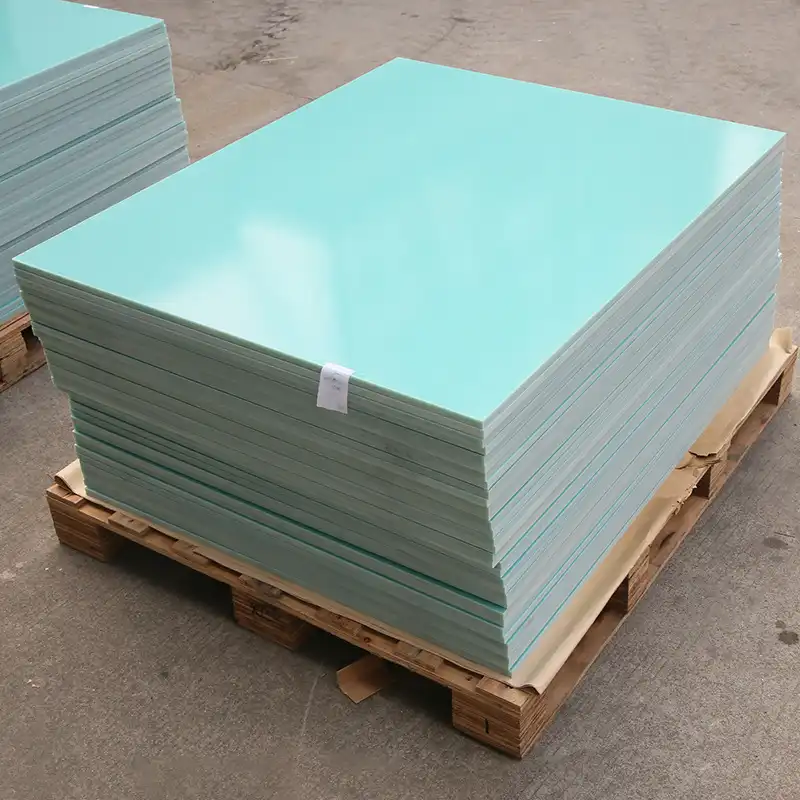
On production lines, standard panel shapes don't always fit right. It's easier to design devices when suppliers offer custom sizes like 1030 mm × 2030 mm, 1220 mm × 2440 mm, and 1030 mm × 2070 mm. These sizes cut down on waste. JingHong has two factories that make 43,000 tons of goods every year. This is enough to meet the needs of large OEM orders with a 500 kg minimum order quantity (MOQ).
Supplier Integration and Logistics Support
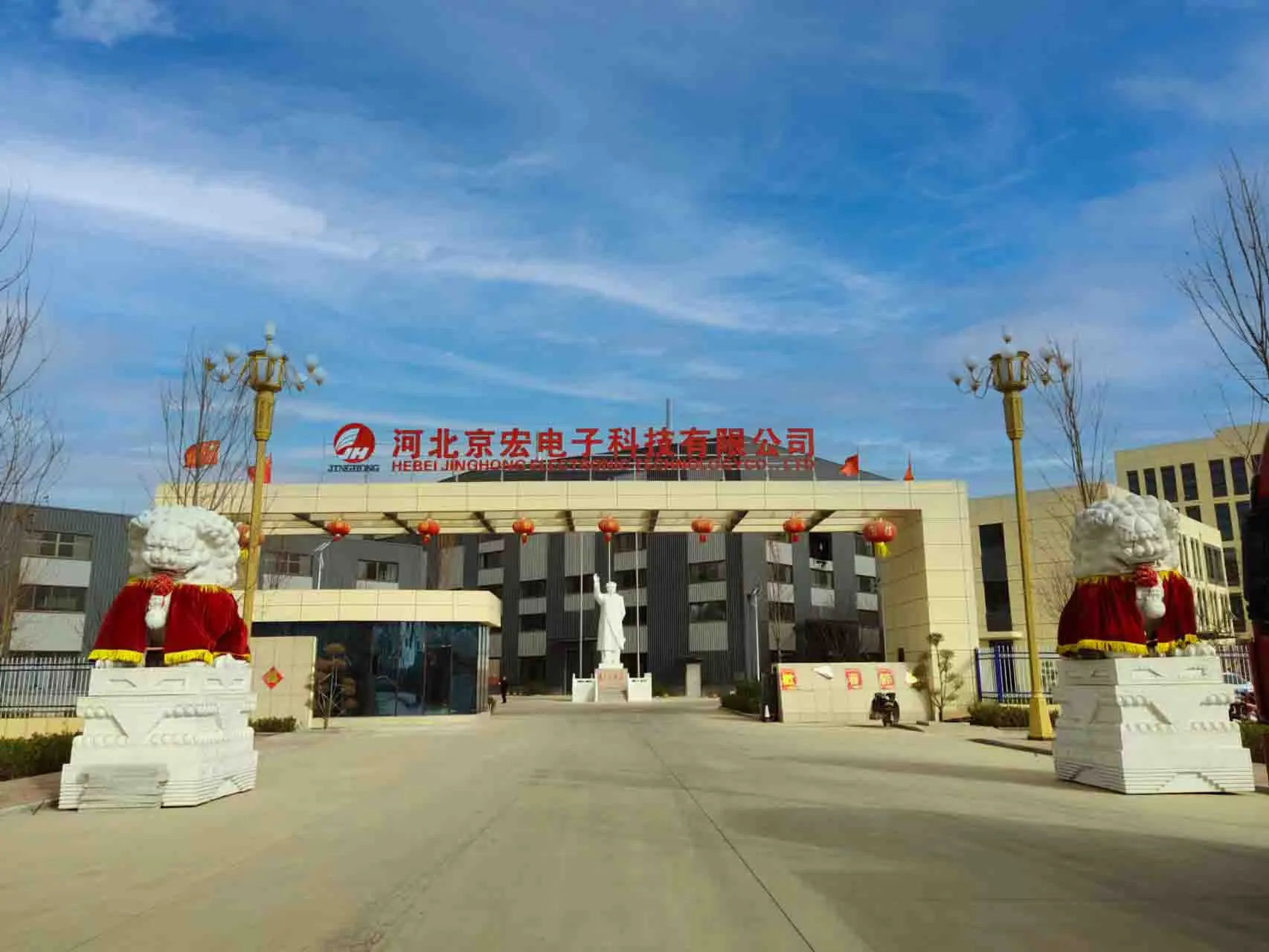
Procurement works better when sellers are in charge of both shipping and quality control. JingHong has its own logistics network and supports freight by sea, land, and air. Pallets protect the packages that are sent by these means. Lead times are cut down because direct sales are made first. They've been making things for over 20 years and dealing with other countries for over 10 years. They do everything, from making sure the order is correct to getting it through customs.
Future Trends in FR4 Processing and CNC Technology
AI-Assisted Process Optimization
Arduino and AI are being used more and more to change settings on CNC drilling systems. They can tell right away when a drill bit is worn out and change the feed rates to avoid mistakes. Making things this way is getting closer to its goal of having no flaws without any help from a person.
Eco-Friendly FR4 Formulations
People who make materials are working on halogen-reduced forms of FR4 that are still V-0 flame retardant but have less bromine to them. Tougher rules about the environment can be met by these goods in the EU and North America. They don't change the mechanical or electrical properties that engineers need.
Industry 4.0 Integration for B2B Procurement
Thanks to digital tracking, which links batch material data to CNC drill logs, procurement teams can check quality at every step of the way. This level of paperwork cuts down on the time needed to get certified by tier-1 automakers and power distribution OEMs, and it also helps with long-term supplier certification programs.
Conclusion
To work with FR4 Epoxy Fiberglass Laminate Sheet accurately, you need to start with good materials and cut them carefully. It is easy for fiberglass-epoxy composites to wear down, they react badly to heat, and they easily separate. CNC technology can fix these issues more accurately than manual methods. For engineering managers, OEM sourcing teams, and technical procurement experts, the best way to get better yield and lower total production costs is to buy FR4 grades from certified sources that can be cut on a CNC machine.
FAQ
What thickness range of FR4 sheets is compatible with CNC drilling?
CNC drilling handles FR4 from approximately 0.3 mm up to 100 mm thick. JingHong's FR4 laminate sheets are produced across this full thickness range, making them suitable for both thin PCB substrates and thick structural insulation parts.
How does CNC drilling reduce delamination in fiberglass laminates?
CNC systems control spindle speed and feed rate to minimize heat at the drill tip. Lower heat means less thermal stress on the epoxy-fiberglass interface, which is the primary cause of delamination during drilling.
Are custom-sized FR4 panels available for specific production fixtures?
Yes. JingHong offers custom sizes including 1030 mm × 2030 mm, 1220 mm × 2440 mm, 1030 mm × 1030 mm, and 1030 mm × 2070 mm, in addition to the standard 1030 mm × 1230 mm panel.
Does FR4 color affect its electrical or mechanical performance?
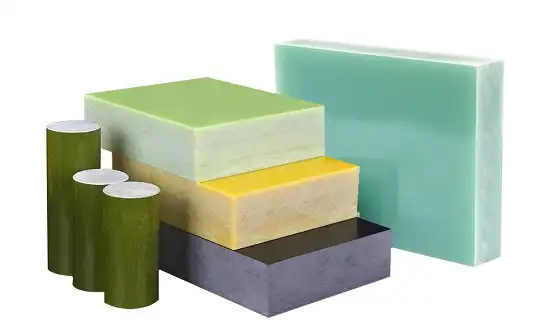
JingHong's FR4 is available in light green, yellow, and black. Core mechanical and dielectric properties remain consistent across colors. For high-voltage applications, independent electrical testing on colored variants is recommended, as pigments can marginally influence dielectric dissipation factor readings.
Partner with J&Q for Certified FR4 Epoxy Fiberglass Laminate Sheet Supply
J&Q sells high-quality FR4 Epoxy Fiberglass Laminate Sheet to businesses all over the United States. The company can make 43,000 tons of this material every year, and its production is ISO-certified, and it has special export logistics. Our team can quickly get back to you with low bulk prices, whether you need normal panels or panels that are cut to the exact size you need. You can email our team at info@jhd-material.com or visit blog.jhd-material.com to get specs and learn how to buy something.
References
1. IPC — Association Connecting Electronics Industries. IPC-4101: Specification for Base Materials for Rigid and Multilayer Printed Boards. IPC, 2017.
2. Coombs, Clyde F. Printed Circuits Handbook, 6th ed. McGraw-Hill, 2007.
3. NEMA. LI 1: Industrial Laminating Thermosetting Products. National Electrical Manufacturers Association, 2020.
4. Harper, Charles A. Electronic Materials and Processes Handbook, 3rd ed. McGraw-Hill, 2004.
5. Lau, John H. PCB Design for Real-World EMI Control. Springer, 2019.
6. Ullett, J.S., and Messick, R.P. "Drilling of Printed Wiring Boards: A Review of Mechanics and Materials." Journal of Electronic Materials, 1995.

Get a complete product list and quotation
J&Q New Composite Materials Company