How Can Manufacturers Reduce FR4 Epoxy Board Processing Defects?
Manufacturers can significantly reduce processing defects in FR4 94V0 epoxy boards through a comprehensive approach that addresses material quality, process optimization, and equipment precision. Key strategies include selecting certified suppliers who provide consistent glass-reinforced epoxy laminates meeting UL 94V-0 flame retardant standards, implementing rigorous process controls during lamination and drilling, maintaining proper environmental conditions to prevent moisture absorption, and investing in automated inspection technologies. Regular calibration of CNC machining equipment, operator training programs, and statistical process control methods all contribute to minimizing common issues like delamination, warping, and dimensional inconsistencies that compromise electrical insulation performance.
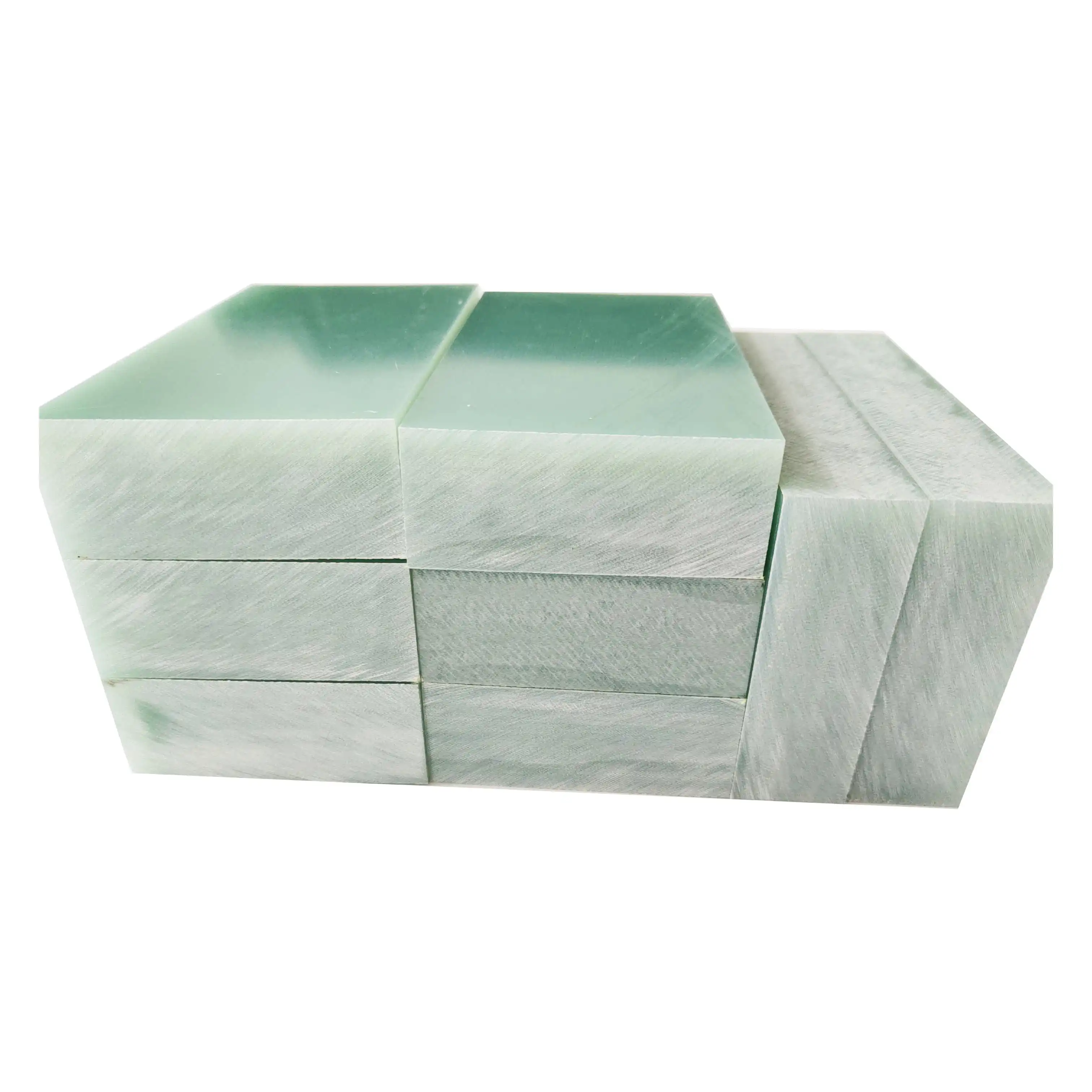
Understanding FR4 94V0 Epoxy Board Processing Defects
Recognizing what can go wrong during production is the first step in improving quality. FR4 94V0 materials are essential to modern electronics, from the bases of telecommunications equipment to the parts of high-voltage switches. However, their composite structure makes them difficult to work with when making things.
Common Defect Types in Epoxy Board Manufacturing
Processing flaws show up in a number of different ways that have a direct effect on the stability of the result. Delamination happens when the layers of glass cloth and epoxy resin that were joined together come apart. This usually happens because the curing temperatures weren't high enough or there was too much water in the mixture before lamination. This separation makes air pockets that weaken the material's dielectric strength and thermal conductivity. This means that it can't be used for high-performance PCB uses where thermal cycles shouldn't cause blistering or white spots.
Another very important issue is warping, which happens a lot with thicker boards used in power distribution equipment. When the thermal expansion rates of the copper layers and the epoxy base don't meet, boards get curved, which makes it impossible to place components correctly. Dimensional instability can also happen in test fixtures and jigs that have to be flat over and over again under a lot of mechanical pressure.
How Defects Impact Performance and Costs?
These flaws in the manufacturing process cause problems that spread through the whole process. The Comparative Tracking Index (CTI) goes down when voids are trapped in the laminate. This makes it more likely that a conductive path will form when there is a lot of voltage and moisture, which is a problem that can't be ignored in the power sector. Problems with solderability caused by contaminated surfaces or incorrect resin contents require expensive rework cycles, which push back delivery dates and cut into profits. By knowing how these defects happen, engineering teams can focus their efforts on areas where they will have the biggest impact on improving things.
Analyzing Causes of FR4 94V0 Epoxy Board Processing Defects
To stop defects, the whole production line needs to look at their causes. The quality of the final product is affected by many factors that work together. This is why systematic analysis is more important than reactive troubleshooting.
Raw Material Quality and Supplier Consistency
Getting the right materials is the first step toward producing things without any problems. Glass-reinforced epoxy laminates from different suppliers are very different because of the types of resin used, how tight the glass weave is, and how the brominated flame retardant is distributed. Glass Transition Temperature (Tg) can vary from 130°C to over 170°C for High-Tg variants, and materials that don't have ISO approval or the right compliance documents often have Tg values that are different from batch to batch. If the materials that come in don't have the right thermal qualities, the processes that come after them can't fix it. For example, lamination pressures that are best for a certain Tg range will cause delamination or partial resin flow with different types of materials.
Problems are especially sneaky when moisture is absorbed before processing Fr4 94v0 Epoxy Board. When epoxy boards are stored in uncontrolled environments, they soak up water from the air. This water evaporates at high temperatures, leaving holes and blisters inside the boards. Reliable suppliers give materials with written storage instructions and suggest pre-bake steps, but many problems are caused by bad handling rules between receiving the materials and processing them.
Manufacturing Process Variables
The number of defects is directly affected by the process factors. The temperature, dwell time, and pressure used for lamination must all be exactly right for the material. Not enough pressure doesn't get rid of the air between the layers, but too much force can squeeze out the resin, leaving areas that don't have enough resin and aren't as strong. The woven glass reinforcement has a very high flexural strength of over 400 MPa, but it also causes problems because it quickly dulls cutting tools, which causes rough edges, microcracks, and deviations from the thickness tolerances that machinery builders depend on.
When drilling through-holes, heat stress is created that can cause delamination if the feed rates and spindle speeds aren't right for the glue system. The type of etching and how long it lasts affect how well copper sticks to the base, which in turn affects how reliable the device is over time when it is heated and cooled. Each step in the process is a possible place where a flaw could appear, so they all need to be carefully watched.
Environmental and Equipment Factors
A manufacturing environment's quality is an important factor in creating defects that isn't given enough attention. Cleanroom standards keep out particles that can damage bonds, and controlled temperature and humidity keep the sizes of materials stable before they are machined. Calibration drift in equipment slowly moves processes out of specs. For example, a laminating press with uneven heating zones will make boards with different cure profiles all over their surface.
The human factor that is often overlooked is the expertise of the operator. Technicians with a lot of experience can pick up on small signs that something is wrong, like strange resin smells while it's curing or strange cutting sounds that mean the tools are getting worn down. Training programs that develop this tacit knowledge are the first line of defense against the spread of defects, but many facilities spend more on buying tools than on developing their workers.
Principles and Best Practices to Reduce FR4 94V0 Board Defects
Strategic material buying and strict process management work together to reduce defects effectively. Excellence in manufacturing doesn't come from small improvements here and there. It comes from systematic approaches that look at quality as a whole.
Rigorous Material Procurement and Verification
Material variability can be turned from a risk into a managed variable by working with certified sources. Trusted partners give thorough datasheets that list the dielectric constant (which is usually between 4.4 and 4.8 at 1 MHz), the dielectric breakdown voltage (which is more than 40kV), and the thermal performance traits that have been checked using NEMA LI 1-1998 and ASTM D test methods. These specifications make it possible for incoming inspection protocols to check the properties of materials before production starts. This way, nonconforming batches can be caught before they turn into scrap.
Advanced providers offer customization services that match the qualities of materials to specific uses. For example, the plastic content can be changed for uses that want the material to be easy to CNC-machine and those that need it to be very resistant to flames. This collaborative approach narrows the gap between what the material can do and what the process needs, which makes it less likely that defects will happen. Long-term partnerships also make it easier to respond quickly to problems with quality. Technical support teams can help figure out whether the problems are caused by material or process variables.
Systematic Process Monitoring and Control
Manufacturing Fr4 94v0 Epoxy Board goes from being an art to a science when statistical process control (SPC) is used. Getting real-time data on important factors like lamination temperatures at different press locations, drill bit wear indicators, and etching bath chemistry shows process drift before it causes defects. Control charts show when processes are getting close to the limits set by specifications. This lets you do preventative maintenance instead of waiting for quality to slip.
Lean production and Six Sigma are both ways of doing things that help you keep getting better. Value stream mapping finds steps that don't add value, like waiting in line or being handled more than necessary, which can lead to contamination or damage. Define, Measure, Analyze, Improve, and Control (DMAIC) projects get rid of the causes of defects instead of just fixing the symptoms. A Six Sigma project helped one electronics company cut delamination rates by 73% by finding the best pre-bake conditions based on the dampness level in the air.
Advanced Inspection and Manufacturing Technologies
Automated optical inspection (AOI) systems find flaws on the surface that can't be seen by hand, like tiny cracks, contamination, and changes in size that are outside of acceptable ranges. X-ray inspection finds internal gaps and delamination in multilayer constructions before the boards are put together, which saves a lot of money on costly rework after the components are put together. With these technologies, quality control moves from final review to tracking while the product is being made. This way, problems are found closer to where they happen, when fixing them costs less.
Better laminating equipment with zone-controlled heating and pneumatic pressure distribution makes sure that large areas of panels cure evenly, getting rid of the hot spots and changes in pressure that cause defects in certain places. Modern CNC routers with adaptive feed rate control can handle differences in material hardness, so the edge quality stays the same even when cutting glass, which is rough on tools. Even though these technologies cost money to buy, they usually pay for themselves in 18 months by cutting down on waste and increasing production.
Case Studies: Successful Defect Reduction in FR4 94V0 Epoxy Board Manufacturing
Real-life examples show how focused actions turn ideas into results that can be measured. These cases show that quality improvement works in a variety of manufacturing settings, even when the defects are different types or the organizations involved are different.
Process Optimization: Minimizing Delamination
A company that makes parts for cars had trouble with battery pack barrier insulation delaminating 12% of the time, which put production numbers for a big OEM deal at risk. A root cause analysis showed that their lamination press had 15°C temperature differences across the platen surface, which created spots where the resin wasn't curing properly. Instead of buying new equipment, they set up a two-step cure process: first, a low-temperature consolidation step to get rid of any trapped air, and then a high-temperature final cure step. This change to the process, along with pre-heating the panels before they came in to get rid of any wetness they had received, cut delamination to 1.8% in six weeks. The process development for the solution cost less than $50,000, while the cost of a new press was $400,000. This shows that understanding how defects work is often more important than having high-tech equipment.
Strategic Supplier Changes Enhancing Thermal Stability
A company that makes transformers had problems with busbar support parts twisting because they became more curved than allowed during high-temperature service. The problem was found to be caused by arriving materials that didn't quite meet the Tg requirements (they were supposed to be 130°C, but they were actually clustering at the lower end of the allowed range). When you switch to a supplier that offers High-Tg variants with verified 170°C+ glass transition temperatures, the warping stops completely, even though the manufacturing process hasn't changed. This case shows how material property margins directly affect how robust a process is. Specifications set the lowest values that are acceptable, but materials close to specification limits don't allow for much process variation.
Automated Inspection Adoption Lowering Rework Rates
A company that makes PCBs for the telecommunications industry was having to pay more and more to fix problems that were found during final electrical testing. They were able to find faulty panels early by using X-ray screening after lamination but before drilling. These panels were then put in quarantine before expensive copper deposition and etching processes added more value. A study of the reasons why some panels were refused showed that holes were more common in panels from certain storage areas that had bigger changes in temperature. Moving storage of materials to a climate-controlled area and using X-ray inspection cut rework related to holes by 67%, which made the equipment work 23% better overall. The inspection system paid for itself in 14 months just by cutting down on waste. It also helped with on-time delivery, which was an added bonus.
Summary & Recommendations for Procurement Managers and Engineers
To lower the number of defects in the production of Fr4 94v0 Epoxy Board, it is important to coordinate how the materials are sourced, how the process is run, and how technology is used. Quality is not just the duty of one area in the most successful companies; the procurement, engineering, and production teams all work together around common metrics.
Strategic Supplier Evaluation and Partnership
When choosing suppliers, it's not enough just to compare prices; you also need to look at their professional skills and quality processes. Certified providers keep track of everything by keeping batch records that connect finished boards to specific resin lots and glass fabric rolls. This makes it easy to quickly find the cause of problems when they happen. If you want to prioritize mechanical strength for structural insulation, dielectric properties for high-frequency circuits, or flame resistance for safety-critical power distribution equipment, their technical support teams know what you need and can suggest the best material grades.
When looking at possible business partners, make sure you ask for specific compliance documents that prove they meet UL 94 V-0 flame rating and RoHS standards. Make sure that the process options, such as custom thickness tolerances and CNC machining precision, match the needs of your design. Find out about lead times and minimum order quantities, especially if you need to make a lot of changes to the design or prototypes. Suppliers that have been around for a while and have a wide range of customers usually have more freedom than those that depend on a few big deals.
Practical Implementation Roadmap
Start efforts to reduce defects by taking a baseline reading. Figuring out the current defect rates by type, process stage, and material lot will help you keep track of progress. Consider both how often and how badly a defect affects the business when deciding how to prioritize it. If a problem with 2% of parts' edges being rough isn't directly hurting customer-critical performance, then a problem with 15% of boards being delaminated should be looked at first.
Make changes slowly instead of trying to completely overhaul everything. Try out new inspection methods on a single production line, write down the results, make the steps better, and then spread the good ideas. This method improves the organization's skills while causing as little trouble as possible. Get the operators involved from the start. Their knowledge of the process can often reveal ways to make it better that engineering analysis misses.
Set up feedback loops that connect data about success in the field to records about production. Traceability systems should be able to find the exact production batch, material lot, and process conditions when boards fail during customer applications. This will show if failures tend to cluster around certain factors. This closed-loop quality system turns field mistakes from one-off events into chances to make the whole system better.
Conclusion
To lower Fr4 94v0 Epoxy Board processing flaws, you need to find a balance between material science, process engineering, and organizational discipline. When manufacturers work with approved suppliers, use data-driven process controls, and the right inspection tools, they can keep their defect rates below 2% and still be competitive on price. The way forward is to focus on preventing problems instead of finding them, which means building quality into processes instead of checking it after the fact. As electronics become more reliable and power systems handle higher voltages, companies that learn how to cut down on defects will be able to take advantage of growing market possibilities in areas like charging stations for electric cars, infrastructure for green energy, and advanced phone networks.
FAQ
What are the most common defects in FR4 94V0 board processing?
The main flaws are delamination, which happens when the layers of resin and glass separate because of moisture or not fully curing; warping, which happens when the thermal stress on the copper and substrate doesn't match up; internal voids from gases getting trapped during lamination; and edge quality problems that happen because the metal wasn't cut properly. Surface pollution that makes it impossible to solder and changes in size that are outside of the allowed thickness range also happen a lot, especially when the properties of the material change when it arrives or when environmental controls fail during storage and handling.
How does supplier selection impact defect rates?
Baseline defect susceptibility is directly linked to the quality of the supplier. Certified providers who follow ISO quality systems give consistent material properties from batch to batch, which lowers process variability. They give you verified thermal properties like the Glass Transition Temperature and thorough compliance paperwork, which lets you set the best process settings. Technical support speeds up the process of figuring out what's wrong, and traceability systems connect finished boards to lots of raw materials to help find the root cause.
What inspection technologies most effectively catch processing defects?
Automated optical inspection finds flaws on the surface that can't be seen by hand, while X-ray systems find holes and delamination inside multilayer structures. Electrical testing checks the resistance and strength of the dielectric. Laser scanning systems used for measuring dimensions can pick up on changes in thickness and warping. The best inspection strategy uses these technologies at key points in the process, like verifying the arriving material, doing internal quality checks after lamination, and confirming the final dimensions. This way, flaws are caught as close to where they happen as possible.
Partner with J&Q for Consistent Quality FR4 94V0 Epoxy Board Supply
Getting good results from making starts with getting materials from trusted sources. J&Q has been making insulating sheets for over 20 years and has been trading internationally for 10 years. This makes us your reliable source for Fr4 94v0 Epoxy Board. Because we are vertically integrated, we have dedicated logistics capabilities that allow us to provide a true one-stop service from choosing materials to delivering them. We have strict quality systems that make sure we meet UL 94V-0 flame rates and RoHS standards. These systems are backed up by a lot of detailed documentation that helps you with your quality efforts. Our engineering team works with your purchasing and production teams to suggest the best material grades for your needs, whether you're making high-frequency PCB boards, power distribution insulation, or precise test tools. Get in touch with us at info@jhd-material.com to talk about your needs. Our focus on the customer means that we offer competitive prices, flexible order quantities, and technical support that helps you reduce processing errors and improve production efficiency. Blog.jhd-material.com has more information on how to choose materials and make the best products.
References
1. National Electrical Manufacturers Association. (2018). Industrial Laminating Thermosetting Products: NEMA Standards Publication LI 1-1998. Rosslyn, VA: NEMA.
2. Coombs, C.F. (2021). Printed Circuits Handbook, Seventh Edition. New York: McGraw-Hill Education.
3. Khandpur, R.S. (2020). Printed Circuit Boards: Design, Fabrication, Assembly and Testing. New Delhi: Tata McGraw-Hill.
4. American Society for Testing and Materials. (2019). ASTM D229-19: Standard Test Methods for Rigid Sheet and Plate Materials Used for Electrical Insulation. West Conshohocken, PA: ASTM International.
5. Tummala, R.R., Rymaszewski, E.J., & Klopfenstein, A.G. (2017). Microelectronics Packaging Handbook: Part II, Semiconductor Packaging, Second Edition. Boston: Springer.
6. Prasad, R.P. (2019). Surface Mount Technology: Principles and Practice, Third Edition. Chennai: Notion Press.

Get a complete product list and quotation

J&Q New Composite Materials Company



