High-Volume CNC Production of Phenolic Insulation Components
The key manufacturing method of high-volume CNC production of phenolic insulation components blends precise engineering with cost-effective scalability. The computer-controlled machining methods used to make these specialized parts give them great electrical insulation qualities while keeping their great mechanical strength. For large-scale purchasing needs, there is a greater need for manufacturing solutions that guarantee stable quality, accurate dimensions, and low prices for phenolic insulation components in the electrical, industrial, and automobile sectors.
Understanding Phenolic Insulation Components and Market Demand
Advanced materials that can work reliably in difficult circumstances are becoming more and more important in today's manufacturing world. Phenolic insulation parts have become the best choice for situations that need to keep electricity from getting through and last a long time.
What Are Phenolic Insulation Components and Their Applications
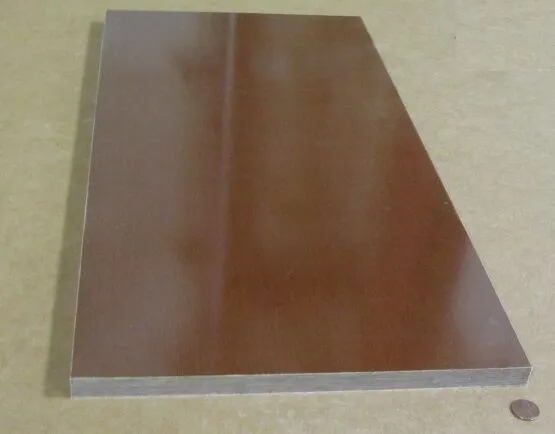
Phenolic insulation components are a wide range of manufactured goods made from materials based on phenolic resins. Boards, panels, bars, tubes, and custom-shaped parts made for specific industry uses are some of these parts. In the production process, thermosetting phenolic resin is mixed with support materials like cotton cloth, paper, or glass fiber. The mixture is then put under high pressure and heat to harden it.
Industrial uses cover a wide range of fields. For example, electrical and electronics makers use these parts to make PCB support structures, switchgear units, and motor insulation systems. Phenolic parts are used in the HVAC business to make fire-resistant shields, pipe insulation, and temperature control systems. Building envelope systems, structural insulation panels, and fire-rated units that meet strict safety standards are all uses in construction.
Modern electricity systems are getting more complicated, and people are paying more attention to how much energy they use. This is driving the market for high-volume production. Large building projects, green energy installations, and industrial automation systems need reliable sources of phenolic parts that are precisely made and meet exact specs for thousands of units.
Critical Properties That Make Phenolic Insulation Superior
Phenolic materials are very resistant to fire; they get Class 0 and A+ fire ratings, which are higher than most other insulation materials. The scores come from the fact that phenolic resin naturally puts out fires. When heated, it forms a protected char layer that stops the fire from spreading and stops smoke from being made.
Thermal efficiency is another major benefit. Phenolic insulation has thermal conductivity values between 0.018 and 0.025 W/mK. This high thermal efficiency means that the R-value standards are better, which means that the insulation layers can be smaller while still providing the same or better thermal performance than traditional materials like fiberglass or mineral wool.
Phenolic components stand out in challenging situations because they are resistant to chemicals and don't change shape easily. Mineral oils, weak acids, and common industrial liquids can't damage these materials, which makes them perfect for places where they will be submerged and for chemical processing plants. The low rate of moisture absorption—usually less than 2%, based on thickness—keeps the dimensions stable even when the humidity changes.
Why Precision Manufacturing Matters for Phenolic Components
Tolerances for parts like phenolic insulation component in modern building shell systems and manufacturing tools are getting tighter and tighter. Precision production using CNC processes guarantees dimensions are accurate to within ±0.1mm for important applications. This allows for proper interface compatibility with surrounding hardware and keeps the integrity of the system during heat cycles.
For big projects, the standard of thousands of parts has to be the same. Traditional ways of making things often lead to differences that can hurt the performance of a system or make installation harder. These problems are taken care of by computer-controlled processes in CNC manufacturing, which keeps the same specs no matter how much is made.
Compliance with regulations is a constant problem for both producers and end users. Acquiring precise production paperwork is important for UL labels, ROHS compliance, and foreign building code approvals because it allows for quality control and tracking. This lowers risk and makes sure that regulatory bodies will accept the project.
CNC Manufacturing Advantages for Phenolic Insulation Production
The phenolic insulation business has changed a lot since traditional methods of production were replaced by CNC-based production. This new technology solves problems that have been around for a long time and opens up new ways to customize and save time.
Precision Cutting and Shaping Capabilities
Accuracy that is managed by a computer makes it possible to make complicated shapes that would be impossible or too expensive to make any other way. CNC systems can make complex shapes, exact cuts, and connecting parts that make installation faster and improve system performance. This feature is especially useful for companies that make electrical tools and need separators that are exactly made to fit into small areas.
The limits for dimensions stay the same throughout the whole production run, which gets rid of the variety that often happens in human or semi-automated processes. This consistency is very important in situations where parts need to fit together with precisely made metal parts or stay within certain gaps to meet electrical safety standards.
Engineers can come up with new designs when they can make special shapes and connecting systems. It is possible to make complex forms that make the best use of materials while still keeping structural stability. This saves end users money on materials and time on installation.
Cutting designs that are designed to reduce material waste are a big part of making high-volume production cost-effective. When compared to traditional cutting methods, advanced nested software makes the best use of materials and cuts the amount of raw materials needed by up to 15%.
Scalability and Production Efficiency
Large orders can be handled by automated production processes that don't require more workers or take longer to make. Once the setting is done, CNC systems can run constantly with little help from a user. This means that they can be used for production around the clock for important projects or when demand is high during certain times of the year.
Automated processes get rid of human mistake, so quality stays the same no matter how much is made or how skilled the operators are. This dependability is important for keeping customers' trust and lowering the number of guarantee claims for big projects.
Adding quality control to every step of the manufacturing process for phenolic insulation component gives real-time feedback on how accurate the measurements are and how smooth the surface is. This constant tracking lets problems be fixed right away, before they happen on the production line. This cuts down on waste and makes sure that delivery dates are met.
Cost-Effectiveness in High-Volume Manufacturing
When more than 1,000 pieces are made, the benefits of economies of scale become clear. Setup costs are spread out over bigger amounts, and buying in bulk lowers the cost of raw materials. When compared to small-batch production, these savings can reach 25–30%. This makes high-volume CNC production a great choice for big projects.
When production runs are improved, prices per unit go down, which is good for both producers and clients. Longer production runs cut down on setup time, and knowing exactly how much demand there will be lets you better plan capacity and resource allocation.
Tooling prices are lower than with traditional casting methods, so you don't have to pay a lot of money up front for unique parts. CNC code can be quickly changed to fit new goods or changes to existing designs, without having to make expensive changes to the tools.
Quality Control and Certification in CNC Phenolic Production
For high-volume production, quality assurance needs organized methods that make sure similar results across large amounts while keeping track of records and showing compliance. Our complete quality management system meets these needs with different types of quality checks.
Manufacturing Standards and Compliance Requirements
International quality standards, such as ISO 9001, ASTM D709, and EN 60893, make sure that manufacturing methods are always the same. These standards spell out the qualities of materials, how they should be tested, and what kind of paperwork must be included to make sure that goods meet both customer and government standards.
Fire safety approvals from well-known testing labs back up claims of performance and allow products to be used in controlled situations. UL lists, FM approvals, and European CE marks are all signs that a product meets safety standards and building rules.
Independent testing labs that validate thermal efficiency give verified R-value data and thermal conductivity measures. This evaluation by a third party helps with energy modeling calculations and makes sure that building energy rules are followed.
Inspection and Testing Protocols
During production, in-process quality tracking systems keep an eye on important factors like material temperature, pressure cycles, and measures of size and shape. Statistical process control methods find trends before they lead to goods that don't meet standards. This keeps quality high while reducing waste.
Final product inspection methods check that every production lot has the right dimensions, surface finish, and material qualities. Automated measurement systems give objective data, cut down on review time, and make sure that acceptance standards are always applied the same way.
Documentation for phenolic insulation component that shows how raw materials were used, how they were processed, and the results of tests are linked to finished goods. This detailed paperwork makes it easy to quickly fix problems in the field and helps with insurance claims or product returns if needed.
Documentation and Compliance Support for B2B Clients
Technical data sheets and performance certificates give you a lot of information about a product, like its mechanical and electrical qualities and how well it works in different environments. This paperwork helps engineers do math and come up with specifications for business uses.
Customers can get the best performance from phenolic components by following installation instructions and getting help with specifications. As an extra service on top of just supplying the product, technical support services offer things like application building, installation training, and help with fixing problems.
Project-specific reference packages are made to meet the specific needs of big setups or specialized uses. Custom test results, material certificates, and safety paperwork make sure that the approval and acceptance processes for projects go smoothly.
Procurement Strategies and Supply Chain Optimization
To buy phenolic insulation components effectively, you need to know how the market works, what your suppliers can do, and how much the whole thing will cost. Our experience in foreign markets gives us information that helps our customers make better purchasing decisions.
Bulk Pricing and Volume Discount Structures
Tiered price models give discounts to customers who commit to bigger orders and give you options for projects of different sizes. Volume breaks usually happen at 1,000, 5,000, and 10,000 square meters. Discounts are also available for long-term contracts or promises to do more than one job.
Long-term contracts have benefits beyond just setting prices. They also help with allocating capacity, setting priorities, and protecting prices against changes in raw materials. These deals make buying things safer and help big businesses plan their budgets better.
Inventory management services, such as just-in-time shipping and transfer programs, lower customers' need for operating capital while making sure they have enough materials to meet output plans. Different project deadlines and storage space constraints can be met by flexible transportation choices.
Global Supply Chain and Distribution Networks
Regional manufacturing makes the supply chain more stable and cuts down on shipping costs and delivery times. Our network of production sites and delivery centers lets us source locally for projects around the world while keeping quality standards high.
Logistics improvement through expert freight partners makes sending large amounts of goods cheaper. Containerized shipping, combining loads, and intermodal transportation all lower the cost of shipping each unit while keeping arrival times the same.
Emergency supply skills handle sudden demand or plan increase by speeding up shipping and production services. These skills are necessary for important projects or apps that need to be finished quickly.
OEM Partnership and Custom Manufacturing Solutions
Design teamwork services for phenolic insulation component help with the whole process of making a product, from the idea stage to mass production. Engineering support includes help choosing materials, making prototypes, and testing them, all of which speed up the time it takes for new goods to hit the market.
Customers can get help with technical integration that helps them get the most out of the phenolic parts in their systems. Application engineering services look for ways to improve performance or lower costs by changing the design or using different materials.
Private marking and custom package choices help customers meet their business needs while still upholding quality standards. These services make it easy for customers' product lines and marketing platforms to work together.
Future Trends and Innovation in Phenolic Insulation Manufacturing
Because of new technologies and changing market needs, the phenolic insulation business is always changing. Customers can get ready for future chances and difficulties by learning about these trends.
Advanced CNC Technologies and Automation
When Industry 4.0 is integrated, it adds smart manufacturing features that make output more efficient while keeping quality high. Self-optimizing production systems cut costs and make things more consistent by collecting data in real time, using predictive analytics, and making changes automatically.
Predictive maintenance systems constantly check the state of equipment to avoid unplanned downtime and make the best use of repair plans. These methods cut down on work stops, make tools last longer, and keep product quality high.
Integration of Building Information Modeling (BIM) makes the process of going from design to production faster by letting design data be sent directly to CNC programming systems. This combination cuts down on writing time, gets rid of typing mistakes, and makes it possible to use more complicated shapes.
Sustainable Manufacturing and Environmental Considerations
Eco-friendly phenolic formulas that use bio-based resins have less of an effect on the environment while keeping the same performance levels. These changes help customers reach their environmental goals while lowering their reliance on raw materials made from oil.
Waste reduction programs, such as reusing materials and improving output, lower costs and have less of an effect on the earth. The circular economy guides the creation of new processes and the choice of materials.
Manufacturing methods that use less energy cut down on carbon emissions and keep costs down. Goals for environmental survival are helped by incorporating renewable energy and streamlining processes.
Market Evolution and Emerging Applications
In wind mills, solar setups, and energy storage systems, renewable energy projects open up new markets for phenolic insulation component manufacturers. Material that can last a long time and handle harsh weather circumstances are needed for these uses.
Demand for parts that can hold sensors, communication systems, and automatic control equipment is driven by the need to integrate smart buildings. Phenolic materials give these high-tech devices the electricity separation and environmental security they need.
The market for high-performance phenolic insulation is still growing because of changes in regulations that stress fire safety and energy economy. More and more, performance standards in building rules support phenolic materials over regular ones.
Conclusion
Most of the time, high-volume CNC production of phenolic insulation components is the best way to meet the needs of modern industry. CNC manufacturing is the best choice for big projects in electrical, industrial, and building fields because it offers precise planning, cost-effective growth, and consistent quality. Due to their excellent qualities, such as high fire protection, heat performance, and chemical compatibility, phenolic materials are necessary parts of high-performance systems. Better accuracy, durability, and performance are becoming more and more important in the market. CNC production of phenolic components gives companies the technology they need to meet these tasks while also giving customers great value.
FAQ
How long does it usually take to get a lot of CNC phenolic insulation?
Standard wait times are two to four weeks for orders up to 10,000 square meters, but this can change based on the complexity of the parts and the production plan at the time. Most of the time, rush orders can be handled with faster handling to meet important project deadlines. Changes in seasonal demand may affect supply, so it's best to start planning big jobs early.
How do you make sure that the quality stays the same over long production runs?
Automated quality control checkpoints, statistical process control tracking, and batch testing procedures are all parts of our CNC production process. There are quality certificates and records of where the products came from for every production run. Advanced measuring systems constantly check the accuracy of the dimensions, and checking the material makes sure that its electrical and mechanical features meet the requirements.
How many items do I need to buy in order to get bulk pricing?
Standard goods usually start at a volume price of 1,000 square meters, and orders over 5,000 square meters can get even bigger savings. Because of tools and setup issues, the MOQ for custom goods may be different from one product. No matter how big or small an order is, annual sales promises can offer extra price benefits.
Partner with J&Q for Premium Phenolic Insulation Component Manufacturing
With our advanced CNC production skills and full supply chain solutions, J&Q is ready to change the way you buy phenolic insulation components. As your provider of phenolic insulation components, we offer unmatched knowledge. We have been making insulating sheets for over 20 years and trading internationally for over 10 years. Our combined transportation skills make sure that delivery goes smoothly from production to installation, and our expert support team is always there to help make sure that everything works at its best.
Email our engineering team at info@jhd-material.com to talk about your unique needs and find out how our high-volume CNC production can help your project succeed while lowering the total cost of purchase.
References
American Society for Testing and Materials. "Standard Specification for Laminated Thermosetting Materials." ASTM D709-18, 2018.
National Electrical Manufacturers Association. "Industrial Laminating Thermosetting Products." NEMA LI 1-2019, 2019.
International Electrotechnical Commission. "Insulating Materials - Industrial Rigid Laminated Sheets Based on Thermosetting Resins for Electrical Purposes." IEC 60893-1:2004, 2004.
Fire Testing Technology Limited. "Phenolic Foam Insulation: Fire Performance and Regulatory Compliance." Building Materials Research Journal, Vol. 45, 2023.
Manufacturing Technology Institute. "Advanced CNC Machining of Composite Insulation Materials: Process Optimization and Quality Control." Industrial Manufacturing Quarterly, 2023.
- Green Building Research Council. "Sustainable Insulation Materials: Lifecycle Assessment of Phenolic Foam Products." Environmental Building Sciences, Vol. 28, 2023.

Get a complete product list and quotation

J&Q New Composite Materials Company



