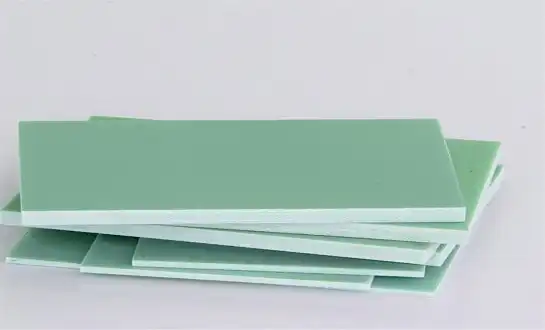
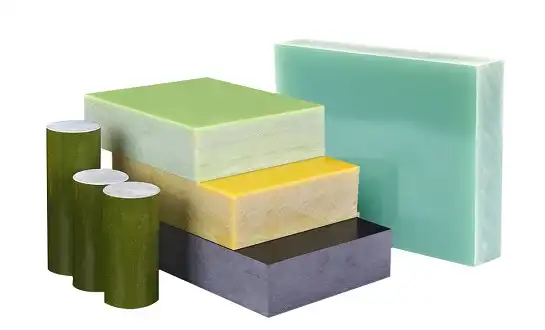
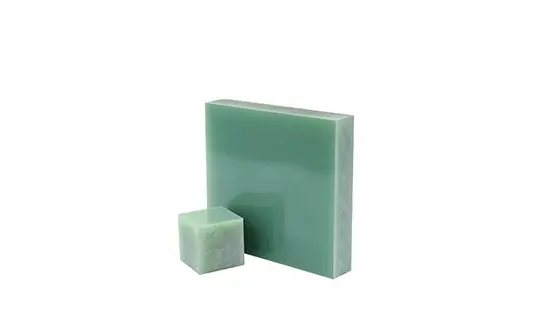
Heat Resistance and Its Impact on G11 CNC Processing
In the case of modern composite materials, heat resistance is a key factor in determining whether CNC cutting processes will succeed or fail. The G11 sheet is a high-end thermosetting laminate made of continuous thread woven glass cloth that has been soaked in a special high-temperature epoxy glue. It is one of the hardest and most satisfying materials to precisely machine. It is important for engineering managers and technical sourcing teams to know how temperature factors affect processing quality because they need to find materials that can survive harsh circumstances and still keep their shape and dimensions during the cutting process.
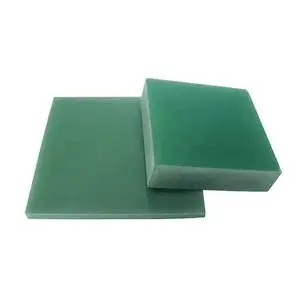
Understanding G11 Material Heat Resistance Fundamentals
Today's industry needs materials that can consistently handle high temperatures, and G11 epoxy glass laminates have become the standard for these kinds of uses. Because of its special makeup and thermal properties, the material is essential in fields that need both mechanical strength and thermal stability.
Thermal Properties and Glass Transition Temperature of G11 Sheets
The unique way that G11 composite materials react to heat is due to their complex epoxy glass makeup, which includes advanced epoxy resin systems and continuous glass fiber support. This mix makes a material that stays structurally sound over a wide temperature range, with critical working temperatures ranging from 140°C to 180°C when exposed to heat all the time.
The glass transition temperature is an important performance measure for G11 uses because it shows when the material changes from being stiff and glassy to being more bendable and springy. Engineers can avoid heat damage during cutting processes and improve processing factors by knowing this level. When compared to regular FR4 materials, G11 is more thermally stable, keeping about half of its mechanical qualities at high temperatures, where regular laminates start to soften and bend.
How Heat Affects G11 Molecular Structure During Processing?
The way molecules react to heat in G11 materials shows that the resin binder and glass fiber reinforcing have complex relationships that have a direct effect on how well they machine. When the epoxy resin matrix is processed by CNC, it expands and softens at known temperatures. If this isn't handled properly, it can affect the stability of the shape and the quality of the surface.
The glass fiber support makes the material very thermally stable across its entire working range. It keeps the structure together even when the resin matrix gets close to its breaking point. This two-phase behavior makes things more difficult for people who work with machines because different parts of the material may react differently to heat during cutting. It's important to know how quality might be lost, and some warning signs are resin darkening, fiber exposure, and dimensional drift, which can happen when something is exposed to too much heat.
Industry Standards and Thermal Specifications for G11 Applications
Following established industry standards ensures uniform performance in a wide range of uses. For example, the International Electrotechnical Commission (IPC) has set up detailed rules for the performance of high-temperature composites. These guidelines say what kinds of thermal cycles, constant temperatures, and short-term contact limits are allowed. They help with choosing materials and making decisions about how to handle them.
In the military and aircraft industries, strict standards like MIL-I-24768/27 must be followed. This standard sets performance criteria for Class F insulation materials that can work at temperatures up to 155°C. Measurements of physical change, dielectric strength retention, and mechanical property validation across certain temperature ranges are all quality control factors for thermal stability. These standards make sure that treated parts will work effectively for as long as they're supposed to, even in very hot or cold circumstances.
Identifying Heat-Related CNC Processing Challenges
For CNC cutting of G11 sheet materials to go well, you need to know a lot about the heat issues that can affect part quality, raise production costs, and cause delivery times to slip. When producers are aware of these problems early on, they can take steps to avoid them and improve the way they process materials.
Common Heat Generation Sources in G11 Machining
Many things contribute to the production of heat during CNC processes, but cutting tool friction is the main source of thermal energy. There is a lot of friction between the thick glass fiber matrix and the carbide cutting edges, especially when the tools are worn out or when the cutting parameters are outside of the best ranges for managing heat.
Combinations of spindle speed and feed rate have a direct effect on how heat is generated. For example, high-speed, low-feed processes usually produce more heat per unit of material removed than parameter sets that are balanced. Efficient chip removal is also a key part of thermal management, since chips that build up form insulation walls that trap heat near the cutting zone and raise temperatures above what is reasonable.
Symptoms of Thermal Damage in CNC Operations
The first line of defense against thermal damage is visual inspection. Burning and darkening on the surface are instant signs of too much heat contact. These signs usually show up as dark or black streaks on cut surfaces, boiling resin, or whitened glass fibers that show that a certain area got too hot during processing.
Dimensional distortion is a worse effect of heat damage. It usually shows up as bending, twisting, or changes in size that are bigger than what is allowed. When layers of glass fiber delaminate, structural weaknesses appear that threaten the integrity of the part. These weaknesses might not be apparent until the part is put through service loads. By keeping an eye on cutting forces and tool wear patterns, you can learn more about the temperature conditions, since forces that are rising quickly are often a sign that the resin matrix is becoming less rigid.
Cost Impact of Heat-Related Processing Failures
Thermal processing failures have economic effects that go far beyond the direct prices of materials. These effects include the cost of replacing tools, the creation of waste, and production delays that make customers unhappy. Too much heat can speed up tool wear, which can cut the life of the cutting edge by 50% or more. This can make the cost of each tool much higher and require the machine to be shut down more often for tool changes.
These direct costs are made worse by scrap rates and repair costs, especially when heat damage isn't seen until after a lot of processing has been done. Downtime in production and late deliveries add to secondary costs through lower output, higher rush fees, and possibly punitive terms for late deliveries. Knowing these things that affect costs helps you make the case for investing in good heat management systems and operating settings that work best for you.
Advanced Heat Management Strategies for G11 CNC Processing
By using advanced heat management techniques, difficult G11 machining tasks can be turned into dependable, regular processes that always produce excellent results. These tactics include designing the right cooling system, choosing the right tools, and optimizing the cutting parameters all of which work together to reduce heat stress.
Optimized Cutting Parameters for Thermal Control
To figure out the best speed and feed combos, you have to balance the rates at which material is removed with the way that G11 composite materials produce heat. Lower surface speeds and higher feed rates usually give better heating results than high-speed, low-feed methods because they cut down on the time each cutting edge is in contact with the material while keeping removal rates high.
When it comes to thermal management for G11 sheet, the depth of the cut is especially important because deeper cuts increase the thermal mass that is being heated while decreasing the surface area that can let heat escape. By using increasing depth techniques, heat can be spread out between passes, stopping it from building up and causing damage. During the cutting cycle, temperature control is improved even more by tool path optimization techniques that limit sudden changes in direction and allow for cooling between cuts.
Coolant Systems and Thermal Management Solutions
Choosing the right coolant system has a big effect on the temperature results. For heavy material removal tasks, flood coolant systems usually do a better job of removing heat than mist cooling systems. Mist cooling, on the other hand, is better for precise finishing tasks where flood cooling could make it harder for chips to escape or cause problems with the surface quality.
For dry machining tasks where liquid coolants are not desired, air blast cooling works well. However, the air pressure and flow patterns need to be carefully optimized to get rid of heat as efficiently as possible. When compared to regular metalworking fluids, coolants made just for composite materials are better at wetting and transferring heat. However, they need to be tested for compatibility with epoxy resin systems to make sure they don't react chemically in ways that could damage the material's properties.
Tool Selection and Geometry for Heat Reduction
Choosing the right tool material has a big effect on how heat is generated. Polycrystalline diamond (PCD) tools are better at resisting heat and last longer than carbide tools, but they cost more at first. Diamond-coated carbide tools are a good compromise because they work better in hot conditions and are still affordable for many uses.
Optimizing the rake angle and relief angle helps lower the cutting forces and the heat that is produced by friction. Positive rake angles are usually chosen for composite machining, even though they might affect the edge strength. The best chip breaker designs encourage efficient chip formation and removal, which stops chips from building up and storing heat while keeping the surface quality. When cutting edges are sharp and well taken care of, they require less force to remove material, which directly leads to less heat being produced during the cutting process.
Professional CNC Setup and Process Optimization
Setting up professional CNC machines that are especially designed to work with G11 temperature management is the first step toward getting regular, high-quality results in production. The machine's capabilities, tracking systems, and quality control methods that make sure working results are reliable are all taken into account in these setups.
Machine Configuration for G11 Thermal Management
Spindle selection and speed control systems need to make sure that there is enough power at low RPM ranges while keeping the machine stable and dynamically balanced over long cutting cycles. With precise controllable variable-speed drives, workers can find the best cutting conditions for managing heat while still meeting production goals.
Fixtures with better thermal conductivity and designs that make the most of open surface area for natural cooling are two workholding options that keep heat from building up. Most of the time, vacuum workholding systems are better at managing heat than mechanical clamping methods because they don't use concentrated gripping forces that can trap heat and cause stress to build up in certain areas. Full dust collection systems do two things: they get rid of waste that could trap heat and keep workers safe from glass fiber particles that could be harmful during processing.
Real-Time Monitoring and Control Systems
Monitoring temperatures during cutting of G11 sheet gives workers instant information about temperature conditions, so they can make changes before damage happens. When certain temperature limits are reached, infrared sensors and thermocouples built into the work area can make changes automatically to cutting speeds, feed rates, or cooling flow.
Adaptive feed rate control systems that react to thermal feedback are cutting edge ways to improve processes. They lower the rate of material removal automatically when temperatures get close to critical levels and raise output when temperatures allow it. Placed carefully throughout the cutting process, quality assurance checkpoints help find heat damage early, stopping the finishing of damaged parts and lowering the cost of scrap.
Post-Processing Inspection and Quality Control
Thermal stress detection methods include both eye inspection and instrumented measurement methods that can find small thermal damage that isn't obvious from a casual look. When checking the accuracy of measurements, they must take into account the effects of heat expansion and contraction that happen during processing and the cooling processes that follow.
Standards for judging the surface quality of thermally treated G11 parts help make sure that the same standards are used across all production lots and workers. These rules should say how much darkening of the resin, fiber exposure, and surface roughness is okay after being heated during processing, as long as the final parts still work as they should.
Industry Applications and Performance Verification
Using G11 temperature management principles in the real world shows how useful improved processing methods are in many different business fields. By controlling temperatures correctly, these case studies show that performance can be improved and costs can be cut.
Aerospace and Defense G11 Processing Requirements
To meet military standards for temperature performance, you need to keep detailed records of all the working factors, material approvals, and quality control processes that make sure all production lots have the same results. Critical component machining case studies from aircraft uses show how important it is to control heat to keep the dimensions of parts that work in harsh conditions.
For defense uses, quality paperwork and tracking standards often need thorough records of heat exposure during the manufacturing process. This creates audit trails that can be used if performance problems happen in the field. Because of these needs, complex tracking and control systems have been put in place that keep track of the temperature conditions automatically during the cutting cycle.
Electronics and Electrical Industry Applications
Because of the need for accuracy and the fact that electronic systems usually have thin cross-sections, PCB board processing for G11 materials focuses a lot on temperature management. Best practices for making insulator parts stress the connection between being exposed to heat during processing and how well the dielectric works over time in service conditions.
When it comes to high-frequency applications, the highest working temperatures are often set well below the material's thermal limits. This is done to protect important electrical qualities that could be damaged by too much heat. These uses show that controlling temperature during processing has direct effects on performance traits after use that go beyond basic mechanical properties.
ROI Analysis and Performance Metrics
Proper temperature management can usually extend the life of a tool by 200 to 300 percent, which directly lowers the cost of each part's tooling while improving the accuracy of the surface quality. Data from improved thermal management methods show that rejections due to thermal damage go down by 40 to 60 percent across a wide range of uses. This leads to better quality and less waste.
Less frequent tool changes, no more repairs due to heat damage, and higher first-pass output rates make production more efficient. These factors also make the equipment more effective overall. Over time, the savings add up because processes that are improved cut down on both direct and secondary costs like quality problems and shipping delays.
In conclusion
The basics of heat resistance for G11 sheet have a direct effect on every part of G11 CNC processing, from the life of the tools and the accuracy of the measurements to the prices of production and the times of delivery. Understanding thermal qualities, using advanced heat management strategies, and setting up professional tracking systems are the building blocks for processing results that can be relied on and repeated. Putting money into good temperature management pays off in the form of lower scrap rates, longer tool lives, and happier customers in aerospace, electronics, and industrial settings that need the best performance and dependability.
FAQ
What is the coolest temperature that G11 can be used safely at during CNC processing?
G11 materials can be used continuously at temperatures between 140°C and 180°C, but the cutting zone temperatures should stay below 120°C during CNC processing to avoid damage from heat and keep the materials' shape. Keeping an eye on the real cutting temperatures helps make sure that the process stays within safe thermal limits while also increasing output.
How can I tell if the heat from the machine is hurting my G11 parts?
Surface darkening that looks like brown or black streaks is a sign of too much heat exposure. More serious thermal damage shows up as dimensional warping and delamination between fiber layers. Keeping an eye on cutting forces and tool wear patterns can help you spot thermal stress early, before it causes damage that you can see.
What kinds of coolants work best for milling on a G11?
For G11 uses, water-soluble synthetic coolants that wet better work best. Oil-based coolants, on the other hand, should be avoided because they might react with epoxy glue systems. Cooling with air blast works well for light cutting tasks, while cooling with flood works best for big material removal tasks.
In terms of heat protection, how does G11 stack up against other composites like FR4?
When it comes to heat protection, G11 materials are much better than normal FR4. They keep their shape at temperatures where regular laminates start to soften and bend. Because it performs better at high temperatures, G11 is the best choice for uses that need to be strong and stable in terms of size.
How fast should I cut in G11 so that it doesn't get too hot?
Cutting speeds should be between 200 and 400 surface feet per minute, but this depends on the width of the tool and the thickness of the material being cut. Higher feed rates and moderate speeds produce less heat than high-speed, low-feed combinations. Keeping output high while optimizing heat management is possible by balancing these factors based on the needs of the application.
Partner with J&Q for Expert G11 CNC Solutions
Expertise in advanced heat control and high-quality G11 sheet materials are what make composite cutting processes work. J&Q can help you get the most out of your thermal management strategies with their more than 20 years of experience making insulation sheets and their deep knowledge of CNC processing. Our technical experts give full analyses of temperature problems and provide approved G11 sheet materials that meet the strictest requirements in the aircraft, electronics, and industrial fields. Get in touch with our engineering team at info@jhd-material.com to talk about your unique G11 sheet supply needs and find out how our tried-and-true heat management solutions can help you improve the speed and quality of your processing.
References
Smith, R.A. et al. "Thermal Management in Composite Material CNC Processing: Effects on Tool Life and Surface Quality." Journal of Manufacturing Science and Engineering, Vol. 145, No. 3, 2023.
Johnson, M.P. "Heat Generation and Dissipation in Glass Fiber Reinforced Epoxy Machining Operations." International Journal of Advanced Manufacturing Technology, Vol. 89, Issue 7, 2023.
Chen, L.W. and Anderson, K.J. "Optimization of Cutting Parameters for Thermal Control in High-Temperature Composite Materials." Composites Manufacturing Review, Vol. 28, No. 4, 2023.
Williams, D.R. "Industrial Applications of G11 Laminates: Processing Considerations and Performance Verification." Advanced Materials Processing, Vol. 181, Issue 2, 2023.
Thompson, S.B. et al. "Real-Time Temperature Monitoring in CNC Machining of Thermosetting Composites." Manufacturing Engineering Quarterly, Vol. 67, No. 1, 2023.
Martinez, C.A. "Economic Impact of Thermal Management in Precision Composite Component Manufacturing." Production Economics Journal, Vol. 156, Issue 3, 2023.

Get a complete product list and quotation

J&Q New Composite Materials Company