High-Volume CNC Manufacturing of NEMA CE Sheets
Making a lot of NEMA CE sheets on a CNC machine is a unique combination of precision engineering and industry compliance. Electrical makers and industry buyers look for NEMA CE sheet materials that are consistently the right size, have certified electrical insulation qualities, and have a reliable throughput that can keep up with tight production plans. Advanced CNC cutting meets these needs while strictly following safety rules that are important in electrical, power, and machinery uses.
Understanding NEMA CE Sheets and Compliance Requirements
What Are NEMA CE Sheets and Their Core Applications?
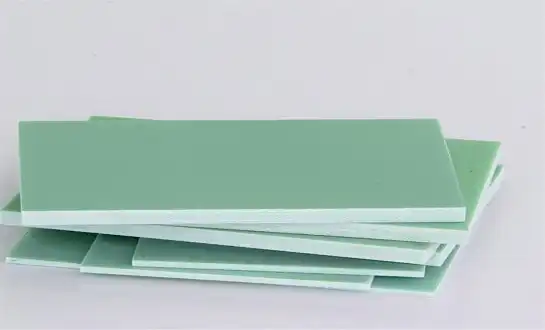
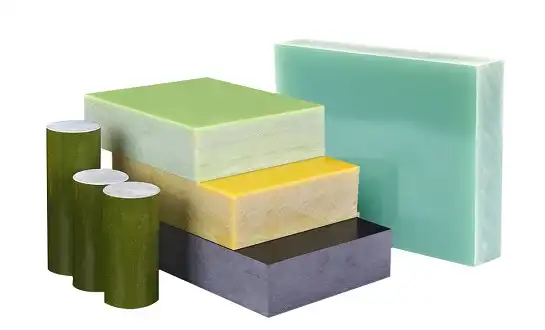
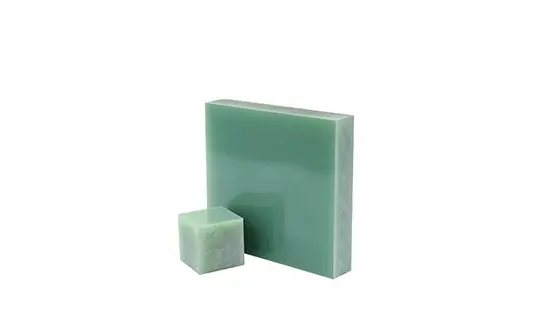
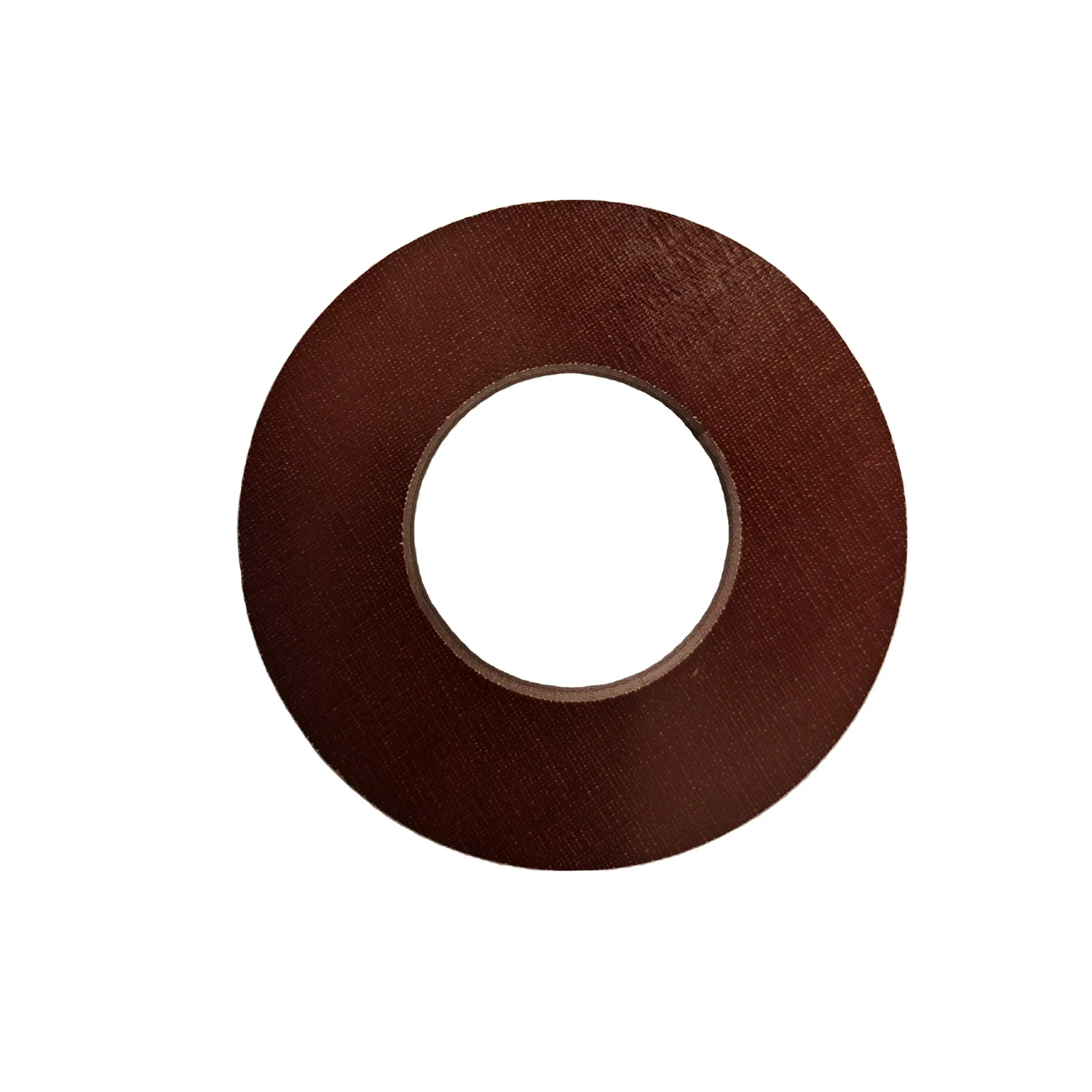
NEMA CE sheets are high-performance insulation materials made for industrial equipment, control panels, and electrical cabinets that need strong dielectric strength. Some of these materials are strengthened Bakelite, phenolic cotton sheets, and FR4 epoxy laminates. They are very good at withstanding heat and staying stable. We see uses for PCB support structures in electronics assembly and arc barriers in transformer systems, among other things. Because these materials can be used in so many ways, they are essential for electrical insulation, making motor parts, and building switchgear, where thermal safety and electrical separation are very important.
Compliance Standards: NEMA CE vs. IEC, UL, and CSA
Knowing the standards for certification helps buying teams avoid design mismatches that cost a lot of money. NEMA CE rated materials meet strict North American electrical safety standards that protect the environment and make sure the equipment works safely. IEC standards, on the other hand, are more popular in Europe, while UL approval checks that a material meets certain requirements for electrical performance and flammability. CSA approval means that Canada follows the rules. Suppliers of materials must show extensive testing records that confirm the dielectric strength, flame resistance scores, and consistency of dimensions across a range of temperatures. Buyers benefit from NEMA CE certification because it increases regulatory trust, lowers their risk of liability, and speeds up the approval process when putting parts together to make bigger electrical systems.
Benefits Driving NEMA CE Adoption Across Industries
Materials that are NEMA CE certified are highly valued by factories because approval ensures consistent quality standards. Safety guarantees include more than just basic insulation performance. They also include resistance to arc tracking, resistance to moisture, and material stability under electrical stress. When OEMs define certified materials, the market situation gets better because end buyers are demanding more and more written proof of compliance. Regulatory alignment makes it easier to ship goods and lowers technical hurdles in international supply lines. This makes NEMA CE sheets strategically valuable for businesses that serve customers in a variety of regions.
Challenges in High-Volume CNC Manufacturing of NEMA CE Sheets
Material Precision and Dimensional Accuracy Constraints
Tight limits are hard to achieve during high-volume production for technical reasons. Different types of laminated materials can be machined in different ways, based on the resin content, the direction of the reinforcements, and how they cure. During CNC processing, thermal expansion can cause changes in dimensions that make it harder for parts to fit together or for electrical clearances to be met. From our experience in manufacturing, we know that differences in NEMA CE sheet thickness, even when they are within standard tolerances, lead to mistakes that build up over the course of batch production. When making insulating barriers, it's important to keep the edge quality high because chipping or delamination can hurt the dielectric performance.
Workflow Management and Quality Control Balance
To increase output rate while still meeting standards, complex process controls are needed. The rules for handling materials must keep them from getting dirty or absorbing water, which can damage their electrical properties. Monitoring tool wear makes sure that cutting factors stay within the limits set during production runs. We use statistical process control tools that keep track of measures of dimensions, characteristics of the surface finish, and signs of visual quality. Manufacturers have to come up with efficient sample plans that find differences before they cause a lot of material waste in order to balance the number of inspections with the amount of work that needs to be done. Modern makers use real-time tracking systems that combine sensor data with automatic changes to keep the process stable.
Real-World Manufacturing Optimization
Recently, a transformer maker had rejection rates higher than 8% because the holes in arc barrier parts weren't always in the right place. The facility cut down on scrap to less than 2% while increasing output by 35% by using adaptive toolpath compensation and better workholding devices. This improvement came about after looking at how heat behaves during cutting processes and changing feed rates to lower material stress. The case shows how data-driven process improvement can help manufacturers get around common problems, making their products more reliable and saving money at the same time.
Optimizing CNC Processes for Efficient Production of NEMA CE Sheets
Advanced Machining Techniques for Insulating Materials
Because reinforced laminates are rough, CNC cutting technologies must be able to handle them while still keeping the edges straight. Specialized molding shapes that reduce heat production and stop resin from spreading are helpful for routing operations. When drilling, accurate spindle speeds and chip evacuation methods are needed to keep material from building up and causing mistakes in measurements. Waterjet cutting is useful for uses that can't handle heat because it gets rid of thermal stress while still allowing for complex shapes. Laser cutting is very accurate, but the parameters need to be carefully tweaked to keep the material from charring or delaminating. To get the best quality and cycle times, our production teams choose methods based on the types of materials used, the standards that need to be met, and the size of the batches they are making.
Automation Integration Accelerating Throughput
Automated systems for moving materials cut down on mistakes made by people and improve the regularity of production. Robotic filling stations keep the workpieces precisely positioned, so there is no setup difference between parts. Vision systems check the orientation of the workpiece before it is machined to make sure that the set toolpaths match the real shape of the material. Integrated measurement tools allow checking dimensions while the part is being made, and when variations are found, they cause real-time changes to the toolpath. These technologies shorten production cycles and cover more areas of quality control than the old methods of end-of-line checking.
Material Selection and Preparation Protocols
Getting certified materials is the first step in making sure that production is legal. Suppliers must provide full tracking paperwork that connects groups of materials to the original tests for approval. If you store things properly, they won't absorb water or chemicals that could damage the electrical properties before they are machined. Pre-machining preparation methods keep materials stable at controlled temperatures so that they don't change size too much during processing. Preparing the surface gets rid of any impurities that could get in the way of later building steps or coating treatments. Paying attention to these first steps stops quality problems later on that hurt the performance of components.
Documentation and Traceability Throughout Manufacturing
Keeping detailed records makes it possible to check for compliance and helps with efforts to keep getting better. Batch tracking systems connect produced parts to certifications for source materials, machining settings, and inspection results. Digital documentation platforms let you get to quality records right away during checks of customers or updates of certifications. Traceability tools make it easy to quickly figure out what went wrong when something fails in the field, which speeds up the process of fixing the problem. This strict method builds trust with customers and shows dedication to quality management principles that engineering-driven buying teams value.
Procurement Guide: Selecting and Sourcing High-Quality NEMA CE Sheets
Evaluating Supplier Capabilities and Certifications
When looking for trusted partners, you need to do more than just look at price. Certification files should show that both the features of the materials and the quality systems used in the production process have been checked by a third party. Structured process controls are shown by ISO 9001 certification, and product compliance is shown by specific electrical material approvals. A manufacturing capacity assessment looks at how well the equipment works, how much it can make, and what technical help tools are available. The terms of the warranty show how confident the source is in the consistency of the product and how they handle quality problems. We suggest that facilities be audited to look at the calibration of measurement tools, environmental controls, and user training programs, since these things have a direct effect on the quality of the parts that are provided.
Comparing Certification Standards Across Applications
When choosing materials, it's important to know how different standards meet the needs of different applications. NEMA CE sheets offer full safety for electrical enclosures that can be used in North American factories. IEC ratings are recognized all over the world, which is why global producers like to use them to make sure that specifications are the same in all of their sites. Along with electrical safety certifications, IP ratings directly address security against dust and moisture getting in. UL listings check for flammability factors that are important for fire safety requirements. Instead of using known standards, buyers should make sure that certification profiles match the real working conditions. If they don't, it can lead to extra costs or inadequate security.
Strategic Advantages of Bulk Purchasing and Custom Manufacturing
When you make a volume promise, you can get better price and the ability to customize specifications, which helps you stand out from the competition. Custom production partnerships make it easier to find the best materials for different uses, which could lead to simpler parts or faster assembly. Dedicated production runs reduce difference from batch to batch, which makes receiving quality processes easier and lowers the cost of keeping supplies on hand. Long-term supply deals keep prices stable and make sure that capacity is allocated during times of high demand. These working partnerships turn suppliers into professional partners who help with design and improve the performance of the product in ways other than just providing materials.
Future Trends and Innovations in NEMA CE Sheet Manufacturing
AI-Driven Automation Transforming Production Efficiency
Applications that use artificial intelligence are changing the way that industrial process improvement is done. Machine learning algorithms look at past production data and find small links between processing factors and quality results that people would miss. Predictive maintenance systems keep an eye on signs of machine damage and plan repairs before they stop production. Adaptive machining systems change the cutting settings automatically based on real-time feedback from force sensors and thermal tracking. This keeps the conditions at their best for the entire life cycle of the tool. These technologies cut down on waste, shorten lead times, and improve consistency in settings with a lot of output.
Sustainable Materials and Eco-Friendly Production Methods
Environmental concerns are having a bigger impact on the choices we make about materials and how we make things. Bio-based resin systems are becoming more and more attractive as options to plastics made from petroleum that don't hurt electrical performance. Recycled strengthening materials meet the need for mechanical strength while using fewer resources. With water-based cutting processes, you don't have to worry about how to get rid of the dangerous chemicals that come with regular cooling systems. Using energy-efficient tools lowers the carbon footprint of operations, which is in line with companies' environmental goals. These changes are in response to regulatory trends and customer tastes that favor supply lines that are good for the environment.
Anticipated Standards Evolution and Supply Chain Implications
Regulatory bodies are always making changes to safety standards based on new technologies and real-world experience. In future changes, there may be tighter standards for flammability or more outdoor exposure testing. Manufacturers must keep an eye on activities that create standards so they can predict changes to specifications that will affect the qualifications of their products. As global factors affect the availability of materials and the dependability of transportation, supply chain resilience becomes more important from a strategic point of view. More and more, procurement plans stress the importance of having a variety of suppliers and local buying choices to lower the risk of disruption. Companies that proactively change to these trends will be able to take advantage of market opportunities while also meeting their legal responsibilities.
Conclusion
Making a lot of NEMA CE sheets on a CNC machine requires advanced technical skills that balance accuracy, compliance, and output speed. To be successful, you need to know how the material works, use modern machining techniques, and choose partners whose quality control systems have been proven to work. As businesses move toward more automation and sustainability, buying strategies need to change to take advantage of new technologies while still meeting strict safety standards. Strategic relationships with suppliers that offer tailoring, technical support, and clear documents give businesses advantages that go beyond the cost of materials. These advantages include increased reliability, easier access to new ideas, and lower risk in complex global supply chains.
FAQ
What Distinguishes NEMA CE Sheets from Standard NEMA Enclosures?
NEMA CE sheets are approved insulating materials that meet certain electrical and mechanical performance standards. NEMA enclosures, on the other hand, are full safe housings that have environmental ratings. The insulating qualities of enclosure systems come from the materials that make them up, but these are just parts and not full protective structures.
How Can Buyers Verify Supplier Compliance Claims?
Ask for full material certificates that include test results from a third party that show the dielectric strength, flammability rating, and mechanical qualities of the material. Check to see if the quality management system is certified and ask if the location can be audited. Check with customer references from businesses in the same or a related field, and look at how documentation is handled by looking at sample buy orders that confirm traceability systems.
What Lead Times Should Procurement Teams Expect?
Standard material standards usually ship within two to four weeks, but this depends on how much is ordered and how much is in stock at the moment. Custom specs that need to find materials or do special processes may make the lead time six to eight weeks longer. When talking about production scheduling for large orders, it's helpful to set realistic delivery goals that are in line with factory capacity and the time it takes to get materials.
Partner with J&Q for Certified NEMA CE Sheet Manufacturing Solutions
J&Q has been making insulation materials for more than 20 years and has a lot of experience trading with other countries. They can help with a wide range of electrical and industry needs. As a well-known NEMA CE sheet provider, we offer a wide range of materials, such as FR4 epoxy laminates, phenolic cotton sheets, and high-temperature Bakelite types that can be customized to meet your needs. With our combined logistics skills, we can take care of everything in one place, from choosing the materials to delivering them. This makes buying easier and more reliable on a schedule. Engineering teams work with clients to make sure that specs are optimized for cost, electrical performance, and the ability to be machined on a CNC. Get in touch with us at info@jhd-material.com to talk about your application needs and find out how our certified materials, accurate production, and quick technical support can help you meet strict quality standards and improve your supply chain.
References
National Electrical Manufacturers Association. NEMA Standards Publication: Industrial Control Panels and Assemblies. 2021 Edition.
Anderson, R.T., and Mitchell, S.K. CNC Machining of Advanced Composite Materials: Process Optimization and Quality Control. Industrial Manufacturing Press, 2020.
International Electrotechnical Commission. IEC 61439 Series: Low-Voltage Switchgear and Controlgear Assemblies—Comparative Standards Analysis. 2019.
Chen, L., and Patel, M. Electrical Insulation Materials: Properties, Testing Methods, and Industrial Applications. Technical Engineering Publishers, 2022.
Society of Manufacturing Engineers. Automation in Precision Machining: Technologies, Implementation Strategies, and ROI Analysis. SME Technical Paper Series, 2023.
Williams, D.J. Sustainable Manufacturing Practices in Electrical Component Production. Green Industry Journal, Vol. 18, No. 3, 2023, pp. 112-128.

Get a complete product list and quotation
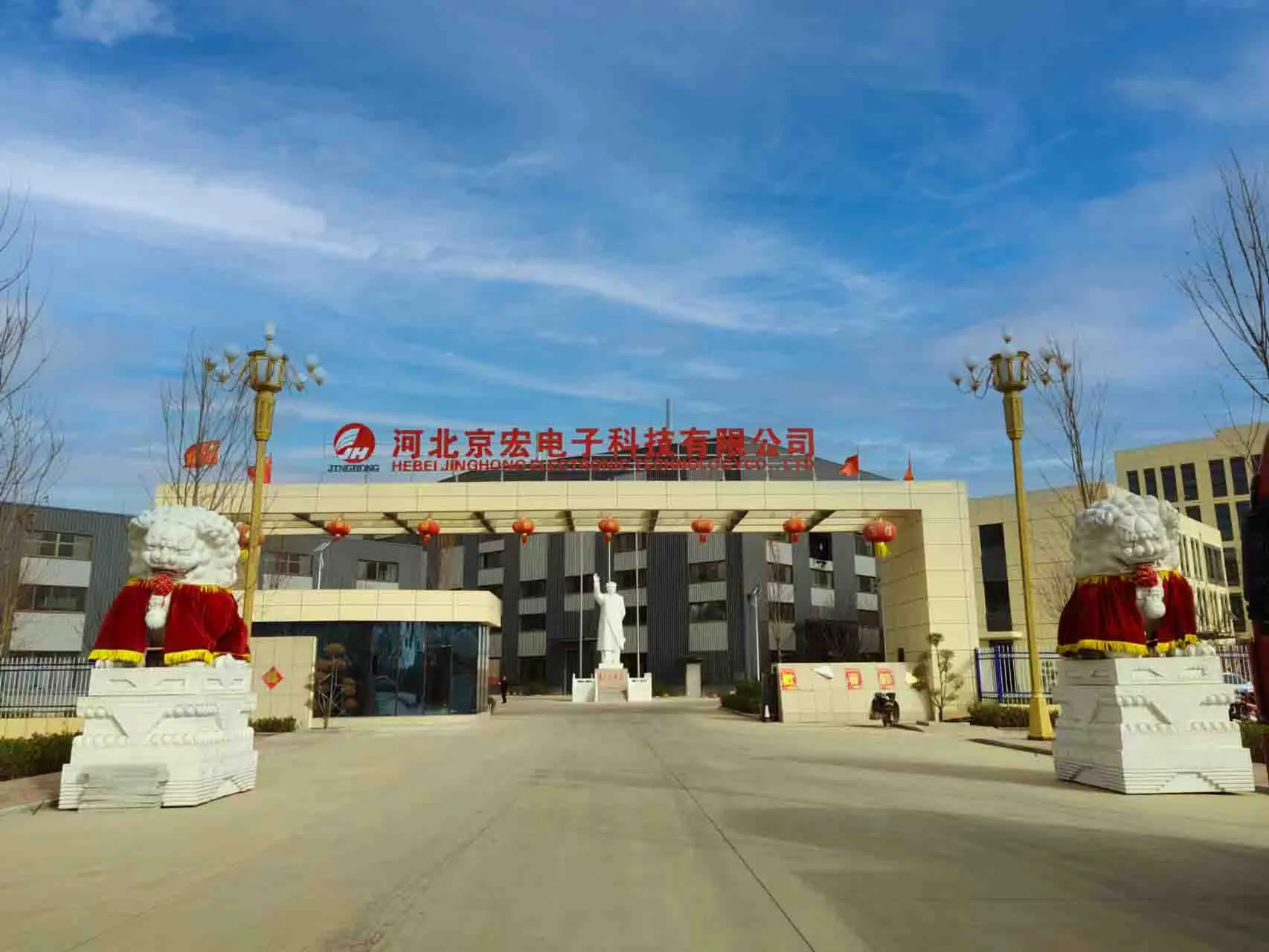
J&Q New Composite Materials Company