Quality Control Standards: What Makes a NEMA Grade G10 Sheet "Aerospace Ready"?
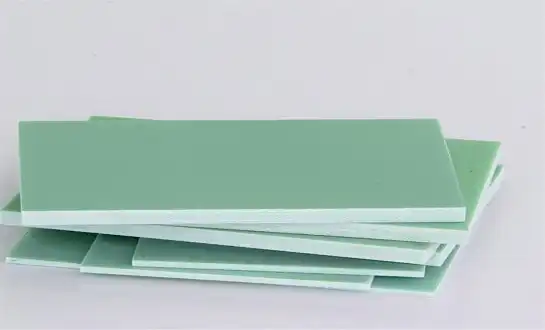
For aerospace-grade NEMA Grade G10 sheet to be ready, quality control must go above and beyond what is required by normal industry standards. Extreme temperature cycling must not affect the dielectric integrity of these high-pressure fiberglass-epoxy laminates, and ultrasonic testing must show that there is no internal delamination. The material is put through a lot of tests, such as ones that check its tensile strength (which must be greater than 40,000 psi) and its ability to stay flat on a surface within ±0.005 inches. Certified makers use traceability systems that keep track of the resin batch makeup, cure cycles, and multi-point electrical testing to make sure that every sheet can withstand the harsh conditions of aircraft settings where failure of a component is not an option.
Understanding NEMA Grade G10 Sheets and Their Aerospace Relevance
The aircraft business needs materials that work perfectly in places where the temperature can go from below zero to very high temperatures, where vibrations never stop, and where electrical insulation can't fail. This is why glass-epoxy laminates are useful in important situations.
Composition and Manufacturing Technology
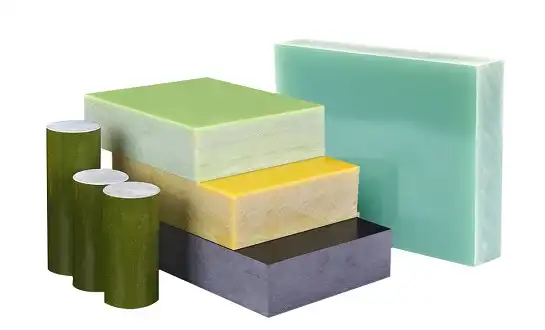
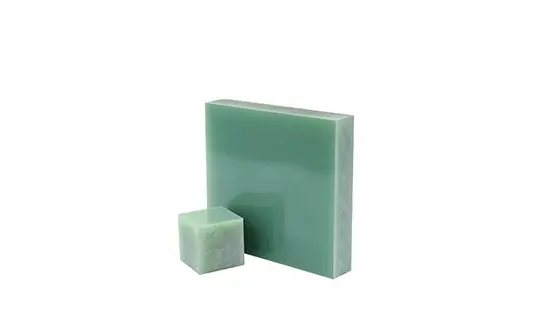
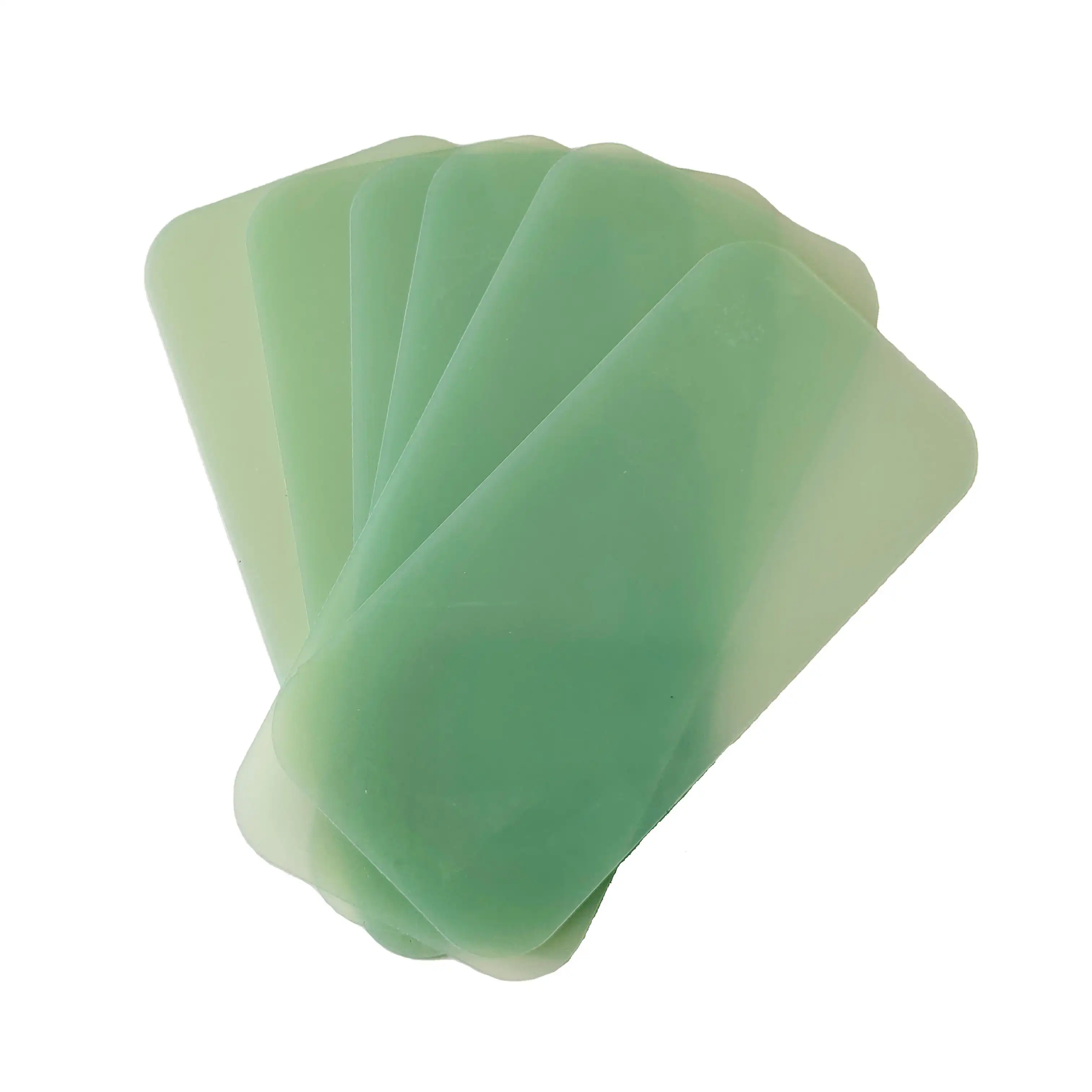
G10 sheet is made of continuous fiber glass cloth that has been mixed with epoxy glue and then pressed together under high pressure and heat. The cross-linked thermosetting structure of this material makes it very stable in terms of size, unlike paper-based phenolics or basic plastics. The glass reinforcement gives the structure support, and the epoxy base makes it stick better and prevent water better. In the manufacturing process, precise layup steps are used to apply resin to each layer of glass cloth in a controlled way before the whole stack is compressed. The final mechanical qualities and cross-link density are directly affected by the temperature profiles during curing. This is what determines how reliable the product will be in the long run.
Why Aerospace Applications Choose This Material
Aerospace experts always have to deal with the problem of finding materials that have a lot of important qualities at the same time. G10 sheets are great for protecting structure parts, circuit board surfaces, and equipment mounting frames from harsh conditions because they have high tensile strength, don't absorb much moisture, and work well as a dielectric. The material stays mechanically sound at temperatures up to 130°C, doesn't break down when exposed to chemicals like jet fuel and hydraulic fluids, and stops electrical arc tracking before it happens. These features work together to solve the problems of part durability in pressurized cabins, unpressurized cargo areas, and mounting places outside.
Production Quality Checkpoints
Commercial materials are not the same as aerospace-grade materials when it comes to manufacturing uniformity. During production, makers check the resin content by burning samples, the alignment of the glass cloth by looking at it, and the uniformity of the thickness across each sheet using precise micrometers in several places. For the curing process to work, the temperature ramp rates and stay times must be followed exactly. This is recorded on standardized chart recorders. As part of the post-cure check, the surface is looked at under angled lighting to find areas that are too resin-rich or not resin-rich enough to support the structure. This care makes sure that consistency from batch to batch is maintained, which is important for aircraft qualification processes.
Critical Quality Control Standards That Ensure Aerospace Compliance
To meet flight standards, testing procedures must be much stricter than those used in most industries. The difference isn't just smaller errors; it's also full verification of how well it works in harsh circumstances.
International Certification Requirements
When buying aerospace, you have to follow a lot of different rules that sometimes combine. IPC-4101 specifies the electrical qualities and material make-up for rigid laminates used in electronic systems, while ASTM D709 sets the thickness tolerances and dimensional standards. While NEMA standards set minimum performance levels, aerospace uses usually need extra qualifications that can be proven with Material Test Reports that can be linked to specific production lots. Suppliers must keep up with ISO 9001 quality management systems and aircraft additions like AS9100. This shows that they are in charge of the whole process, from receiving the raw materials to inspecting the finished product. This system for certification gives buying teams faith that materials will work as expected throughout the lifecycle of a component.
Dimensional Accuracy and Tolerance Verification
Sheet thickness uniformity is very important for aerospace parts that need to fit into small assembly limits. During inspections, accurate micrometers that can be traced back to national standards are used to check the thickness of each sheet at least nine different places. For widths less than 0.125 inches, acceptable tolerance ranges are usually within ±0.005 inches. For precision uses, these ranges get even tighter. Length and width measurements are also checked against customer requirements in the same way. Optical comparators or coordinate measuring tools are used for surface flatness testing to find warpage that could make cutting or assembly difficult. These measures are added to the material approval package that goes with every shipment.
Electrical Insulation Performance Testing
For dielectric strength tests, a voltage that rises perpendicular to the laminate layers is applied over and over again until the layers break. For aerospace-grade materials, this voltage usually exceeds 400 volts per mil. With numbers usually above 10^14 ohm-cm, volume resistance tests show that the material can stop current from leaking across insulating walls. Surface resistance testing checks how easily contaminants can get on the surface and how quickly a wetness film forms when it's warm. To measure surface tracking resistance, samples are put through high-voltage arcing during arc resistance testing. This is important for keeping electrical breakdowns in switchgear uses from becoming catastrophic. These electrical tests make sure that the material keeps gadgets safe and stops short circuits in high-density package situations.
Environmental Durability Assessment
During their service life, aerospace materials are exposed to temperature changes from working on the ground to flying at cruise altitude many times. In thermal cycle tests, samples are heated and cooled very quickly and slowly while their dimensions and mechanical properties are being watched. Moisture absorption tests according to ASTM D570 confirms that water uptake stays below 0.1% after 24 hours of soaking, stopping the material from expanding and losing its dielectric properties. Samples are put through chemical resistance testing by being exposed to flight fuels, hydraulic fluids, cleaning solvents, and de-icing compounds. This makes sure that the material can handle accidental touch with these chemicals without becoming soft or delaminating. Accelerated aging methods use high temperatures and humidity to mimic years of service in a short amount of time. This shows possible long-term degradation processes before they show up in real-world situations.
Comparison: NEMA Grade G10 vs Alternative Materials in Aerospace
When choosing materials, engineers have to weigh the technical ability against the facts of cost and the supply chain. Knowing how glass-epoxy laminates stack up against other options helps buying teams make the best specs.
Performance Analysis Against FR4 and G11 Alternatives
FR4 is made in a way that is similar to G10 sheet, but it has brominated flame retardants added to it to get the UL94 V-0 grade for flammability. Compared to regular epoxy-glass laminates, this addition makes them a little less strong mechanically and lets more water in. In aerospace uses where passenger cabins may need flame retardancy, FR4 is better, even though it has some minor performance problems. Higher-temperature epoxy resins are used in G11 laminates, which means they can be used continuously up to 180°C. This is good for uses in the engine area and parts that are close to heat sources. The higher temperature capability of the material comes at a cost of higher cost and slightly harder cutting features. By knowing these differences, engineers can choose the lowest grade of material that will meet the needs of the application without choosing too many expensive options.
Cost-Efficiency and Supply Chain Factors
Most of the time, glass-epoxy laminates cost more than phenolic paper-based materials but a lot less than polyimide laminates and other unusual composites. Because the material is used so often in electronics production, there are strong supply lines with many qualified sources. This lowers the risk of procurement compared to materials that are only used in aircraft. Lead times usually range from a few days for standard sizes that are in stock to a few weeks for unique specs that need special production runs. When you buy a lot of something, you get price breaks at higher amounts that support production runs for big aerospace assembly projects. Material costs and cutting costs should be weighed by procurement teams, since the sharp glass content speeds up tool wear and requires carbide or diamond tools for large production runs.
Best Practices for Procuring Aerospace-Ready NEMA Grade G10 Sheets
Finding real aerospace-grade materials takes more research than just comparing prices. Because of what can happen when materials aren't up to par in aircraft uses, suppliers need to be carefully screened.
Identifying Certified Suppliers and Verification Methods
Suppliers of qualified aircraft materials keep certifications that show they handle quality and control the production process. AS9100 certification shows that the seller meets quality standards specific to aircraft, such as managing configurations, ensuring parts can be tracked, and preventing fake parts. Ask aerospace customers for supplier quality manuals and audit records to make sure they have experience with difficult uses. Environmental controls should be kept up at supplier sites to keep things clean while they are being stored and handled. Traceability systems should connect each sheet to production records that list the batch numbers of the resin, the settings for the fix cycle, and the results of the inspections. This paperwork is very important if there are any material problems during the production or service of a component. It lets you figure out what went wrong and fix it.
Documentation Requirements and Traceability
Every shipment of aircraft materials such as G10 sheet should come with a Material Test Report that verifies the materials meet the standards by using test data from the provided lot. The thickness, dielectric strength, flexural strength, moisture absorption, and any other qualities listed in the buy order are all written down in this report. Certificate of Compliance statements don't have all the specific information that aircraft quality systems need. Ask to keep samples from each production lot so that they can be tested again if there are any questions about how the material works. Keep track of the material lot by connecting it to specific aircraft serial numbers or assembly places. This will allow for targeted checks if problems arise across the whole fleet. This writing system helps with both following the rules and making improvements all the time.
Pricing Strategies and Bulk Purchasing Benefits
The cost of materials is only one part of the total cost of acquisition. When considering seller value propositions, you should think about how reliable the wait time is, how readily available the technical support is, and how willing the supplier is to keep consignment goods. Setting up blanket purchase orders with scheduled releases keeps prices stable and lets you choose when to send items to fit production plans. When there aren't enough supplies, volume agreements can often open up better price levels and priority allocation. Talk about payment terms that are fair and take into account the value of the material and your company's buying power. For example, net 30 or net 60 days are common for well-known aircraft providers. Getting samples before committing to production lets you do validation testing to make sure the material fits your needs for your specific purpose before buying a lot of it.
Step-by-Step Guide to Ensure Your G10 Sheets Are Aerospace Ready
Receiving check and ongoing quality validation keep bad materials from getting into production. Systematic checks find issues before they turn into expensive scrap or field fails.
Comprehensive Quality Inspection Checklist
When you receive the material, you should look at the surface to see if there are any scratches, stains, or resin-rich areas that could mean there were problems with the making process. Verifying the dimensions with measured tools makes sure that the thickness, length, and width are all within the limits set by the drawing. Random sampling for hardness tests using the Barcol or Rockwell scales finds materials that aren't fully hardened and have low cross-link density. By cutting samples in half and looking at them under a microscope, you can see how much glue is evenly distributed between the glass plies and how many internal voids there are. These checks should be done on all materials before they are sent to production, and thorough records should be kept so that problems can be found. Set clear acceptance criteria and nonconformance processes that explain how to handle defective material, including putting it in a separate area, throwing it away, and possibly sending it back to the seller for credit or a new one.
In-House Testing Procedures for Batch Validation
Along with getting inspection, regular validation testing makes sure that the same materials are used in all output lots. Mechanical testing using standard samples cut from random sheets checks the tensile and bending strengths. Results are compared to past data to find patterns of degradation. Electrical testing on sample coupons checks the dielectric strength and insulator resistance. This is especially important if the components are exposed to moisture during the cutting process before they are put together. Monitoring external exposure during storage is done by testing the moisture absorption of witness coupons that are kept with production inventory. These attempts to validate give early warning of material degradation or changes in the supplier's process that could affect the quality of the supplied goods.
Maintaining Effective Supplier Communication
Set up ways to regularly communicate with material providers that go beyond just placing an order. Share application comments, such as cutting experiences, assembly performance, and any problems that might have been caused by the properties of the material. This knowledge helps providers make their processes better and may also show them ways to improve specifications. Ask for earlier notice of any changes to the manufacturing process, changes in the suppliers of raw materials, or building moves that might affect the properties of the material. When you can, take part in source checks and watch their quality systems and process controls in action. This partnership method helps both sides understand each other better, which supports long-term dependability and growth.
Conclusion
NEMA Grade G10 sheet that is ready for aerospace applications is the result of careful production management, strict testing procedures, and detailed quality paperwork. The material is perfect for aircraft uses that need to be reliable all the time because it is very strong, doesn't conduct electricity, and doesn't react to the environment. It's not enough for procurement teams to just look at the material specifications; they also need to check the certifications of suppliers, demand thorough test records, and set up processes for receiving goods to make sure they are of good quality. If engineering managers and procurement specialists know the important quality control standards that set aerospace-grade laminates apart from commercial options, they can confidently choose materials that will work in harsh aerospace environments and build relationships with suppliers that will help the program succeed in the long term.
FAQ
What thickness tolerances are acceptable for aerospace applications?
For materials less than 0.125 inches thick, aerospace standards usually call for thickness tolerances of within ±0.005 inches. For precision electronic uses, these tolerances must be lowered to ±0.003 inches. If the sheets are thicker, margins may be a little wider, up to ±0.010 inches, based on how they need to be put together and how they need to work.
How does moisture absorption affect aerospace performance?
Moisture uptake makes parts swell and lose their dielectric strength, which are both very important issues for aircraft parts. Good epoxy-glass laminates keep their absorption below 0.1% after being submerged in water for 24 hours, stopping these ways of breaking down. Applications that won't be under pressure or that will be outside need to pay extra attention to moisture resistance requirements.
Can standard industrial grade material substitute for aerospace specifications?
For aircraft uses, industrial-grade laminates might not have the strict testing, paperwork, and process controls that are needed. Even though the base material seems to have the same make-up, aerospace grades go through more validation tests, keep their tolerances tighter, and provide tracking paperwork that is needed for regulatory compliance and managing risk.
What certifications should aerospace material suppliers maintain?
Suppliers that are qualified should have AS9100 certification, which shows that they have quality management systems for aircraft, ISO 9001 certification for general quality management, and maybe even NADCAP certification for certain processing skills. These certifications show that the provider follows the standards for process controls and documentation that are expected by the aircraft business.
Partner with J&Q for Certified Aerospace-Grade G10 Sheet
J&Q has been making high-performance insulation materials for more than 20 years and has both deep technical knowledge and quick customer service. Our skills as an aerospace-qualified G10 sheet manufacturer include thorough material testing, detailed certification paperwork, and a flexible production schedule that can support both prototype development and full-rate production needs. We have strict quality control methods that make sure every sheet meets the standards for mechanical performance, electrical specs, and size tolerances needed for aerospace uses. J&Q meets the reliability needs of aircraft buying with its integrated logistics capabilities that make delivery planning easy and its technical support teams that are ready to talk about application-specific needs. Email our engineering team at info@jhd-material.com to talk about your needs for flight materials and to get samples that show how committed we are to quality. Because we've worked with electrical equipment makers, power systems designers, and precision machinery builders before, we can understand the problems you're facing and give you materials that meet all of your needs.
References
National Electrical Manufacturers Association. "Industrial Laminating Thermosetting Products Standards Publication." NEMA LD 3-2005, Revised 2020.
ASTM International. "Standard Specification for Laminated Thermosetting Materials." ASTM D709-20, Annual Book of Standards Volume 08.01, 2020.
Institute for Interconnecting and Packaging Electronic Circuits. "Specification for Base Materials for Rigid and Multilayer Printed Boards." IPC-4101E, 2021.
SAE International. "Quality Management Systems Requirements for Aviation, Space, and Defense Organizations." AS9100D Standard, 2016.
Peters, S.T. "Handbook of Composites for Aerospace Applications." Chapman & Hall Advanced Materials Series, Second Edition, 1998.
Mallick, P.K. "Fiber-Reinforced Composites: Materials, Manufacturing, and Design." CRC Press Mechanical Engineering Series, Fourth Edition, 2021.

Get a complete product list and quotation

J&Q New Composite Materials Company