NEMA CE vs. Phenolic Paper Sheet: Choosing the Right Material for High-Wear Parts
Knowing the differences between NEMA CE sheet and phenolic paper sheet is very important when picking between them for parts that will get a lot of use. NEMA CE sheet is a laminate made of cotton cloth that is saturated with phenolic resin. It is very good at resisting pressure and can be easily machined, which makes it perfect for gears, bushings, and mechanical spacers. Phenolic paper sheet is made of cellulose layers that are glued together with resin. It is good at blocking electricity and heat, so it can be used for generator barriers and arc shields. Your choice will depend on whether your product needs mechanical longevity or electrical performance.
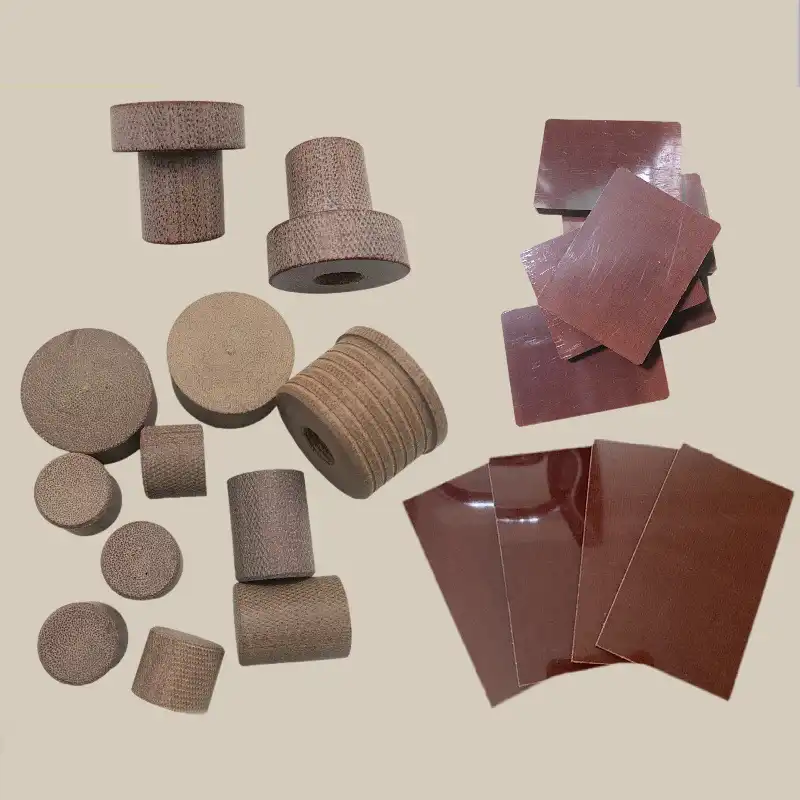
Understanding NEMA CE and Phenolic Paper Sheet Materials
What Defines NEMA CE Sheet?
The NEMA CE sheet is a high-pressure thermoset material that meets the LI-1 standard from the National Electrical Manufacturers Association. We make this stuff by putting phenolic glue between layers of cotton cloth and then heating and pressing it very hard. The frame made of cotton weave acts like a bridge between moving parts, absorbing shock and lowering noise. Because of this, NEMA CE sheet is very useful in situations where both electrical insulation and vibration damping are important. The material can usually handle temperatures up to 130°C (Class B rating), and its shape stays the same in a wide range of industrial settings. Engineering managers like that it can be machined with a CNC, which lets them make exact parts with complicated shapes without delamination or edge chipping.
Characteristics of Phenolic Paper Sheet
Multiple layers of cellulose paper that are soaked with phenolic resin glue are used to make phenolic paper sheets. The dielectric strength of this mixture is often higher than 15 kV/mm, which means it is a great electrical insulator. The paper-based substrate provides a tighter laminate structure compared to fabric-based alternatives, resulting in superior arc resistance and lower moisture absorption. Power distribution companies use phenolic paper sheets to insulate generator coils and make high-voltage barriers. This is because the material keeps its insulation integrity even when electrical stress is applied for a long time. Because it is hard and brittle, the material is not like cotton-based laminates. This makes it less good for uses that are likely to be hit, but great for static structure insulation.
Application Scope Comparison
Because of how they are naturally made, these materials have different areas where they can be used. NEMA CE sheet is most often used in mechanical parts that need to be resistant to wear, like gear components, bearing supports, structural gaps, and insulation pads for cars. The cotton cloth reinforcement makes it strong against physical pressure and repeated stress. Phenolic paper sheet is used in switchgear panels, motor slot wedges, arc barriers in circuit breakers, and terminal boards, all of which need better protection than regular paper sheets. When making appliances, companies often choose phenolic paper sheets for cheap insulation frames that don't have to deal with a lot of mechanical stress. Knowing about this application split helps procurement teams stay away from expensive material mismatches that hurt the performance or life of parts.
Technical Comparison: NEMA CE vs. Phenolic Paper Sheet
Mechanical Performance Metrics
The impact strength of NEMA CE sheet is much higher than that of phenolic paper versions, usually reaching Izod values between 10 and 15 J/cm. The cotton cloth reinforcement makes a molecular structure that is bendable enough to handle quick loads without breaking. We find that the tensile strength of NEMA CE sheet is between 120 and 150 MPa, and its vertical strength is so high that it doesn't delaminate when shear forces are applied. Phenolic paper sheet has a higher compression strength, hitting 200 to 250 MPa. This makes it perfect for uses that need to handle steady pressure rather than changing loads. The paper-based material's stiffness translates to great dimensional stability under compression but increased brittleness under bending stress. Machine makers choose NEMA CE sheet for wear surfaces and gears because it can handle cyclic loads that would break paper-based options.
Electrical Insulation Characteristics
The dielectric performance of phenolic paper sheet is very good; at normal test settings, the volume resistance is more than 10^12 ohm-cm. Because it has a high electrical resistance, it is the best choice for high-voltage uses where shielding failure could be dangerous. When we test the dielectric strength perpendicular to the layer, the phenolic paper sheet always gets 15-20 kV/mm, while the NEMA CE sheet only gets 10–12 kV/mm. The tighter laminate structure in paper-based materials lowers air pockets that could start electrical breakdown. For most industry uses, NEMA CE sheet provides enough electrical insulation, especially when mechanical characteristics are most important. Electrical engineers who do thermal aging tests see that phenolic paper sheet keeps its insulating properties longer when it is continuously exposed to high temperatures. This is an important factor in generator and motor uses where temperatures change many times.
Thermal Stability and Flame Resistance
Both materials have Class B thermal values, which means they can work continuously at 130°C, but they react very differently to heat. Up to its maximum limit, NEMA CE sheet doesn't lose much of its mechanical stability at high temperatures. The structure of cotton cloth keeps its shape, so it doesn't shift when the temperature changes. Phenolic paper sheet is very good at resisting flames; it often gets a V-0 grade in UL 94 tests, which means it goes out on its own within seconds of being removed from a fire source. This flame retardancy is very important for power distribution equipment that could catch fire from an arc flash. We suggest phenolic paper sheet for uses that need to be UL-approved and follow strict safety rules. This is especially true in electrical cabinets and power plants where flame-resistant materials are required by law.
Key Criteria for Selecting Materials for High-Wear Parts
Environmental and Mechanical Stress Assessment
Your working setting has a big impact on how you choose materials. We help our customers look at temperature changes, humidity exposure, chemical touch, and trends of mechanical loading in a planned way. NEMA CE sheet works best in places that need mild electrical protection but also have a lot of mechanical stress, like on industrial machinery that is vibrating, hitting, and moving over and over again. The material doesn't absorb much water (usually less than 1% after 24 hours of soaking), so it doesn't change size in humid industrial areas. Phenolic paper sheet works well in controlled electrical settings with lots of static loads and where temperature stability is very important. When automotive engineers choose materials for battery pack barriers, they look at how well they fight heat and flame. When fire safety is more important than effect, they often choose phenolic paper sheet. When appliance makers weigh cost vs. performance, phenolic paper sheet is a good choice for motor frames and thermal separation parts where mechanical stress can be controlled.
Compliance and Safety Standards
Material choice is based on following the rules in fields that have to follow electricity safety codes and environmental rules. UL recognizes NEMA CE sheet for use as electrical insulation, and it provides performance data that meets the standards for safety approval. We keep detailed test records that show we follow ROHS guidelines, getting rid of banned drugs that could lead to regulatory violations. Because phenolic paper sheet usually has higher flame resistance ratings, it is the first choice when building rules require certain fire safety grades. The people who buy things for the power industry prefer materials that have been certified in the past. This cuts down on the time it takes to qualify and the chance of regulatory issues. The NEMA LI-1 standard itself provides a common language for specifications that makes buying from multiple suppliers easier and makes sure that materials are the same no matter where they come from. Engineers working on UL-listed parts like that both materials have standard file numbers, which makes the process of certifying final products easier.
Cost-Effectiveness and Long-Term Value
When we make choices about what to buy, we look at the total cost of ownership instead of the starting price of the item. NEMA CE sheet costs a little more than basic types of phenolic paper, but it lasts longer in uses that are hard on paper. The material is easy to machine, which lowers the cost of production because CNC processes go smoothly without having to change bits or wear out tools too quickly. Phenolic paper sheet is cheaper when it comes to mass production that only needs simple punching or pressing processes. Companies that make appliances that use insulation frames and make millions of them profit from the material's reliable processing properties and lower raw material costs. Maintenance is a big part of figuring out the long-term value of something. In gearing uses, parts made from NEMA CE sheet often last longer than metal options because they can absorb shock loads that would damage bearings or make it hard to align the gears. When phenolic paper sheet insulation is used in power equipment, it keeps the electricity running reliably for decades, preventing costly unplanned power blackouts.
Practical Procurement Insights: Buying NEMA CE and Phenolic Paper Sheet Components
Supplier Qualification and Certification Validation
A successful buying process starts with a thorough check of the supplier's quality systems and certifications. We suggest checking that providers keep their ISO 9001 certification as a basic sign of good process control and paperwork. Ask for copies of the UL yellow card data for certain types of materials to make sure that the supplier's product meets the approved standards. Managers of engineering should look over test results from suppliers and make sure that the data on dielectric strength, flame resistance, and dynamic properties matches NEMA LI-1 standards. Because low-quality products are so common in global markets, certification proof is a must. Testing by a third party in a recognized lab gives you extra peace of mind when checking out new sources or important apps. We keep in touch with testing sites that can check that the stated standards are met for dimensional limits, electrical qualities, and thermal performance. Long-term procurement experts know that clear paperwork and partnerships with suppliers are the best ways to avoid expensive material fails and production delays.
Quality Assurance and Batch Consistency
Consistency of materials across production lines has a direct effect on how well parts are made and how reliable they are. Set up procedures for inspecting each shipping lot upon arrival to check for important measurements, surface quality, and visual flaws. We check the differences in thickness between sheets and throw away batches that are more than ±10% off because they might not fit together properly or allow for enough electrical space. Color stability is a useful way to tell how much resin is in the mixture and how evenly it cures. Big differences in color within a batch are a sign of problems with the process control. Automotive tier-1 suppliers implement statistical process control on laminate materials, tracking trends in mechanical qualities that might signal degradation in supplier production discipline. Ask the provider for process capability data that shows Cpk numbers above 1.33 for important properties like dielectric strength and tensile strength. Having good relationships with suppliers lets you work together to solve problems when there are quality issues. For example, when there are problems with a product, expert teams can work together to find the root causes instead of blaming each other.
Lead Time Management and Inventory Strategy
To balance the costs of keeping inventory with the flexibility of output, you need to plan strategically around the wait times for materials. Standard types of NEMA CE sheets and phenolic paper sheets usually ship within two to three weeks from reputable sources who keep stock on hand. Lead times can go up to six to eight weeks for custom widths, large sheets, or specialized resin formulations. This means that new product launches need to be planned ahead of time. For materials that need to be machined, we recommend keeping enough safety stock to cover four to six weeks of output. This is because fabrication wait times affect when raw materials arrive. Just-in-time manufacturing strategies work well when suppliers agree to consignment inventory programs for large quantities of standard parts. When appliance makers buy a lot of materials, they discuss vendor-managed inventory arrangements. This lets sellers handle storage while still making sure the materials are available. Our integrated logistics skills make it easier to schedule deliveries and combine packages to save money on freight costs and make receiving easier.
Case Studies: Successful Applications of NEMA CE and Phenolic Paper Sheets in Industry
NEMA CE Sheet in Industrial Gearing Systems
A well-known machinery maker came to us looking for material options for gear parts in conveyor drive systems that were wearing out too quickly. Metal gears made a lot of noise and needed to be oiled often, which led to higher upkeep costs and breaks in production. We suggested NEMA CE sheet because it is resistant to pressure and can lubricate itself. Engineers made test gears out of 25 mm thick NEMA CE sheet, and the tooth shapes were designed to relieve stress. In the field, tests showed that they were 40% quieter than their metal predecessors, and the wear patterns showed that the load was evenly spread across all of the gear faces. The cotton-based laminate took in shock loads during start-up and emergency stops, which kept the teeth from breaking like they did with older metal designs. The NEMA CE gears didn't change much in size or delamination over 18 months of constant use, even though they were exposed to industrial lubricants and weather changes. This application shows how matching the features of a material to its mechanical stress patterns can improve performance in more ways than one.
Phenolic Paper Sheet in Transformer Insulation
A regional power distribution company had transformers that kept breaking down because the covering was breaking down from long-term temperature and electrical stress. We worked with their engineering team to rethink coil barriers using phenolic paper sheet, which was chosen because it is very strong and doesn't catch fire. The material had to be recognized by UL and show good performance in tests that sped up time to simulate twenty years of service. We supplied precision-cut barriers fabricated to tolerances within 0.2mm, ensuring proper fit within transformer assemblies without compromising electrical clearances. Monitoring after installation showed stable results for insulation resistance across a wide range of temperatures, with no signs of tracking or partial discharge that happened before past failures. The phenolic paper sheet's low moisture uptake kept its insulating properties even when the humidity changed with the seasons. This case shows how failure analysis and environmental factors can help choose materials that make tools more reliable. After that, the power company made all of their transformers use the same phenolic paper sheet. This cut down on repair costs and made sure that service would always be available.
Conclusion
To choose between NEMA CE sheet and phenolic paper sheet, you need to carefully consider the mechanical stress, electrical needs, weather conditions, and government rules that apply to your particular application. When it comes to mechanical uses that get a lot of wear and tear, NEMA CE sheet performs best because it is resistant to impact and easy to machine. On the other hand, phenolic paper sheet is the best choice for electrical insulation jobs that need high dielectric strength and flame resistance. When matched correctly to the working conditions, both materials play important roles in the electrical, machinery, power, automobile, and gadget industries. When making a buying strategy, it's more important to focus on long-term value, source qualification, and certification validation than on the cost of the materials themselves. By knowing the technical differences and application areas of these materials, engineering and procurement teams make informed choices that enhance component reliability and operating efficiency.
FAQ
How can I verify authentic NEMA certification for materials?
Ask the supplier for proof that the materials came from approved makers, such as UL yellow card data, NEMA LI-1 test records, and mill certifications. Genuine sellers make third-party test results available for everyone to see, showing that the products meet electrical, mechanical, and heat requirements. We suggest getting verification tests done on a regular basis by independent labs, especially when looking for new sources or for important tasks that need proof of performance.
Which material offers better safety for electrical applications?
Phenolic paper sheet usually has better electrical safety features, such as higher dielectric strength, better spark resistance, and higher flame retardancy scores. Specifications for phenolic paper sheets are usually helpful in situations with high power, arc flash potential, or strict fire safety rules. For mechanical uses that need moderate dielectric qualities and high impact strength, NEMA CE sheet is a good choice for electrical shielding.
What factors determine supplier qualification?
Check the supplier's quality control methods, the reliability of their certifications, their technical help, and their records of batch consistency. Reliable providers keep their ISO 9001 license up to date, provide detailed test records, and use statistical quality data to show that their processes are capable. Long-term partnerships form when suppliers work together to solve quality problems and help engineering teams choose the right materials and fix problems with their applications.
Partner with J&Q for Premium NEMA CE Sheet Solutions
J&Q has been making high-quality electrical insulation materials for more than twenty years. They have a lot of scientific knowledge and are good at helping customers. We have a lot of experience making NEMA CE sheet and phenolic paper sheet, so we know how to meet the specific needs of electrical, machinery, power, automobile, and appliance uses. During production, we keep a close eye on quality to make sure that every sheet meets the performance and tolerance standards that were set. As a well-known company that makes NEMA CE sheets and also handles transportation, we offer a complete service, from choosing the materials to delivering them. Our professional team helps you with application engineering by matching the properties of materials to specific working situations and legal requirements. Contact our experts at info@jhd-material.com to talk your high-wear component needs and receive samples for evaluation. We work with purchasing managers, engineering teams, and OEM partners all over North America who need solid material performance and suppliers who are responsible.
References
National Electrical Manufacturers Association. "Industrial Laminating Thermosetting Products Standard, NEMA LI 1-2019." National Electrical Manufacturers Association, 2019.
Harper, Charles A. "Handbook of Plastics, Elastomers, and Composites, Fifth Edition." McGraw-Hill Education, 2002.
Seymour, Raymond B. "Engineering Polymer Sourcebook." McGraw-Hill Professional, 1990.
Institute of Electrical and Electronics Engineers. "IEEE Standard for Thermal Evaluation and Classification of Electrical Insulation, IEEE Std 1-2000." Institute of Electrical and Electronics Engineers, 2000.
Underwriters Laboratories. "Standard for Polymeric Materials - Industrial Laminates, Filament Wound Tubing, and Vulcanized Fiber, UL 746E." Underwriters Laboratories, 2017.
Davim, J. Paulo. "Machining of Hard Materials: Definitions and Industrial Applications." Springer-Verlag London Limited, 2011.

Get a complete product list and quotation

J&Q New Composite Materials Company



