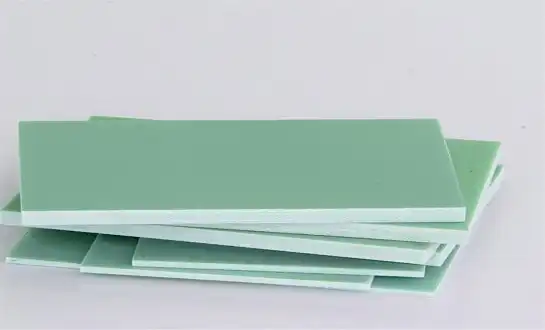
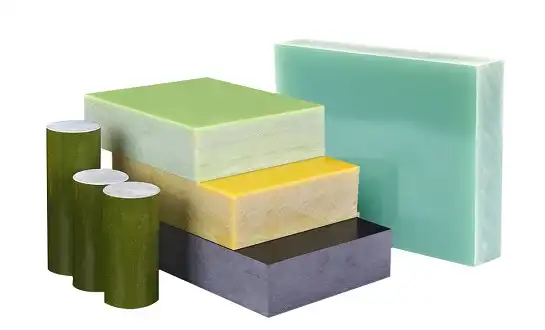
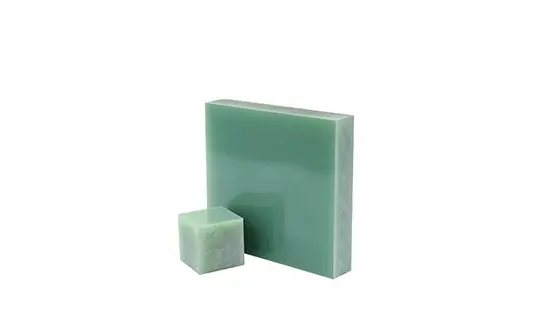
High-Volume CNC Manufacturing of 3240 Epoxy Insulation Parts
The electrical shielding business changes when accuracy meets scale. High-volume CNC production of 3240 epoxy insulation parts gives today's demanding electrical and industrial uses the accuracy, repeatability, and output they need. When made to very tight standards, these epoxy glass laminate parts are used as important insulation in transformers, switchgear, motor assemblies, and power distribution systems. Manufacturers like J&Q have been making things for over 20 years and offer full organizational support. This makes it easy for engineering teams to find reliable, scalable insulation solutions that meet strict UL and ROHS compliance standards while keeping costs low for large orders.
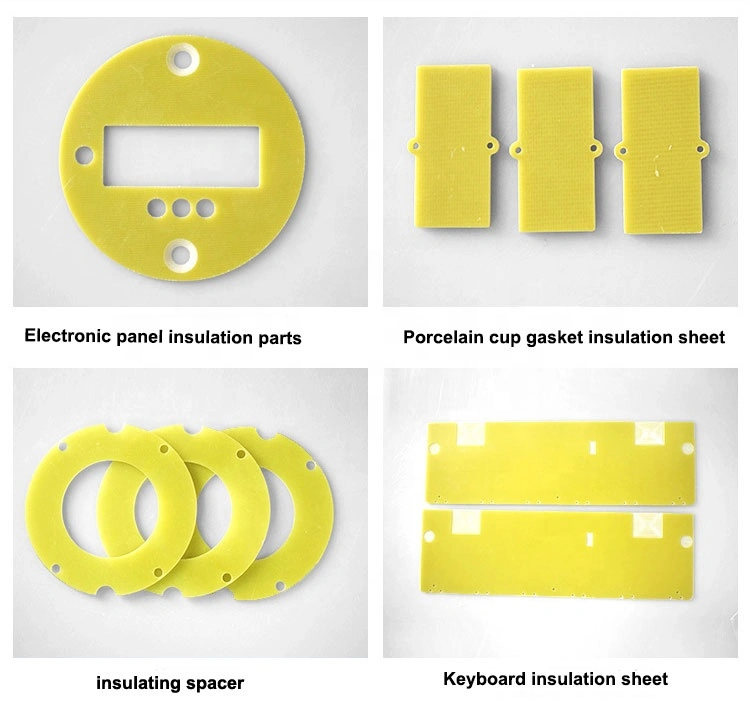
Understanding 3240 Epoxy Insulation Parts and Their Key Properties
Epoxy glass cloth laminates are a special kind of thermoset composites that are made for places where electrical insulation, mechanical toughness, and thermal endurance all need to work together. It is made of alkali-free glass fiber cloth that has been soaked with an epoxy phenolic glue system and then hardened at high temperatures and pressures. This process makes a sheet material that is hard and stable in its shape. Engineering managers use this material for a wide range of tasks, from supporting busbars to blocking arcs.
Superior Electrical Insulation Performance
When epoxy laminates are made correctly, their insulation resistance is usually between 10±°C and 10³°C ©·cm. This gives strong protection against leakage currents even in high-voltage settings. Arc resistance makes things even safer in places like switches and distribution boxes where there is a chance of ionization. Dielectric strength tests, done perpendicular to the laminate layers in transformer oil at 90°C, shows that these parts stay together under practical stress, which keeps oil-immersed transformers and motor windings from breaking down in a catastrophic way.
Thermal Stability and Mechanical Strength
Class F insulation values show steady performance up to 155°C, which solves the thermal problems in heavy-duty motors and generators that are stressed by both mechanical torque and resistive heating. Poorer phenolic materials can change shape or separate when heated for a long time, but epoxy laminates that have been properly sealed stay hard and true to size. When mechanical engineers make structural insulation parts, mechanical spacers, and wear-resistant parts that are exposed to constant vibrational loads, they value this steadiness.
Chemical Resistance in Harsh Environments
Immersion in transformer oil, touch with hydraulic fluid, and exposure to industrial solvents are all regular environmental problems. Epoxy glass laminates are very resistant to chemical erosion, and they keep their dielectric orientation and structural stability for many years. Insulation resistance stays fixed even in humid conditions when water absorption rates are less than 0.5%. This eases the minds of power delivery companies that work in tropical or coastal areas.
The Role of High-Volume CNC Manufacturing in Epoxy Insulation Parts Production
When making thousands of units, traditional ways of making things like pressing, water jet cutting, or hand-machining often introduce errors that buying teams find unacceptable. Unreliable assemblies and higher refusal rates are caused by edge quality that changes over production runs, measurement drift, and differences in the finish on the surface. These problems are basically fixed by CNC cutting technology.
Precision and Repeatability at Scale
Computer numerical control systems follow preset toolpaths to within a few microns, making sure that the 3240 epoxy insulation parts made are the same whether they are the tenth or the thousandth. For example, the slot wedge width in spinning machinery or the phase barrier spacing in switchgear stays the same throughout production runs. These are important dimensions for electrical clearances. This makes it easier to check for quality in ISO-certified production settings and cuts down on failures in the field.
Complex Geometry Capabilities
Multi-axis CNC machining centers can make complex shapes, chamfers, and internal features that can't be done accurately by hand. This geometric freedom is helpful for companies that make parts for cars that are building battery pack barriers with built-in cooling channels. In the same way, OEM clients who need custom insulation pieces with precise mounting holes can get their products to market faster when they work with makers who have CNC machines.
Optimized Tooling and Material Efficiency
Because glass-reinforced laminates are rough, you need cutting tools with carbide or diamond tips. CNC programming figures out the best way to engage tools and feed rates so that they wear out as little as possible while still meeting standards for surface finish. Integrated dust filtration systems take care of the small particles that are made during grinding, keeping both the equipment and the people who are using it safe. Nesting software makes the best use of sheet stock by minimizing waste and increasing cost-effectiveness on large orders.
Understanding these production benefits helps procurement professionals figure out how well a seller can do their job. Electrical utilities, machinery builders, and gadget makers need producers with advanced CNC facilities and well-documented process controls to make sure that each batch is the same and that they can grow as needed.
Comparing Epoxy Glass Laminates with Alternative Insulation Materials
When choosing a material, you have to weigh its performance features against the needs of the product and your budget. There are many insulation products on the market, and each one has its own pros and cons.
Epoxy Laminates Versus Flame-Retardant Grades
UL94 V-0 fire ratings mean that FR-4, the brominated flame-retardant version of epoxy glass laminates, must be used in places where fire rules require self-extinguishing qualities. Standard epoxy-phenolic laminates usually get an HB rating, which means they give equal mechanical and electrical performance at a lower cost. Electrical engineers check to see if the flame-retardant upgrade is needed because of regulations or if cheaper epoxy grades are enough to meet practical safety gaps.
Phenolic Cotton Laminates for Cost Sensitivity
Paper-based phenolic materials are a good way to insulate lower-voltage uses without spending a lot of money on materials. However, they absorb more water than glass-reinforced epoxies, which makes them less effective as insulation in damp places over time. Before agreeing to large-volume orders, machinery makers often do comparative life-cycle cost analyses to find the best balance between budget constraints and durability standards.
Silicone and Polyurethane for Flexibility Requirements
When it comes to flexible wire insulation or gasketing, elastomeric insulation systems work great because they can reduce vibrations and mold to any shape. It is not possible to use these materials for load-bearing insulation parts like motor slot wedges or transformer support plates because they do not have the structural stiffness and mechanical strength that epoxy laminates do.
Technical buying teams can find the best material specs by consulting with suppliers who look at pressures like voltage levels, working temperatures, mechanical loads, and weather exposures that are specific to the application. This way of working together stops people from over-specificating, which drives up costs, and from under-specificating, which can lead to failure before its time.
Procurement Guide for High-Volume Orders
To find large quantities of 3240 epoxy insulation parts, you need to do more research than just looking at unit prices. Reliable partners are different from transactional suppliers because they have a strong supply chain, consistent quality, and quick technical help.
Supplier Qualification and Certification
Quality management system standards, like ISO 9001 for manufacturing processes and UL recognition for electrical materials, give you a basic idea of how well your production is going. When electrical engineers check the qualifications of a seller, they look at test results from a third party that confirm the material's dielectric strength, thermal endurance, and makeup. Even though they take a lot of time and money, factory audits give you a look at the rules for processes, how to maintain equipment, and how to train workers, all of which affect how reliable the final product is.
Minimum Order Quantities and Lead Time Management
Programming, choosing tools, and setting up fixtures are all part of CNC machine sets that have fixed costs per production run. Suppliers set minimum order quantities (MOQs) so that these costs can be spread out over a large enough number of units. When procurement experts negotiate yearly supply agreements, they can often get better MOQ terms and priority scheduling, which makes it easier to keep track of goods and lowers the risk of running out.
Logistics and Delivery Reliability
Integrated transportation services like storage, freight forwarding, and customs management make it easier for wholesalers and OEM clients to buy goods from other countries. When manufacturers have their own specific logistics departments, there is less communication trouble between production and shipping. This cuts down on wait times and makes delivery more predictable. This full-service model helps device makers a lot, especially when they have to deal with just-in-time assembly plans and part delays that slow down production lines.
Customization and Engineering Support
Standard sheet stock sizes are good for basic operations like cutting and drilling, but specialized products often need unique shapes, mixes of material thicknesses, or extra steps like coating and bonding. Product development processes are sped up by suppliers who offer application engineering services like tolerance stack-up analysis, material selection advice, and prototype development. When creating the next generation of insulation systems, R&D experts in the power and automotive industries like working together in this way.
Quote methods that are clear, quality standards that are well written down, and quick technical contact all help to build the trust that is needed for long-term supply partnerships. Professionals in procurement who manage risk in global supply chains give more weight to suppliers who can show they are committed to operating stability and ongoing improvement.
Maximizing Performance and Reliability Through Proper Use and Maintenance
When put or kept incorrectly, even the best epoxy insulation parts don't work as well as they should. Best practices in engineering increase the life of a product and maximize its return on investment.
Installation and Handling Protocols
Surface damage from oils, greases, or small particles lowers dielectric performance by making paths for electricity to flow. Before putting together electrical assemblies, cleaning with a solvent and an eye check should be part of the assembly process. For mechanical fitting, the right torque must be used to keep the material from cracking or delaminating at the sites of the fasteners and to make sure there is enough compression for thermal transfer in uses that need to get rid of heat.
Environmental Monitoring and Inspection Schedules
Operating factors like changing temperatures, vibrations, and changes in humidity put insulation systems under a lot of stress over time. As part of preventive maintenance plans, insulation resistance tests are done on a regular basis to find problems before they happen. Thermal imaging scans find hotspots that show mechanical looseness or electrical tracking. This lets problems be fixed during planned breaks instead of having to shut down in an emergency.
Real-World Performance Data
Electrical companies that use transformers that are submerged in oil say that the support structures made of properly defined epoxy laminate can last more than thirty years. This proves that the right materials were used and that the quality of the making was good. Automotive makers that make battery casings for electric vehicles report zero field failures due to insulation breakdown in hundreds of thousands of units. This shows how reliable things can be when they are made with precision CNC machines and strict quality control.
These case studies provide procurement teams with performance standards to use when judging seller claims and explaining material requirements to internal stakeholders who care about lowering costs.
Conclusion
Epoxy glass laminates are made from standard sheet stock and are then precision-engineered into 3240 epoxy insulation parts that power modern electrical infrastructure, industrial machines, and consumer goods. Material science, which uses better dielectric strength, thermal endurance, and mechanical durability, and advanced machining technology work together to give engineering managers and sourcing experts the uniformity, scalability, and quality assurance they need. Whether you're looking for arc barriers for transformers, busbar supports for switchgear, or slot wedges for rotating machinery, knowing about the supplier's qualifications, production capabilities, and material trade-offs helps you make smart sourcing decisions that balance performance needs with budget realities.
FAQ
What temperatures can epoxy glass laminates withstand continuously?
Class F insulation standards let the device work continuously at temperatures up to 155°C, with short trips to higher temperatures possible based on the thermal mass and duty cycles. Applications that need to be exposed to high temperatures for a long time need higher-temperature thermoset systems or ceramic insulation options.
How does CNC machining improve consistency compared to traditional methods?
Computer-controlled toolpaths get rid of the differences in how people cut things, so the dimensions are always the same across production runs of thousands of units. Automated process tracking finds tool wear and machine drift and makes the necessary changes before parts that don't meet specifications are made.
Can manufacturers accommodate custom designs for specialized applications?
Application engineering help from experienced providers is available to create unique shapes, combinations of material thicknesses, and additional processes like coating or bonding. Before investing in high-volume production tools, reducing risks through prototype development and design validation testing is recommended.
What quality documentation should buyers expect?
Traceability is provided by full material test results that include dielectric strength, insulation resistance, water absorption, and temperature endurance, as well as records of dimensional inspections and certificates of compliance. Manufacturers who are ISO 9001 qualified keep records of each batch. This lets them figure out what went wrong if problems happen in the field.
Partner with J&Q for Your Epoxy Insulation Component Needs
J&Q has been in business for ten years and has been making things for more than twenty years. They provide solid epoxy insulation solutions to electrical makers, machinery builders, and clients in the power sector across the United States. Our advanced CNC machining gives your engineering teams the exact measurements and batch stability they need, and our combined transportation operations, which include dedicated freight services, make delivery from the plant to your receiving dock easy. Our technical team works directly with procurement professionals and design engineers to choose the right materials, make sure tolerances are optimized, and make sure UL and ROHS compliance, whether you're looking for standard sheet stock or custom-machined 3240 epoxy insulation parts, our technical team works directly with procurement professionals and design engineers to specify materials, optimize tolerances, and ensure UL and ROHS compliance. Contact our team at info@jhd-material.com to discuss your requirements, request technical documentation, or obtain a detailed quotation for your next high-volume order. As an established 3240 epoxy insulation part source with proven manufacturing capabilities and responsive customer service, we stand ready to support your insulation component needs from prototype through full-scale production.
References
National Electrical Manufacturers Association. (2019). Standards Publication for Industrial Laminated Thermosetting Products. NEMA LI 1-2019.
Institute of Electrical and Electronics Engineers. (2020). IEEE Guide for Transformer Insulation Life Assessment. IEEE Std C57.140-2020.
American Society for Testing and Materials. (2021). Standard Test Methods for Properties of Continuous Filament Carbon and Graphite Fiber Tows. ASTM D4018-17.
International Organization for Standardization. (2018). Plastics - Determination of Tensile Properties. ISO 527-1:2019.
Underwriters Laboratories. (2022). Standard for Safety Polymeric Materials - Industrial Laminates, Filament Wound Tubing, Vulcanized Fibre, and Materials Used in Printed-Wiring Boards. UL 746E.
Society of Automotive Engineers. (2021). Epoxy Resin, Glass Cloth Laminate, Sheet for Electrical Insulation. SAE AMS 3615D.

Get a complete product list and quotation
J&Q New Composite Materials Company