Why Flatness Tolerance Matters: The Precision Pressing Process of 3240 Epoxy Sheets
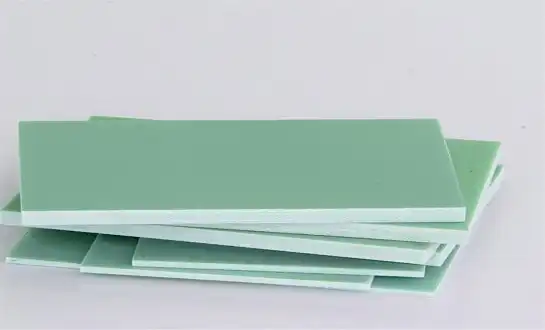
When purchasing managers and engineering managers choose insulation materials for important jobs, flatness tolerance often determines whether a part works perfectly or breaks too soon. For uniform surface geometry, the 3240 epoxy sheet, which is made of electrical-grade fiberglass cloth that has been soaked in epoxy resin, depends heavily on precise manufacturing. Deviations as small as 0.2 mm can mess up the accuracy of CNC cutting, damage electrical insulation, and make it hard to put together switches or motor parts. Knowing how controlled pressing processes make products flatter helps buyers make smart choices that lower the number of rejected items and improve reliability over time in harsh industrial settings.
Understanding Flatness Tolerance in 3240 Epoxy Sheets
What Flatness Tolerance Represents in Epoxy Laminates
Flatness tolerance is the largest difference that an epoxy sheet's surface can be from an absolutely flat reference line in a vertical direction. This standard has a direct effect on the security of the dimensions during manufacturing and installation for laminated insulating materials like epoxy boards. General-purpose sheets can handle differences of up to 1.5 mm per meter, but precision-grade epoxy laminates, which are used in PCB support structures or transformer insulation, need to be within 0.5 mm of each other across the whole panel.
Industry Standards Governing Flatness Measurement
International guidelines for electrical insulation sheets, like IEC 61212 and ASTM D709, spell out how to measure them. These rules explain how to check things using measured straight edges, laser scanning tools, or coordinate measuring machines. Manufacturers who follow GB/T 1303.1-1998 make sure that their epoxy glass cloth laminates are checked for smoothness many times during the production process. This keeps curved sheets from getting to the assembly lines, where they would cause problems with alignment.
Material Composition and Its Role in Dimensional Stability
The 3240 epoxy sheet can withstand temperatures up to 130°C for long periods of time because the resin and fiberglass support are carefully adjusted. Its density of about 1.90–2.0 g/cm³ and moisture absorption of less than 0.1% help keep its shape even when the temperature changes. However, these natural qualities only lead to useful flatness when the drying cycle is controlled and even pressure is applied during lamination. If the plastic isn't spread out evenly or isn't fully cured, the sheets will have internal stresses that show up as surface bowing after they are machined.
The Precision Pressing Process of 3240 Epoxy Sheets
Raw Material Preparation and Layering Techniques
To get very good flatness, you must first prepare the base correctly. Electrical-grade fiberglass cloth is cleaned very well to get rid of size agents that could leave areas without glue. Then, manufacturers soak several layers of cloth in temperature-staged epoxy glue systems to make sure that every ply gets the same amount of soaking. Stack building takes place in cleanrooms, which are controlled settings that keep dust and humidity to a minimum. Accurately aligning the layers before pressing stops the edges from moving, which would cause the finished sheet to have angled variations.
Temperature and Pressure Control During Hot Pressing
The hot pressing operation is the most important part for getting the flatness you want. Calibration of the equipment makes sure that the platens stay aligned to each other within 0.05 mm all the way across their surface. Hydraulic devices keep the pressure steady, usually between 5 and 8 MPa, while heating elements slowly raise the temperature to 150 to 160°C. This step-by-step method lets trapped air and volatile chemicals escape before the glue hardens and locks the structure of the laminate together. Modern makers use real-time monitoring systems that use embedded sensors to track the spread of pressure and find any imbalances right away that could lead to localized thickening or thinning.
Addressing Common Pressing Challenges
Thermal bending happens when the rate of cooling is different for different sizes of sheets. Controlled cooling rooms keep temperature differences from being too big or too small, so the core and top layers don't shrink differently. Platen surfaces that are worn down or press parts that are out of place can cause uneven pressure distribution. As we've seen, producers who use quarterly press calibration schedules see a 40% drop in flatness deviations compared to those who only use yearly maintenance schedules. When sheets are handled through well-kept tools, the thickness tolerances are always within ±0.1mm to ±0.4mm, based on the nominal thickness.
Why Flatness Tolerance Impacts Epoxy Sheet Performance and Applications
Electrical Insulation and Heat Dissipation Requirements
When insulation sheets have rough surfaces, air holes form that lower the useful dielectric strength. Even small changes of 0.5 mm can cause electrical stress to build up at high places when epoxy boards are used as arc barriers in power distribution equipment. This can cause a partial discharge that wears down insulation over time. Flat surfaces make sure that all electrical parts are in touch with them, which lets heat from motor windings or transformer coils move quickly. Sheets that are less than 0.3 mm flat can handle breakdown voltages of more than 30 kV in transformer oil, while sheets that are warped break at 15–20 kV in the same settings.
Mechanical Durability in High-Load Environments
When used in industrial machines, epoxy laminates are loaded and unloaded many times. It is best for flat sheets to have bending strength (>340 MPa) and tensile capacity (>300 MPa) that are the same across their cross-section. When mounting surfaces are curved, machinery makers who use phenolic cotton alternatives often have to replace parts too soon because the load is concentrated at contact points instead of spreading out equally. We know that precision-pressed insulation pads for battery pack barriers last 25% longer than standard-tolerance materials because we supply tier-1 automakers with them.
Dimensional Stability Across Temperature Cycles
Temperature changes from room temperature to 130°C or higher happen to parts that are used in power plants or transportation. If you don't press sheets properly, they will warp even more when they are heated and cooled, which will break bolts and make the structure less stable. When materials are processed using controlled flatness methods, their dimensions stay stable within 0.2% of each other across a range of operating temperatures. This consistency is very important for companies that make home appliances that need motor brackets and heat separation parts to be stable during mass production. This is because automatic assembly can only handle small differences.
Comparative Advantages Over Alternative Laminates
A UL94 V-0 flame retardant grade is available for FR4, but the 3240 epoxy sheet is stronger and more affordable for uses that don't need fire ratings. G10 laminates are made of similar materials, but they usually cost more and aren't much better at keeping things flat. Phenolic laminates soak up more water (>0.5%), which changes their size and makes them not flat at all. Buyers who care about CNC machinability will appreciate how consistently epoxy sheets drill and route. Their flat surfaces stop bits from bending, which can lead to edge chipping or delamination during manufacturing.
Selecting and Procuring Epoxy Laminates with Optimal Flatness
Supplier Assessment Criteria for Quality Assurance
Teams in charge of buying things should check that any possible sellers are still certified under ISO 9001 and use statistical process control to measure flatness. Ask for proof that the tools for pressing and checking dimensions have been properly calibrated. On their material data sheets, reputable makers usually list the flatness standards directly. These are usually given as the highest deviation per linear meter. If a supplier offers third-party test results from recognized labs, it shows that they care about quality more than just what they say on their website.
Customization Options Matching Project Requirements
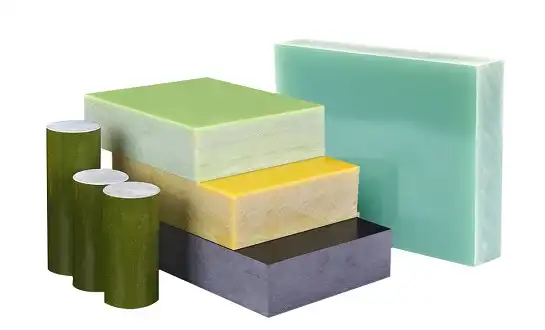
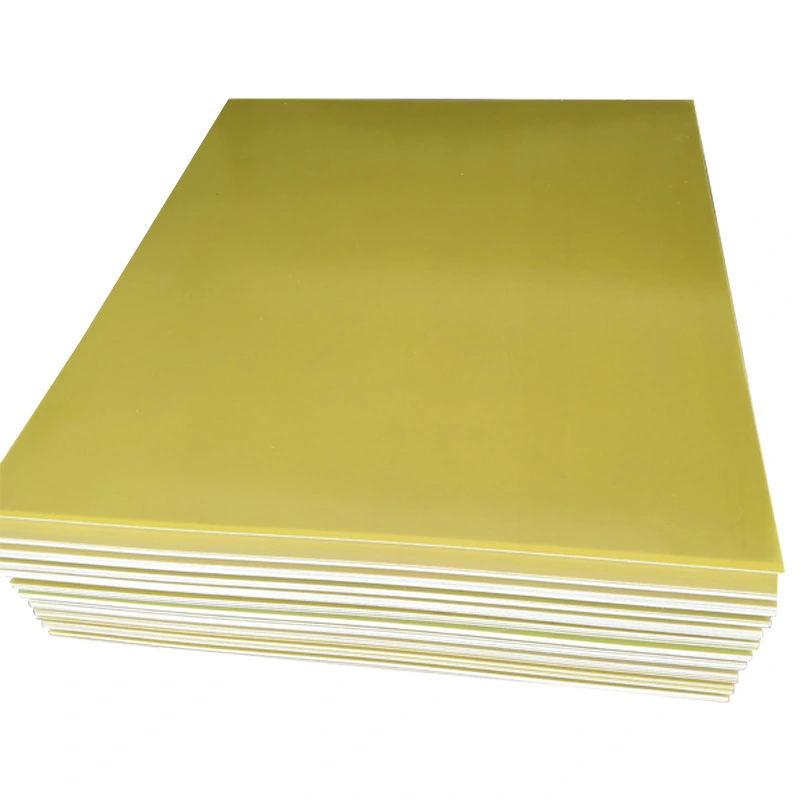
Standard epoxy sheet widths are between 0.5 mm and 50 mm, but for special structural uses, they can be made up to 150 mm thick. Buyers who need special sizes should check with providers to see if they offer CNC machining services that keep the surface flat after cutting—waterjet or router cutting puts less stress on the material than shearing. Different color choices (yellow, green, and black) show different curing agents or pigments, but they don't show quality. Electrical factors that meet IEC standards are still the best way to judge performance, no matter what the color is.
Cost and Lead Time Considerations
Precision-pressed sheets with guaranteed flatness tolerances usually cost 15–20% more than general-grade materials. This is because they require more controls and checking work during the processes. But this investment cuts down on costs that come later from having to fix parts and wait for assembly. Lead times depend on the thickness and amount. Standard sizes ship within 7–14 days, but special sizes may need 3–4 weeks to schedule production. Building ties with providers and keeping stock in regional warehouses speeds up delivery for jobs that need to be done quickly.
Identifying Trusted Manufacturing Partners
Companies that have been making electrical insulation materials such as 3240 epoxy sheet for 20 years or more have proven that their processes are stable and have the technical knowledge needed for consistent flatness. Companies that have their own facilities, from making the plastic to inspecting the finished product, have better quality control than companies that hire outside companies to do their pressing. Look for providers that offer expert advice to match the properties of materials with specific uses. This level of service sets commodity vendors apart from engineering partners who care about their customers' success.
Handling and Maintenance Practices Preserving Flatness Integrity
Cutting and Fabrication Best Practices
When working with epoxy sheets, CNC cutters with carbide tools reduce the chance of delamination as long as the cutting speeds and feed rates are right for the density of the material. Supporting sheets across their entire surface while they are being made stops them from sagging, which causes curves. Cutting with a waterjet gets rid of heat-affected zones that can ease internal stresses and cause the material to twist. Drilling operations require backing plates to avoid exit-side bursting, which affects edge flatness and causes stress concentration places.
Storage Conditions Protecting Dimensional Stability
Epoxy laminates need to be kept on flat boxes lying flat in a place that stays below 25°C and has a relative humidity of less than 75%. Gravitational forces can cause sheets longer than 1.5 meters to bow over time when they are stored vertically. Putting things in moisture-barrier films before storing them for a long time keeps them from absorbing humidity. By rotating goods, long-term static loads that could permanently deform stacked sheets is avoided.
Transportation and Packaging Strategies
Shipping cases should have hard dividers between the layers of sheets to stop sliding, which damages surfaces and causes mechanical stress. For long-distance goods that cross temperature zones, climate-controlled transportation is necessary because fast thermal cycling can cause brief changes in size. When compared to minimal package methods, suppliers who use foam edge protection and strapped pallet setups give materials that are 90% less likely to change shape due to handling.
Conclusion
Flatness tolerance of 3240 epoxy sheet is more than just a measurement; it directly affects how well electrical insulation materials work over the course of their useful life. Temperature, pressure, and cooling rates must be carefully managed during the precision pressing process that turns fiberglass cloth and epoxy resin into high-performance laminates. When engineering teams use smoothness as a key decision factor, they get parts that are easier to put together, safer for electricity, and cost less to maintain over time. Working with companies that are good at their processes and care about quality makes sure that you can get epoxy sheets that meet the high standards needed for electronics, power distribution, and industrial machinery.
FAQ
How can buyers verify flatness before purchasing epoxy sheets?
Ask for official inspection records that show measures of flatness taken in several places on sample sheets. Suppliers you can trust use laser scanning or coordinate measuring tools that can be tracked back to national standards. When you visit a factory, you can see for yourself how the pressing equipment is kept in good shape and how quality control is done. Purchasing sample numbers for internal verification testing confirms specs before committing to production volumes.
What risks arise from inadequate flatness control?
When sheets are warped, they throw off the balance of the assembly, which costs more in labor because of shimming or repair. Uneven surfaces make electrical insulation less effective by leaving holes in the insulation where voltage stress builds up. CNC machining becomes inconsistent as cutting tools follow surface patterns rather than preset routes. Uneven load distribution speeds up the wear on mechanical parts that are attached to bent surfaces, reducing their useful life.
Does flatness affect electrical insulation performance?
Yes, because rough surfaces keep insulation sheets from making full touch with sensitive parts. This makes heat transfer less effective and lets areas get too hot. Air spaces stuck between warped surfaces lower effective dielectric strength, increasing partial discharge risk. Flat sheets make sure that the width of the insulation is the same across the whole assembly. This keeps the breakdown voltage constant and lowers the chance of failure in high-voltage situations.
Partner with J&Q for Precision Epoxy Sheet Solutions
Over twenty years of specialized knowledge have helped J&Q make electrical insulation materials that meet strict industry standards. Our precisely pressed 3240 epoxy sheet stays flat within 0.5 mm of the full panel measurements. This is proven by measured laser inspection at several stages of production. Our technical consulting services help engineering teams match the features of materials to the needs of the application. This is true whether you need custom layers for transformer insulation or large quantities of materials to make appliances. We use integrated operations to make sure that delivery times are always the same. Our warehouse network and specialized transportation fleet make it possible for us to provide true one-stop service from placing an order to delivering it. We know what OEM sourcing managers and technical buyers are going through because we've been a 3240 epoxy sheet provider for a long time and serve both domestic and foreign markets. Get in touch with us today at info@jhd-material.com for detailed specs, sample requests, or quotes that are tailored to your project. We guarantee quality and dependability.
References
Chen, W., & Liu, H. (2019). Advanced Composite Materials in Electrical Engineering: Properties and Applications. Industrial Materials Press.
International Electrotechnical Commission. (2018). IEC 61212: Insulating Materials – Industrial Rigid Laminated Sheets Based on Thermosetting Resins for Electrical Purposes. Geneva: IEC Publications.
Thompson, R. D. (2020). "Dimensional Stability in Epoxy-Glass Laminates: Manufacturing Variables and Quality Control." Journal of Composite Materials Technology, 45(3), 287-304.
ASTM International. (2021). ASTM D709-19: Standard Specification for Laminated Thermosetting Materials. West Conshohocken: ASTM Standards.
Martinez, J., & Singh, P. (2022). Electrical Insulation Systems: Design, Testing, and Reliability. Engineering Materials Publishing.
National Standardization Administration of China. (2018). GB/T 1303.1-1998: Electrical Insulating Materials – General Requirements for Rigid Laminated Sheets. Beijing: Standards Press of China.

Get a complete product list and quotation

J&Q New Composite Materials Company