G11 Sheet Supplier Guide for Custom Insulating Components in Industrial Equipment
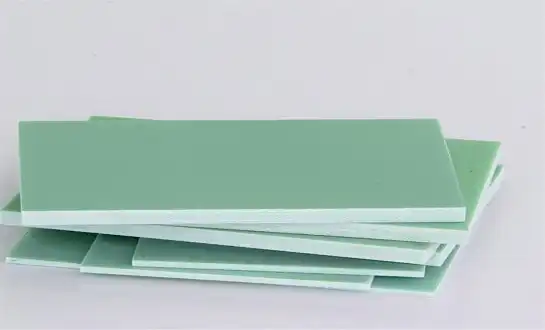
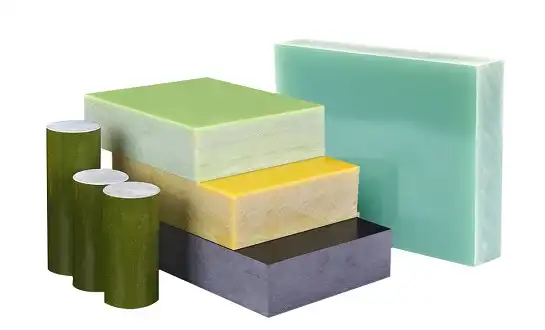
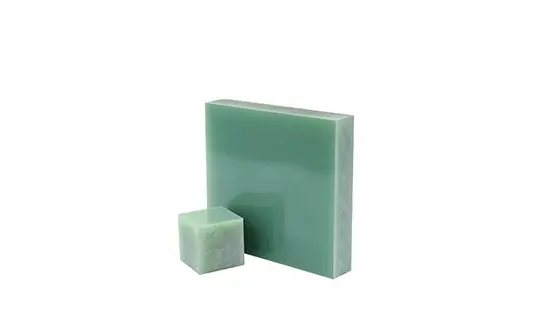
If you're sourcing insulating materials for demanding industrial applications, this guide is written specifically for you. G11 sheet is a high-pressure thermoset laminate built from woven glass fabric bonded with a specialized high-temperature epoxy resin. Classified under NEMA LI 1 standards and MIL-I-24768/3 Type GEB, it holds a Glass Transition Temperature (Tg) between 155°C and 180°C — well above what standard G10 or FR4 can sustain. This guide walks you through material properties, supplier selection, machining best practices, and where to buy with confidence.

Understanding G11 Sheets and Their Role in Industrial Equipment
The G11 epoxy composite sheet isn't just any barrier. A technical identity sets it apart from common options. Figuring out what that identity is is the first thing that you need to do to make the right purchase decision.
What Makes G11 Sheet Different from G10 and FR4?
The G11 and G10 are both made of glass and epoxy, but the glue processes are very different. At 155°C, G11 still has at least half of its flexural strength, but G10 loses a lot of its strength above 130°C. FR4 adds flame retardancy (UL94 V-0), but it uses the same lower-Tg resin. It is better to use G11 glass epoxy sheet for jobs where temperature stability is more important than flame ratings, like rotor insulation or stator slot wedges.
Core Physical and Electrical Properties
The density of G11 Sheet is about 1.85 g/cm³, and it absorbs less than 0.15% water, so its dimensions stay the same in damp places. It has a dielectric breakdown voltage of more than 50 kV perpendicular to the laminations and a bending strength of more than 65,000 psi along its length. These numbers meet the needs of precise electrical insulation parts that are used in motor assemblies, switchgear, and transformer barriers.
Common Application Challenges and How to Handle Them
The rough glass support in G11 makes tool wear happen faster than with softer laminates. Engineers should plan to use diamond-coated or tungsten carbide tools during CNC cutting and make sure that dust is properly extracted to keep workers and finished surfaces safe. Another risk is delamination, which usually happens when the clamps aren't tight enough or when too much heat builds up during cutting. This problem is mostly avoided by controlling the feed rate and using sharp tools.
How to Choose the Right G11 Sheet Supplier for Your Custom Components?
When you choose a supplier, the consistency of your materials, wait times, and long-term prices are all directly affected. Having a clear list of criteria to work through before calling suppliers saves a lot of time during the sourcing process.
Define Your Technical and Compliance Requirements First
Before you ask for quotes, write down your temperature class, required certifications, and the size and thickness tolerances you need (usually ±0.05 mm for precision sheets). Check to see if the standard NEMA G-11 or the flame-resistant FR-5 version will work for your application. If the final product needs to pass UL, RoHS, or IEC 60893-3-2 Type EP GC 203 certification checks, make sure that any prospective sellers can show proof of compliance, not just promises.
Key Supplier Evaluation Metrics
You can avoid costly shocks by judging sources based on clear, measurable criteria. When shortlisting G11 Sheet manufacturers, these are the main things you should look at:
- Material certification documentation: Ask for test reports confirming compliance with NEMA LI 1, MIL-I-24768/3, or IEC 60893-3-2. Legitimate G11 sheet suppliers provide lot-traceable certificates.
- Machining and customization capability: Confirm whether the supplier offers CNC-cut custom shapes, tight thickness tolerances, and surface finish options — critical for transformer insulation rings, spacers, and motor slot liners.
- Production capacity and lead time: For OEM and volume buyers, reliable batch consistency matters as much as unit price. Ask for sample production data and lead time history.
- After-sales technical support: A supplier with in-house engineering knowledge can assist with material selection, dimension validation, and application troubleshooting — reducing your internal engineering burden.
You must meet these requirements whether you buy from a producer directly or through a registered distributor. Before signing a contract, choose two or three candidates, ask for examples, and do internal measurement and thermal stress checks.
Balancing Cost Against Long-Term Value
Most of the time, the lowest price per sheet does not mean the lowest overall cost. G10 that is sold as G11 is an example of a material that should not have been used in high-temperature applications. It can fail early and cause expensive equipment downtime. Spend money on thermal stress testing (ASTM D790) of the first samples to make sure that the flexural strength stays the same at 150°C. That one step alone saves a lot more value than any price talk.
Best Practices for Using G11 Sheets in Custom Insulating Components
If G11's better material properties lead to better component performance in the field, it depends on how it is handled and machined.
Machining Guidelines for Precision Parts
For glass-epoxy laminates, the standard method is CNC routing with tungsten carbide or diamond-coated tools. To keep the resin from melting from contact heat, keep the cutting speeds modest. For holes that need to be made in PCB carrier plates or fixture mounts, put a spare board behind the sheet to stop breakout on the exit side. Always use dust extraction, because glass fiber particles in the air are dangerous.
Dimensional Considerations for Electrical Insulation Components
Thickness tolerance has a direct effect on how well a dielectric works. The breakdown voltage across a batch is not always the same when the sheet is specified as 3 mm and there is a variation of ±0.1 mm. It's worth the extra cost to get tighter tolerances (±0.05 mm) for things like arc barriers, transformer coil supports, and high-voltage test fixtures. Check the standards for the surface finish. In high-voltage assemblies, a smooth, void-free surface lowers the chance of partial discharge.
Real-World Applications That Demonstrate G11 Performance
For arc chutes and phase barriers in high-voltage switchgear, G11 epoxy laminate sheet is used instead of regular materials that would warp or track after being exposed to arcs over and over again. In cryogenic systems, like superconducting magnet housings, G11 keeps its tensile strength down to temperatures of liquid helium. This is something that no other thermoplastic can do. For putting together electronics, G11 soldering boards can handle many wave solder cycles without bending, so PCB positioning accuracy is kept up over thousands of production runs.
Top Trends in G11 Sheet Technology and Procurement for 2024
There are changes happening in the market for industrial insulation materials that affect how buyers find and ask for glass-epoxy laminates.
Material and Process Improvements
New resin formulations are raising Tg values—some high-end G11 Sheet laminates now go above 180°C—while making them a little easier to machine. Researchers are testing hybrid glass-fiber structures to see if they can lower weight without lowering dielectric strength. This is important for aircraft and EV battery barrier uses.
Digital Procurement and Certification Transparency
More buyers want digital certificates of materials that are linked to batch numbers, and sellers who can't provide this kind of paperwork are losing contracts. Online RFQ platforms and supplier databases have sped up the sourcing process, but they've also made it more likely that materials will be misrepresented. The most accurate safety measure is still technical checking of samples.
Customization Demand Is Accelerating
Instead of standard sheet stock, automotive tier-1 suppliers and transformer makers need cut-to-size sheets, CNC-machined profiles, and surface treatments that are special to the application more and more. Suppliers who invest in flexible production are getting a bigger share of the market from OEM buyers who have short deadlines for qualification.
Procurement Tips: Where and How to Buy Quality G11 Sheets?
Buying from authorized manufacturers or distributors with verifiable quality systems is the only reliable approach for industrial-grade insulation materials.
Trusted Purchasing Channels
Direct manufacturer sourcing gives you the most control over specifications, lead times, and documentation. Authorized distributors offer faster delivery for standard sizes and can be useful for smaller volumes. Avoid unverified marketplace listings for technical laminates — the risk of receiving substandard or mislabeled material is real and well-documented in procurement forums.
Negotiation and Volume Purchasing
Bulk orders typically attract tiered pricing, but negotiate on delivery schedules and quality documentation, not just unit price. Request that contracts include agreed inspection standards — dielectric strength per ASTM D149 and flexural testing per ASTM D790 — as acceptance criteria to protect every shipment.
Warranty and After-Sales Support
Suppliers who stand behind their material with clear defect policies and responsive technical contacts are worth a modest price premium. Material failures in critical equipment are never cheap — a supplier who helps you troubleshoot an issue quickly is a genuine operational asset.
Conclusion
In industrial insulation, G11 Sheet plays a unique and important role, falling between normal G10/FR4 and less common high-temperature materials. Because it can handle high temperatures, is dielectrically strong, and stays the same size, it is a good material for switchgear, transformer parts, aircraft fittings, and making precise electronics. Checking certificates, trying samples, and getting to know a maker who understands your application are all parts of choosing the right seller. If you follow that process carefully, G11 will work exactly as it's supposed to for as long as your technology lasts.
FAQ
What certifications should a G11 sheet supplier provide?
A trustworthy supplier should show proof that they follow NEMA LI 1, MIL-I-24768/3 Type GEB, or IEC 60893-3-2 Type EP GC 203. Industrial buyers usually get test papers that can be used to track individual lots for dielectric strength (ASTM D149) and bending strength (ASTM D790).
How does G11 compare to G10 and FR4 for high-temperature applications?
G11 keeps its high mechanical strength up to 155°C, but G10 and FR4 lose theirs above 130°C. If you need something that will stay hot for a long time, like transformer insulation, motor slot wedges, or soldering clamps, G11 is the better standard.
Is G11 sheet suitable for cryogenic environments?
Yes, G11 stays strong in both tensile and flexural situations at cryogenic temperatures, even when it's liquid helium. Because of this, G11 Sheets are often used to insulate superconducting magnets and support structures at cryogenic temperatures.
Can G11 sheets be customized to specific dimensions and shapes?
Expert G11 Sheet providers give unique profiles cut on CNC machines, sheets that are cut to size, and close thickness tolerances.
Is standard G11 flame retardant?
A UL94 V-0 flame retardancy grade is not given to standard NEMA G-11 plugs. If you need both high-temperature efficiency and flame retardancy, you should choose FR-5.
Partner with J&Q for Certified G11 Sheet Supply
J&Q has been making soundproofing sheets for more than 20 years and has been dealing with other countries for more than 10 years. As a reliable G11 Sheet provider, we offer certified materials, CNC customization, and transportation managed by our own freight network. From production to delivery, you only need to talk to one person. You can email our technical team at info@jhd-material.com to get samples or a quote for your project.
References
1. National Electrical Manufacturers Association. NEMA LI 1: Industrial Laminating Thermosetting Products. NEMA, 2020.
2. ASTM International. ASTM D790: Standard Test Methods for Flexural Properties of Unreinforced and Reinforced Plastics and Electrical Insulating Materials. ASTM, 2017.
3. ASTM International. ASTM D149: Standard Test Method for Dielectric Breakdown Voltage and Dielectric Strength of Solid Electrical Insulating Materials. ASTM, 2020.
4. International Electrotechnical Commission. IEC 60893-3-2: Insulating Materials — Industrial Rigid Laminated Sheets Based on Thermosetting Resins for Electrical Purposes. IEC, 2021.
5. Harper, Charles A. Handbook of Plastics Technologies. McGraw-Hill, 2006.
6. Brydson, J.A. Plastics Materials, 7th ed. Butterworth-Heinemann, 1999.

Get a complete product list and quotation

J&Q New Composite Materials Company