Can Electrical Insulation Phenolic Resin Cotton Fabric Improve Mechanical Support in Electrical Assemblies?
Yes — Electrical Insulation Phenolic Resin Cotton Fabric genuinely improves mechanical support in electrical assemblies. This material is produced by impregnating fine-weave cotton cloth with phenolic resin, then laminating it under high pressure and elevated temperature. The result is a dense, dimensionally stable sheet that handles both electrical insulation and structural load simultaneously. Because the woven cotton substrate distributes stress across its fiber network, the finished laminate resists deformation under vibration and compression far better than paper-based phenolics or standard polymeric films. For engineering teams sourcing insulation that also carries mechanical load, this combination is worth a detailed technical review for your high-stress electrical applications.

Understanding Electrical Insulation Phenolic Resin Cotton Fabric
What It Is and How It Is Made?
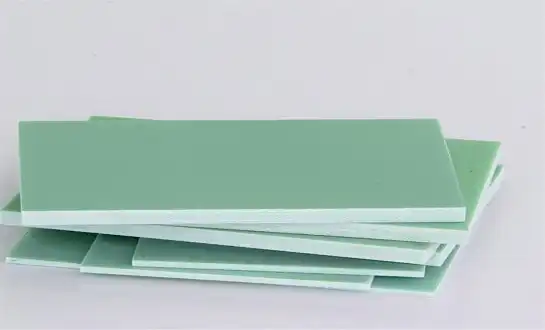
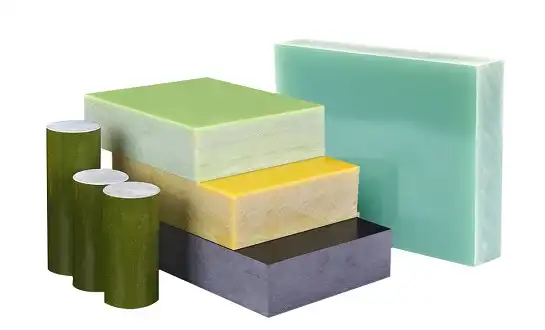
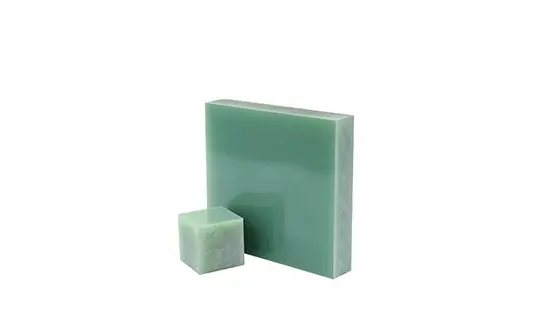
In some places, phenolic cotton laminate is also known as textolite. It starts with cotton fabric that is tightly knitted. A thermosetting phenolic resin binder is mixed with several layers of this cloth, then the layers are stacked and pressed at high temperature until the resin hardens into a solid matrix. When resin and fiber are chemically bonded, they make a material that is denser and more resistant to water than either part alone. Hongda's products come in sheets that are 1220 mm × 2020 mm in size and range in thickness from 0.5 mm to 100 mm. They are shipped around the world in boxes by ocean, land, or air freight.
Key Material Properties
The laminate that has been hardened has a useful mix of qualities that are important in harsh electrical environments:
- Dielectric strength remains stable across a broad humidity range, supporting reliable insulation even in damp transformer enclosures.
- Compressive and tensile strength derived from the cotton reinforcement surpasses paper-based grades, making it suitable for load-bearing spacers and structural supports.
- Machinability is notably clean — the material drills, mills, and saws without delamination, reducing scrap rates on CNC production runs.
Because of these features, phenolic cotton laminates are a good choice for assemblies that need to be electrically isolated and have a clear structural role. The dense, low-porosity structure also stops oil from soaking in, which is why the material works well when it's submerged in transformer oil.
Compliance and Standards
Good phenolic cotton laminates are made according to IEC 60893 (thermosetting resin-based laminated sheets) and are checked against UL and ISO quality management standards. When buyers ask for certified grades, they lower the risk of an audit and get recorded traceability. This is a rule that is strictly enforced by procurement teams in power companies and car tier-1 supply chains.
Evaluating Mechanical Support in Electrical Assemblies
Why Mechanical Integrity Matters?
Electrical insulation systems face continuous mechanical stress: transformer coils vibrate at mains frequency, motor end-brackets absorb bearing load, and switchgear linkages experience sharp impact forces each time a breaker operates. A material like Electrical Insulation Phenolic Resin Cotton Fabric that insulates but deforms under load eventually cracks, creeps, or works loose — and any gap in an insulation barrier can trigger arc faults or ground failures. Selecting a laminate with documented mechanical ratings is not a secondary concern; it is part of the electrical safety specification.
Tensile Strength and Wear Resistance Compared
Phenolic cotton laminates consistently outperform paper-phenolic grades in tensile and flexural strength tests according to IEC 60893 data, while offering better impact absorption than rigid fiberglass-epoxy boards in applications where shock loading is common. The woven cotton architecture acts as a fiber-reinforced composite: crack propagation through the resin matrix is interrupted by the fiber weave, extending service life in high-cycle applications such as tap changer components and motor slot wedges.
Here is how the material compares across common insulation substrate types:
- Phenolic cotton laminate: High tensile strength, good impact resistance, easy to machine; suitable for gears, spacers, and structural insulating bars.
- Phenolic paper laminate: Lower cost, acceptable dielectric performance, but lower mechanical strength and reduced moisture resistance.
- Glass-epoxy (FR4): Excellent dielectric and flame resistance; higher rigidity but less forgiving under shock impact compared to cotton-reinforced grades.
- Mica-based sheets: Superior thermal performance at very high temperatures, but brittle and difficult to machine into complex shapes.
Each material fits a different design requirement. For assemblies that demand both machined precision and load-bearing capacity, cotton-reinforced phenolic laminate offers the most balanced profile.
Application Evidence from the Field
Oil-immersed transformer manufacturers rely on phenolic cotton boards for tap changer platforms and bearing surfaces precisely because the material is chemically stable in hot dielectric oil and maintains dimensional tolerance after years of submersion. Switchgear engineers use it for link arms and sliding vanes where a ceramic component would fracture under breaker-trip shock. In textile and paper mill drive systems, pinion gears cut from phenolic cotton laminate reduce audible noise while transmitting torque without introducing conductivity into the drivetrain.
Thermal and Electrical Performance Impact on Mechanical Support
Heat Resistance and Structural Integrity
Changes in temperature make insulation materials wear out faster. Electrical Insulation Phenolic Resin Cotton Fabric. Phenolic cotton laminates can be used continuously at temperatures that meet most of the needs of Class B and Class F insulation systems. The resin matrix keeps its bonding power within that working window, and the cotton fibers don't break down. This means that the laminate keeps its shape and the ability to clamp down on coil assemblies. Thermal aging tests show that properly cured phenolic cotton boards keep more than 80% of their original flexural strength after being exposed to the rated temperature for a long time. This number is important for figuring out how often maintenance needs to be done.
Electrical Stress and Long-Term Durability
Through partial discharge and tracking, electrical stress breaks down insulation slowly. When compared to materials that aren't tightly packed, hot-pressed phenolic cotton laminate stops partial discharge before it starts because it has a thick, low-void structure. Because of this, mechanical qualities break down more slowly when thermal and electrical stress are mixed. This means that high-voltage switchgear and generator windings can go longer between replacement rounds.
Moisture and Chemical Exposure
Field installations don't usually happen in humid conditions that are ideal. Because the resin completely surrounds the cotton fibers during the high-pressure lamination process, phenolic cotton laminates soak up a lot less water than paper-based types. Because it absorbs less water, the material stays stable in size even in wet switchrooms and outdoor-rated transformer cases. This protects the preload on the bolt joints and keeps the insulation gaps within the design limits.
Procurement Considerations for Phenolic Cotton Laminate
Supplier Certification and Production Capacity
When buying phenolic cotton laminate on a large scale, buyer engineering teams should make sure that the maker is ISO 9001 certified and can give them test results for each batch that cover dielectric strength, flexural modulus, and water absorption. Hongda produces 13,000 tons of goods every year, which means that they can handle big contracts without having to worry about lead times. The MOQ is 500 kg, and payment can be made by T/T. These terms are good for both one-time sales and long-term deals to buy a lot of goods.
Cost Structure and Order Planning
When you buy in bulk from a company that handles transportation, you can usually get better unit prices and more reliable delivery. Hongda takes care of its own logistics infrastructure, so buyers can combine shipments by sea, land, and air under a single service agreement. Standard pallet packaging keeps sheets flat while they're being shipped, which lowers the number of rejected materials when the goods arrive. This is an important detail when sheets go straight into CNC machines.
Sample Evaluation and Technical Support
It is common to ask for certified test samples and a material data sheet before committing to a large order. A supplier with more than 20 years of production experience and more than 10 years of foreign trade history can give the buyer dimensional samples that are cut to their exact specifications. This lets the buyer do fit checks and dielectric tests in their own lab. This cuts down on the time it takes to get qualified and gives procurement engineers written proof for internal approval processes.
Conclusion
In electrical assemblies, Electrical Insulation Phenolic Resin Cotton Fabric is much better mechanically than paper-based and purely polymeric insulation sheets. The phenolic resin matrix gives it steady dielectric performance and moisture resistance, and the hot-press production process makes sheets of the same thickness from 0.5 mm to 100 mm. The woven cotton reinforcement gives it tensile strength and impact resistance. This material meets the needs of procurement teams in electrical manufacturing, power distribution, industrial machinery, and the sale of car parts for structural insulation without making machining tasks more difficult. It is a good material choice for tough assembly settings as long as it comes from a qualified manufacturer with proven production capacity.
FAQ
What thickness range is available for phenolic cotton laminate sheets?
Hongda's phenolic cotton laminate sheets are available from 0.5 mm up to 100 mm in the standard sheet dimension of 1220 mm × 2020 mm. Custom thicknesses within this range can be arranged for volume orders.
Can phenolic cotton laminate be used in transformer oil?
Yes. The dense, low-porosity structure of this laminate makes it chemically stable when immersed in dielectric transformer oil. It is a recognized material for tap changer components and bearing surfaces inside oil-filled transformers.
What is the minimum order quantity?
The MOQ is 500 kg. This threshold supports both initial qualification orders and ongoing production supply agreements.
How does phenolic cotton laminate compare to FR4 for mechanical applications?
FR4 glass-epoxy offers superior flame resistance and dielectric performance, but phenolic cotton laminate absorbs impact energy more effectively due to its woven fiber architecture. For applications that combine machined geometry with shock loading — such as switchgear linkages or motor spacers — the cotton-reinforced grade is often the better fit.
What certifications should I request from a supplier?
Ask for ISO 9001 certification, batch test reports covering dielectric strength and flexural strength, and compliance documentation against IEC 60893 for the specific laminate grade you plan to specify.
Connect with J&Q for Your Phenolic Cotton Laminate Requirements
J&Q sells certified phenolic resin cotton fabric in both standard and special widths. They have been making these fabrics for more than 20 years and have their own transportation network that handles ocean, land, and air freight. We can help you find a reliable Electrical Insulation Phenolic Resin Cotton Fabric manufacturer, whether you need a trial batch or a volume supply deal. Our expert team is ready to assist you. To find out more, send your requirements and quantity needs to info@jhd-material.com or go to blog.jhd-material.com.
References
1. IEC 60893-3-2: Industrial Rigid Laminated Sheets Based on Thermosetting Resins for Electrical Purposes — Specification for Phenolic Cotton Fabric Laminates, International Electrotechnical Commission, 2003.
2. Brydson, J.A. Plastics Materials, 7th ed., Butterworth-Heinemann, 1999.
3. Harper, C.A. (Ed.). Handbook of Plastics Technologies, McGraw-Hill, 2006.
4. Ku, C.C., and Liepins, R. Electrical Properties of Polymers: Chemical Principles, Hanser Publishers, 1987.
5. UL 746B: Polymeric Materials — Long-Term Property Evaluations, Underwriters Laboratories, 2013.
6. IEEE Std 1-2000: IEEE Recommended Practice — General Principles for Temperature Limits in the Rating of Electrical Equipment and for the Evaluation of Electrical Insulation, IEEE, 2000.

Get a complete product list and quotation
J&Q New Composite Materials Company