3240 Epoxy Resin Improves Mechanical Strength in Customized Lithium Battery Components
When engineers and procurement teams search for a dependable insulation material for battery pack assembly, the Lithium Battery Pack 3240 Epoxy Resin consistently comes up as a top candidate. Made from E-glass fabric impregnated with epoxy phenolic resin and cured under heat and pressure, this industrial laminate delivers a balance of mechanical rigidity, electrical isolation, and chemical stability that standard thermoplastics simply cannot match. Whether you are designing cell spacers, end plates, or insulation barriers, 3240 epoxy sheet from JingHong gives your battery components a structural backbone built to last under real operating stress.

Understanding 3240 Epoxy Resin and Its Role in Lithium Battery Packs
What Makes This Material Different
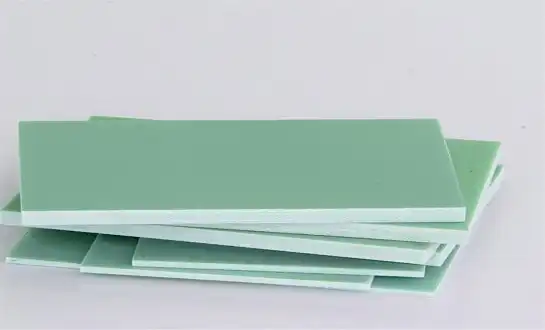
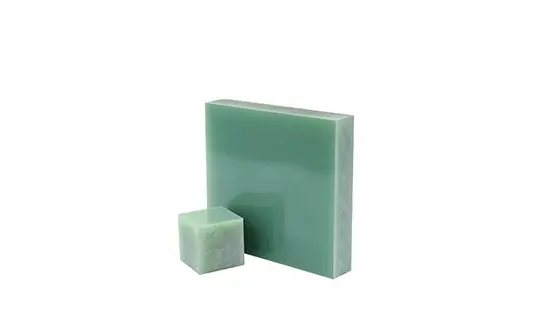
The 3240 epoxy laminated sheet is a thermoset material strengthened with glass fibers. Its dense, cross-linked polymer matrix doesn't deform under long-term load, so it can be used in battery module structures where stability in size directly affects cell alignment and safety. It doesn't creep or soften at fairly high temperatures like injection-molded plastics do. This is an important feature for battery enclosures where heat builds up.
Core Physical Properties
If you bend JingHong's 3240 Grade A sheet perpendicular to the laminations, it has a strength of 484 MPa. Its tensile strength is 368 MPa, and its compression strength is 401 MPa. It has a V-0 flammability grade, which is the highest class in standard tests, and its insulation resistance after being soaked is 4.1×10³³ ©. The numbers given are real; they were confirmed by GB/T 1303.4-2009 testing on production samples.
Available Specifications From JingHong
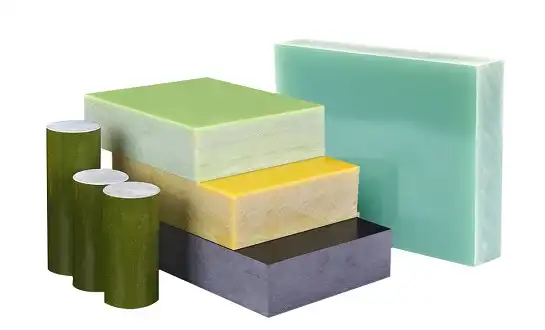
Manufactured by JingHong, Lithium Battery Pack 3240 Epoxy Resin is available in thicknesses ranging from 0.5 mm to 100 mm, providing flexibility for different insulation and structural requirements. The standard sheet size is 1020 mm × 2020 mm, while the material's natural color is yellow. For customers requiring Lithium Battery Pack 3240 Epoxy Resin, sheets can be prepared for sea, land, or air transportation and securely packed on pallets to help protect the material during international shipping. The minimum order quantity is 500 kg, with T/T available as the stated payment method. JingHong operates two manufacturing facilities with a combined annual insulation board production capacity of approximately 43,000 tons, supporting stable supply for customers purchasing Lithium Battery Pack 3240 Epoxy Resin in both standard and customized specifications. For battery and electrical insulation applications, buyers can select the appropriate thickness and sheet dimensions of Lithium Battery Pack 3240 Epoxy Resin according to their project requirements. This combination of available specifications, production capacity, and logistics support makes Lithium Battery Pack 3240 Epoxy Resin suitable for customers seeking a consistent industrial insulation material.
How 3240 Epoxy Resin Improves Battery Performance
Addressing Mechanical Failure Points
Electric cars, AGVs, and industrial storage systems all have battery packs that are constantly vibrating and being shocked by metal. Over time, cell spacers and end plates made of low-quality materials get tiny cracks that make it harder for cells to line up and connect electrically. The 3240 epoxy sheet has a high impact strength—it reached 59.4 KJ/m² in parallel layer testing—so it can absorb mechanical energy without breaking. This means that the pack shape stays the same after thousands of charge cycles.
Solving Thermal and Chemical Challenges
Electrolyte exposure is a known way for many polymers used near battery cells to break down. 3240 epoxy sheet can stand up to acid and alkali attacks, so it can still be used as shielding in places where chemicals are present. It doesn't absorb too much water, and its bending temperature under load is higher than 140°C. This means that it keeps its form during temperature spikes without letting any contaminants into the cell chemistry.
Low Shrinkage and Dimensional Precision
The 3240 epoxy sheet shrinks by less than 2% while it cures. This trait lowers the rate of post-processing rejection in battery applications that need to be very precise about the spacer thickness or barrier geometry. Because the material has a uniform density and chips behave in predictable ways, CNC machining (drilling, routing, and cutting) is easy. This is helpful for battery companies with high-volume production lines.
Comparative Analysis: Why Choose 3240 Epoxy Sheet Over Alternatives
Mechanical Strength Versus General-Purpose Laminates
Because they can have a lower unit cost, many procurement teams initially consider standard fiberglass sheets or phenolic cotton laminates for battery-related applications. However, a Lithium Battery Pack 3240 Epoxy Resin material can offer a more balanced combination of mechanical strength, dimensional stability, and moisture resistance for applications with demanding insulation requirements. When rejection rates, replacement cycles, and long-term field performance are included in the total cost calculation, the initial price difference between a Lithium Battery Pack 3240 Epoxy Resin solution and lower-cost alternatives may become less significant. Consistent mechanical properties from batch to batch are particularly important for battery insulation components, where material variation can affect assembly quality and service reliability. The Lithium Battery Pack 3240 Epoxy Resin supplied with ISO 9001-certified quality control can provide documented production and inspection processes that help reduce the risk of inconsistent material performance. For procurement teams, evaluating Lithium Battery Pack 3240 Epoxy Resin based on both purchase price and lifecycle requirements can provide a more complete view of material value. Selecting a qualified supplier for Lithium Battery Pack 3240 Epoxy Resin can further support stable quality, predictable production, and reliable long-term sourcing.
Here are the main performance differences that you should compare:
- Bending strength: 3240 Grade A reaches 484 MPa, significantly higher than phenolic cotton laminates, which typically fall below 200 MPa in comparable test conditions.
- Electrical isolation: Vertical breakdown voltage of 15.5 kV/mm makes it appropriate for high-voltage module barriers where standard laminates would pose arc-over risk.
- Chemical resistance: The epoxy phenolic matrix resists electrolyte corrosion far better than polyester-based boards, extending service life in battery enclosures.
These performance gaps directly lead to fewer problems in the field and lower warranty costs, which is what purchasing managers in the energy, automobile, and electrical sectors really care about.
Certification and Compliance Alignment
JingHong has ISO 9001, ISO 14001, and ISO 45001 standards, which cover management systems for quality, the environment, and worker safety. Working with a certified source makes audits easier and lowers the amount of paperwork that needs to be filled out during product approval for people in the U.S. market who are looking for parts for UL-approved assemblies or RoHS-compliant products.
Total Cost of Ownership Perspective
When you buy from a company that can make 43,000 tons of goods a year, you can be sure that the prices will stay the same for large orders and the lead times will stay the same. JingHong's own transportation department coordinates freight directly, cutting down on the number of third-party touchpoints that can cause delays or damage during travel.
Procurement Guide: Ensuring Quality and Timely Delivery
Evaluating Supplier Capability
When looking for epoxy laminate sheets to use in batteries, you should look at more than just the unit price. Check the supplier's ability to produce, quality certifications, and history of shipping goods across borders. When battery program deadlines are set, JingHong's direct-order model gives customers priority in production scheduling, which is a big plus.
Managing Lead Time and Inventory Risk
When battery programs ramp up, they often need to quickly scale up their materials. JingHong's fully automatic production line and annual output of 43,000 tons make it easy to respond quickly to changes in demand. Before making big purchases, procurement teams should make sure they have written confirmation of the thickness tolerance standards and ask for batch testing records to make sure the dimensions are correct.
Logistics and Payment Considerations
Based on order volume, delivery requirements, and shipping urgency, JingHong can arrange sea, land, or air freight for customers purchasing Lithium Battery Pack 3240 Epoxy Resin. Each package of Lithium Battery Pack 3240 Epoxy Resin is secured on pallets to help protect the sheets and their surfaces during handling, loading, and transportation. For international B2B orders, the appropriate transportation method can be selected according to the required delivery schedule and shipment size. T/T is the stated payment method for Lithium Battery Pack 3240 Epoxy Resin, providing a straightforward arrangement for industrial procurement transactions. For buyers sourcing Lithium Battery Pack 3240 Epoxy Resin, coordinated packaging and logistics support can help reduce handling risks and simplify international delivery. By combining suitable freight options, palletized packaging, and clear payment procedures, JingHong can provide a more streamlined purchasing process for Lithium Battery Pack 3240 Epoxy Resin.
Application Best Practices for Battery Assembly
Surface Preparation and Cutting
Sheet surfaces should be cleaned to get rid of cutting dust before they are put in place. When it comes to tight-tolerance fits in cell frames, CNC cutting gives you the cleanest edges. To keep the sides of holes from delaminating, drillers should use carbide bits with the right feed rates.
Assembly Sequence and Fit Checks
Before the final assembly, spacers and barriers cut from 3240 epoxy sheet should be dry-fitted into the battery module to make sure they are the right size. Any gaps bigger than the design limit should be marked before the module is closed, because fixing things after they've been put together is hard and takes a lot of time.
Handling and Storage
Keep sheets flat and out of direct contact with water. With thicknesses less than 3 mm, stay away from unsupported spans that could cause the material to warp. Pallet storage with interleaved separators is how JingHong usually stores shipments going out, and it's also how they store warehouse goods at the receiving facility.
Conclusion
Lithium Battery Pack 3240 Epoxy Resin meets several important requirements for lithium battery pack assembly, including structural strength, electrical insulation, chemical resistance, and CNC machinability. These properties make Lithium Battery Pack 3240 Epoxy Resin suitable for insulation components that need to maintain mechanical integrity while providing reliable electrical separation within battery modules. JingHong's test results for Grades A and B indicate that the material can meet specified mechanical and insulating requirements for applicable battery module designs. For procurement teams, selecting Lithium Battery Pack 3240 Epoxy Resin from a supplier with documented quality control and relevant certifications can help maintain consistent material performance across production batches. JingHong also provides substantial production capacity and integrated logistics support, which can simplify the sourcing of Lithium Battery Pack 3240 Epoxy Resin for automotive, industrial, and energy storage projects. By combining certified quality, production capabilities, and logistics coordination, JingHong can support customers requiring Lithium Battery Pack 3240 Epoxy Resin for battery insulation and related industrial applications.
FAQ
How long does 3240 epoxy sheet last inside a battery pack?
The working temperature, chemical exposure, and motor movement all have a big impact on the service life. The material keeps its shape and electrical properties for as long as the battery cell is designed to last, as long as it is kept at a reasonable temperature, has controlled humidity, and keeps the electrolyte separate. JingHong's Grade A material has an insulation resistance of 4.1×10²³ © after being soaked, which means that it doesn't break down much when it gets wet.
How does it compare to FR4 in battery applications?
FR4 is better in some PCB and switchgear situations because it naturally has a higher flame-retardant grade. For structural battery spacers and end plates where high compressive and bending strength is more important than flame-retardancy class, 3240 epoxy sheet is a cheaper option that works just as well electrically.
What thicknesses are available for cell spacer applications?
JingHong sells sheets that are 0.5 mm thick up to 100 mm thick. Most uses for cell spacers and barriers are between 1 mm and 10 mm, which is a size range that is easy to find in stock.
What is the minimum order quantity?
The minimum order quantity is 500 kg. You can place orders directly with JingHong's export team. As part of their normal service, they take care of all the paperwork, licensing, and logistics for your shipment.
Partner With J&Q for Your Next Battery Insulation Project
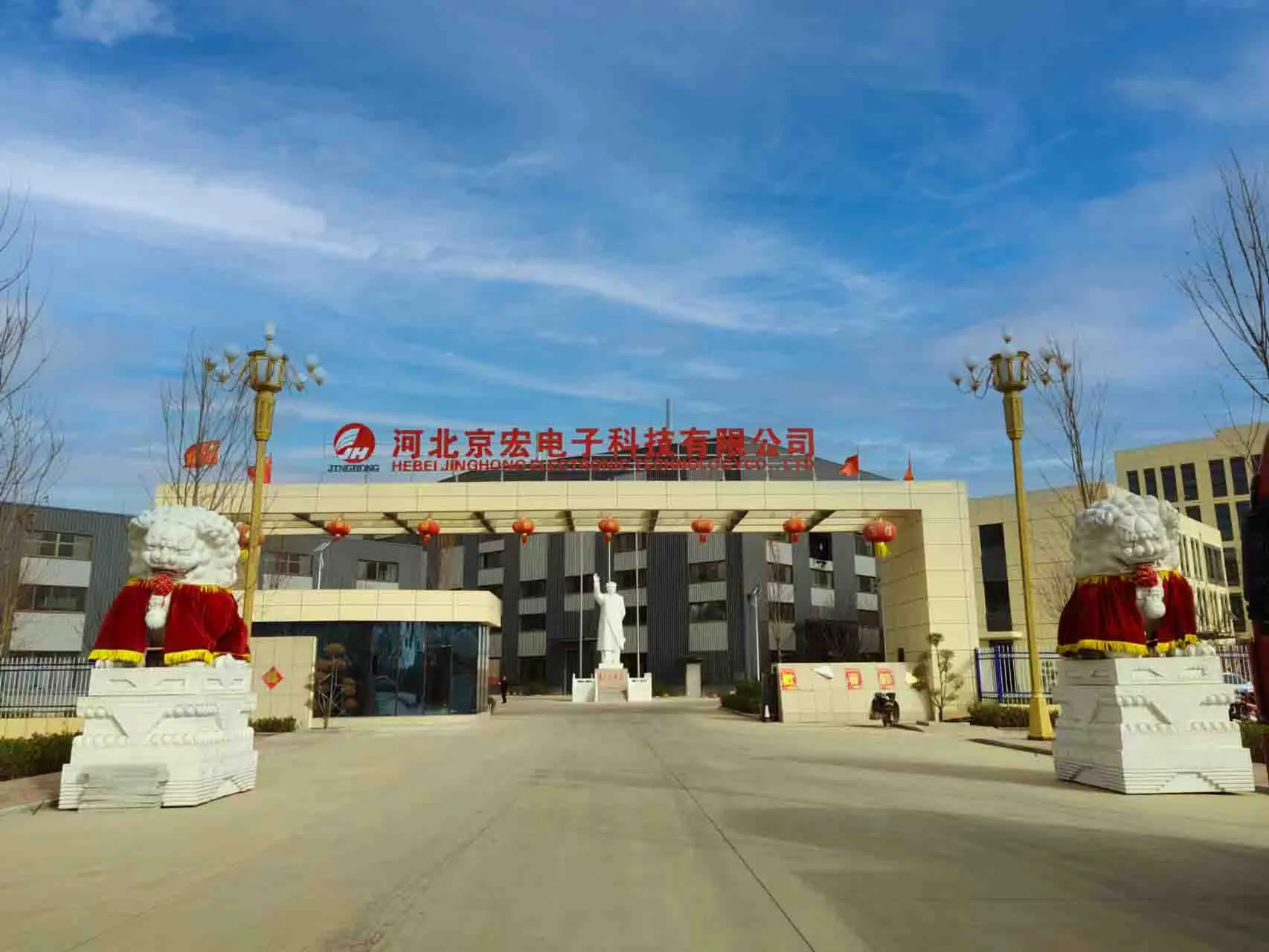
J&Q puts buyers in touch with JingHong's production line for Lithium Battery Pack 3240 Epoxy Resin, which is one of the most-requested epoxy laminates for putting together battery modules right now. We can handle large orders from purchasing to shipping because we have been making products for over 20 years, have quality systems that are ISO-certified, and have our own logistics team. To get a detailed datasheet and a quantity price from a reliable Lithium Battery Pack 3240 Epoxy Resin supplier, email our team at info@jhd-material.com or visit blog.jhd-material.com.
References
1. Linden, D., & Reddy, T. B. (Eds.). Handbook of Batteries (4th ed.). McGraw-Hill, 2011.
2. Harper, C. A. (Ed.). Electronic Packaging and Interconnection Handbook. McGraw-Hill, 2004.
3. Goodenough, J. B., & Park, K. S. "The Li-Ion Rechargeable Battery: A Perspective." Journal of the American Chemical Society, 2013.
4. National Electrical Manufacturers Association. NEMA LI 1: Industrial Laminated Thermosetting Products. NEMA, 2020.
5. Wang, Q., et al. "Thermal Runaway Caused Fire and Explosion of Lithium Ion Battery." Journal of Power Sources, 2012.
6. IEC 60893-3: Specification for Industrial Rigid Laminated Sheets Based on Thermosetting Resins for Electrical Purposes. International Electrotechnical Commission, 2019.

Get a complete product list and quotation
J&Q New Composite Materials Company