G10 Sheet CNC Milling Process for Tight Tolerance Applications
When precision matters most in electrical insulation and structural component manufacturing, the G10 sheet stands as an exceptional high-pressure fiberglass laminate. Composed of continuous filament glass cloth impregnated with epoxy resin, this thermosetting material delivers outstanding mechanical strength, thermal stability, and electrical insulation properties. CNC milling G10 sheet requires specialized knowledge to achieve tight tolerances consistently—typically within 0.005 inches—making it indispensable for switchgear components, motor insulation, and precision mechanical parts where dimensional accuracy directly impacts performance and safety.
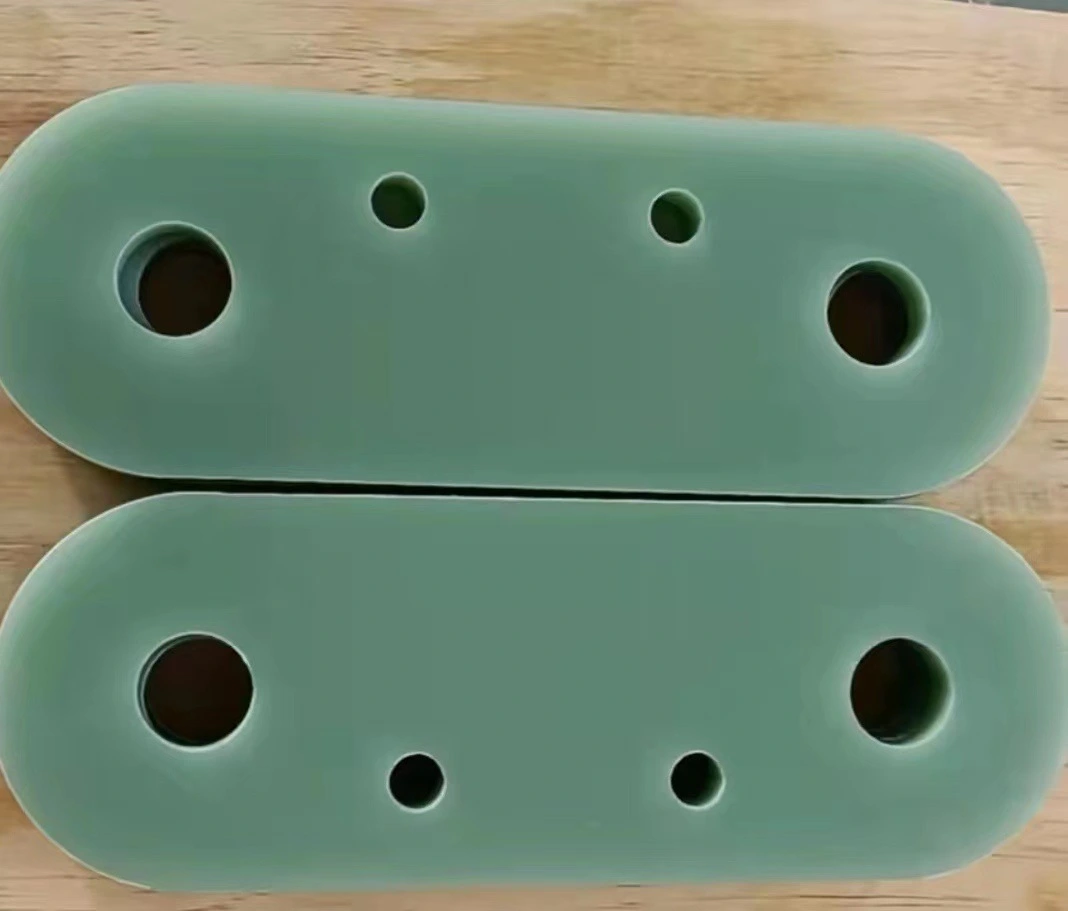
Understanding the G10 Sheet and Its Role in CNC Milling
Composition and Core Properties
G10 sheet is a high-tech engineering solution that combines epoxy resin binder with glass fabric reinforcement. Unlike phenolic laminates made from paper, this material doesn't absorb much water (less than 0.1%), so it stays the same size even when it's wet. The continuous glass filament structure gives it a tensile strength of more than 40,000 psi and great dielectric qualities, with a volume resistance of more than 10^14 ohm-cm. These traits solve important problems in the industry, like how parts don't work right in damp places and how dielectrics break down at high voltages.
Advantages Over Alternative Materials
When we compared G10 sheets to metals and regular plastics, we saw clear performance benefits. The material is stronger than it is heavy, so it reduces the overall mass of the part without weakening its structure. Chemical protection is higher than that of most thermoplastics; it can handle oils, solvents, and weak acids that are common in places where industrial machinery is used. It can work continuously at 130°C, which is high enough to meet the strict thermal requirements of power distribution equipment and battery barriers for cars. Because it has so many useful qualities, engineering managers and procurement specialists are choosing G10 sheet more and more for uses that need to be both electrically insulating and durable.
CNC Machining Challenges
When buying, teams look at a supplier's skills; they should know that milling this fiberglass-reinforced composite offers some unique challenges. The rough glass fibres make cutting tools wear out much faster than when working with metals or plastics that aren't strengthened. When the wrong cutting parameters separate the layers of glass cloth, the mechanical strength and electrical shielding are both compromised, which is called delamination. When heat builds up during machining, it can break down resin in certain areas, which can change the accuracy of the measurements and the finish of the surface. Knowing about these problems helps technical buyers set reasonable standards for quality and choose manufacturing partners who have the right tools and knowledge.
The CNC Milling Process for G10 Sheets: Step-by-Step Breakdown
Preparation and Tool Selection
To do tight tolerance machining of G10 sheet well, you need to set up your equipment correctly and choose the right tools. To deal with how rough glass reinforcement can be, we suggest using carbide or diamond-tipped cutting tools that are made for composite materials. Machine stability is very important. Mills with reinforced beds and little shaking can keep cutting levels constant, which is needed to meet tolerance requirements. When clamping material, it's important to make sure that the pressure is spread out evenly across the surface of the sheet. This keeps the sheet from warping or concentrating stress in one place, which could lead to cracking during or after machining.
Critical Milling Operations
Several core operations define the CNC milling workflow for G10 sheet components:
Profiling and Contouring: For making forms and lines on the outside, peripheral milling needs accurate spindle speeds of 15,000 to 20,000 RPM and modest feed rates of 80 to 120 inches per minute. Climb milling direction usually makes sharper edges because it pushes fibres downward instead of pulling them upward, which lowers the chance of delamination.
Slotting and Pocketing: Internal features need extra care to make sure chips get out. Using a coolant, like air blast or light mist, stops heat from building up and softening the epoxy matrix. Multiple short passes instead of a single forceful cut keep control of the dimensions and make the tool last longer.
Drilling Operations: To make mounting holes or through-holes, you need a sharp drill with the right point angles. During peck drilling rounds, the tool is pulled out every so often to clear the glass dust and keep the heat from building up. Backup support keeps edges from breaking and fibres from pulling out on entry and exit surfaces.
These methods of machining are used together to make parts that meet the exact size requirements of electrical switchgear, motor assemblies, and precision fixtures. During building audits or capability surveys, procurement managers should make sure that possible providers follow these best practices.
Finishing and Inspection Methods
Post-machining steps make sure that parts meet certain standards for surface quality and specs. Deburring gets rid of rough edges and loose fibres. This is usually done with abrasive materials or careful hand finishing. Cleaning the surface gets rid of any dust that might get in the way of the next steps, like putting things together or covering them. Coordinate measuring machines are used to check important dimensions. They record data points across the geometry of the part and compare the results to CAD models. Laser scanning makes detailed maps of surfaces for complicated three-dimensional objects. Visual inspection with a magnifying glass shows possible delamination, surface cracks, or resin-rich areas that could mean there were problems with the processing. This multi-layered method of quality gives engineering teams faith that parts will be the same from one production batch to the next.
Optimizing CNC Milling Performance for G10 Sheets
Identifying Process Bottlenecks
To get uniform results with tight tolerances, common performance limiters in G10 sheet cutting need to be fixed. Rapid tool wear is the main problem—abrasive glass fibres quickly dull the cutting edges of carbide tools, which leads to dimensional drift as the tools move through production runs. When heat builds up in the cutting zone, it softens the epoxy matrix. This makes the surface finish bad and could cause tolerance violations. Making dust is bad for your health and can mess up high-precision measuring tools. By being aware of these limitations, procurement specialists can check to see if suppliers have put in place effective countermeasures.
Proven Optimization Strategies
When shops make focused process improvements, they greatly increase the efficiency of their manufacturing. Precision tool path programming keeps tool movements to a minimum and cuts down on wasted time by making cutting sequences more efficient. The measurement shift that comes with worn cutting edges can be avoided by keeping an eye on tools and replacing them on schedule. Standardised work instructions and continuous improvement protocols are examples of lean manufacturing principles that can be used to make things more consistent between operators and shifts. Adding dust drainage systems right to the cutting point keeps the work area clean and protects the accuracy of measuring tools. By using these tactics in all of their G10 sheet machining tasks, the company we were working with recently cut cycle time by 23% and scrap rates from 4.2% to 1.1%. These changes that are based on data directly help buyers by getting better prices, shorter lead times, and more consistent quality.
Comparison of G10 CNC Milling with Alternative Materials and Processes
Material Alternatives Analysis
When describing parts, technical buyers often compare the G10 sheet to other composite materials that are similar. FR4 laminate is the most similar option; the main difference is that it has flame-resistant additives added to it. While FR4 meets the flammability standards of UL94 V-0, G10 sheet usually has a slightly higher mechanical strength and is easier to work with because it doesn't contain any bromine compounds. Phenolic cotton laminates are cheaper to make, but they can't hold up against water or electricity as well as G10 sheet, so they can't be used in high-voltage situations. When it comes to humidity, paper-based materials don't hold their shape as well, which could lead to alignment problems in precision setups. When making purchases, people should think about these differences in performance along with the needs of the program and the available cash.
Process Technology Comparison
CNC milling is one way to cut G10 sheets, but there are other ways as well, and each has its own benefits. Laser cutting gets rid of the problem of tool wear and makes it possible to make complex shapes, but it creates heat-affected zones that can weaken the qualities of materials near the cut edges. Waterjet cutting doesn't cause a lot of thermal stress and can handle thick sections well, but slower cutting speeds make it more expensive per part for mass production. When compared to multi-axis mills, router cutting has better edge quality and requires fewer tools. However, it is less accurate for features with tight tolerances. Mechanical stamping is good for making a lot of simple shapes, but it costs a lot and takes a long time to make the tools. CNC milling is the best way to make complex shapes with tight tolerances while also keeping production numbers low and controlling dimensions very closely. This is why it is the first choice for companies that make electrical parts and machines.
Procurement Guide for G10 CNC Milled Components
Supplier Qualification Criteria
Finding skilled production partners is the first step in getting high-quality machined parts. We suggest judging suppliers on a number of important factors, such as: the capabilities of their equipment, such as its age, maintenance history, and procedures for checking tolerances; the quality of their systems, such as documented inspection protocols and the use of statistical process control; the ability to track materials from the time they are bought as raw materials until they are delivered as finished components; and their technical knowledge, shown by the availability of engineering support and experience with specific applications. Certifications that are important to the electrical and industrial markets, such as meeting NEMA standards and ROHS requirements, give buyers even more trust in the ability of the seller. By asking for sample parts with full inspection reports, buying teams can make sure that the capabilities are real before committing to large production runs.
Ordering Process and Logistics
Shortening lead times and preventing misunderstandings are two benefits of streamlining the procurement workflow. Giving thorough technical drawings with marked important measurements, surface finish needs, and material requirements sets clear standards right from the start of the inquiry process. Talking about production numbers and delivery times up front helps providers plan their production more efficiently and may even allow them to offer volume-based price discounts. Setting quality acceptance criteria, such as inspection methods, sampling plans, and nonconformance procedures, ahead of time keeps disagreements from happening during the receiving inspection. When transporting big sheets or finished parts that need to be kept safe from damage and moisture, transportation issues are important. It's important to be clear about warranty terms and after-sales support, especially for uses where a broken part could stop production or raise safety concerns.
Conclusion
To get good at G10 sheet CNC milling for tight tolerance jobs, you need to know how the material works, use the right cutting methods, and work with reliable sources. This epoxy-glass laminate is essential in the electrical, industrial machinery, power distribution, automobile, and appliance-making industries because it is strong, doesn't conduct electricity, and stays the same size. Procurement strategies that work well balance technical needs with cost concerns, making sure that the quality standards are met by the suppliers. As the need for precision manufacturing grows, properly made G10 sheet components will continue to be necessary for uses where exact measurements and reliable materials have a direct effect on product safety and operating efficiency.
FAQ
What tolerance levels can realistically be achieved when CNC milling G10 sheet?
For most features, standard CNC milling processes keep margins within ±0.005 inches. When the needs of the product support the extra processing cost, specialised grinding and precision machining methods can get tolerances closer to ±0.002 inches. Tolerances for thickness rely on the raw material in part, because tolerances for sheet production must be taken into account, along with the ability to machine.
How does tool wear affect production costs for G10 sheet components?
Compared to working with metals or plastics that aren't reinforced, the abrasive glass fibre content speeds up the wear and tear on cutting tools. Costs to change tools usually make up 8 to 12 percent of all cutting costs for G10 sheet work. Suppliers who use diamond-coated tooling or special grades of carbide can make tools last a lot longer, which could mean better prices for large orders, even though the initial cost of the tools is higher.
Can a G10 sheet be machined to create threaded holes?
When making internal threads in G10 sheet parts, thread cutting works well and gives better control over the dimensions than tapping. The material is very strong mechanically, so the threads can handle modest twisting loads. Metal threaded plugs are often used in situations where the part needs to be put together and taken apart more often or where higher tightening forces are needed. This is because they protect the threads from wear and provide better pull-out resistance.
Partner with J&Q for Precision G10 Sheet Manufacturing
J&Q has been making high-quality products for over 20 years and has been trading internationally for ten years. They can help you with your needs for precision insulation components. Electrical switches, motor systems, and other industrial equipment need very tight tolerances, which we can provide with our specialised CNC milling skills. As a seller of G10 sheets with a lot of experience, we make sure that every part meets your performance and size requirements by strictly controlling quality throughout the entire production process. When you work with us, you only have to deal with one company for all of your shipping needs, from the initial meeting to the final delivery. This saves you the trouble of coordinating with multiple vendors. Get in touch with our expert team at info@jhd-material.com to talk about your application needs and find out how our tried-and-true production processes can improve the quality of your products while making your supply chain more efficient.
References
1. National Electrical Manufacturers Association. "Industrial Laminating Thermosetting Products: NEMA Standards Publication LD 3-2005." National Electrical Manufacturers Association, 2005.
2. Smith, William F. "Principles of Materials Science and Engineering." McGraw-Hill Education, 2018.
3. Kalpakjian, Serope and Steven R. Schmid. "Manufacturing Engineering and Technology." Pearson Education, 2019.
4. Anderson, Mark. "Machining Composite Materials: Practical Guidelines for CNC Operations." Industrial Press, 2021.
5. Chawla, Krishan K. "Composite Materials: Science and Engineering." Springer Publishing, 2019.
6. Johnson, Robert T. "Precision Machining Technology: CNC Applications for Modern Manufacturing." Cengage Learning, 2020.

Get a complete product list and quotation

J&Q New Composite Materials Company



