G10 Epoxy Sheet Manufacturing: CNC Process and Quality Control
Manufacturing G10 epoxy sheet requires sophisticated production methods that merge traditional lamination techniques with modern CNC machining capabilities. This glass-fiber reinforced composite material, consisting of tightly woven fiberglass cloth impregnated with epoxy resin, has become essential across electrical, industrial, and automotive sectors because of its exceptional dielectric strength, mechanical durability, and dimensional stability. Understanding how precise manufacturing controls and quality assurance protocols impact final product performance helps engineering managers and procurement specialists select suppliers who deliver consistent, reliable materials for demanding applications.
Understanding G10 Epoxy Sheets: Composition, Properties, and Applications
What Makes G10 Epoxy Sheets Unique?
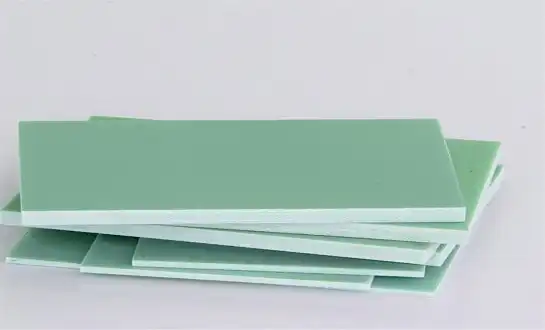
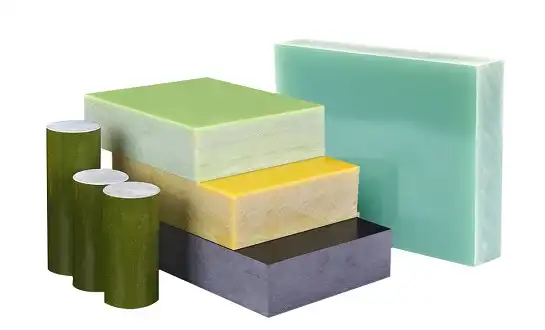
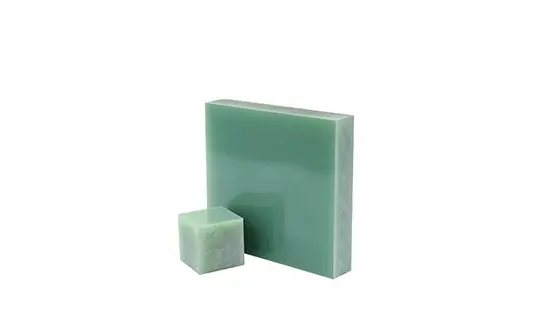
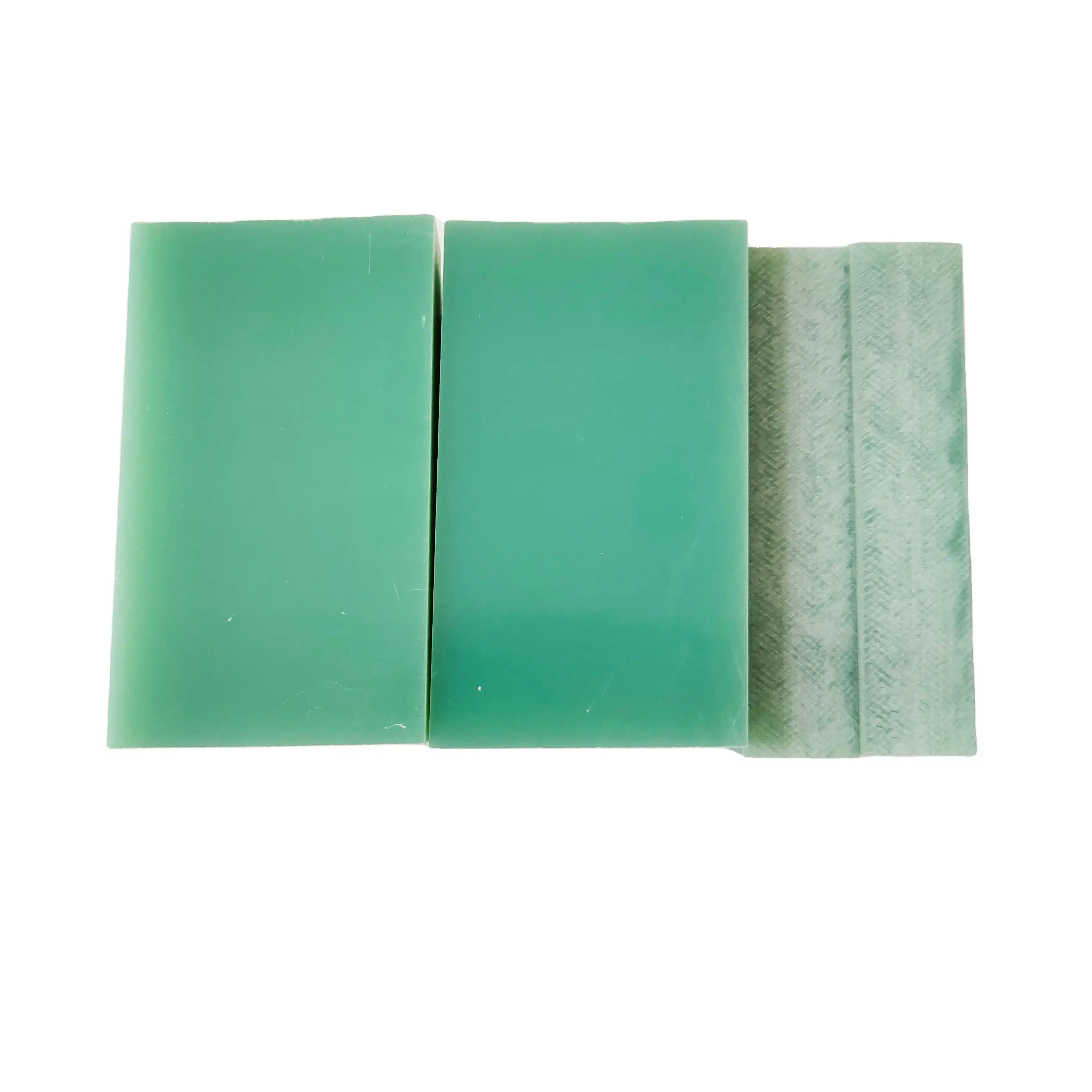
G10 epoxy sheets represent a special kind of thermoset composites that are made by carefully stacking continuous fiberglass cloth that is saturated with high-quality epoxy resin systems. During production, these layers are pressed together at high temperatures, making a stiff, uniform material with a specific gravity of about 1.8. The combination that was made has a tensile strength of up to 40,000 psi, a compression strength of up to 65,000 psi, and a flexural strength of up to 75,000 psi. Thermoplastics get soft when heated, but this thermoset structure stays the same size even when heated, which makes it perfect for use as structural insulation.
Core Material Properties That Matter to Engineers
The technical details of these glass-reinforced laminates have a direct effect on how well they work for precise tasks. They don't change size in damp places because they absorb less than 0.1% water over 24 hours, which is a big benefit over phenolic paper laminates that can soak up to 2% wetness. The material's dielectric strength makes it a good insulator for electricity, and its low rate of thermal expansion keeps parts within precise limits even when the temperature changes. While standard grades can work continuously at temperatures up to 130°C, long-term exposure to ultraviolet radiation may turn the surface yellow, so protective coatings are needed for outdoor uses.
Industrial Applications Across Key Sectors
Electrical and electronics companies use these epoxy laminates for PCB boards, switchgear insulation, and motor component support, all of which need to be able to be machined on a CNC machine. Power distribution facilities use the material for spark barriers and to insulate generator coils because it doesn't catch fire and doesn't change temperature easily. Automotive engineers use it to make barriers for battery packs and heat-resistant fixtures that need to be made with exact tolerances and stable batch quality. Builders of industrial machines use these sheets as mechanical spacers, structural insulators, and wear-resistant parts that can handle high mechanical loads without deforming.
CNC Manufacturing Process of G10 Epoxy Sheets: From Raw Material to Finished Product
Raw Material Selection and Lay-Up Preparation
Quality manufacturing starts with a careful inspection of all the materials that come in. Before production starts, we check the chemical makeup, fiberglass cloth weave density, and epoxy glue viscosity against standards that have already been set. During the lay-up process, several layers of pre-impregnated fiberglass cloth are stacked in a controlled way to make sure that the thickness of the whole G10 epoxy sheet is the same. This layering, which can be done by hand or automatically, sets the end thickness of the material and affects its mechanical properties. The direction of tensile strength and the general performance of the structure are directly affected by how precisely the fibers are aligned during lay-up.
Curing and Pressing Operations
The ready lay-up goes into heated hydraulic presses that have strict rules about temperature and pressure. Depending on the thickness of the sheet and the density that is wanted, we keep the hardening temperatures between 140°C and 170°C and the pressures between 1,000 and 1,500 psi. The epoxy resin's cross-linking reaction starts in this controlled environment, permanently joining the fiberglass layers into a solid composite structure. Pressure makes sure that the glue goes all the way through the cloth weave and fills in any gaps that might affect the performance of the electrical or mechanical parts. The cure period lasts for about 60 to 90 minutes, and training after the cure makes the dimensions more stable.
Advanced CNC Machining Capabilities
Once the sheets are dry, they are carefully machined with a CNC to meet the needs of the customer. Milling processes make flat surfaces with tolerances of a few thousandths of an inch, which is very important for uses that need exact fitment. CNC routing makes complicated shapes and holes, and multi-axis milling makes holes that are perfectly placed. Because the material is so hard, normal steel bits wear down quickly when they touch the rough glass fibers. You need tools with carbide or diamond tips for this. During cutting, we use Class-H vacuum extraction systems to get rid of fiberglass dust particles that can be harmful to your health and cause damage to equipment. Water-cooled cutting methods keep heat from building up, which stops material degradation in specific areas and ensures a clean edge.
Quality Control Measures to Ensure High-Performance G10 Epoxy Sheets
Incoming Material Certification and Testing
Before we start making anything, we make sure that all of the raw materials meet our quality standards for every G10 epoxy sheet. Suppliers give mill certificates that show the chemistry of the resin, the specifications for the glass fiber, and that the product meets UL and ASTM standards. We test arriving materials spot by spot, checking for contamination, resin content, and wetness levels. This initial quality control stops bad materials from getting into production, which cuts down on waste and makes sure that the end product has the same properties. Documentation traceability connects each production batch to a specific lot of raw materials. This makes it easy to quickly find the cause of a problem if it happens.
In-Process Monitoring and Parameter Control
We keep an eye on important process variables in real time while they are being made. Temperature monitors placed all over the press platens make sure that the heat is spread evenly, and pressure detectors make sure that the pressing force stays the same. The timing of the cure cycle is based on proven routines, and automatic systems stop the press from opening too early. As part of the post-cure inspection, calibrated measuring tools are used to check the dimensions and thickness tolerances of multiple sheet locations. Before materials move on to cutting, they are checked for surface quality problems like delamination, resin-starved areas, or contamination that need to be fixed.
Final Product Testing and Certification
When sheets are finished, they go through strict testing procedures that check their mechanical, thermal, and electrical performance. We make sure that the results of the bending strength tests on sample coupons cut from output sheets meet the minimum 75,000 psi requirements. Dielectric strength testing checks how well insulation works at high voltages, which is very important for electrical uses. Testing for water absorption shows that the resistance to wetness stays below the limits that were set. Bond strength measurement checks how well the layers stick together. Customers are given material certificates that include these test results. They show that the material meets industry standards and application requirements.
Comparing G10 Epoxy Sheets With Alternative Materials: Making Informed Procurement Decisions
Material Performance Characteristics
When choosing the best insulation material, it's important to know the trade-offs between efficiency and cost. Standard G10 epoxy sheets are better at resisting wetness than phenolic cotton composites, which makes them better for use in damp places or at sea. Their dynamic strength is better than that of mica-based insulators, so they can hold more weight. But materials with flame-retardant additives are better at keeping fires out in situations that need UL 94 V-0 ratings. Different grades have different thermal performance. Standard versions can handle continuous 130°C operation, while high-temperature versions can handle temperatures up to 180°C.
Cost-Performance Optimization
When choosing materials, you have to balance the need for efficiency with the available cash. While thicker sheets offer higher mechanical strength and electrical standoff distance, they also cost more and take longer to machine. Rather than over-engineering, procurement teams should set minimum acceptable thicknesses based on actual application stresses. This will cut down on costs that aren't necessary. When you buy standard sheet sizes in bulk, you can get better deals than when you order unique sizes, which need special production runs. When you build long-term ties with suppliers, you can often get big discounts and priority scheduling for production, which makes it easier to plan for costs on ongoing projects.
Supplier Evaluation Criteria
When looking for reliable suppliers, you need to look at more than just price. Getting manufacturing certifications like ISO 9001 shows that you care about quality management systems. When a product is recognized by UL, it means it meets set safety standards. Lead times and the reliability of order fulfillment are affected by production capacity, especially when large amounts of work need to be done. Application problems can be solved with technical support, and experienced providers can help with choosing materials and making suggestions for machining. Shipping times and freight damage risks are cut down by being close to each other or using established logistics networks. This is especially important for projects that need to be finished quickly or for just-in-time manufacturing.
Procurement Insights: How to Buy G10 Epoxy Sheets for Your Business Needs
Strategic Supplier Selection
Finding providers that offer both good products and reliable service is the first step to successful buying of G10 epoxy sheets. Manufacturers who have been in business for more than twenty years usually have a better understanding of the details of material science and process control. Having a separate department for foreign trade helps businesses communicate more easily with customers from other countries. This is because language hurdles and different time zones can make it harder to source goods from other countries. Integrated logistics capabilities make shipping coordination easier by cutting down on the number of handoffs that cause damage risks and transit delays. Looking at a supplier's list of clients shows how much experience they have working with certain industries and how well they know the approval requirements and standards for those industries.
Understanding Pricing Structures
Quotes for glass-reinforced epoxy laminates are affected by a number of things. The prices of base materials change with the prices of fiberglass and resin on the market. However, reliable providers can keep prices fairly stable through long-term contracts for raw materials. The price is affected by sheet width because bigger materials need more raw materials and take longer to cure. Customization requests, like non-standard sizes, special surface treatments, or faster production schedules, usually come with extra costs. When you make a volume promise, you can often unlock tiered price systems that lower the cost per unit for bigger orders. Transparent sellers break down quotes in great detail, which helps buying teams understand what costs what and find ways to save money.
Logistics and Delivery Considerations
When coordinating the arrival of materials, you need to pay attention to how they are packed and transported to keep them safe. Normal handling stresses don't hurt glass-reinforced laminates, but edges can get damaged if they aren't properly secured during transport. Damage caused by movement is kept to a minimum with palletized shipments that have corner protectors and shrink-wrap stabilization. For shipping of a lot of items at different times, ocean freight is the most cost-effective option. On the other hand, air freight can meet urgent needs at higher costs. When suppliers handle their own transportation, they can see the whole package and are responsible for it from start to finish. This makes it easier to solve problems when there are delivery issues. It's easier to plan projects and keep track of inventory when everyone knows about the production lead times, which are usually between two and four weeks for standard materials.
Conclusion
To make high-performance epoxy glass laminates, material science, process control, and machining skills must be carefully combined. From choosing the raw materials at the beginning of the production process to the final CNC fabrication, each step affects the qualities of the material that determine its fit for the job. Tough quality control procedures make sure that finished G10 epoxy sheets meet the important requirements for mechanical strength, electrical insulation, and physical stability in electrical, industrial, and automobile settings. Understanding these basic manufacturing concepts and quality control measures helps procurement professionals evaluate suppliers more accurately, making sure they find materials that perform consistently, meet industry standards, and can be delivered on time for difficult engineering projects.
FAQ
How does CNC processing enhance precision for electrical applications?
Positional tolerances of less than 0.001 inches can be reached with computer-controlled machining. This is necessary for parts that need to fit perfectly in switchgear assemblies or PCB support structures. Automated tool paths make sure that the same G10 epoxy sheet component is made over and over again, so there are no changes in size that can happen with human forging. Multi-axis capabilities make it possible to make complicated geometries that would not be possible with traditional methods. This helps with the creation of new parts.
What distinguishes different epoxy laminate grades for temperature resistance?
Standard models keep their mechanical qualities up to 130°C, which makes them good for most industrial settings. When higher temperatures are needed for a long time, special types with changed resin formulas make the temperature ranges work up to 155°C or 180°C. When exposed to heat for a long time, these improved formulations stop thermal degradation that could weaken structural integrity or electrical insulation performance.
Can customization accommodate specific project requirements?
Customization requests like non-standard sheet sizes, precision-drilled hole patterns, and unique surface treatments can be met by manufacturers with a lot of experience. Custom sizing cuts down on the waste of material when making parts, which saves money for high-volume production. With the help of detailed technical drawings and application requirements, suppliers can suggest the best combinations that meet performance goals while still being able to be manufactured.
Partner With J&Q for Reliable G10 Epoxy Sheet Supply
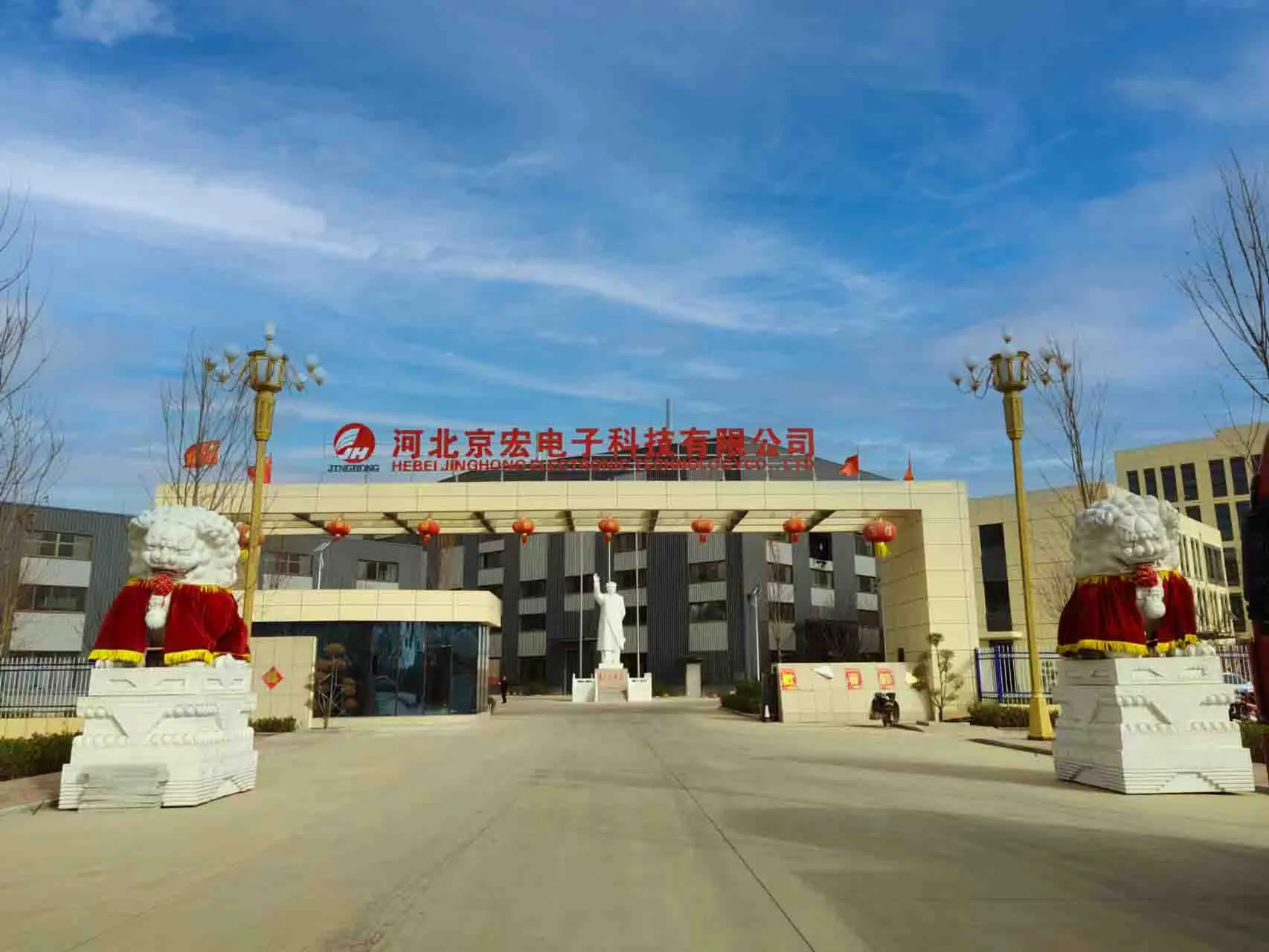
J&Q works with makers of electronics, industrial goods, and cars all over North America. They have more than 20 years of experience in production and 10 years of experience in foreign trade. Our vertically integrated operations include both modern manufacturing sites and dedicated logistics services. This means that we can handle everything, from making the G10 epoxy sheets to delivering them to the customer. Our strict quality control procedures make sure that every sheet meets UL and ASTM standards and is backed up by full test documentation. Our engineering team can help you choose materials that are the best in terms of both performance and cost, whether you need standard sheets or precision-machined parts. Email our experts at info@jhd-material.com to talk about your needs, ask for examples, or get full quotes. As a well-known company that makes G10 epoxy sheets, we're dedicated to helping you succeed in your procurement by providing quick service, low prices, and reliable delivery schedules that keep your production running smoothly.
References
1. National Electrical Manufacturers Association. "NEMA Standards Publication LI 1-1998: Industrial Laminated Thermosetting Products." National Electrical Manufacturers Association, 1998.
2. Harper, Charles A. "Handbook of Plastics, Elastomers, and Composites." McGraw-Hill Professional, 2002.
3. Lubin, George. "Handbook of Composites." Van Nostrand Reinhold Company, 1982.
4. Schwartz, Mel M. "Composite Materials: Properties, Nondestructive Testing, and Repair." Prentice Hall, 1997.
5. Underwriters Laboratories. "UL 94: Tests for Flammability of Plastic Materials for Parts in Devices and Appliances." Underwriters Laboratories Standard, 2013.
6. ASTM International. "ASTM D709: Standard Specification for Laminated Thermosetting Materials." ASTM International Standards, 2020.

Get a complete product list and quotation
J&Q New Composite Materials Company